If you work in a regulated role where Regulated Worker; Last Mile; Transport Safety matters, losing your job can turn into a mess fast. You might be owed pay. You might have been dismissed unfairly. You might be looking at platform deactivation instead of a standard termination. And if you sit on it too long, you can lose your chance to act.
Here’s the bit that actually matters. In Australia, different bodies handle different parts of a job loss dispute. The Fair Work Commission job loss and dismissal information deals with dismissal applications, while the Fair Work Ombudsman helps with pay, notice and entitlements information. The big trap is the deadline. Many dismissal-related applications have a strict 21-day time limit.
This guide breaks it down in plain English so workers in transport, logistics, delivery and other safety-sensitive roles can work out what to do next without getting lost in legal jargon. If Regulated Worker; Last Mile; Transport Safety is your world, treat this as your first-response checklist.
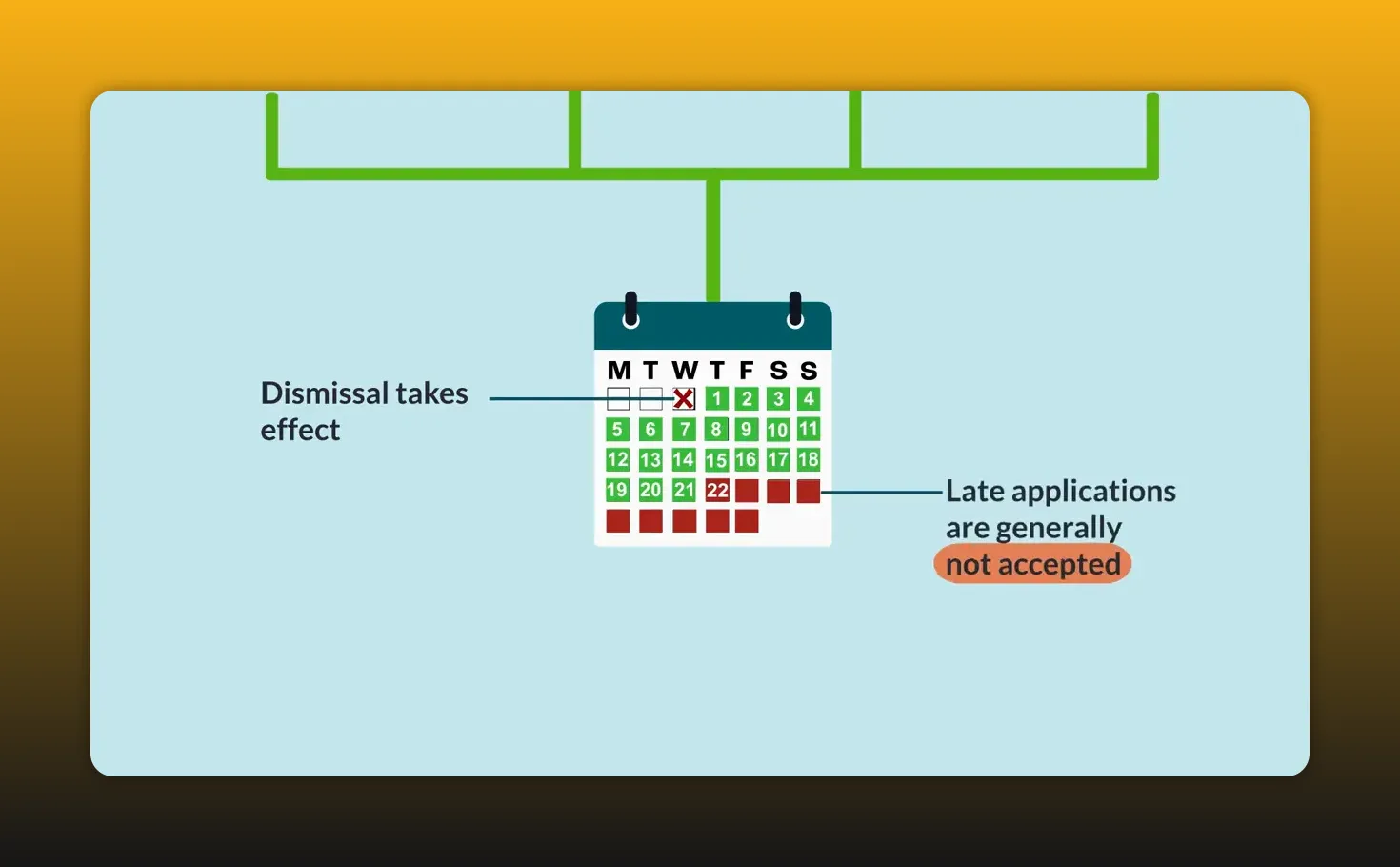
Table of Contents
- Plain-English Summary
- Key Points at a Glance
- What Counts as a Job Loss Problem?
- Who to Contact First
- The Four Main Application Types You Need to Know
- The 21-Day Rule: Don’t Learn This the Hard Way
- Can You Lodge More Than One Application?
- What This Means in Real Life
- Action Plan: Do This Today
- Common Pitfalls and How to Avoid Getting Pinged
- Toolbox Tips and Pro Moves
- Additional Resources for Transport Operators and Safety-Sensitive Workplaces
- FAQ
- Final Word
Plain-English Summary
If your employment ends and you believe something is wrong, there are usually two separate issues to think about.
-
Money and entitlements, such as unpaid wages, notice of termination, or other amounts you think you are owed.
-
The legality or fairness of the dismissal itself, including unfair dismissal, unlawful termination, general protections dismissal, or unfair deactivation from a digital labour platform.
Those issues do not always go to the same place. If you are chasing information or help about unpaid amounts or entitlements, the Fair Work Ombudsman is the usual starting point. If you want to challenge the dismissal or deactivation, the Fair Work Commission may be the relevant forum.
For workers in operations where Regulated Worker; Last Mile; Transport Safety concerns are part of daily life, that distinction matters. A transport business might point to safety, policy breaches, customer complaints, access issues, or platform standards. That does not automatically tell you which legal pathway fits your situation. You need to identify the right type of application, and you need to do it quickly.
Bottom line: don’t assume a job loss issue is just one problem. It can involve pay, legal rights, and strict deadlines all at once.
Key Points at a Glance
|
Issue |
What it means |
Where to start |
Why it matters |
|---|---|---|---|
|
Unpaid wages or entitlements |
You believe you are owed pay, notice, or other employment entitlements |
Fair Work Ombudsman information and assistance |
You may need help understanding what should have been paid |
|
Unfair dismissal |
You believe the dismissal was harsh, unjust or unreasonable |
Fair Work Commission |
Strict application rules apply |
|
General protections dismissal |
You believe you were dismissed for a prohibited reason |
Fair Work Commission |
This is a separate application type with its own eligibility rules |
|
Unlawful termination |
You believe the termination was unlawful under workplace law |
Fair Work Commission |
You need the right application from the start |
|
Unfair deactivation |
You were removed from a digital labour platform and believe it was unfair |
Fair Work Commission |
Platform workers can have strict time limits too |
|
21-day deadline |
Applications must usually be lodged within 21 days of losing the job |
Act immediately |
Late applications are generally not accepted |
|
Multiple application types |
You can only make one dismissal application about the same dismissal |
Check eligibility before lodging |
Choosing the wrong one can waste valuable time |
What Counts as a Job Loss Problem?
Not every dispute looks the same. In practical terms, job loss situations often fall into one of these buckets:
-
You were dismissed outright
-
You lost access to work through a digital labour platform
-
Your employment ended and you think your final pay is wrong
-
You think the reason given for the dismissal was not lawful or not fair
If you work in sectors tied to Regulated Worker; Last Mile; Transport Safety, this can include employees in delivery, fleet support, warehouse-linked transport roles, platform-based transport work, or safety-sensitive contractor arrangements where access to work can be cut off suddenly.
The law does not treat all these problems the same way. That is why rushing in with the wrong form can create more grief than it solves.
Who to Contact First
For pay, notice, or entitlements
If your concern is about money owed after the job ended, start with the Fair Work Ombudsman. That is the right place for information and help about wages, notice of termination and other employment entitlements.
For unfair or unlawful dismissal issues
If you believe you were fired unfairly or unlawfully, or unfairly deactivated from a digital labour platform, the Fair Work Commission may be the place to make an application.
This split matters. Plenty of people mix up unpaid entitlements with dismissal remedies. They are related, but not identical.
The Four Main Application Types You Need to Know
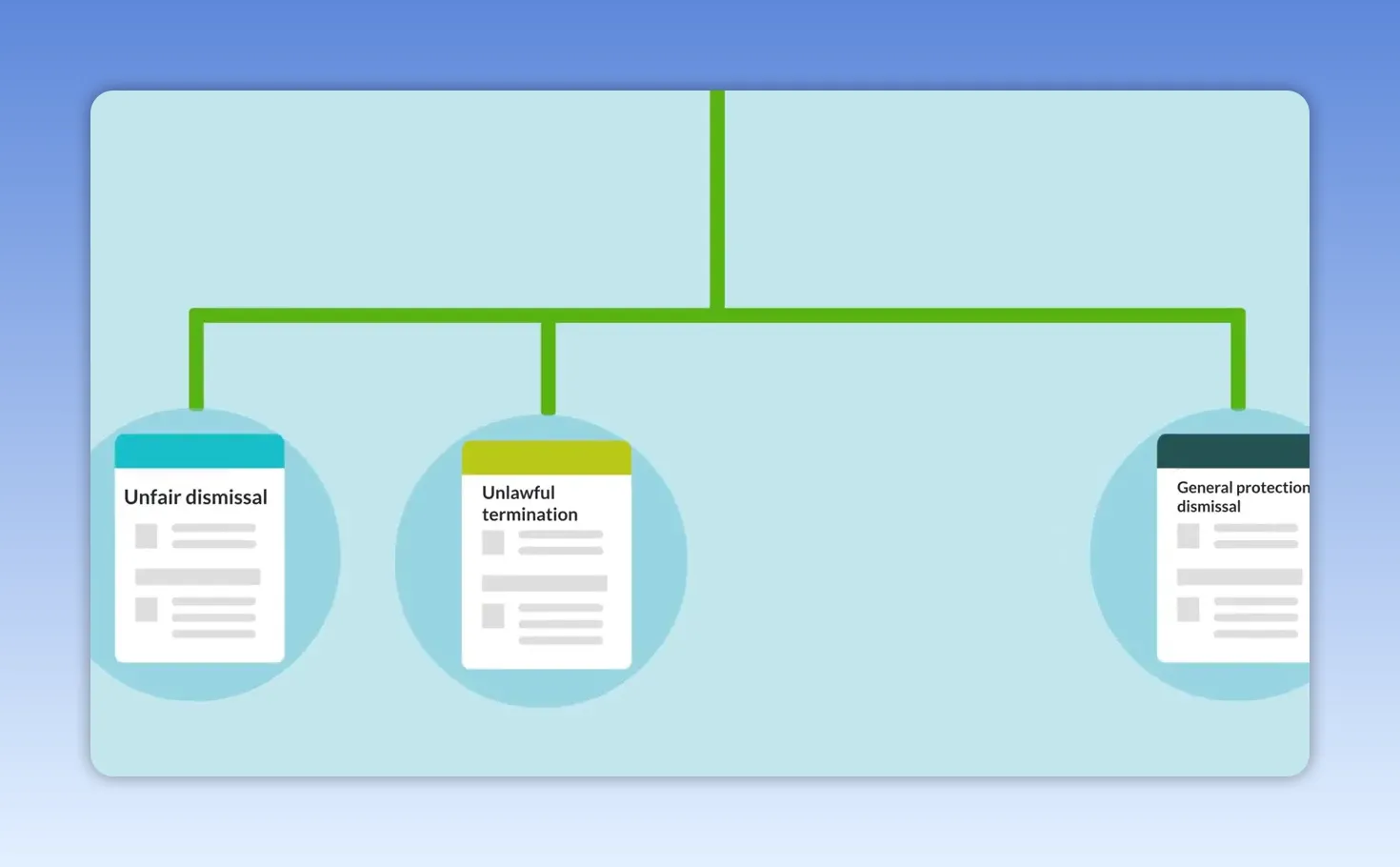
The available dismissal-related pathways mentioned here include:
-
Unfair dismissal
-
General protections dismissal
-
Unlawful termination
-
Unfair deactivation from a digital labour platform
Each one has different rules about who can apply. That means your eligibility depends on the circumstances, not just your belief that something unfair happened.
If your work sat inside a Regulated Worker; Last Mile; Transport Safety environment, be especially careful not to assume a safety-related reason automatically defeats your claim or automatically proves it. The real issue is whether the facts fit the legal test for the application type.
Bottom line: before you lodge anything, work out which application actually matches your situation.
The 21-Day Rule: Don’t Learn This the Hard Way
This is the one that catches most blokes out.
If you want to make one of these dismissal-related applications, you generally need to do it within 21 days of losing your job. The same strict time frame applies across the application types identified here.
Late applications are generally not accepted.
That means:
-
Do not wait for “things to calm down”
-
Do not assume an internal appeal pauses the clock
-
Do not spend three weeks arguing by text message with the boss or platform
-
Do not keep rewriting your story instead of lodging
For people working around Regulated Worker; Last Mile; Transport Safety obligations, the end of employment can be wrapped up with investigations, site access removal, app shutdown, vehicle return issues or incident paperwork. None of that means the deadline disappears.
Can You Lodge More Than One Application?
No. You can only make one application about the dismissal.
If you lodge one type and later decide another type is the better fit, you must discontinue the first one before submitting the new one. The nasty bit is this: the original 21-day deadline still applies.
So if you burn 18 or 19 days on the wrong path, you may be left with almost no room to fix it.
That is why checking the rules before filing matters so much.

What This Means in Real Life
Here are a few practical examples relevant to transport and delivery work where Regulated Worker; Last Mile; Transport Safety issues often overlap with employment disputes.
Example 1: Final pay is short
You are dismissed from a depot or fleet role and your annual leave, notice or ordinary pay looks wrong. That is an entitlements issue. Start with the Fair Work Ombudsman for information and help.
Example 2: You believe the dismissal itself was unfair
You are terminated after an incident, complaint or internal process and believe the outcome was unfair. That may point toward a Fair Work Commission application, depending on eligibility and the facts.
Example 3: Platform access is removed
If your work came through a digital labour platform and your access is shut off, unfair deactivation may be relevant. Again, timing is critical.
Example 4: The reason for dismissal may be prohibited or unlawful
Some cases are not really about ordinary fairness. They may fall into general protections dismissal or unlawful termination territory instead. Choosing correctly matters.
In every one of those examples, Regulated Worker; Last Mile; Transport Safety facts may sit in the background, but your next step still depends on whether the dispute is about money owed, fairness, legality, or deactivation.
Action Plan: Do This Today
Print this checklist and stick it on the depot noticeboard if you need to.
-
Write down the exact date your job ended. The 21-day clock runs from when the dismissal takes effect.
-
Separate the issues. Make two lists: money owed, and dismissal/deactivation concerns.
-
Gather your records. Keep termination messages, letters, roster records, pay slips, contracts, and platform screenshots.
-
Check which application type fits. Do not guess. Review the Fair Work Commission information on job loss and dismissal.
-
Get help fast if you are unsure. Use official Fair Work resources early, not on day 20.
-
Lodge within 21 days if you are making a dismissal-related application. Waiting is the biggest unforced error.
-
If you need to switch application type, discontinue the first one and act before the deadline expires.
Bottom line: speed and accuracy beat panic every time.
Common Pitfalls and How to Avoid Getting Pinged
-
Mistaking an entitlements problem for a dismissal application
If you are really chasing unpaid money, start with the correct channel instead of filing the wrong claim first. -
Missing the 21-day deadline
This is the big one. Put the date in your phone, on paper, and in your email calendar the same day the job ends. -
Lodging first and researching later
Different application types have different eligibility rules. A rushed wrong application can create a second problem. -
Thinking you can stack multiple dismissal applications
You generally only get one application about the dismissal. Choose carefully. -
Assuming changing application type gives you more time
It does not. The same original 21-day window still rules the game.
Toolbox Tips and Pro Moves
-
Start with official sources. For dismissal pathways, use the Fair Work Commission. For unpaid entitlements information, use the Fair Work Ombudsman.
-
Keep screenshots. If your access to work was platform-based, capture app notices, emails and account messages straight away.
-
Build your timeline early. A one-page chronology of what happened can save hours later.
-
Do not toss out work records. Rosters, messages, pay slips and termination notices all matter.
-
If your broader role involves transport compliance duties, keep those records separate. In workplaces where Regulated Worker; Last Mile; Transport Safety is a live issue, safety records and employment records can overlap but they are not the same thing.
-
For operators and managers handling broader transport risk, keep your systems audit-ready. A practical resource like the Chain of Responsibility Complete Guide can help build stronger documentation, responsibilities and controls across the business.
Additional Resources for Transport Operators and Safety-Sensitive Workplaces
Although this guide is about job loss, many businesses operating around Regulated Worker; Last Mile; Transport Safety also need stronger systems for documentation, role clarity and legal responsibility. For broader context on heavy vehicle compliance and workplace systems, the National Heavy Vehicle Regulator is the key official source for heavy vehicle regulations Australia.
For internal capability building, related TRTT-style topics worth keeping on your radar include:
-
NHVR updates
-
heavy vehicle compliance
-
NHVR Portal changes
-
fatigue management rules
-
safety management system reviews
-
transport operator checklist development
That broader compliance work will not replace fair work rights, but it can reduce chaos when disputes hit.
FAQ
How long do I have to apply after losing my job?
For the dismissal-related application types covered here, the time limit is generally 21 days from when the dismissal takes effect. Late applications are generally not accepted.
Where do I go if I am owed wages or notice pay?
Start with the Fair Work Ombudsman for information and help about unpaid pay, notice of termination, and other employment entitlements.
What if I think I was fired unfairly?
You may be able to make a Fair Work Commission application, depending on the circumstances and whether you meet the rules for that type of claim.
Can I make more than one application about the same dismissal?
No. You can only make one application about the dismissal. If you need to change the type of application, you must discontinue the first one before lodging a new one, and the original deadline still applies.
Does this apply to digital labour platform work?
Yes. Unfair deactivation from a digital labour platform is one of the application types identified here, and it also carries a strict time limit.
Why is Regulated Worker; Last Mile; Transport Safety relevant here?
Workers in delivery, logistics and other safety-sensitive roles can face job loss issues tied to safety procedures, platform access, customer sites, or compliance concerns. But even in those settings, the key legal questions still come back to entitlements, dismissal type, eligibility and deadlines.
Final Word
If you have lost your job, do not drift. Work out whether the issue is about money owed, the dismissal itself, or platform deactivation. Then move fast.
The key takeaway is simple. In any workplace touched by Regulated Worker; Last Mile; Transport Safety, the same rule applies as it does everywhere else. Know your pathway, know your deadline, and get the right application in on time.
Bookmark this, share it with your drivers, ops team, site managers, prime contractor or mates, and keep your paperwork tight. For more real-world transport tools and straight-talking compliance guides, stick with The Real Transport Toolbox. The goal is simple: less chaos, better decisions, and a safer, more controlled operation every day.
Grab your free Intel access here - takes 8 seconds, zero spam, 100% value. |
|
Don’t Get Caught Unprepared in the 2026 HVNL Shift. CoR Clarity: Connect, Comply, Conquer |
| Stay Compliant & Audit Ready |
This article was created from the Fair Work Commission YouTube Page - Give them a Follow!


