Regulated Worker; Last Mile; Transport Safety matters even when employment disputes arise. A general protections application is the legal pathway an employee uses when they believe they were dismissed or treated adversely for a prohibited reason. This guide explains what a general protections application covers, who can apply, the time limits involved and what outcomes you can expect. It uses clear examples and practical steps so you can act with confidence.
Table of Contents
- 🧭 Who can make a general protections application?
- ⚖️ What counts as a prohibited reason?
- 🗂️ Types of general protections applications
- ⏳ Timeframes and the Fair Work Commission’s role
- 🤝 Possible outcomes and next steps
- 🔎 Practical tips for someone considering an application
- 📚 Additional context
- ❓ Frequently asked questions
🧭 Who can make a general protections application?
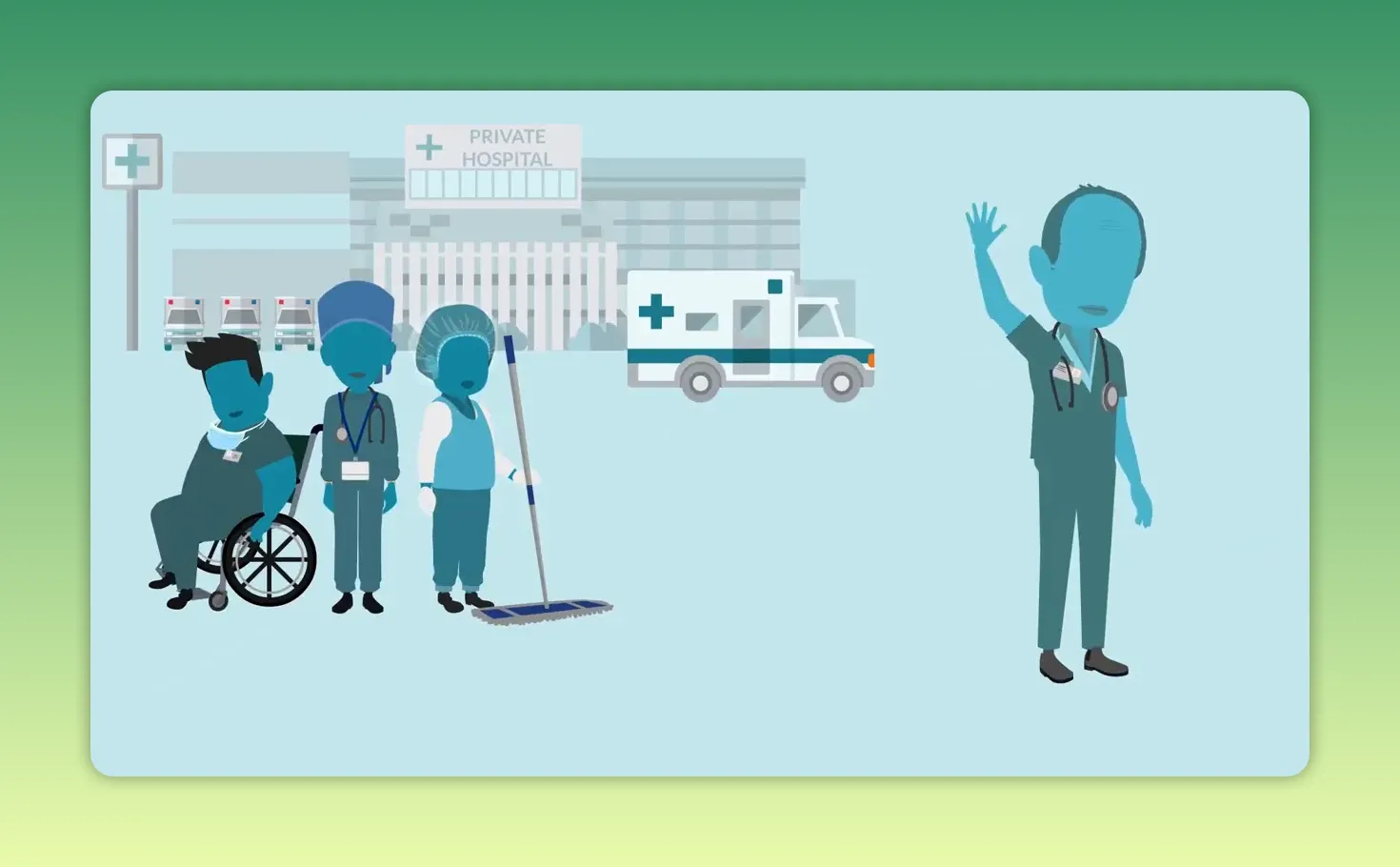
Any employee who has been dismissed or suffered adverse treatment because of a prohibited reason can apply. That includes long‑serving staff, casuals, contractors and anyone who exercises workplace rights. For example, someone who has raised concerns about safety on a delivery route linked to Regulated Worker; Last Mile; Transport Safety protections would be covered.
⚖️ What counts as a prohibited reason?
A prohibited reason is one that the law protects against. Common examples include discrimination because of:
- Age
- Race
- Sex or pregnancy
- Religion
- Disability
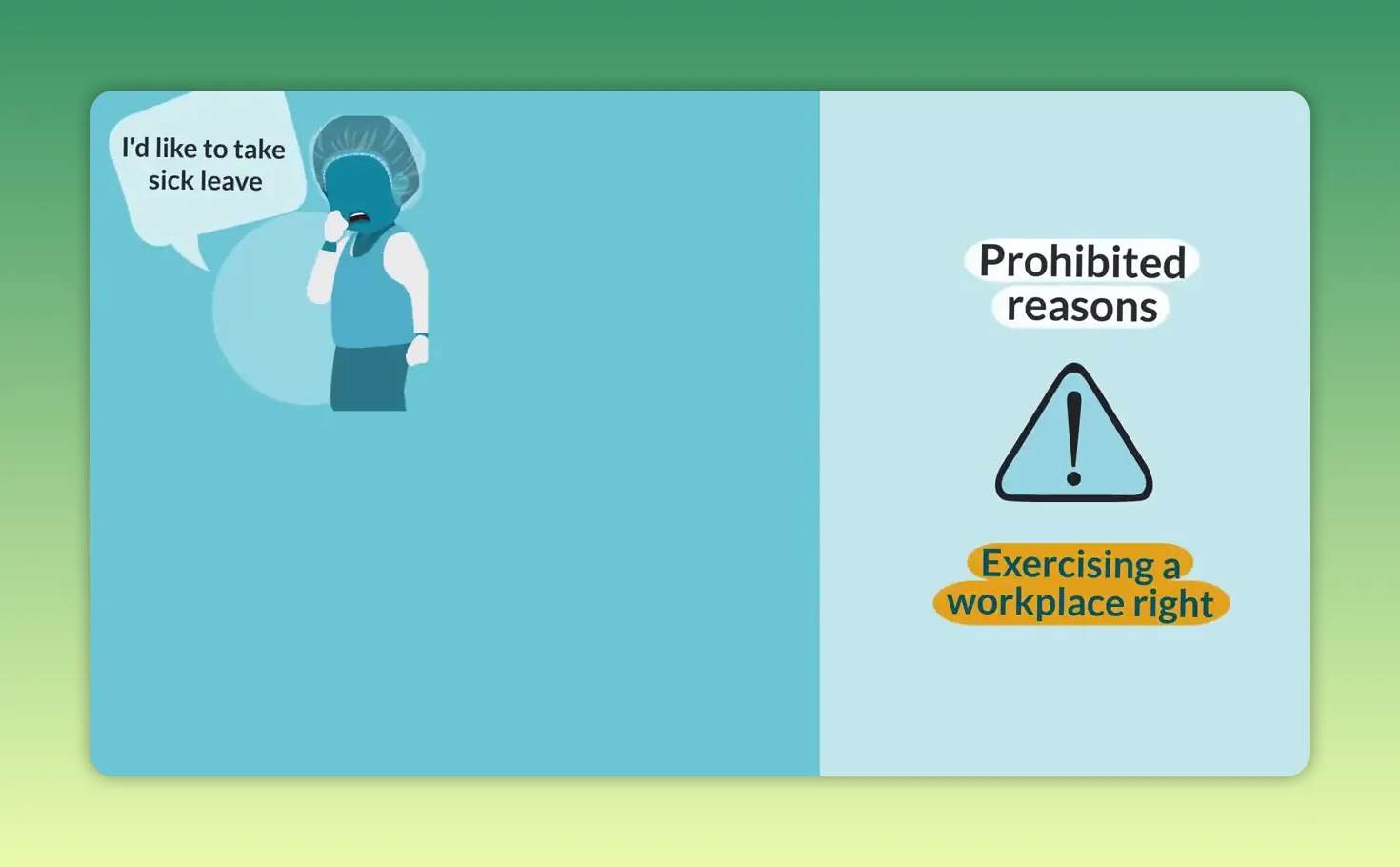
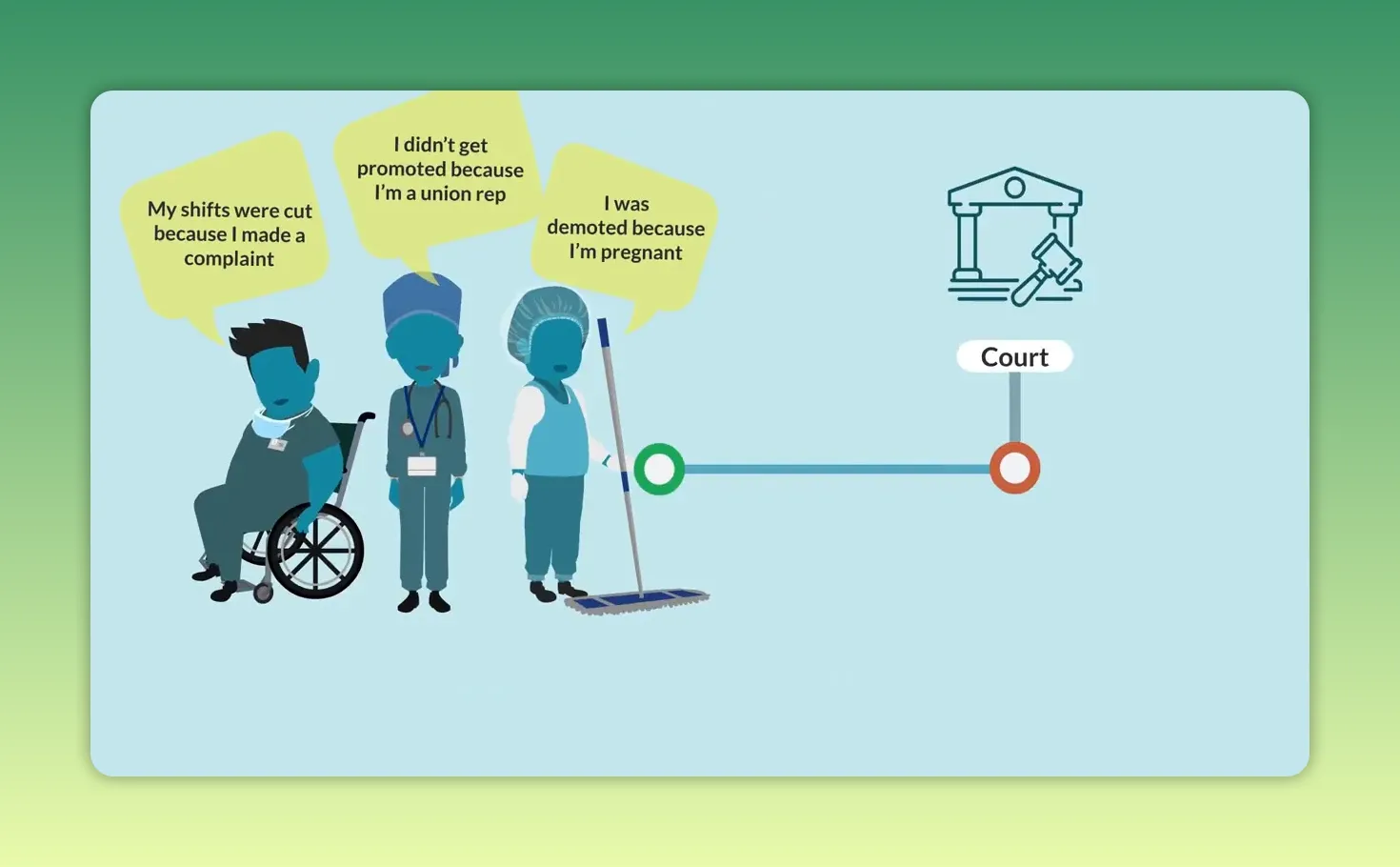
Prohibited reasons also cover workplace actions such as taking leave, questioning pay, lodging a complaint about working conditions, exercising a workplace right or joining a union. It is also unlawful to dismiss a permanent employee and immediately rehire them as a casual or contractor to perform the same duties. These protections can be particularly relevant for people working in high‑risk operational areas that touch on Regulated Worker; Last Mile; Transport Safety.
🗂️ Types of general protections applications
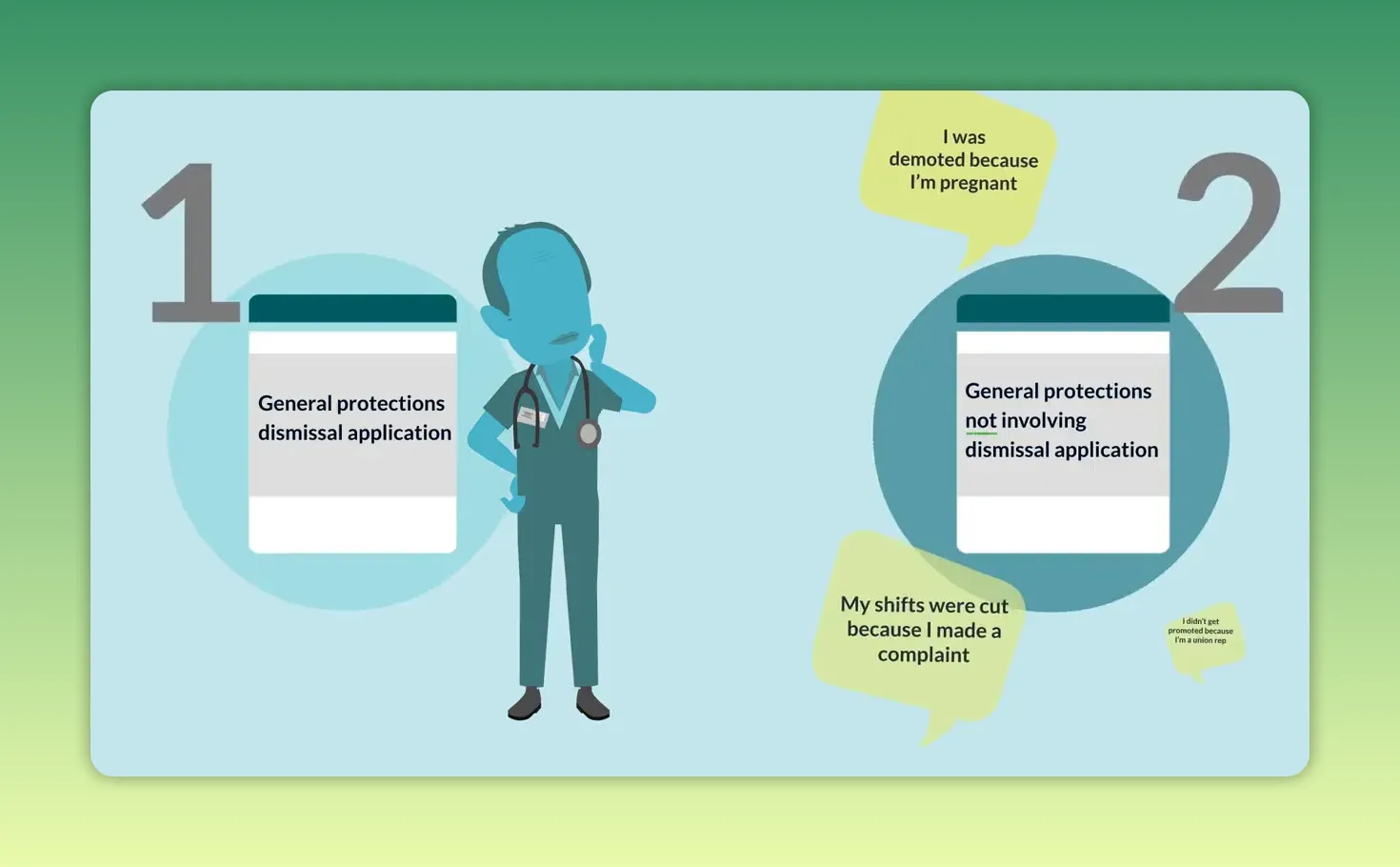
There are two broad types:
- Applications involving dismissal — where the employee has been terminated and alleges the dismissal was for a prohibited reason.
- Applications for other adverse actions — where the employee alleges harmful treatment that falls short of dismissal, such as demotion, disciplinary action or reduction in hours.
⏳ Timeframes and the Fair Work Commission’s role
If you have been dismissed, you usually have 21 days to bring a general protections application involving dismissal. For non‑dismissal matters there are different timeframes and options.
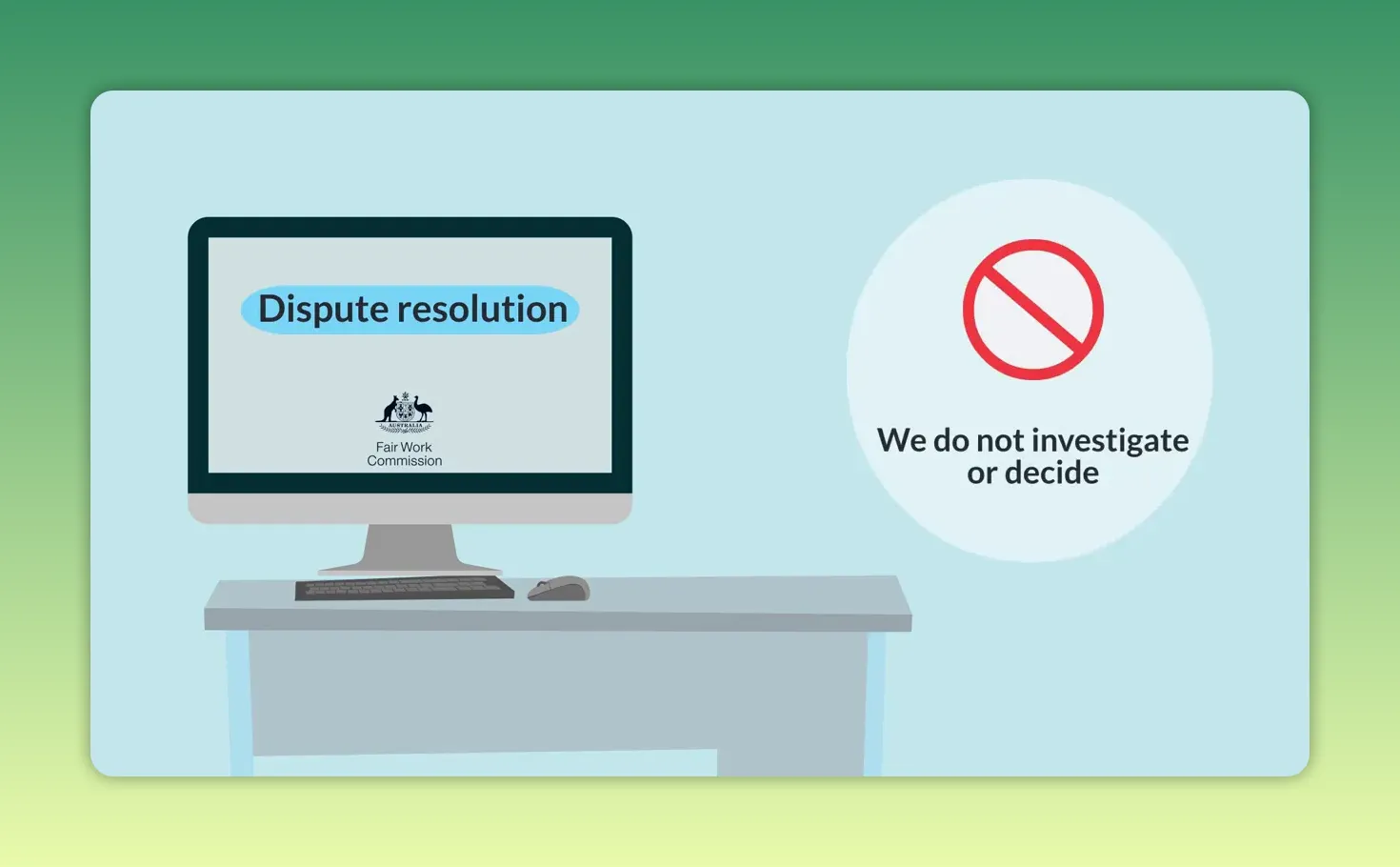
The Fair Work Commission focuses on dispute resolution. It does not act as an investigator or determine who is right or wrong in the sense of delivering a final court judgment. The Commission will work with both parties to try to reach a practical resolution.
🤝 Possible outcomes and next steps
Parties can agree on a range of resolutions, including:
- An apology
- Financial compensation
- Reinstatement (getting the job back)
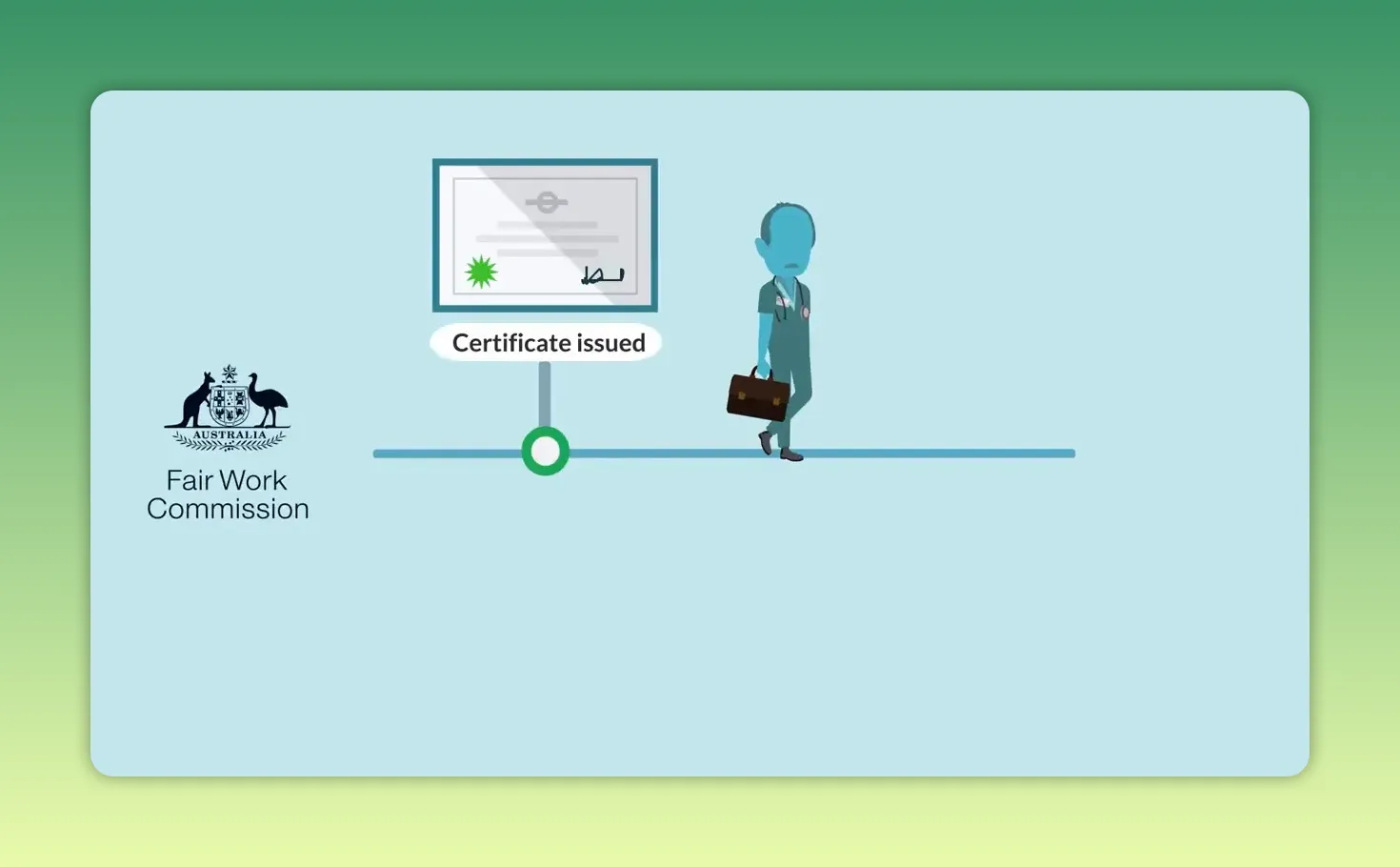
If the Commission cannot help both sides reach agreement, its role ends and it will issue a certificate. That certificate permits the applicant to take the matter to a federal court, which can make a binding decision about whether the dismissal or adverse action breached the law.
🔎 Practical tips for someone considering an application
- Act quickly. Make sure you note the 21‑day limit for dismissal matters.
- Gather evidence. Keep records of conversations, emails, payslips and any formal complaints.
- Seek advice. Consider getting legal or union advice, especially for complex matters tied to Regulated Worker; Last Mile; Transport Safety concerns.
- Know your goals. Think about what outcome you want—apology, compensation or reinstatement—before starting the process.
📚 Additional context
Choosing dispute resolution through the Commission is often faster and less costly than going straight to court. For issues that involve critical safety or regulatory concerns, such as those related to Regulated Worker; Last Mile; Transport Safety, obtaining early external advice can clarify whether a Commission application or a court filing is the better route.
❓ Frequently asked questions
Who can file a general protections application?
Any worker who believes they were dismissed or treated adversely for a prohibited reason can apply. This includes employees, some contractors and people who exercised workplace rights. Matters tied to Regulated Worker; Last Mile; Transport Safety are covered when the adverse action relates to safety complaints or lawful workplace rights.
How long do I have to apply after a dismissal?
For applications involving dismissal the usual timeframe is 21 days from the date of dismissal. It is important to act quickly to preserve your options.
What outcomes can I expect?
Outcomes include an apology, financial compensation or reinstatement. If conciliation fails, you may be issued a certificate allowing you to take the matter to a federal court for a final decision.
Should I go to the Commission or straight to court?
For non‑dismissal matters you can choose either route. The Commission is primarily a dispute resolution forum. For legally complex or high‑stakes cases, particularly those involving Regulated Worker; Last Mile; Transport Safety concerns, legal advice will help you decide which pathway is appropriate.
Where can I find more information?
Official workplace and legal resources provide detailed guidance on general protections applications, timeframes and the dispute resolution process. If your situation intersects with regulated transport safety or last mile operations, seek specialised advice.
Suggested links to add
No external links were provided with the request. Below are recommended anchor texts and example placeholders — replace each # with the correct URL when you have the links.
- Place after the sentence about the 21‑day limit: Fair Work
- Place where the Fair Work Commission's dispute role is described: General protections
- Place in the “Seek advice” tip: Legal advice
- Place in safety or regulatory context references: Transport safety
- Place where unions are mentioned: Union advice
If you want, provide the actual URLs and I will produce a JSON mapping that inserts those links directly into the article text at the exact 1–3 word anchor locations above.
2026 Chain of Responsibility Guide Book |
|
It's a manual that protects you and your business! |
| Click me to find out more |
This article was created from the Fair Work Commission YouTube Page - Give them a Follow!


