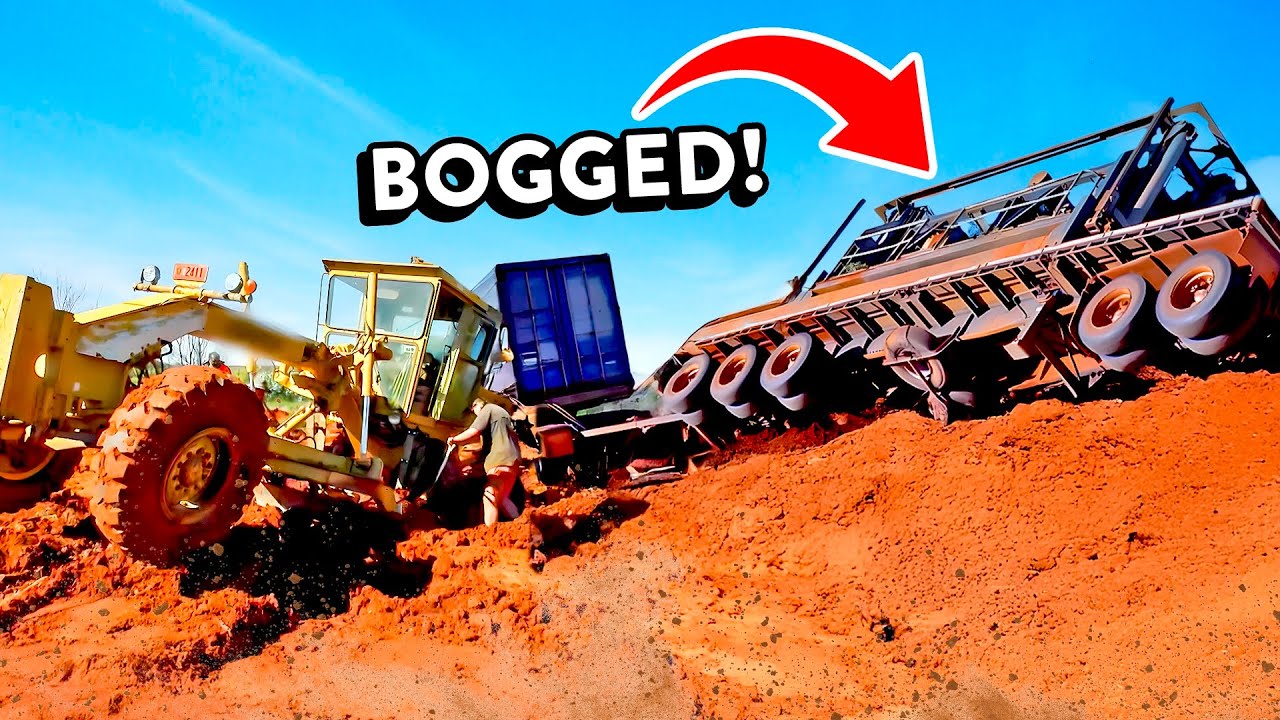
This article breaks down Outback Truckers’ gripping recovery of Russell McDonough’s 100‑tonne road train and 25‑tonne car crusher. It follows the mission from departure through disaster to the improvised rescue, and highlights practical lessons for operators and communities — including responsibilities under the chain of responsibility; CoR when working with heavy vehicles and local authorities.
Table of Contents
- Overview: a mobile recycling business on the move
- The gamble: shortcut, washouts and the sinkhole
- Disaster strikes: the crusher lists and the road gives way
- Three‑day recovery: plans, failures and improvised solutions
- The breakthrough: engineering, patience and teamwork
- Aftermath and practical lessons
- FAQ
Overview: a mobile recycling business on the move
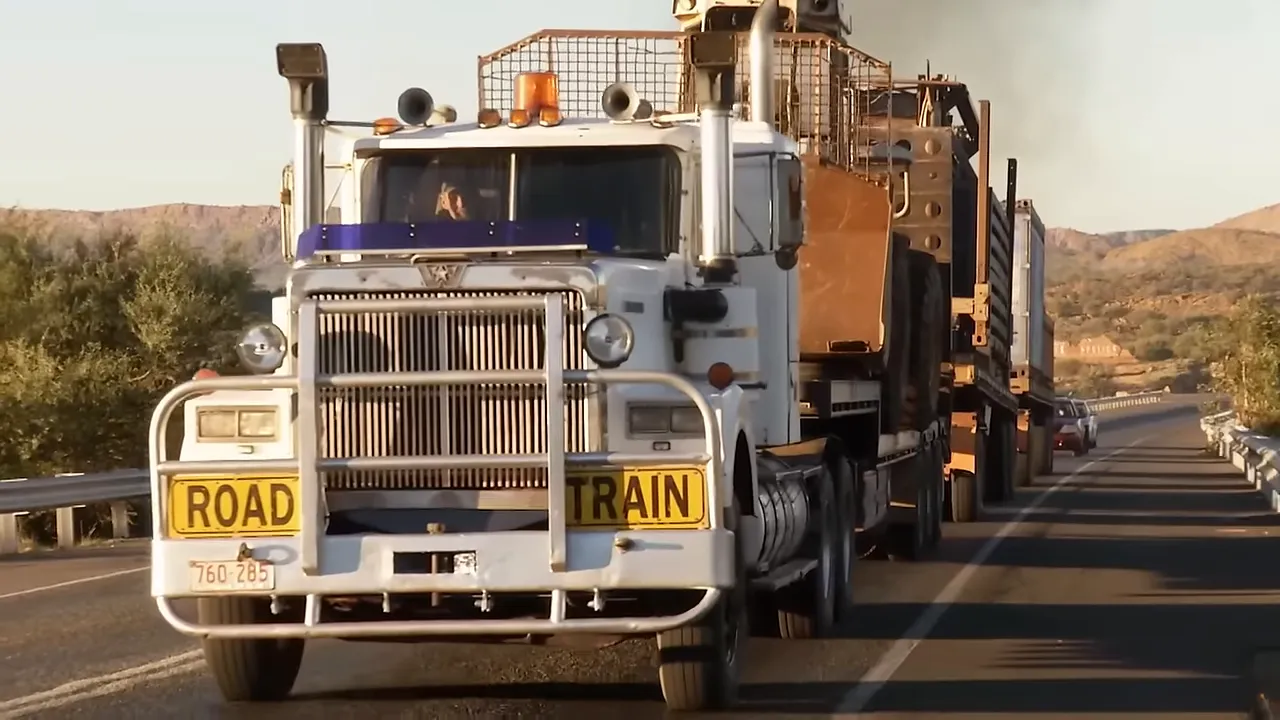
Russell and partner Nikki run a mobile scrap yard that turns abandoned cars into cash for remote communities. Their operation is packed onto a long road train: two containers of kit, a 25‑tonne crusher, a four‑ton excavator and a 17‑ton loader — a 50‑metre, 108‑tonne rig built to operate where few others will go.
The gamble: shortcut, washouts and the sinkhole
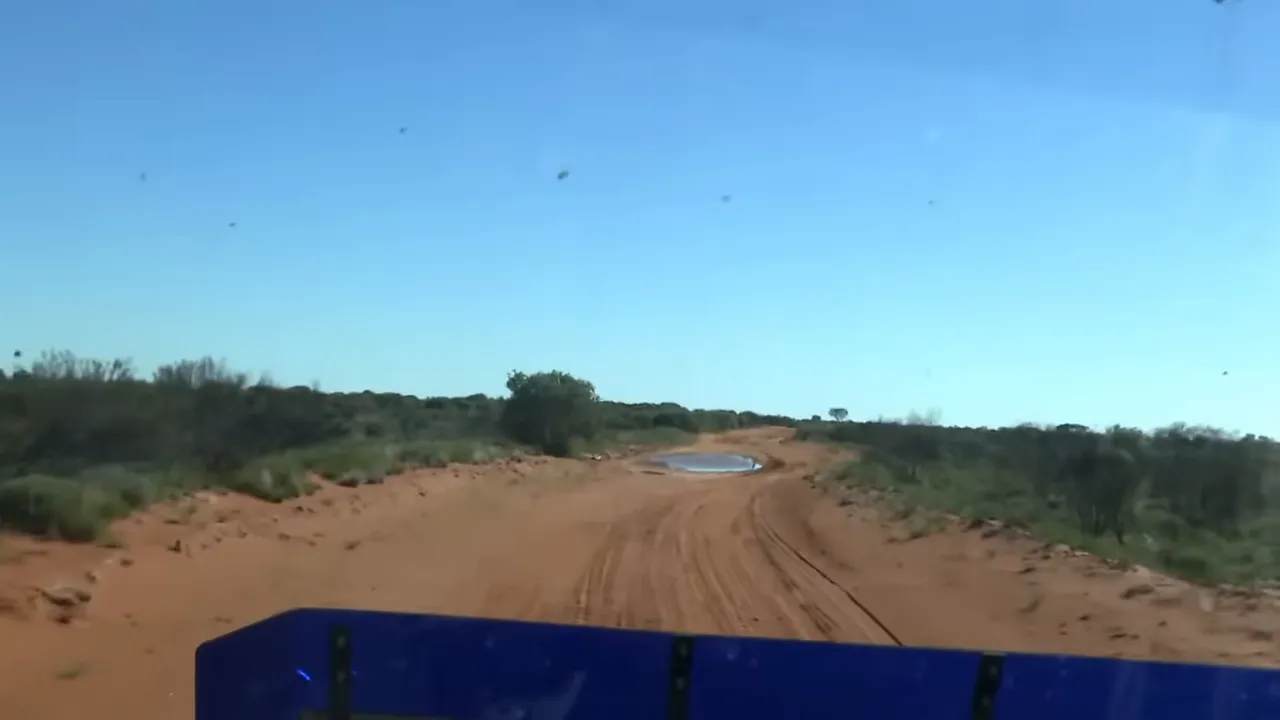
On a 900‑kilometre round trip to Nurepi, Russell opts for a narrow shortcut to save time. The route is less corrugated but risks washouts — sections where rain has pulled the road apart and hidden soft patches under a dry surface. While scouting, crew members find a big water hole and warn of soft edges that will trap a wheel and rapidly escalate into a bogging incident.
Disaster strikes: the crusher lists and the road gives way
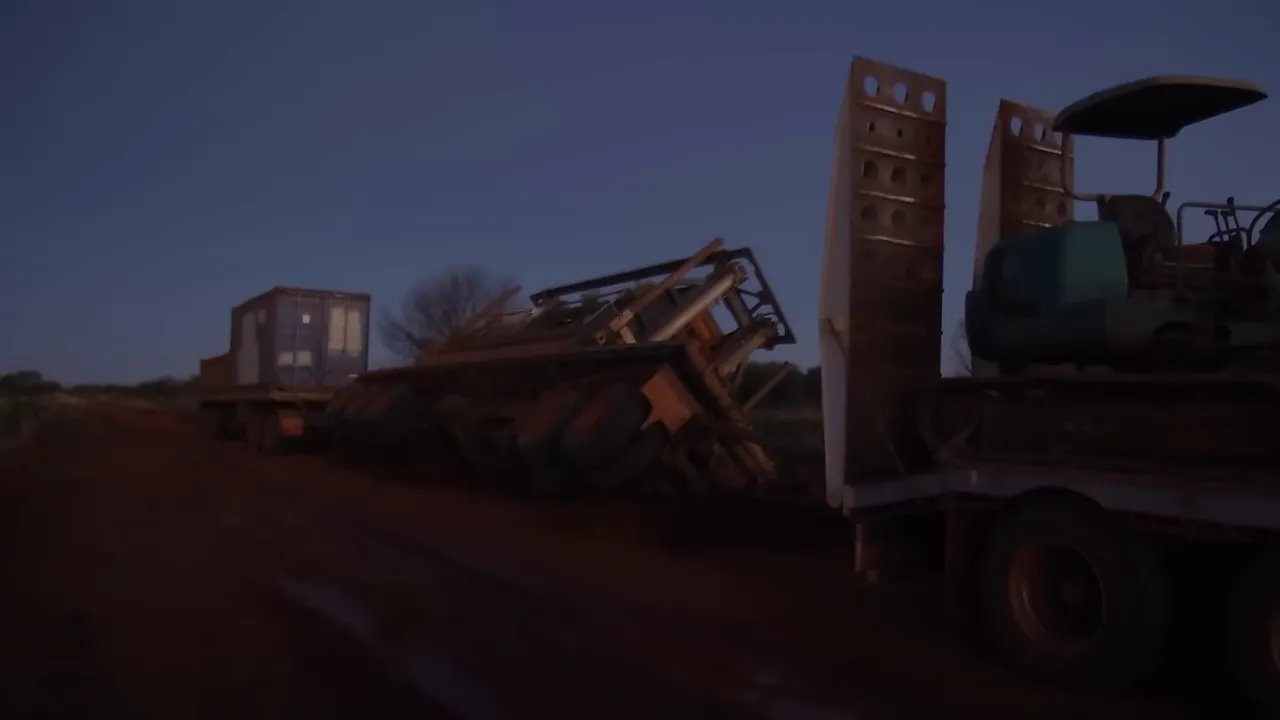
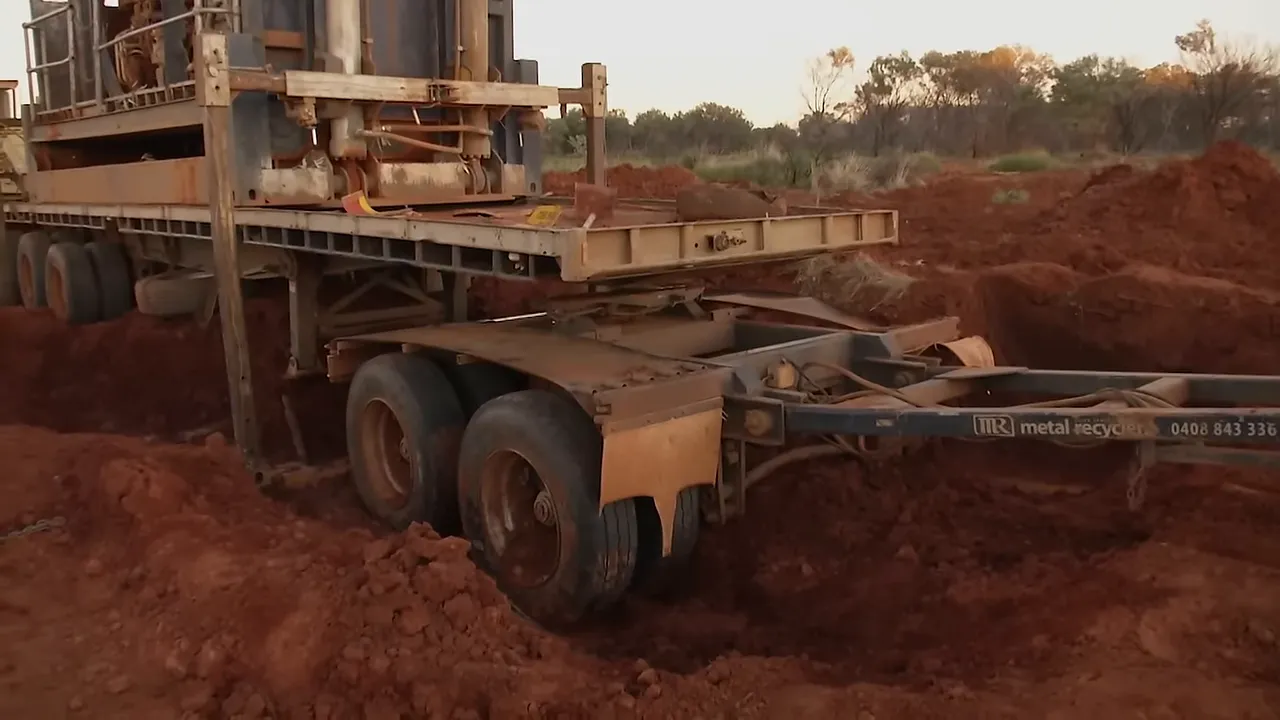
With daylight dwindling, the second trailer’s front drops into a soft spot and the 25‑tonne crusher lists into a deep hole. Out of radio range and alone, Russell unhooks and heads for help. By morning the scale of the problem is clear — the trailer, the loader and then the grader all end up buried to their axles in saturated ground fed by an underground watercourse.
Three‑day recovery: plans, failures and improvised solutions
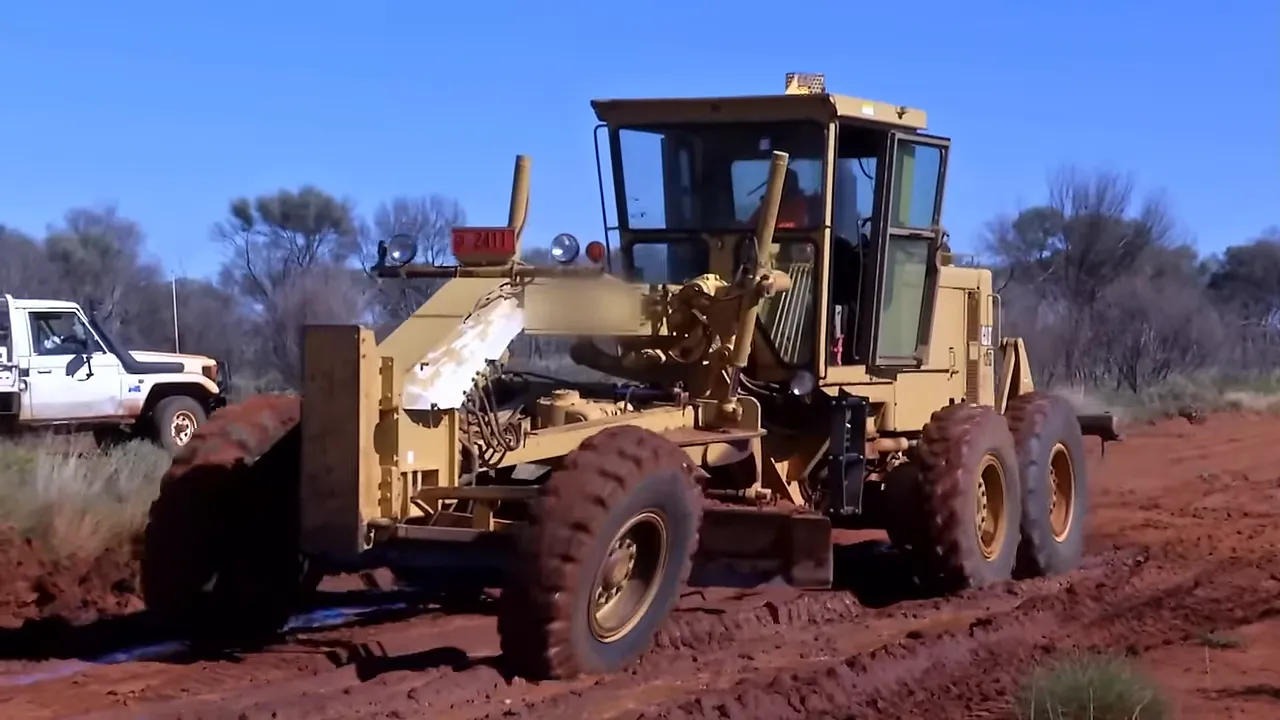
Russell borrows a shire grader and combines it with his loader and excavator. The team tries multiple tactics:
- Push the crusher upright with the loader while the grader provides pulling power.
- Skim mud away from under the crusher to create a firmer base.
- Build up traction with wood, branches and old tyres to help the grader grip.
- Deliberately bog machines to act as anchors for winching attempts.
Each attempt creates new problems: machines become bogged themselves, cables fray, and shifting loads threaten to tip the crusher back into the mud. After days of digging, hand‑clearing axles and repeated reversals, Russell changes tactics — raising the crusher on its built‑in legs to free the dolly trailer below.
The breakthrough: engineering, patience and teamwork
Using the crusher’s legs as a lifting mechanism, the crew builds a hardened base, elevates the load and carefully pulls the dolly free. A heavy‑duty trailer is backed under the crusher and a final coordinated winch-and-pull manoeuvre brings the 25‑tonne unit out of the hole. The moment the crusher clears the mud is the culmination of mechanical know‑how, risk‑management and sheer persistence.
Aftermath and practical lessons
Russell’s recovery offers several takeaways for remote heavy vehicle operations:
- Plan routes conservatively and respect local road conditions; short cuts can become costly gambles.
- Ensure reliable communications and contingency plans when operating out of radio range.
- Maintain recovery gear and train crews in staged winching, anchoring and stabilisation techniques.
- Engage local councils early — the shire grader made the recovery possible.
- Understand legal and operational obligations under the chain of responsibility; CoR when delegating transport tasks, hiring local plant or accepting council assistance.
FAQ
Q: Could this have been prevented?
A: Some risk could have been reduced by avoiding untested shortcuts and by checking recent weather and local road reports. However, outback conditions are unpredictable — robust contingency plans are essential.
Q: What role did local authorities play?
A: The local shire lent a grader and provided support coordination. That partnership underscores responsibilities across parties — including adherence to the chain of responsibility; CoR when plant and personnel are mobilised.
Q: Was anyone injured?
A: No serious injuries were reported. The team emphasised controlled, communicated movements and clear stop‑signals to avoid cable or crush hazards.
Q: What are the main safety risks in such recoveries?
A: Snapped chains or cables, shifting loads, machine rollovers and sudden softening of the ground are primary hazards. Slow, staged pulls and maintaining exclusion zones reduce risk.
Q: How does this relate to chain of responsibility; CoR for operators?
A: The chain of responsibility; CoR requires all parties who influence transport safety to take reasonably practicable steps to prevent harm. In recovery operations this means clear allocation of duties, proper equipment, fitness-for-purpose plant and documented risk controls when multiple organisations collaborate.
Source and credits: Outback Truckers — for an in‑depth, real‑time account of Russell McDonough’s recovery. Watch the full video for the complete story and footage of each recovery stage.
This article was created from content published by https://www.nhvr.gov.au/. Visit the site for latest and current information.


