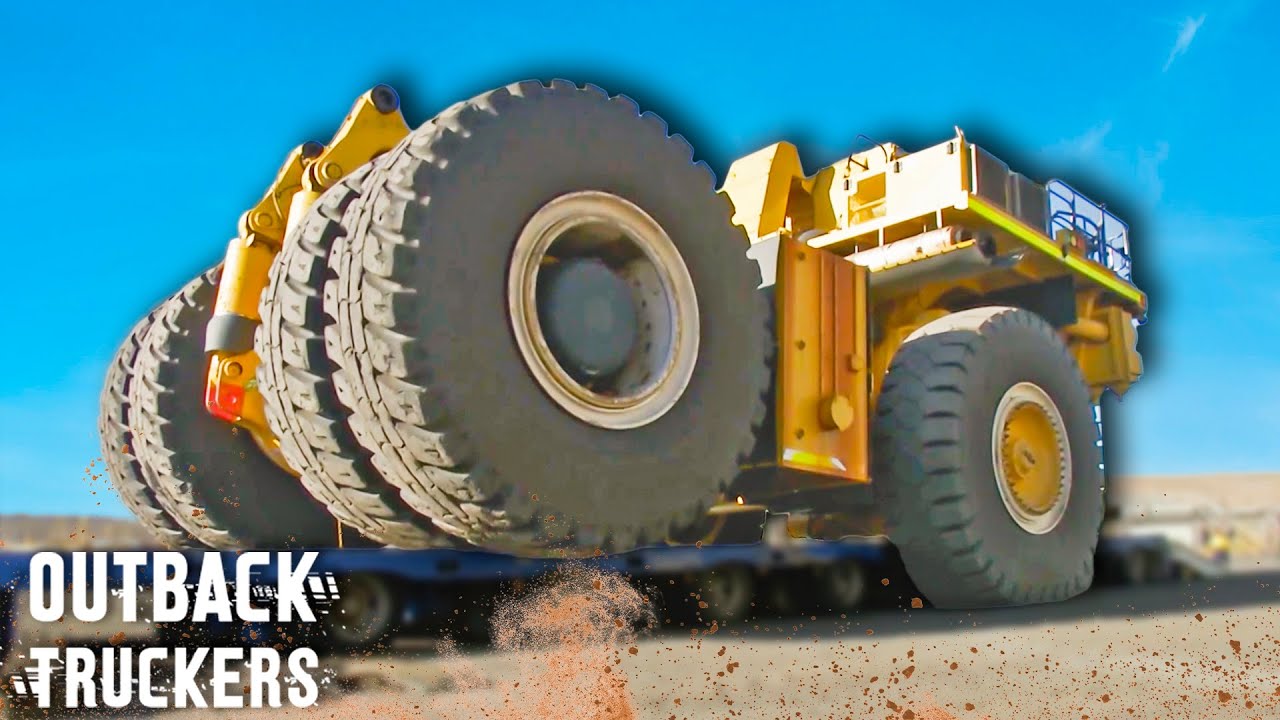
This article breaks down a dramatic 2,600 km heavy haul captured by Outback Truckers: one trucker, Cameron Smith, moving a 130‑tonne, eight‑metre‑wide dump truck from the Lee Creek coal mine to Perth. Along the way we examine planning, traffic controls, environmental checks and how the chain of responsibility; CoR plays out in real world oversize moves.
Table of Contents
- The haul: machine specs and the stakes
- Preparation: loading, balance and permits
- On the road: environmental and operational challenges
- Cooperation on the road: pilots, push truck and other truckies
- Risk management and the chain of responsibility; CoR
- Outcome: city curfew, highway closure and unload
- Lessons for heavy haulage operators
- Credits
The haul: machine specs and the stakes
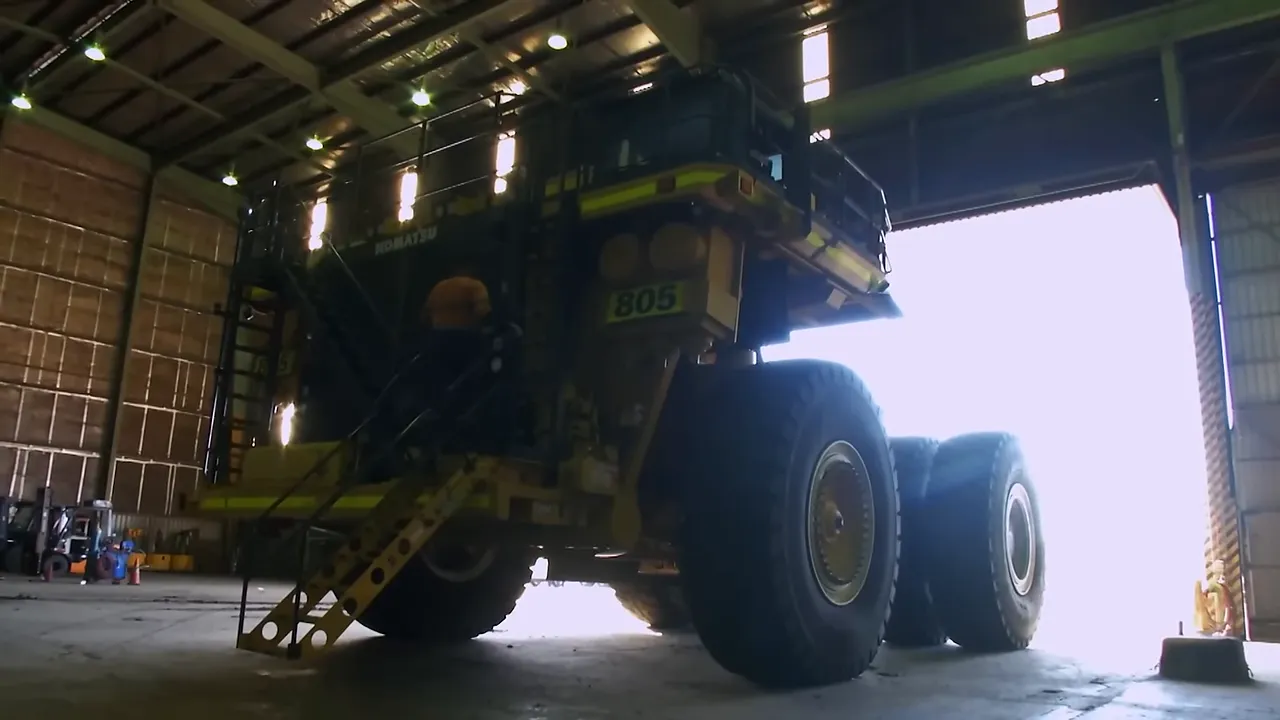
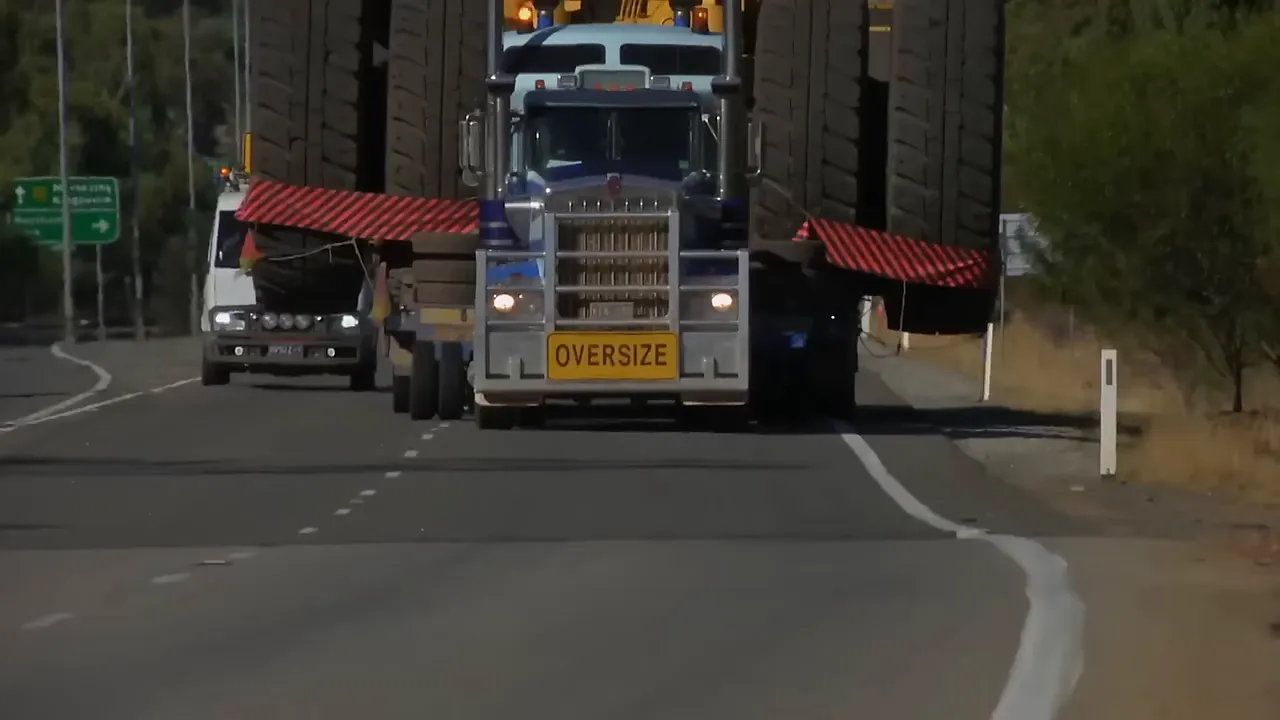
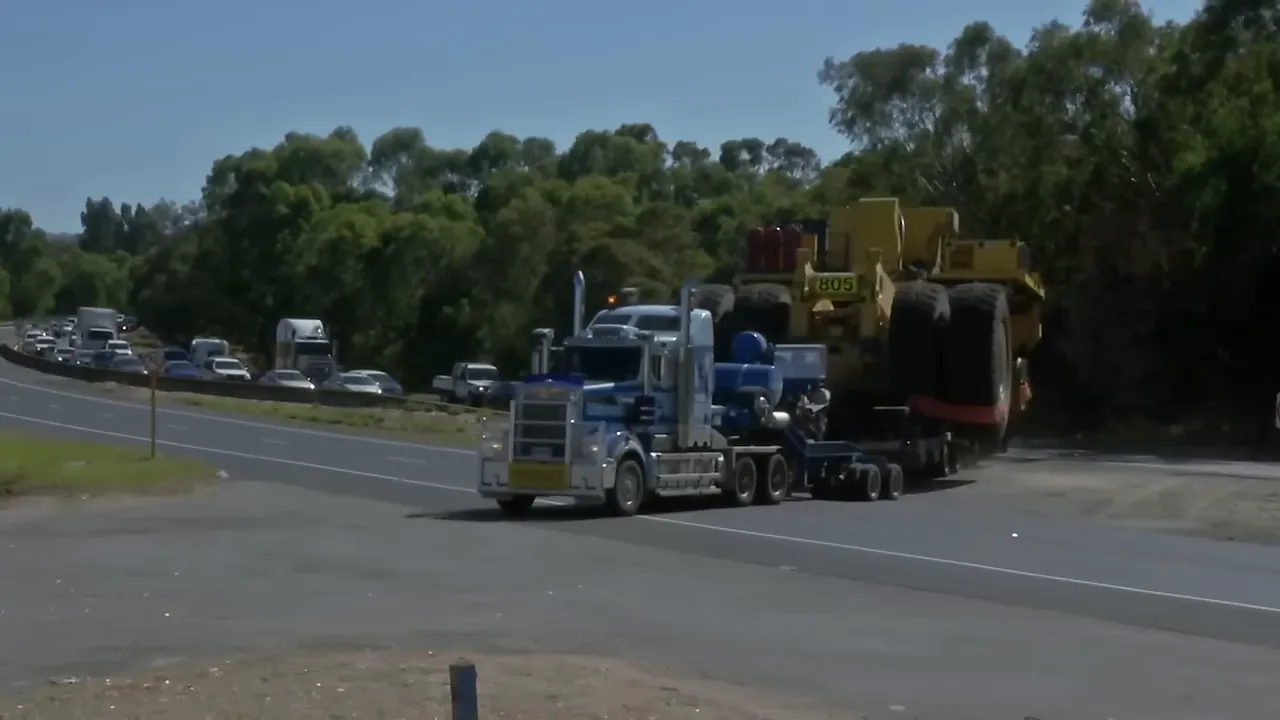
The load: a 130‑tonne dump truck, roughly eight metres wide and 6.5 metres high — worth about $3 million. Cameron’s rig with trailer and a push truck stretches to about 44 metres and weighs close to 200 tonnes when coupled. The job is high value and time‑sensitive: the delivery had to reach Perth on a specific Sunday or the crew would wait another week for the curfew window.
Preparation: loading, balance and permits
Oversize hauls start long before the engine turns over. Cameron and his team widened the trailer to 4.5 metres to support the machine, carefully balanced it and used a push truck for extra traction in steep country. Precise loading and weight distribution are critical — “Just try and get it right the first time,” Cameron says — because a single rim bend or tyre cut on remote roads can stop the job in its tracks.
On the road: environmental and operational challenges
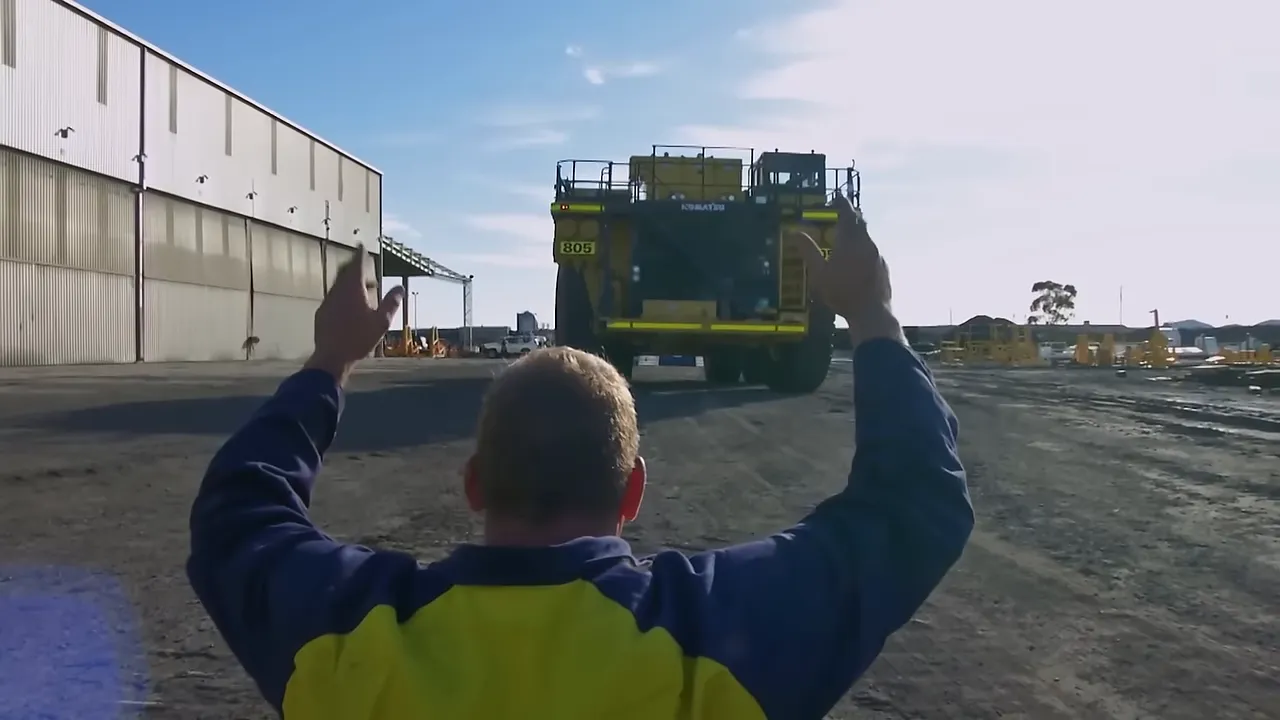
The convoy encountered a string of problems that demonstrate how complex oversize moves are outside the depot:
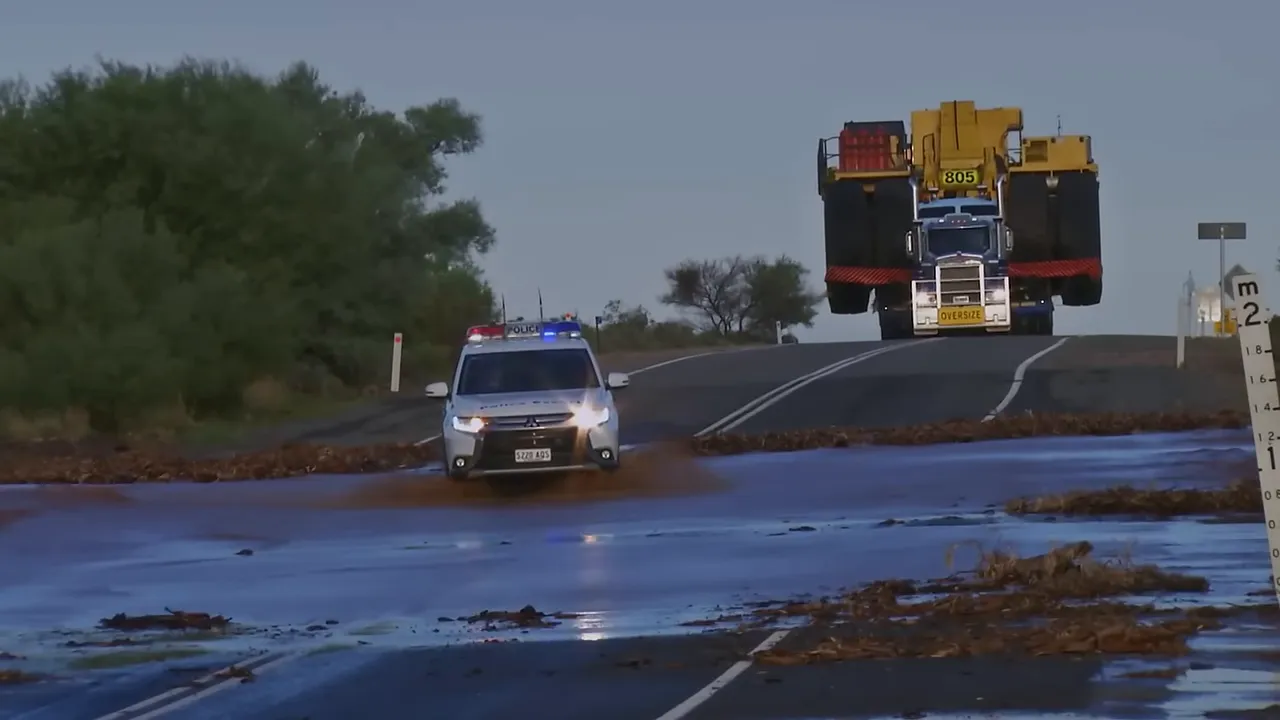
- Weather and traction: Heavy overnight rain left debris and water over roads. Wet climbs can cause wheel spin; losing traction with 130 tonnes behind is typically unrecoverable without extra equipment.
- Dirt bypasses: Where towns and highways couldn’t be used, 30–150 km dirt bypasses added time and introduced loose gravel and corrugations that cause repeated attempts to climb steep sections.
- Biosecurity inspections: Dust and tree contact triggered quarantine checks requiring a wash — a delay that can take a day or more and breach scheduled curfew windows.
- Tyres and breakdowns: After summit checks a tyre needed changing; every hour lost eats into the tight schedule required to meet city closures.
- Heat and fire bans: Extreme heat and total fire bans prevented crews from lifting power lines — the single most limiting factor for entering Perth with a tall load.
- Overhead hazards: Trees and low power lines require pilots and power crews to lift lines, and councils to sign‑off on bypasses and road conditions.
Cooperation on the road: pilots, push truck and other truckies
Cameron relied on multiple parties: Les in the push truck, pilot cars, council inspectors, quarantine officers and occasionally other truck drivers who offered assistance. The success of the move hinged on communication and trust — especially when making reverse runs on long, rough climbs or asking a fellow freighter for a tow up melting bitumen.
Risk management and the chain of responsibility; CoR
Chain of responsibility; CoR is not just a legal phrase — it’s how accountability is distributed across people who can influence transport outcomes. On this job the CoR responsibilities included:
- Driver/operator duties: ensuring the vehicle is roadworthy, load is secured and trips follow permits.
- Pilot vehicle operators: managing traffic and providing accurate route intelligence.
- Road managers and councils: assessing bypasses and granting permission to use local roads.
- Utility and power crews: authorising and carrying out lifts of overhead lines.
- Quarantine and biosecurity officers: enforcing washdowns to prevent contamination.
When delays occur (wet bypasses, quarantine checks, fire bans), the CoR framework shows who must act and how decisions affect the whole delivery. Effective record keeping, permits and communications are essential to meet legal obligations under chain of responsibility; CoR and to protect both the load and public safety.
Outcome: city curfew, highway closure and unload
After two weeks on the road and 2,600 km, the crew finally entered Perth during a planned closure of Tonkin Highway. Pilots and traffic control shut the artery so the oversized load could pass safely. Cameron rolled the dump truck off the trailer and completed the delivery — “Finally unloaded the machine and all worked out alright.”
Lessons for heavy haulage operators
- Plan for weather‑related contingencies and have alternate routes vetted in advance.
- Factor in biosecurity and council inspections — a dusty machine may trigger washdowns and big delays.
- Document decisions and keep clear communications to satisfy chain of responsibility; CoR obligations.
- Build relationships with local road managers, pilot operators and utility crews to reduce friction on delivery day.
FAQ
How long did the move take?
The full trip spanned roughly two weeks on the calendar and about 2,600 kilometres on the road, including delays for weather, inspections and a week‑long fire ban near the destination.
Why was there a strict Sunday curfew to enter Perth?
Large oversize moves often require city closures for safety and minimal traffic disruption. The crew had a single Sunday window; missing it meant waiting seven days for the next authorised closure.
Who is responsible if something goes wrong during the trip?
Responsibility is distributed under chain of responsibility; CoR. Drivers and operators must ensure safe loading and operation; pilot operators, councils, utility crews and quarantine officers each hold duties relevant to their role. Proper documentation and compliance help determine accountability.
What permits and checks are typical for such a haul?
Permits include oversized vehicle access, escort/pilot approvals, local council bypass permissions and biosecurity declarations. Inspections can include quarantine washdowns and vehicle roadworthiness checks.
How can delays be minimised?
Pre‑planning routes, booking quarantine windows, lining up utility crews for power lifts, having contingency parking, and monitoring fire bans and weather forecasts are key mitigations that also help meet chain of responsibility; CoR duties.
Credits
This article summarises and expands on the Outback Truckers episode following Cameron Smith’s haul. For the full visual story and more heavy haul episodes, watch the original Outback Truckers footage referenced here.
This article was created from content published by https://www.nhvr.gov.au/. Visit the site for latest and current information.


