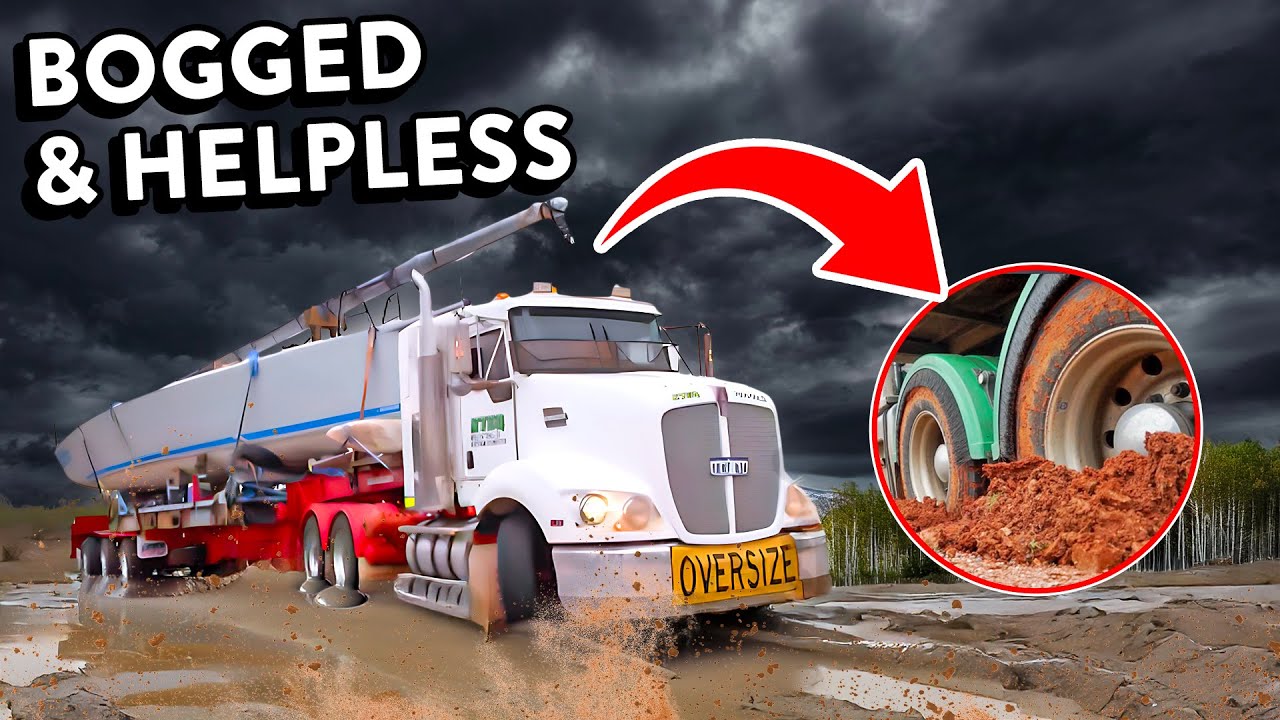
The 25-tonne Kenworth, a $300,000 carbon-fibre racing yacht and a 4,500 km outback run make a stark reminder: when you move fragile, oversized freight the chain of responsibility; CoR is not optional — it’s central to every decision on the road. This account follows Mack, a 30-year veteran haulier, as he moves Allegria across Australia and manages a string of technical, environmental and human challenges.
Table of Contents
- The load and the stakes
- Loading Allegria: millimetre work
- On the road: pilot, lost straps and narrow margins
- Climb, temperature and improvisation
- Bogs, detours and long flat roads
- Nullarbor, caravans and the finish
- FAQ
The load and the stakes
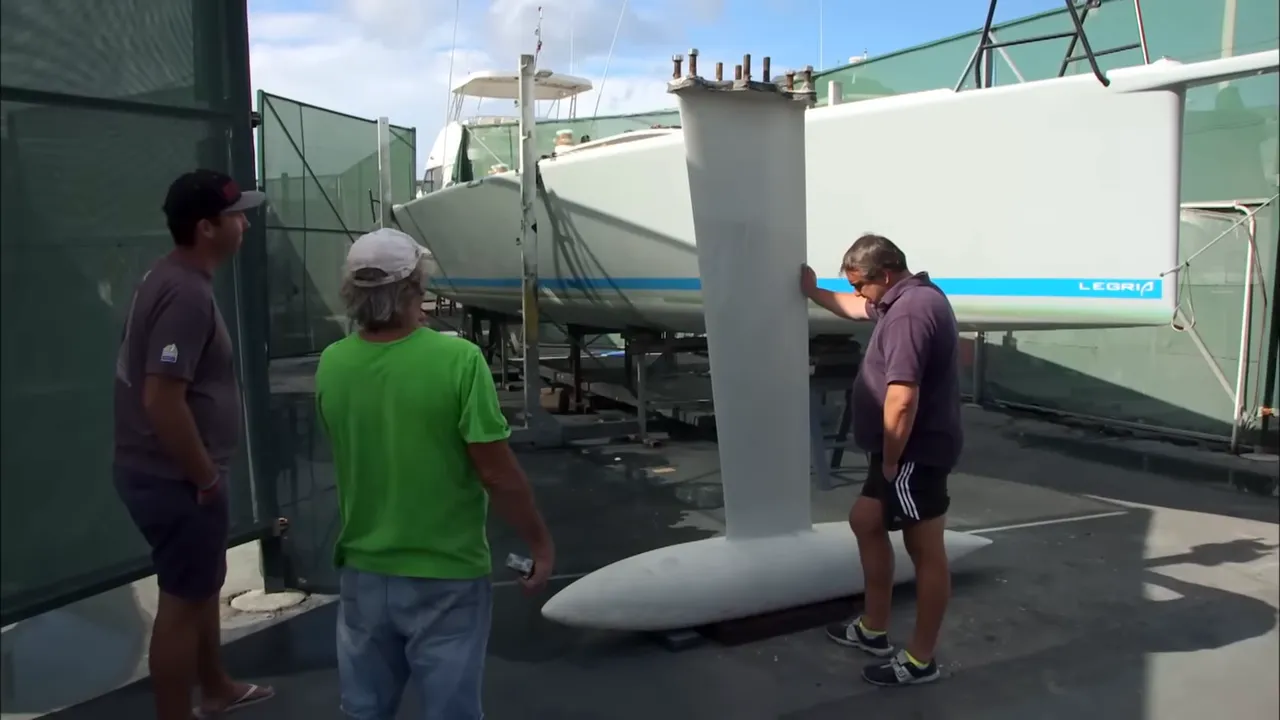
Mack’s cargo is Allegria — a lightweight racing yacht whose hull and mast make it highly vulnerable to impact, vibration and improper restraint. The initial lift highlights how small oversights become big risks: slings too long, a 13-tonne hull leaning during handling, and the frantic search for perfectly placed supports before daylight ran out.
Loading Allegria: millimetre work
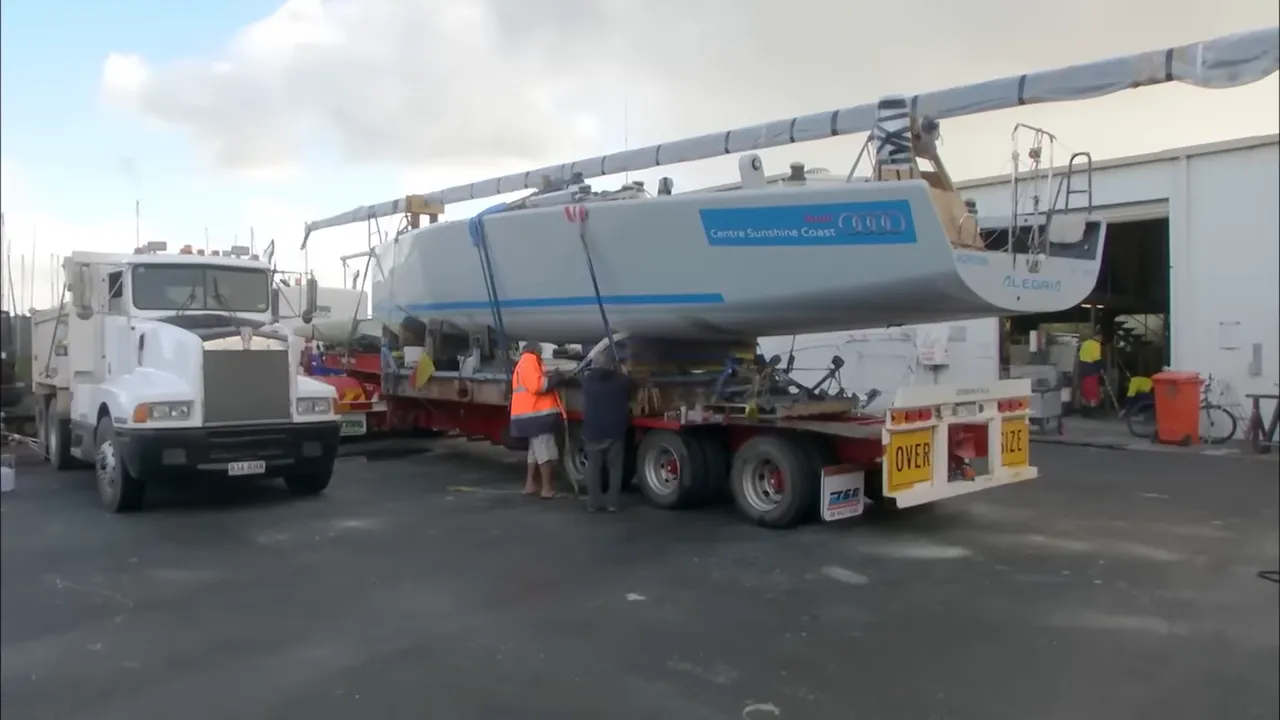
With a one-ton keel already on board, positioning the carbon-fibre hull required millimetre accuracy. The bow threatened to hit the bulbous keel and a last-minute retreat, push and re-seat sequence was needed. The rig ended up 25 metres long, 4.3 metres high and nearly four metres wide — dimensions that demand careful planning, permits and a clear understanding of the chain of responsibility; CoR from owner to operator to pilot.
On the road: pilot, lost straps and narrow margins
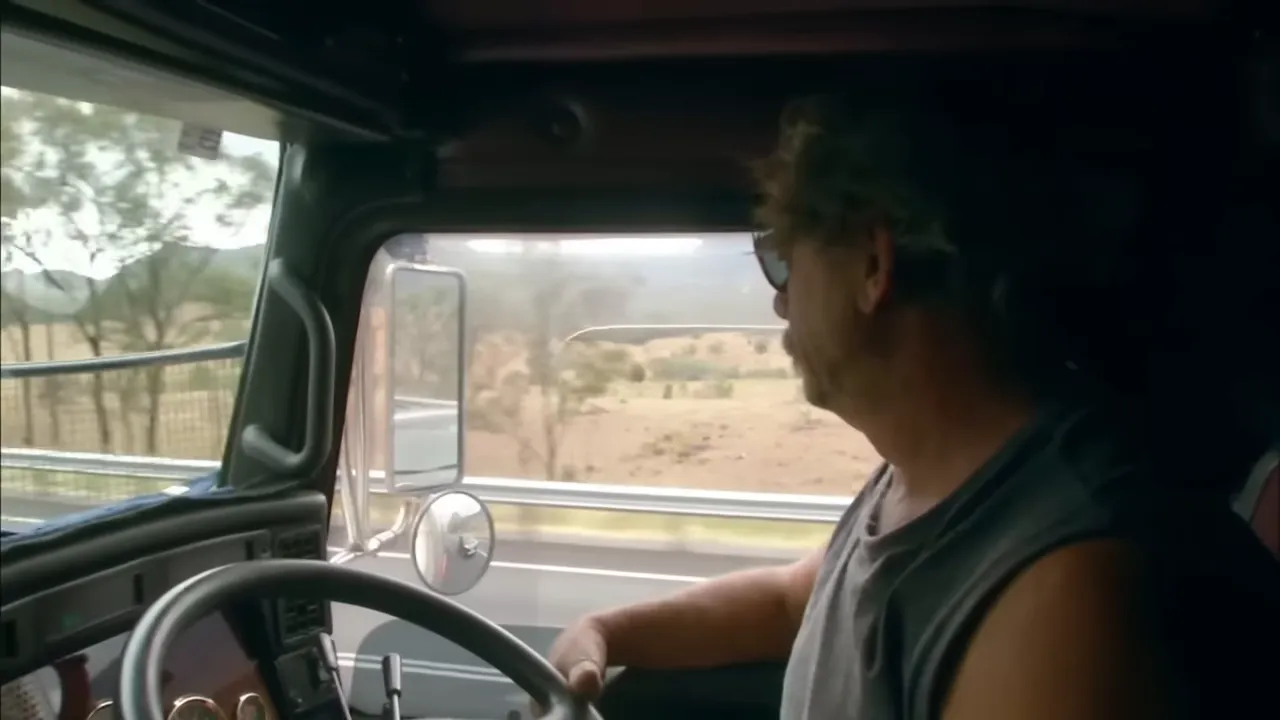
Over seven days Mack drove with pilot Andy. Early into the trip a strap came loose as the mast bounced over uneven surfaces. Decision-making under pressure — pulling off a busy highway, securing the load and keeping traffic safe — is exactly where the chain of responsibility; CoR comes into play: ensuring the load is secure, the route is suitable and risks are managed.
Climb, temperature and improvisation
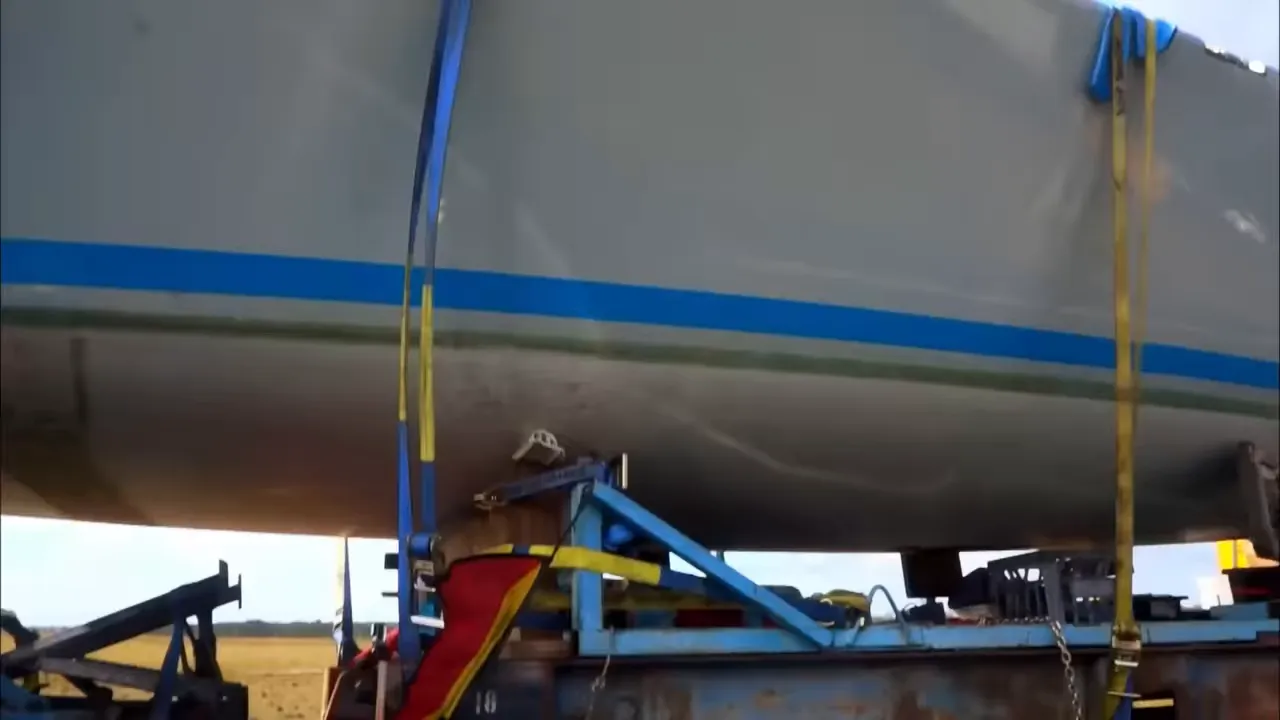
Crossing the Great Dividing Range pushed the engine to its limits. With turbo noise spiking and temps climbing, the truck crawled to the summit. A post-climb check revealed the hull had crept forward — dangerously close to the keel. Mack used a car jack in a remote, wet truck stop to raise one side, then the other, balancing near-failure risk against the need to keep the hull intact.
Bogs, detours and long flat roads
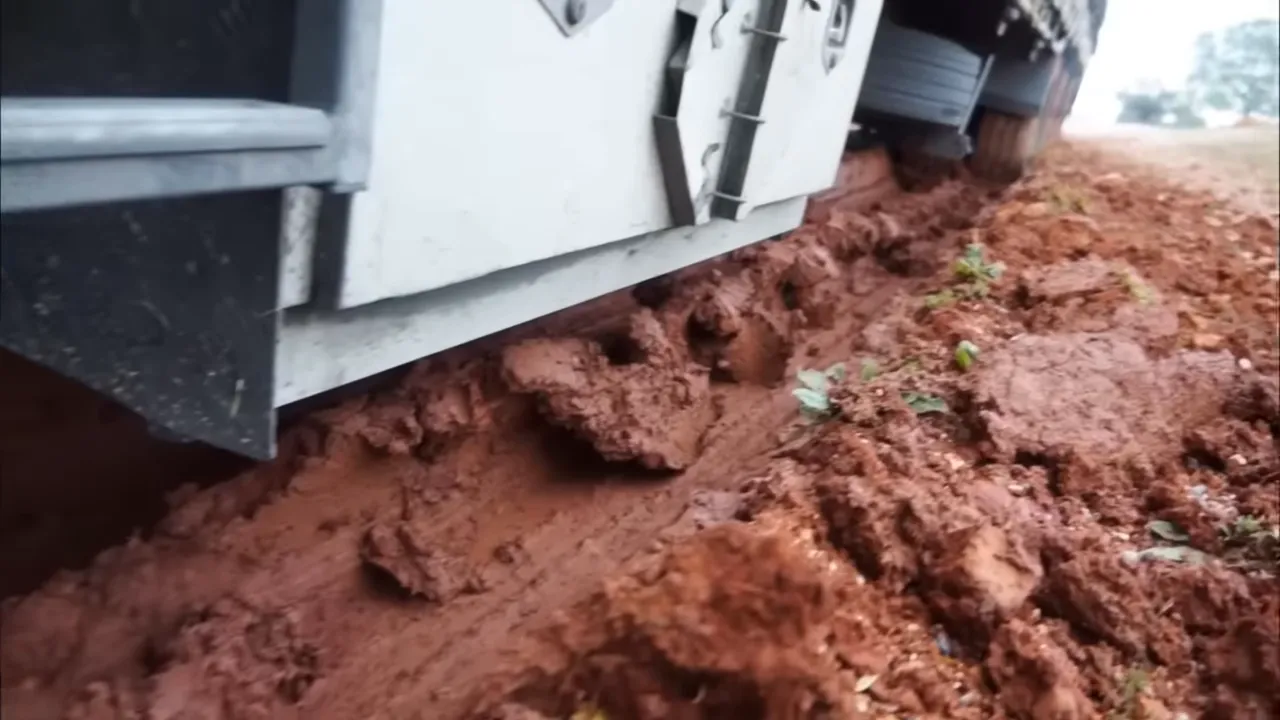
Heavy rain, soft roadside ground and closed routes forced detours onto unfamiliar back roads with low powerlines and soft shoulders. A saturated pull-over required a two-ton 4WD to drag a 25-ton truck from the mud — and later a stranded 80-ton road train highlighted the limits of on-the-spot assistance. Every deviation added delay; as an oversized load limited to daylight and 80 km/h, time lost couldn’t easily be reclaimed.
Nullarbor, caravans and the finish
Across the Nullarbor, visibility issues and caravan behaviour created recurring near-miss moments. Mack’s experience and conservative choices kept Allegria safe, and after city approach the yacht was delivered intact to its owner, Abby — a successful end to a high-stakes journey.
Key takeaways
- Pre-load checks and correct lifting gear are mission-critical.
- Pilot/escort coordination is essential for oversized loads.
- Weather, road surface and unexpected detours can erase schedule buffers — plan for contingency.
- Understanding the chain of responsibility; CoR ensures roles and liabilities are clear before problems occur.
FAQ
What is the chain of responsibility; CoR?
The chain of responsibility; CoR is the legal concept that responsibility for transport safety is shared across all parties in the transport chain — consignors, loaders, operators, drivers and pilots — not just the driver.
Who is responsible for load security?
All parties: the owner/consignor must ensure the goods are properly packaged and declared; the loader must secure and balance the load; the operator must provide suitable equipment and route planning. The chain of responsibility; CoR means these responsibilities are enforceable.
How can drivers manage risks like those Mack faced?
Use certified lifting gear, complete a documented restraint plan, travel with a qualified pilot for oversize loads, monitor engine and tyre conditions on climbs, and always choose a safe place to stop. Awareness of the chain of responsibility; CoR guides who must act and when.
Where can I learn more?
Watch the original Outback Truckers episode for a visual briefing, and consult local heavy vehicle regulator guidance on load restraint and permits to understand practical obligations under the chain of responsibility; CoR.
Credits: Original video by Outback Truckers. For the full journey, watch the clip embedded above.
This article was created from content published by https://www.nhvr.gov.au/. Visit the site for latest and current information.


