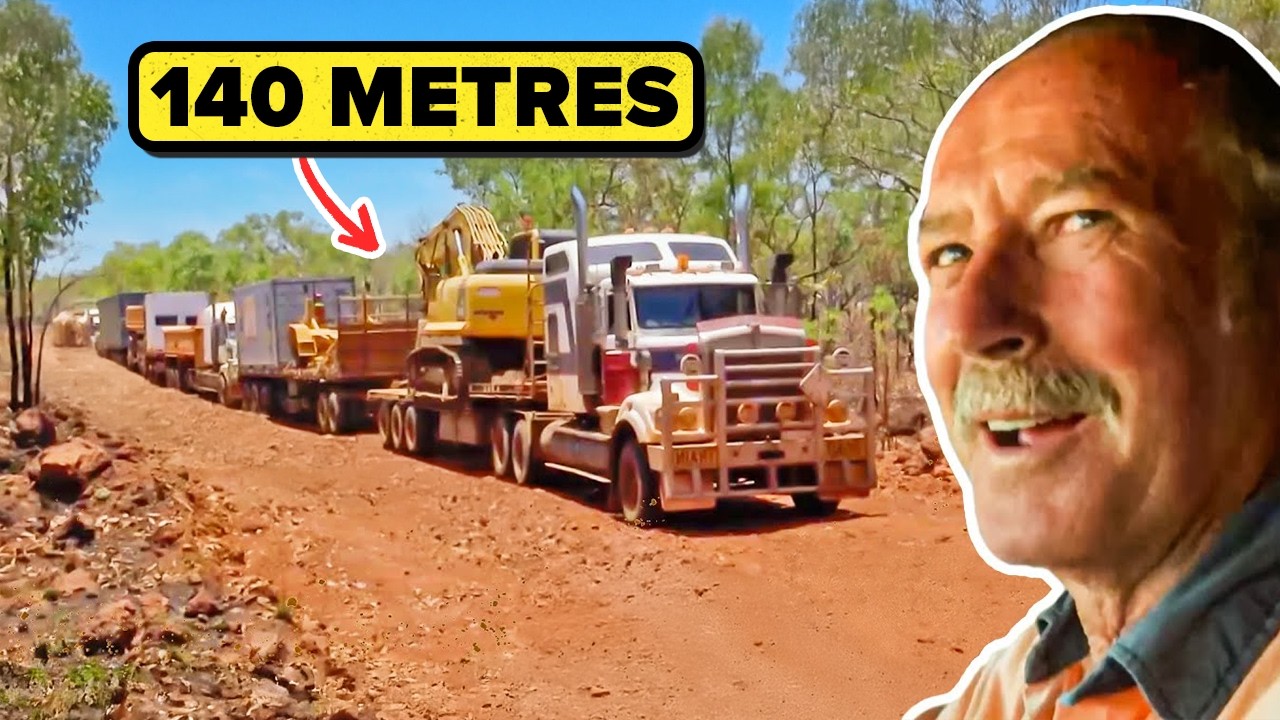
Outback legend Steve Grahame takes on a mammoth haul into Australia's tropical north, racing the wet season to deliver urgently needed building materials to the remote community of Colomberoo. This story is a mix of careful planning, muscle and improvisation — and a reminder that the chain of responsibility; CoR matters as much in the bush as it does on sealed highways.
Table of Contents
- Overview: the mission and the risk
- Road conditions: clay, corrugations and jump-ups
- Teamwork and horsepower: how multiple rigs win the day
- When things go wrong: tow bar snap and the secret weapon
- Loading, reloading and the pressure to beat the wet
- Key takeaways for operators and drivers
- Conclusion
- Credits
- FAQ
Overview: the mission and the risk
Steve's run is billed as a 4,000km epic (the narrator also refers to a 3,000km leg during the journey). Either way, it's a long, remote haul with a ticking clock: the wet season is building and if the road closes the freight — and Steve's income — could be stuck for months. He loads building materials and extra ballast (heavy concrete) to stabilise his rig, then heads north on a five-day haul with another veteran, Steve Kirkham, joining for company and support.
Road conditions: clay, corrugations and jump-ups
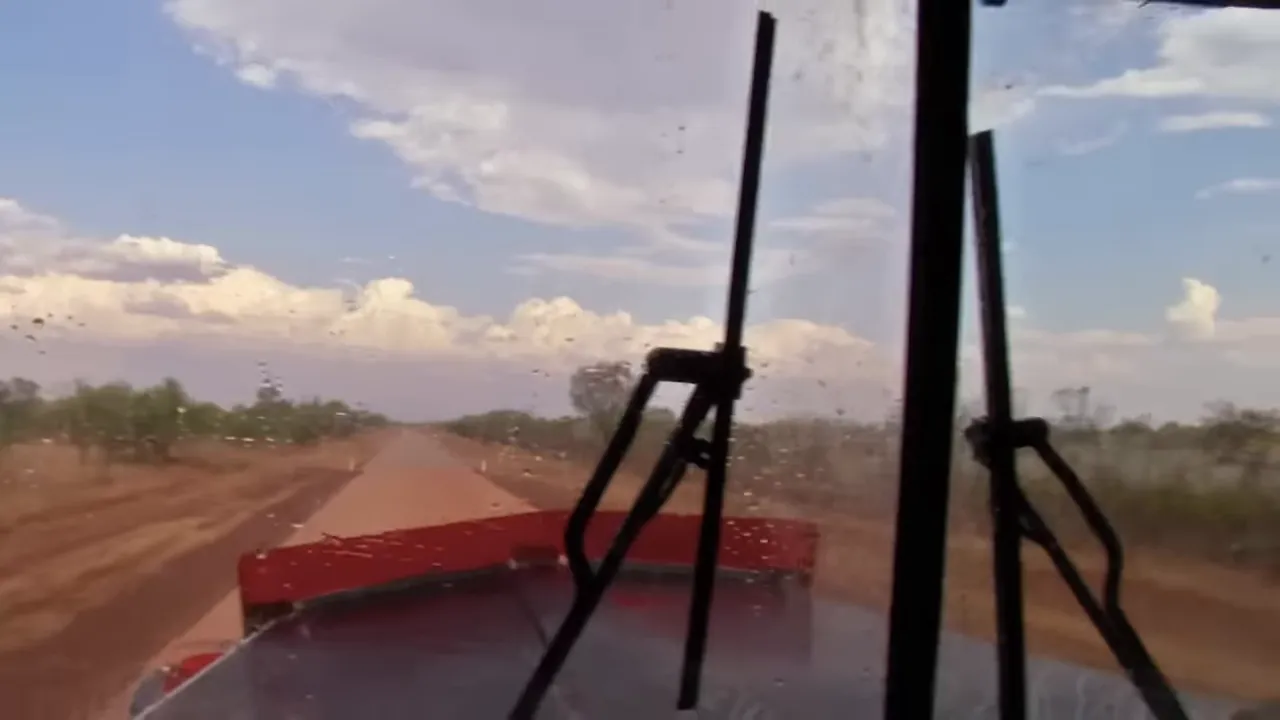
The trip exposes the classic hazards of outback tracks: saturated clay that slips, deep corrugations that beat the load to pieces, and steep, broken hills the drivers call "jump-ups." Steve describes a stretch where he must crawl at walking pace (about 4 km/h) for five kilometres because of corrugations and mud. Those slow kilometres cost time and test straps, chains and drivers' nerves.
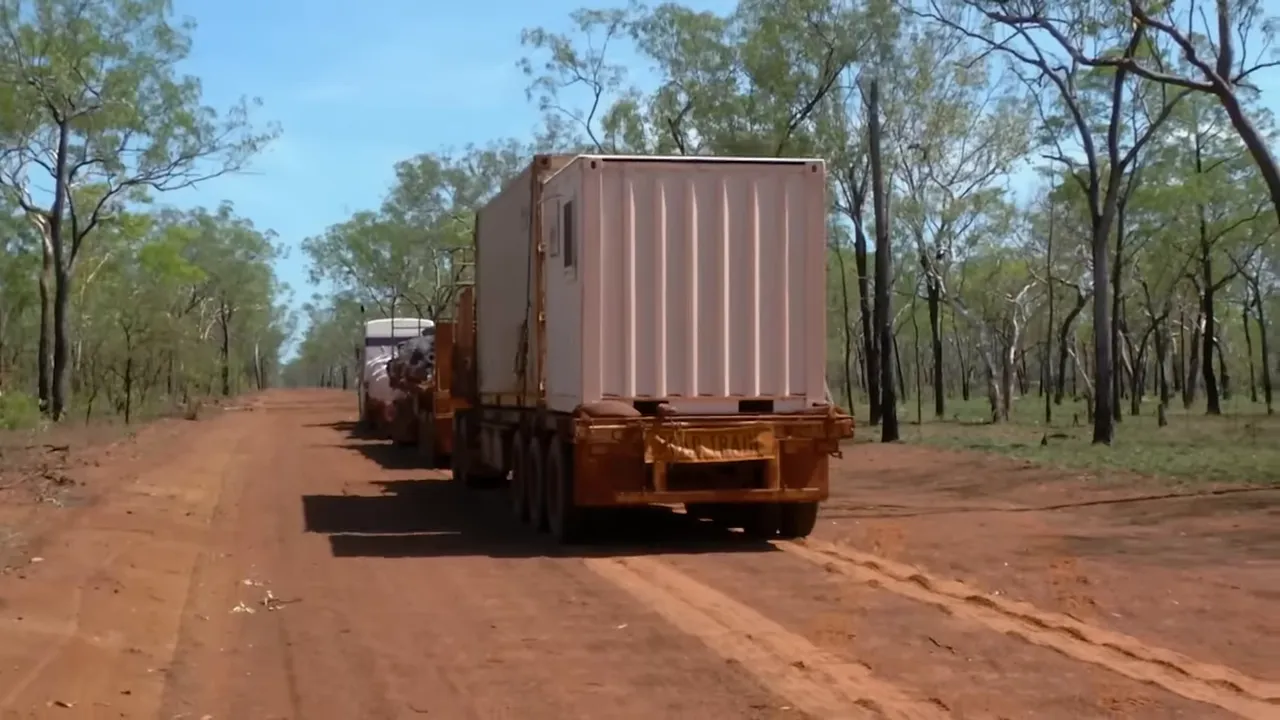
"Part of my business is based on that commitment to delivery no matter where you are. You've got to make a living and you can't not go because it might rain."
Teamwork and horsepower: how multiple rigs win the day
To handle the worst jump-ups the crews hook rigs together. In one critical section they form a combined road train more than 140 metres long: three prime movers, roughly 1,600 horsepower, and some 300 tonnes of trailer and cargo to pull. That level of coordination is high-stakes — a snapped tow bar or a failed brake on a hill could send trailers sliding.
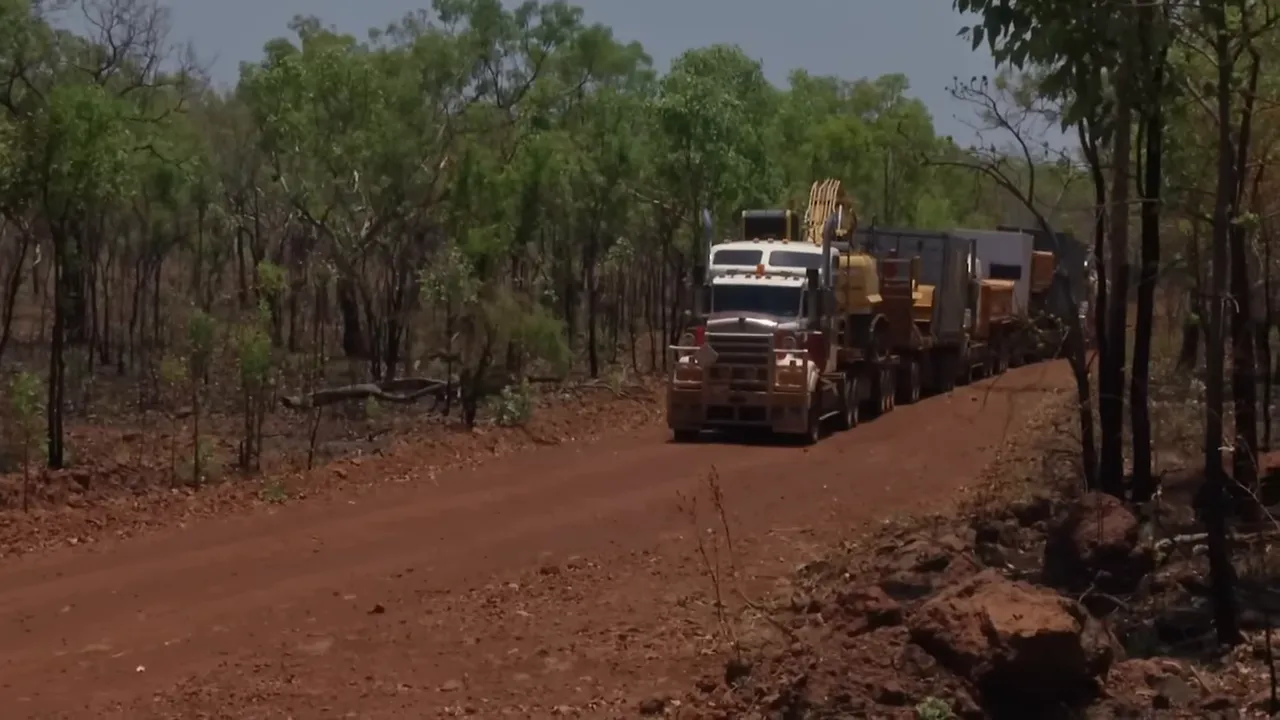
Because the convoy is effectively shared control over a single heavy unit, responsibilities are pooled. That means decisions about loads, tow bars, diff locks and braking require clear roles and mutual trust. It’s a practical, on-the-ground example of why obligations under the chain of responsibility; CoR are relevant for remote haulage: every person who influences the transport outcome shares a duty to manage risk.
When things go wrong: tow bar snap and the secret weapon
Even with preparation, things can break. As the convoy crests a steep rise, the tow bar connecting the third truck snaps and a ring breaks. A loaded trailer stranded on a slope with air-holding brakes is a serious hazard. The crew switch tactics: weaker chains, re-hooking, and direct mechanical assistance.
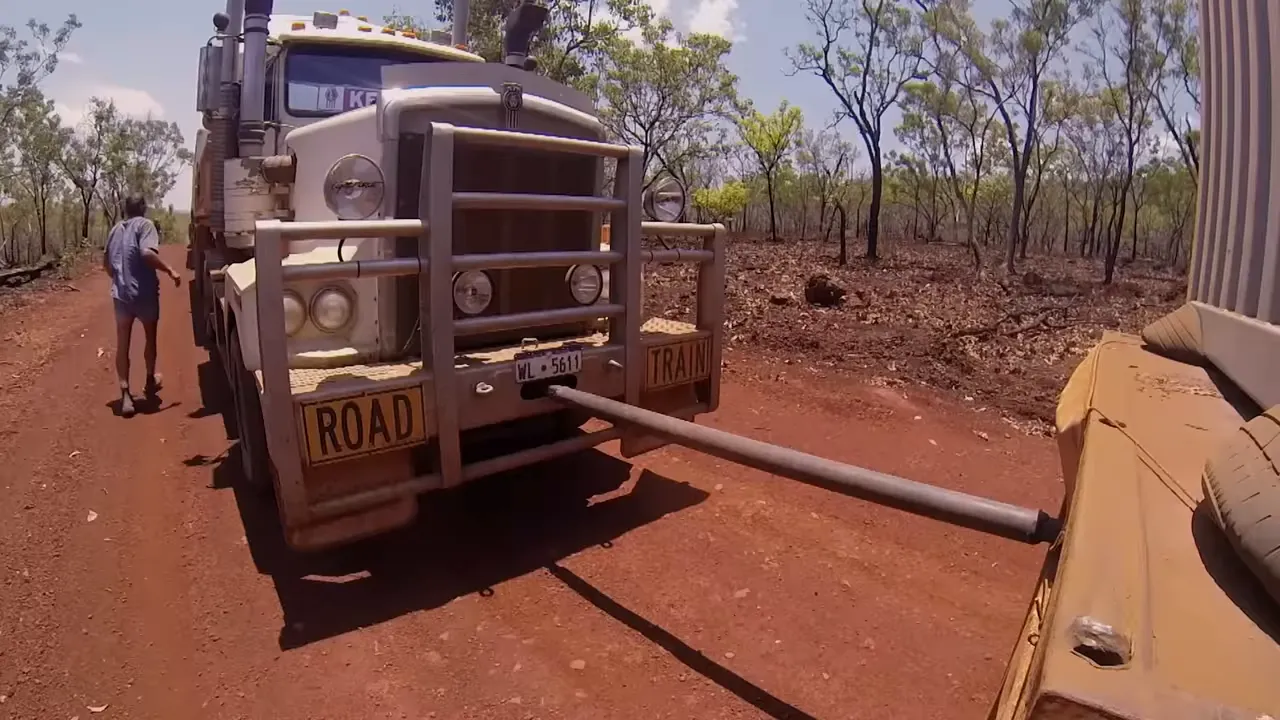
Steve's "secret weapon" is an excavator packed to be used as recovery power if they get stuck. When another trailer (the Bishop's boat) begins to slip off its cradle, the excavator provides the leverage the three road trains alone can't muster. That kind of contingency planning — bringing heavy recovery gear on the job — underlines the operational responsibility each party takes to keep people and freight safe and mobile.
Loading, reloading and the pressure to beat the wet
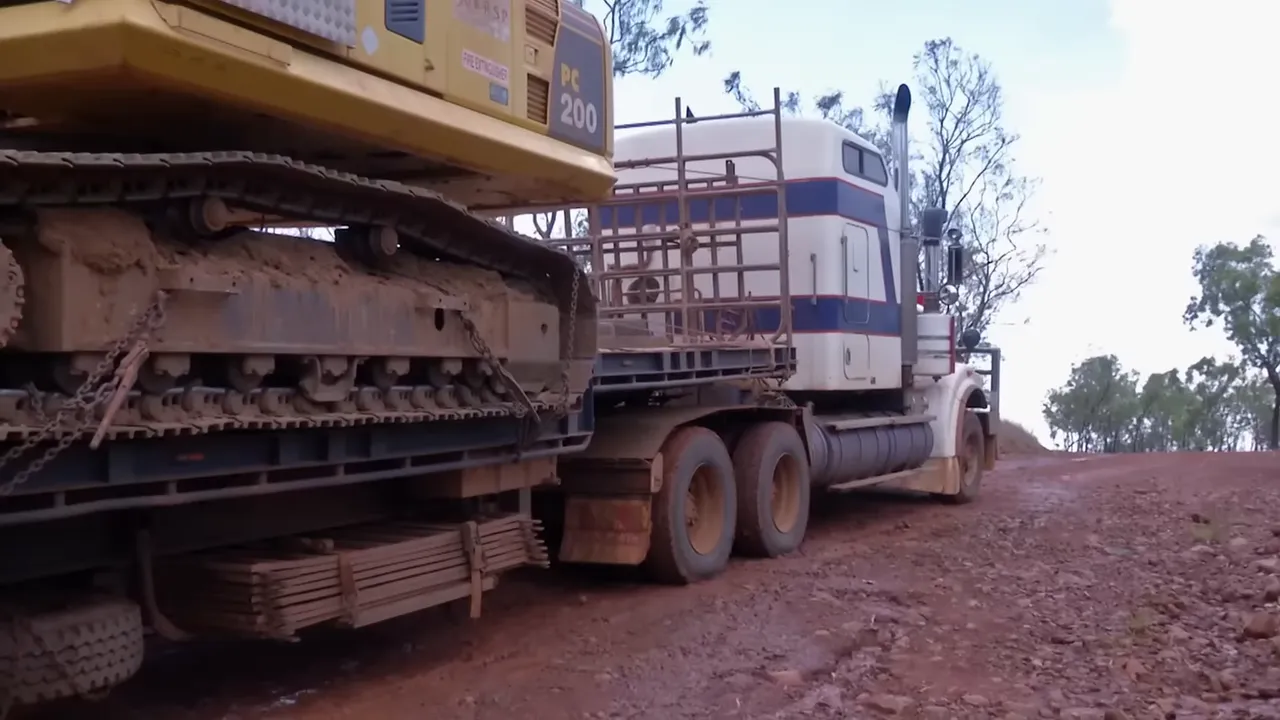
At Colomberoo the locals are desperate to get plant and attachments out before the rains close the road. Steve squeezes excavator parts, cable rollers and containers onto the trailers with expert load-stacking — a tight, physical skill the crew jokingly call "Houdini of Freight." But tight fits and mixed loads raise other concerns: restraint, weight distribution and securing gear for the long, rough trip back.
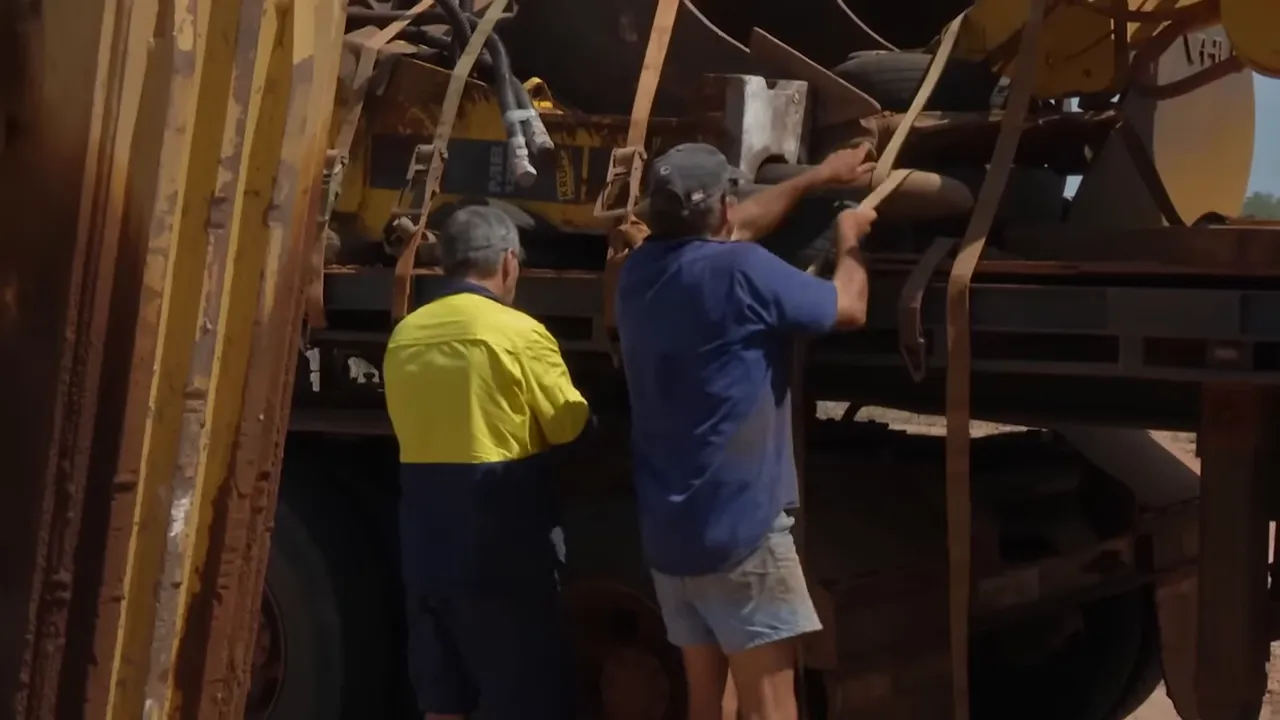
Those choices — what to clump together, how to balance weight, what recovery gear to carry — are exactly the decisions that feed into the chain of responsibility; CoR. Operators, loader crews and drivers all influence safety outcomes through those load and restraint decisions.
Key takeaways for operators and drivers
- Plan for the worst: bring recovery gear (chains, excavator or winch) if you operate in remote or seasonal roads.
- Use team runs for hazardous stretches: hooking rigs together distributes traction and reduces single-rig failure risk.
- Secure loads to withstand corrugations and sudden pitch changes; a loose strap can cascade into bigger failures.
- Communicate roles clearly when multiple parties influence the job — that’s the operational heart of the chain of responsibility; CoR.
- Monitor weather and road reports constantly; delaying departure by hours can be the difference between a successful round trip and months of being rained in.
This trip shows the human side of remote logistics: years of experience, improvisation and a blunt appreciation for risk. It also demonstrates that compliance and safety culture — how people anticipate, prepare and respond — are not abstract rules but practical survival tools on the road.
Conclusion
Steve Grahame's gruelling run north is more than a trucking adventure; it’s a case study in real-world risk management where engineering, crew coordination and contingency planning combine to keep freight moving. From snapped tow bars to excavator rescues, every event reinforces the need for clear authorities and shared accountability. That’s why the principles behind the chain of responsibility; CoR are essential for operators working in remote, weather-exposed environments.
Credits
Original footage and story by Outback Truckers. This article summarises and expands on the on-screen narrative to highlight operational lessons for drivers, operators and support crews.
FAQ
Q: What is the single most important preparation for a wet-season outback haul?
A: Carry recovery equipment and contingency power (chains, winch, excavator if feasible), and plan to travel with other rigs. These are practical steps that reflect obligations under the chain of responsibility; CoR.
Q: Why do crews hook multiple road trains together?
A: Hooking rigs spreads traction and power, allowing heavy loads to climb steep jump-ups that a single rig couldn’t manage alone. It requires precise communication and shared responsibility — operational aspects of the chain of responsibility; CoR.
Q: How do crews manage load security on rough outback roads?
A: By careful stacking, redundant straps and continuous inspections en route. Securing mixed items (machinery parts, containers, concrete) is part of an operator’s duty under the chain of responsibility; CoR.
Q: Where can I watch the full journey?
A: The full episode is available from Outback Truckers; watch the embedded video above to see the climbs, the recovery and the teamwork that got Steve out of the wet-season trap.
This article was created from content published by https://www.nhvr.gov.au/. Visit the site for latest and current information.


