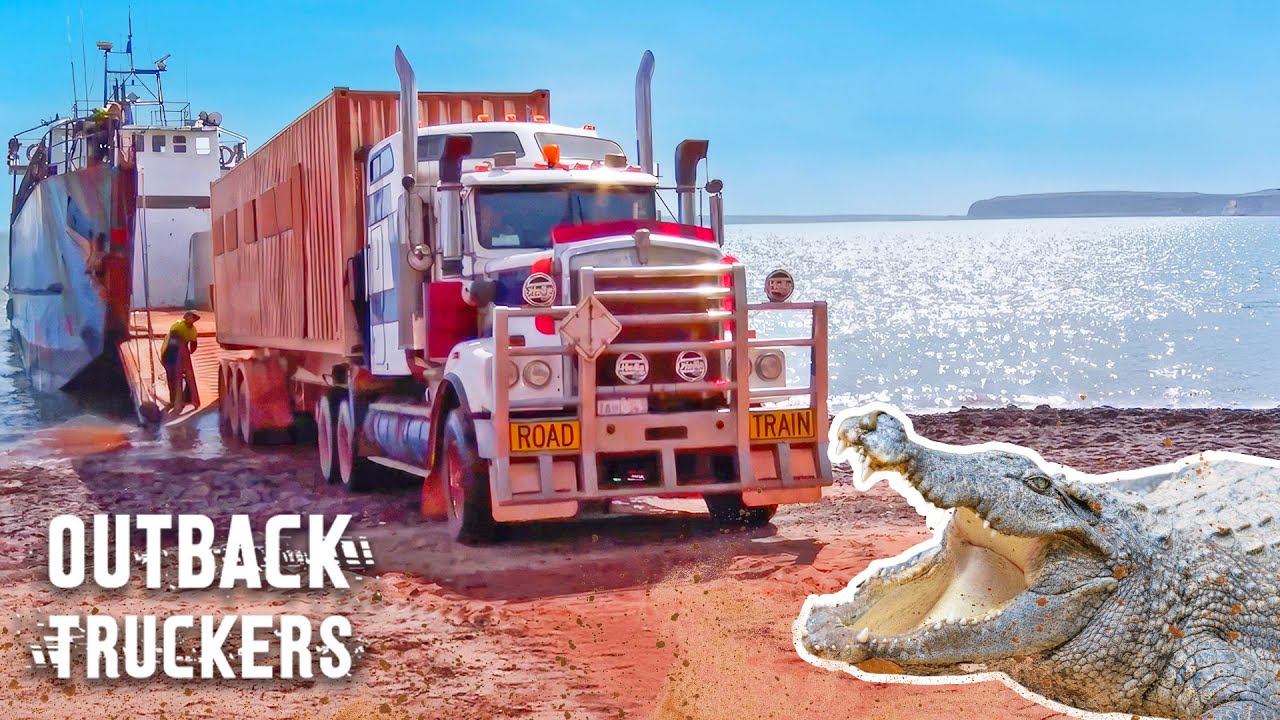
This article breaks down the Outback Truckers episode that followed Steve Grahame on a 4,800–5,000 km mission into Arnhem Land. It examines the mechanical dramas, tidal gambles and remote unloading that put lives, freight and timelines at risk — and why the chain of responsibility; CoR matters for every party involved in such remote deliveries.
Table of Contents
- At a glance: the run, the cargo and the stakes
- Early glitches: a 20-cent fuse and an aircon repair
- The big breakdown: crane hydraulics and a spare tyre disaster
- Bush repair: Brad’s improvised fix
- Barges, tides and millimetres of margin
- Island roads: corrugations, sand and a tropical traffic jam
- The final lift: precision on a soft shoreline
- Key takeaways for operators and managers
- FAQ
- Final word
At a glance: the run, the cargo and the stakes
Steve leaves Perth with $350,000 of solar equipment packed into 40-foot containers. The destination: two isolated communities that will for the first time get 24/7 electricity. The trip involves 2,000 km of bitumen, hundreds more on corrugated dirt roads and two crucial barge transfers. Miss a tide and the cost is more than hours — it’s thousands of dollars and weeks of delay. Throughout, the chain of responsibility; CoR hangs over every decision — from hire gear condition to the skipper’s choices at the barge ramp.
Early glitches: a 20-cent fuse and an aircon repair
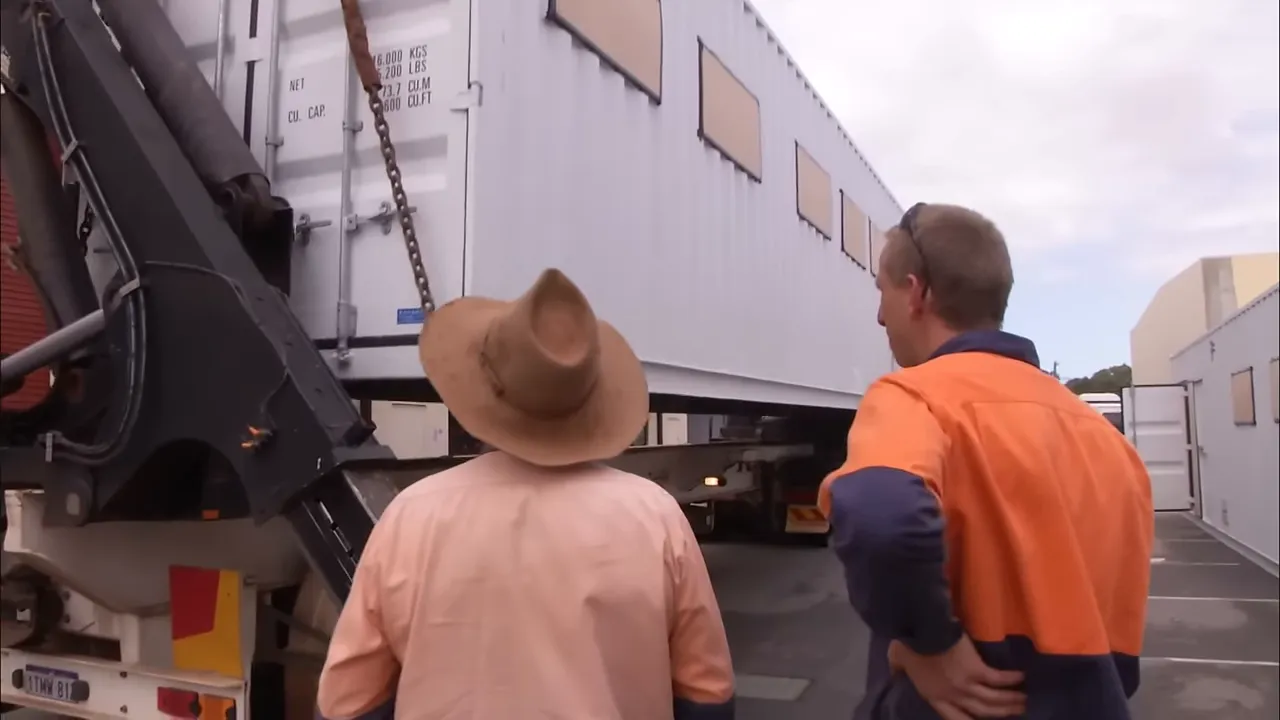
Before Steve leaves the depot a tiny electrical fault threatens to stop the whole run. A 20-cent, 20-amp fuse holds up the crane controls — replace it and the truck can load. Later, a failing air conditioner forces a costly half-day stop. These early setbacks show how frontline operators and managers must consider the chain of responsibility; CoR when hiring equipment and scheduling windows for critical tides.
The big breakdown: crane hydraulics and a spare tyre disaster
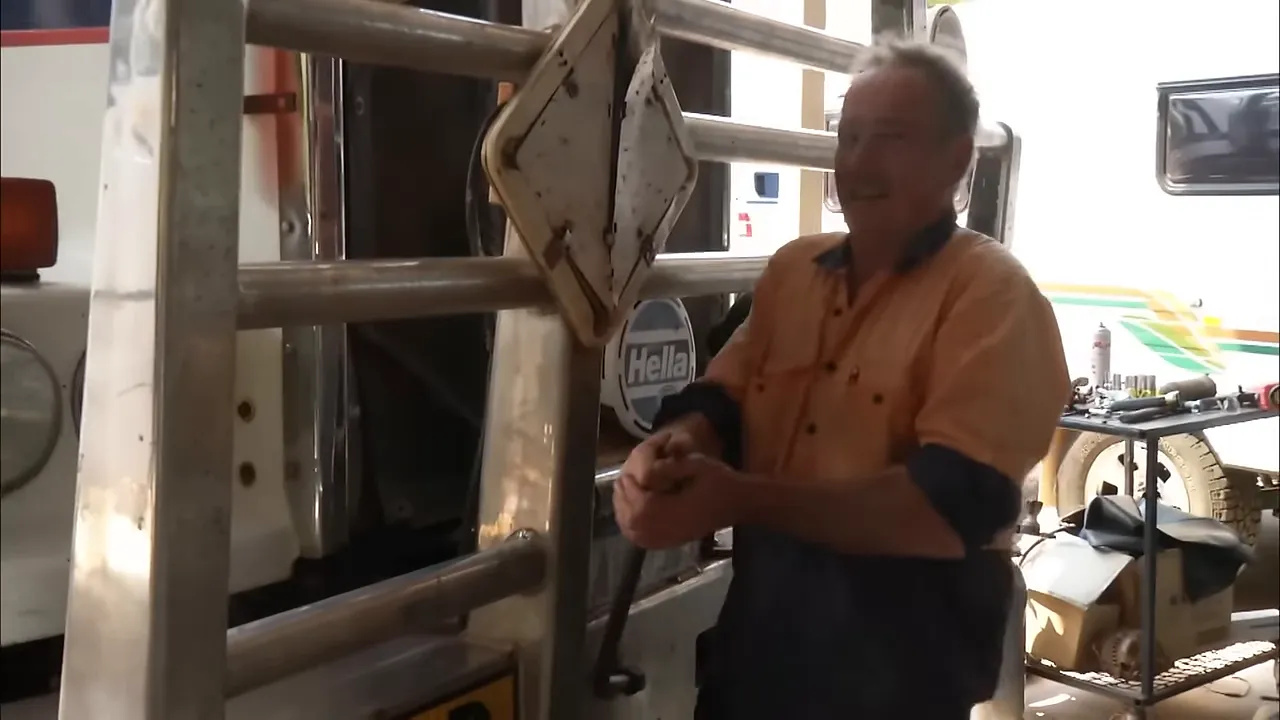
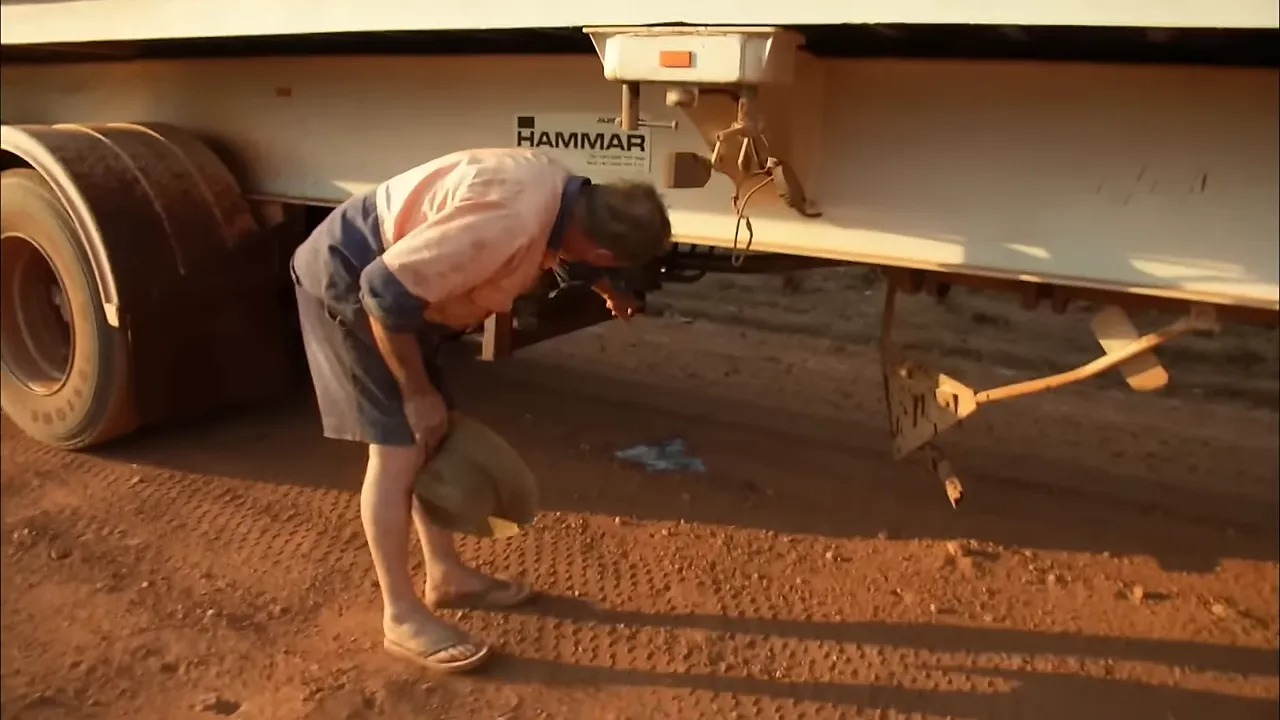
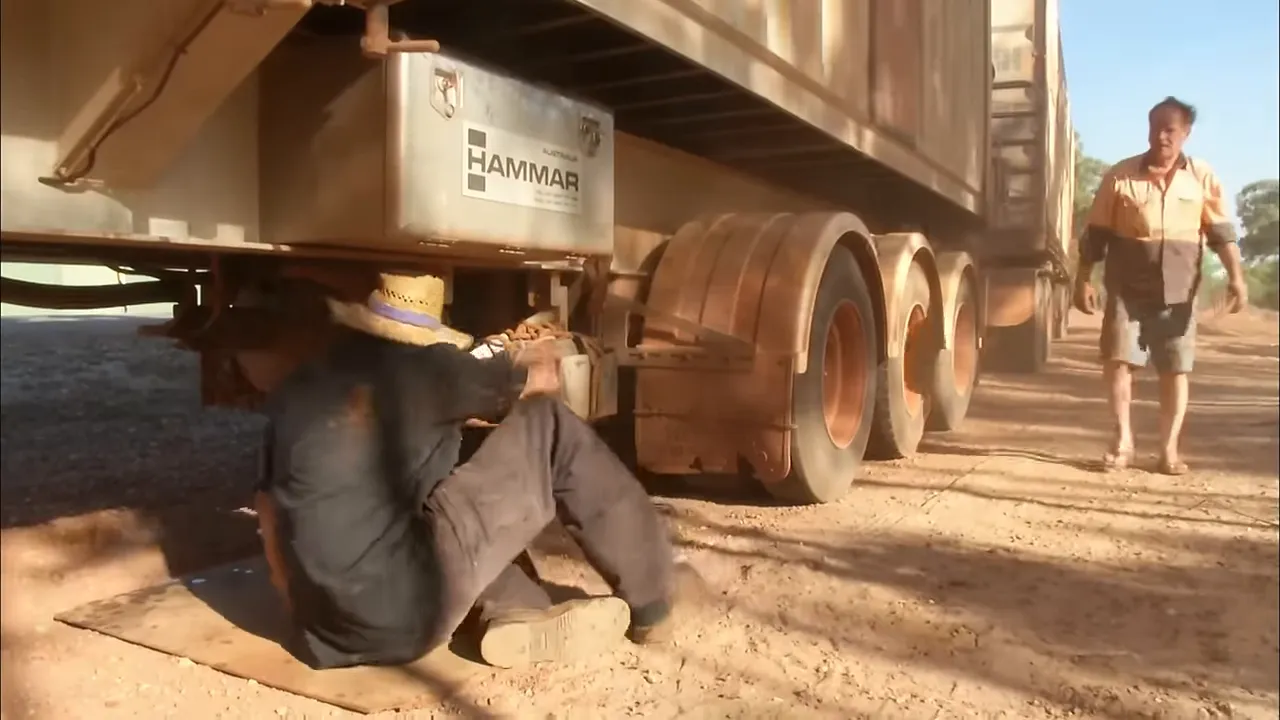
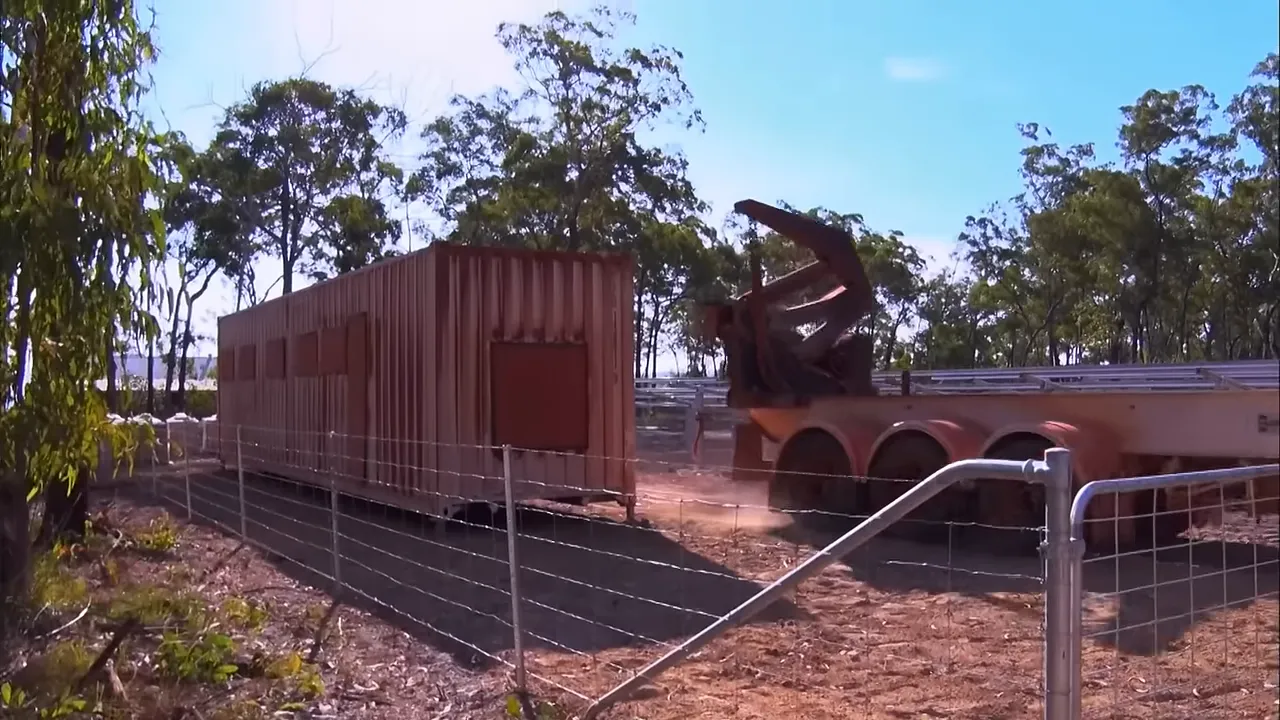
On dirt near the Goida River the spare tyre carrier collapses and smashes hydraulic lines and the crane’s air intake. The hired crane’s engine is badly damaged — without it Steve cannot unload. Alone in Arnhem Land, the temporary fix is risky and depends on local ingenuity. The episode highlights how equipment maintenance and inspection link directly to the chain of responsibility; CoR: the party providing the hire gear, the contractor transporting freight and the consignor all share duties to manage risk.
Bush repair: Brad’s improvised fix
A local mechanic called Brad rigs a field repair. They pump the last drum of hydraulic oil, trim a jammed cooling fan with an electric saw and jury-rig mounting points. It’s not pretty, but it works — and time becomes the enemy. This moment underscores a practical truth: in remote operations, competent local support and contingency planning are part of meeting the chain of responsibility; CoR obligations.
Barges, tides and millimetres of margin
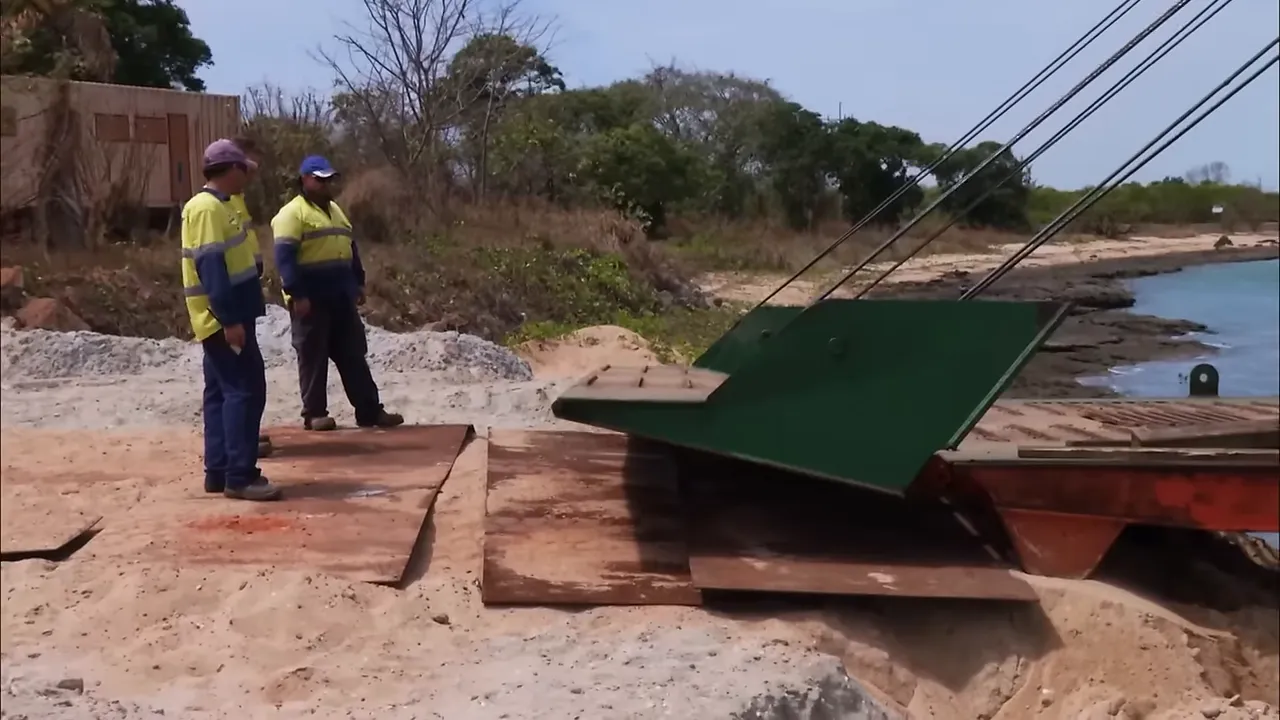
With the crane running again, Steve races to catch a high tide. Boarding a 50-ton road train onto a barge requires millimetres of precision. The skipper must push engines full bore to hold the barge in place while Steve reverses on — any mistake could send the rig into croc-infested waters. The scene is a reminder that marine operators, drivers and consignors must coordinate under the chain of responsibility; CoR to protect people and freight.
Island roads: corrugations, sand and a tropical traffic jam
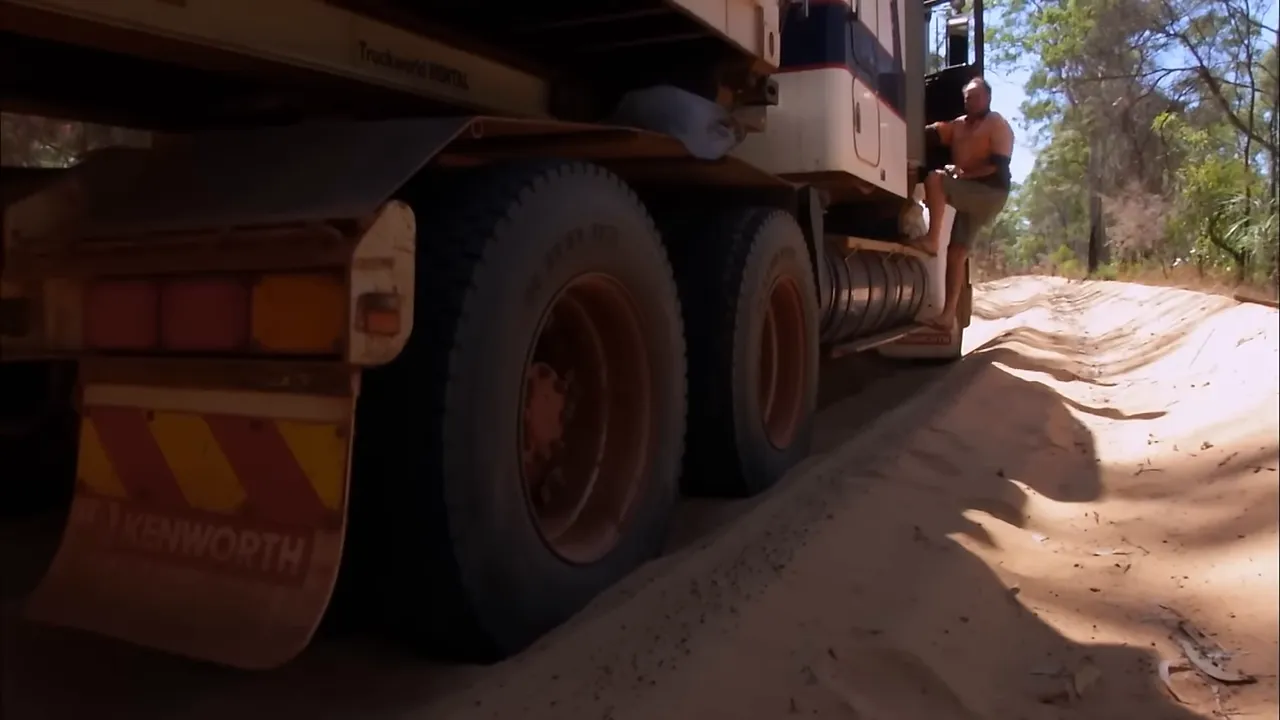
After the ocean crossing, jungled tracks and razor corrugations slow progress to walking pace. Soft sand bogs the truck and Steve deflates 22 tyres to gain traction, while locals and kids look on. Every stop is a safety check on the patched crane engine — the entire delivery depends on that single machine. This is where operational decisions, driver fatigue and equipment suitability intersect with the chain of responsibility; CoR responsibilities.
The final lift: precision on a soft shoreline
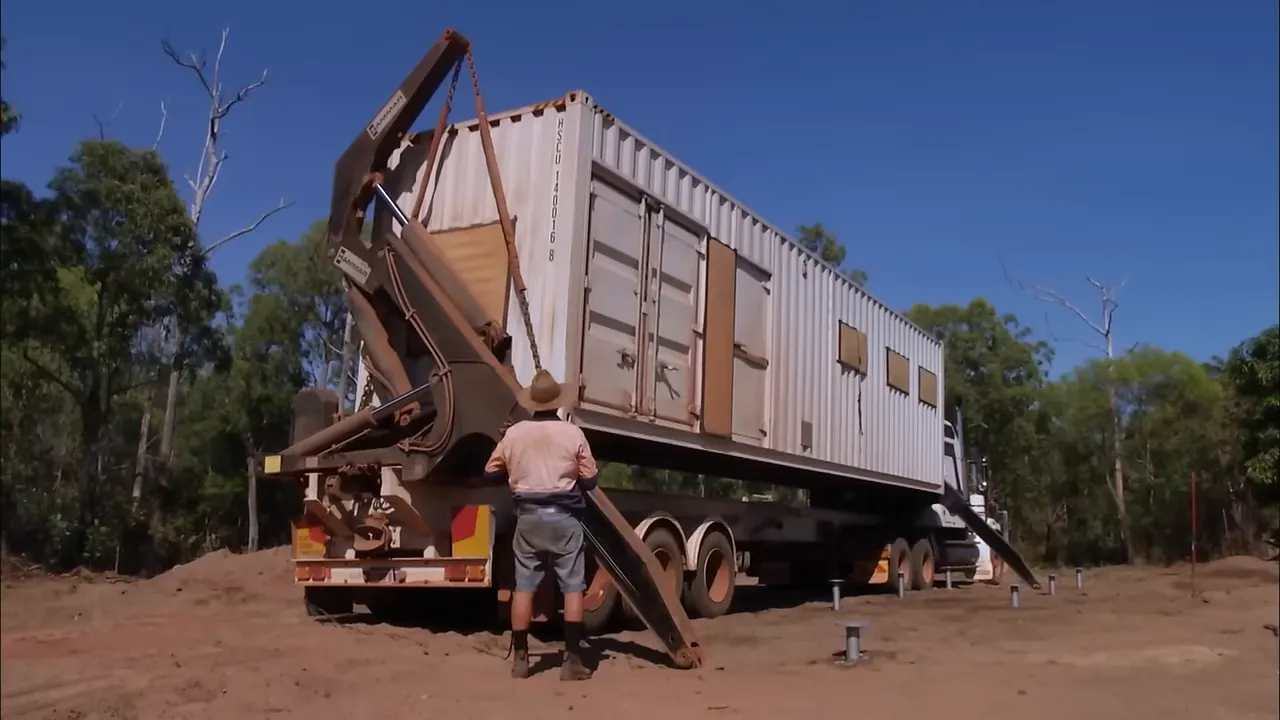
After weeks of effort, the crane works and the container is lowered into place beside the new solar framework. The community celebrates: power from sunset to sunrise becomes a reality. But there’s one more container to go — and road access is impossible. Steve must chase another barge and repeat the same high-stakes choreography. Each of those repeat moves is a practical example of why the chain of responsibility; CoR must be considered before, during and after transit.
Key takeaways for operators and managers
- Pre-trip inspections and hire-equipment checks reduce single-point failures that trigger chain of responsibility; CoR obligations.
- Contingency planning for tides and local access can be the difference between a delivered job and a stranded rig.
- Local skills and partnerships (like Brad the mechanic and skippers who know the tides) are essential risk mitigators.
- Safe loading/unloading procedures and clear communications across parties uphold the chain of responsibility; CoR and protect communities and crews.
FAQ
Q: What is the chain of responsibility; CoR in remote transport operations?
A: The chain of responsibility; CoR is the principle that assigns duty to all parties who influence transport safety — drivers, operators, consignors, loaders and vehicle hirers. In remote operations this extends to planning for tides, gear condition and local access.
Q: Who is responsible if hired equipment fails during a remote delivery?
A: Responsibility is shared. The hire company must provide serviceable gear, the operator must check and maintain equipment, and the consignor must ensure loads are fit for the planned route — all elements of the chain of responsibility; CoR.
Q: How can small operators prepare for remote risks?
A: Build contingency time into schedules, carry spare parts and tools, form local contacts for emergency repairs and communicate tide and access constraints clearly across your chain of responsibility; CoR.
Final word
Steve’s 5,000 km mission shows how tiny failures — a 20-cent fuse, a loose tyre rack — can escalate into life-or-death problems in remote environments. It also shows how human ingenuity, good local partnerships and clear attention to the chain of responsibility; CoR can get a job back on track. Credit: Outback Truckers for the original footage and storytelling that brought this remote operation to life.
This article was created from content published by https://www.nhvr.gov.au/. Visit the site for latest and current information.


