
Photo by Edwin Rodriguez on Unsplash
Australia’s freight network depends on truck drivers. But a growing shortage, patchy training and anonymous on-air harassment have combined to create a problem that affects road safety, workplace wellbeing and community cohesion. The phrase chain of responsibility, racism indian, the National heavy Vehicle Regulator (NHVR) ties together three threads of the same story: regulatory gaps under the NHVR framework, regular racial abuse directed at Indian drivers, and the responsibility of every business and individual in the supply chain to act.
🚚 Who is affected and how
Many drivers who came to Australia with professional backgrounds in IT, engineering or business are now behind the wheel because overseas qualifications were not recognised. They are filling roles left vacant as experienced drivers retire and fewer young Australians enter the trade.
Migrant drivers report daily abuse over UHF radio, on social media and face-to-face. The abuse is not harmless banter. It is racial vilification that leaves drivers afraid to use essential safety tools and undermines their ability to concentrate on a complex, high-responsibility job.
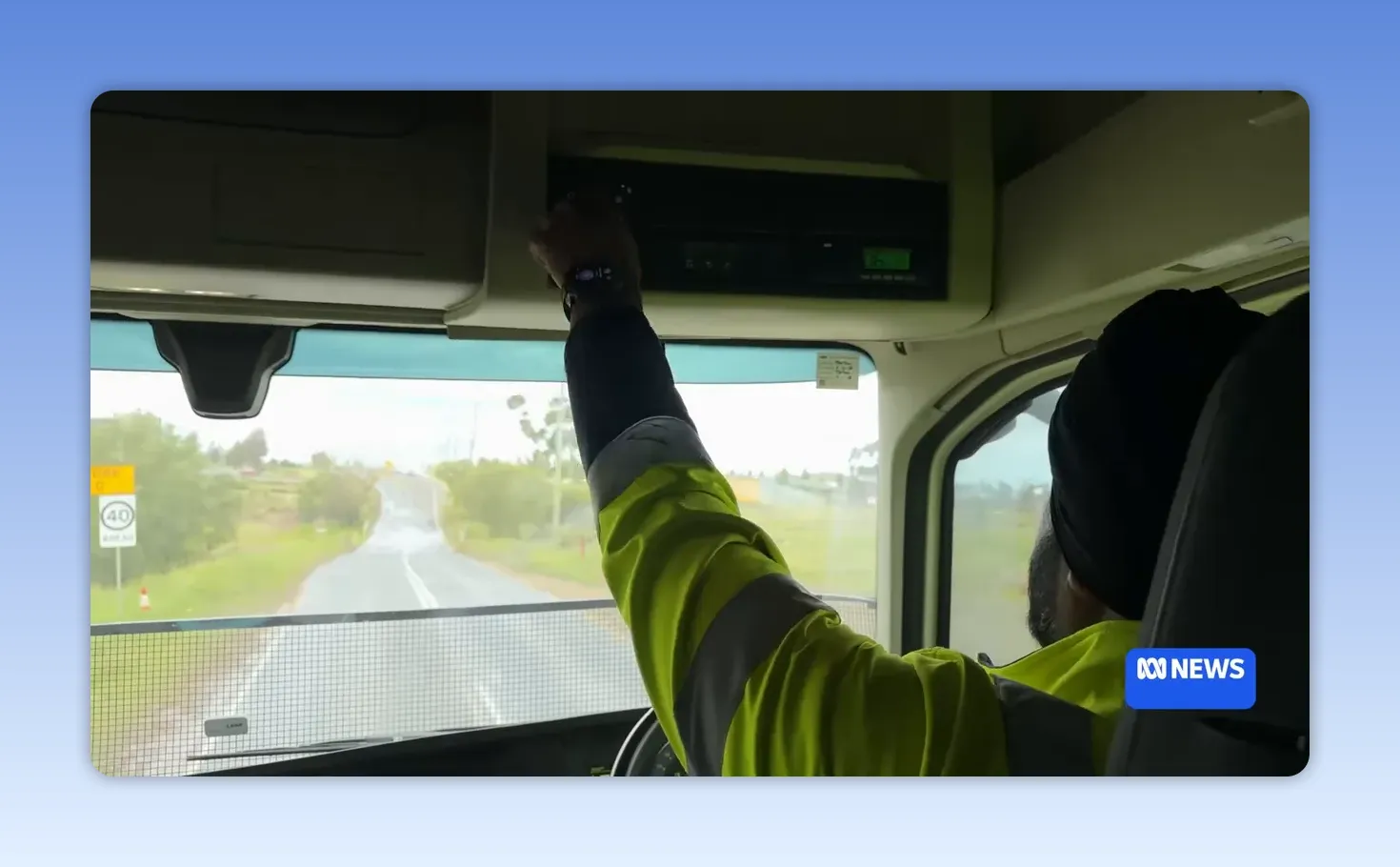
📻 Why UHF radio matters — and why it’s a problem
UHF radios are a safety lifeline for heavy-vehicle drivers. They relay information about accidents, road hazards and lane closures. But because transmissions are anonymous and short range, they have become a platform for unchecked abuse. Drivers with non-Australian accents say they are shouted down, insulted and blamed for any error they may make.
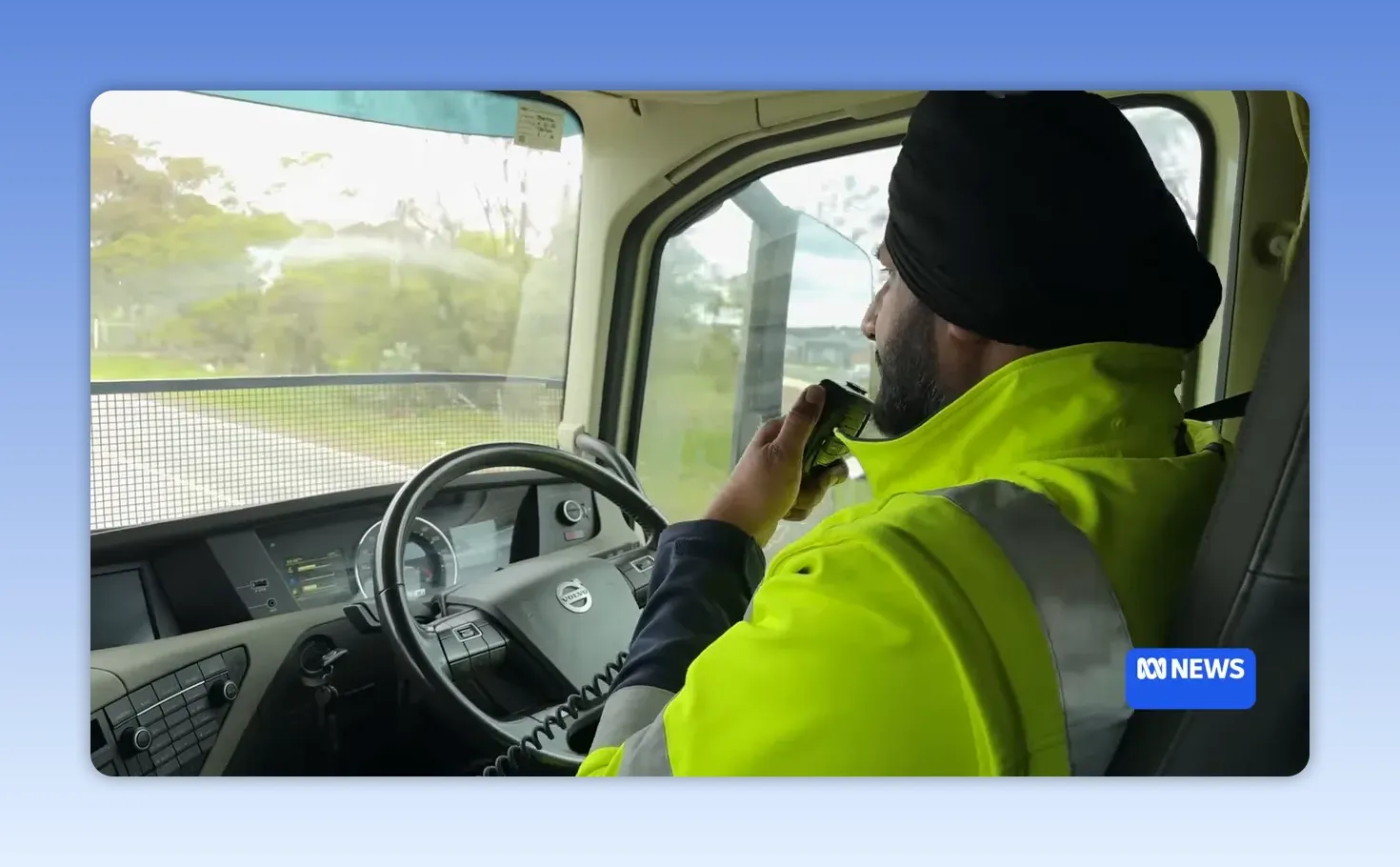
The consequence is practical. Some migrant drivers switch their radios off to avoid being targeted. That reduces situational awareness across the road network and increases risk. This is where the keyphrase comes back into focus: chain of responsibility, racism indian, nhvr. The NHVR and employers are part of a legal and moral chain that should reduce psychosocial harm and keep safety systems working.
🧭 The regulatory landscape (NHVR and beyond)
The National Heavy Vehicle Regulator (NHVR) focuses on heavy vehicle compliance. However, conduct like racial abuse is not straightforwardly policed by the NHVR. Workplace safety duties sit with state regulators and employers, while criminal laws cover racial vilification. In practice, gaps exist.
Why the gaps matter:
- Identification — Anonymous radio transmissions make it hard to identify perpetrators.
- Jurisdiction — Different agencies cover compliance, workplace safety and criminal conduct.
- Employer duty — Companies must manage psychosocial risks but industry practice varies widely.
📈 Industry pressures: shortage, recruitment and training
Australia was short roughly 28,000 truck drivers in the past year. Firms under pressure have lowered hiring barriers, sometimes relying on brief training courses or minimal checks. During periods of acute demand, like the pandemic, some operators prioritised immediate availability over thorough competency verification.
That creates two problems:
- Newly employed drivers may lack adequate practical training for heavy combinations.
- Mistakes by one driver can be unfairly attributed to an entire ethnic group, amplifying racist narratives.
🔗 What chain of responsibility really means here
Chain of responsibility is a legal concept that spreads duty across all parties in the supply chain. Applied properly, it means employers, consignors, loaders and operators share accountability for safe outcomes — including preventing harassment that affects safety.
Practical steps under that principle include:
- Competency checks before people are put on the road.
- Consistent licensing and training standards across states and territories.
- Employer policies that prevent and respond to racial abuse and psychosocial hazards.
🛠️ Possible reforms and what works
Experts recommend clearer accreditation for transport operators, better-funded training programs and stronger, consistent licensing. Accreditation would raise the bar for anyone presenting themselves as a transport company and ensure minimum standards are met.
Small, immediate actions also help:
- Call out racist conduct on air and off it. Silence lets loud abusers set the tone.
- Employers verify competency and provide meaningful practical training beyond one or two day courses.
- Regulators and industry bodies work together to close gaps in reporting and enforcement.
🗣️ The human cost: voices from the road
Drivers tell of humiliating encounters that linger. One driver recalls being spat on after speaking his native language on the phone. Another stopped using the UHF because the torrent of abuse made it impossible to communicate safely. These are not isolated anecdotes; they point to a pattern with safety implications.
📌 Quick checklist for employers and operators
- Verify competency for every driver before assigning interstate or heavy-combination work.
- Record and investigate incidents of racial vilification and support affected staff.
- Ensure training includes practical hours and on-road mentoring, not just classroom or short courses.
- Adopt clear policies that make harassment unacceptable and outline consequences.
❓FAQ
What is the NHVR responsible for?
The NHVR administers heavy vehicle laws and ensures compliance with fatigue, mass and maintenance rules. It is not primarily a regulator of workplace conduct, so matters like racial abuse usually fall to employers, state workplace regulators or criminal law.
How does chain of responsibility relate to racial abuse?
Chain of responsibility spreads duty across the supply chain. If harassment or poor training creates risks, everyone in that chain can be responsible for failing to manage those risks. That includes consignors, operators and employers who must take steps to prevent psychosocial harm.
Where can drivers report abuse?
Options include employer complaint channels, state workplace safety regulators and police if the conduct breaches criminal laws on racial vilification. Practical barriers like anonymous radio transmissions make enforcement difficult, so employer-led prevention and support are crucial.
Can better training reduce racism-related safety risks?
Yes. When drivers are competently trained and supported, they make better decisions under pressure. Training also gives employers objective measures of skill, reducing the tendency to attribute incidents to ethnicity rather than to systemic issues.
🔚 Final note
Fixing this starts with recognising the intersection of safety and dignity. The phrase chain of responsibility, racism indian, nhvr captures legal, social and practical responsibilities. When those responsibilities are embraced by employers, regulators and fellow drivers, radios can return to being tools for safety rather than platforms for abuse.
2026 Chain of Responsibility Guide Book |
|
It's a manual that protects you and your business! |
| Click me to find out more |


