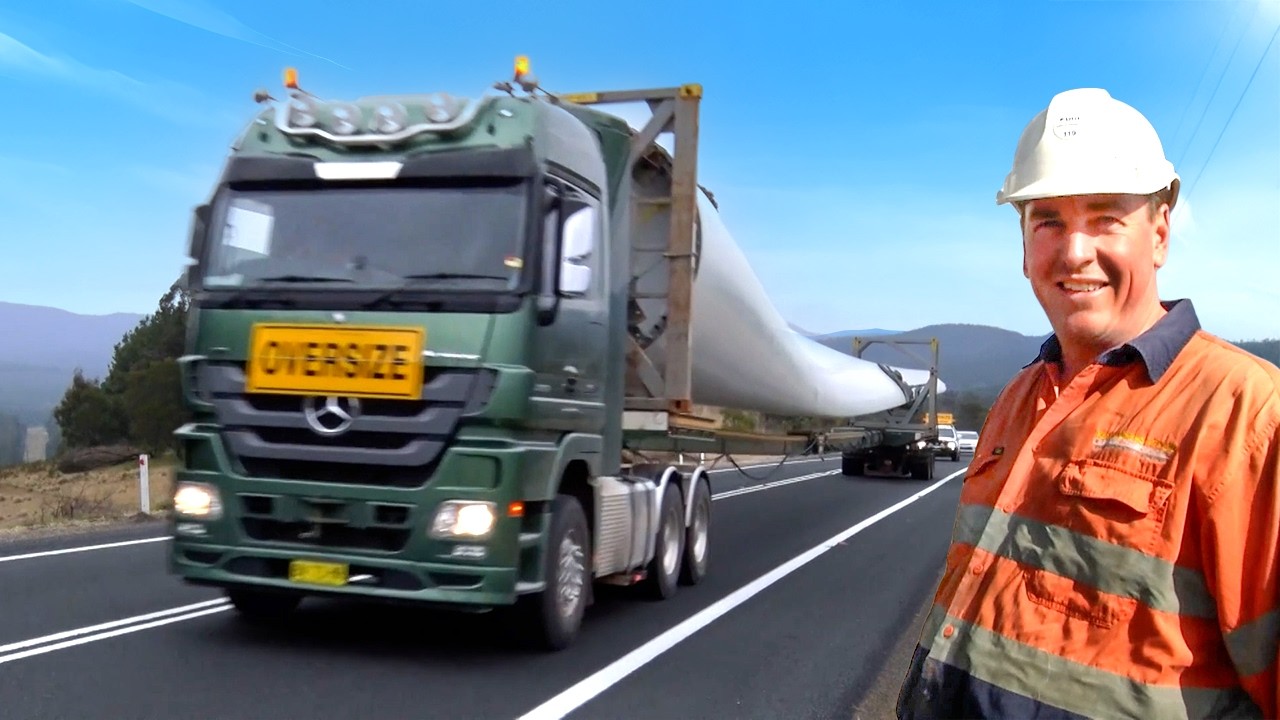
Transporting a 55‑metre turbine blade 160 kilometres across mountain roads is more than a test of equipment — it’s a test of planning, teamwork and the chain of responsibility; CoR that governs every decision on the route. This article breaks down the Outback Truckers episode that follows lead trucker Glenn Waters and operations manager Mark Shiberas as they haul components to the Boko Rock wind farm.
Table of Contents
- The operation at Boko Rock: scope and scale
- The load and the specialised gear
- On the road: hazards, pilot cars and policing
- The Bombala squeeze and tight urban manoeuvres
- When the unexpected happens: cable drums and ditches
- Key stats and crew facts
- Safety, planning and the chain of responsibility; CoR
- FAQ
- Conclusion
The operation at Boko Rock: scope and scale
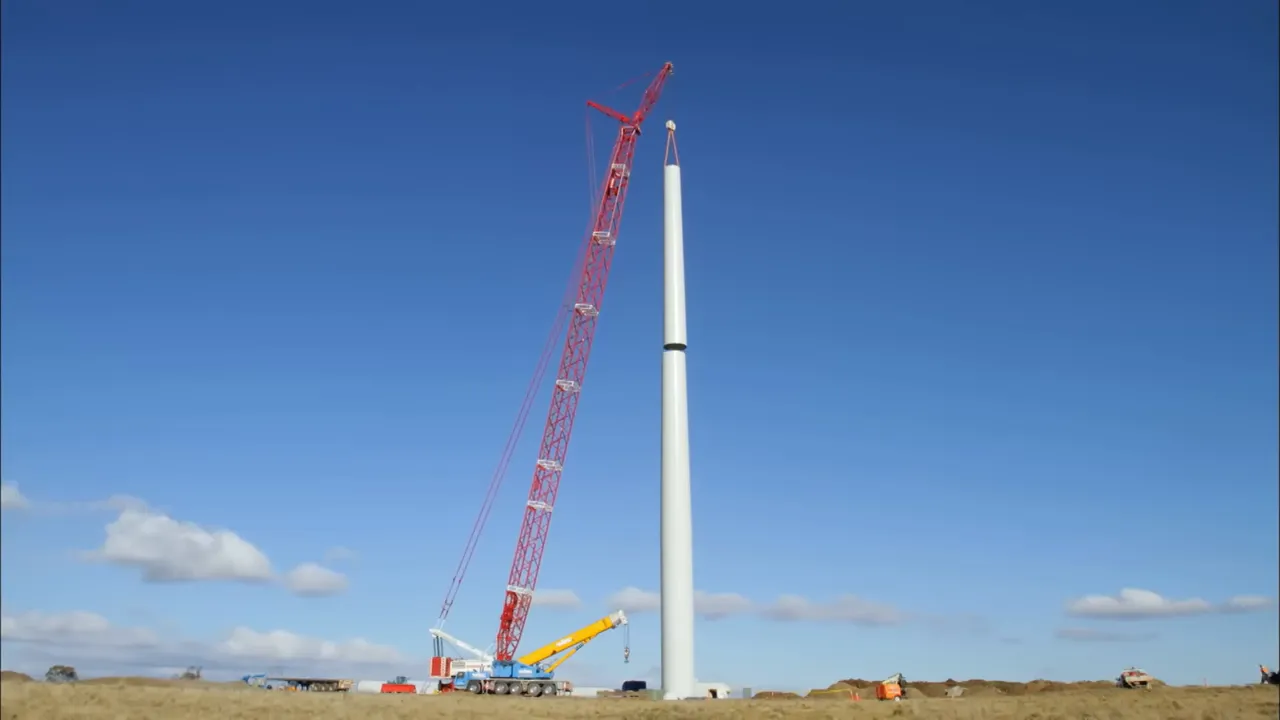
The project at Boko Rock is a major infrastructure job: 67 turbines, 536 haul trips, more than 70,000 kilometres driven and over 10,000 tonnes of components moved. The scale explains why meticulous planning — and adherence to the chain of responsibility; CoR — is essential before a single blade leaves the yard.
The load and the specialised gear
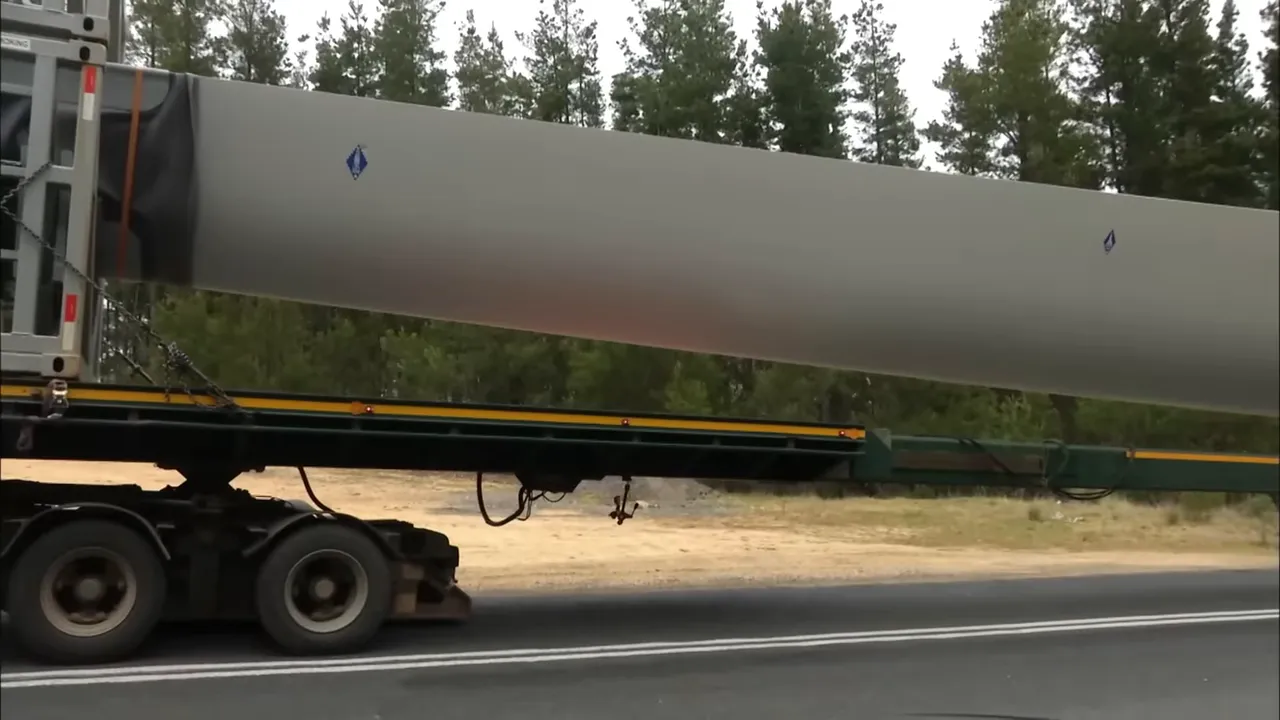
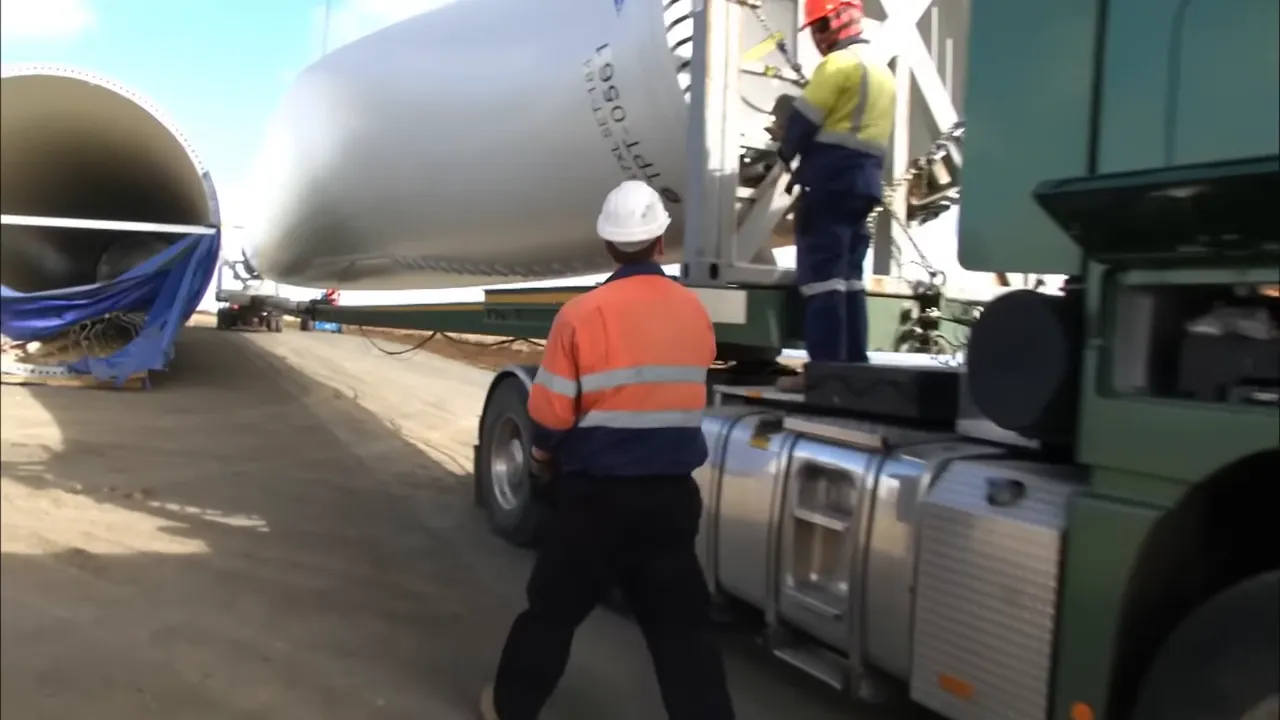
First load of the day: a 55‑metre blade weighing about six tonnes — half the weight of a city bus and four times its length. The trailer is fitted with an auxiliary hydraulic steering unit (a small petrol motor and two rams) so the rear dolly can be steered independently. As Glenn says, “I’ve got a little switch down here to steer myself.”
On the road: hazards, pilot cars and policing
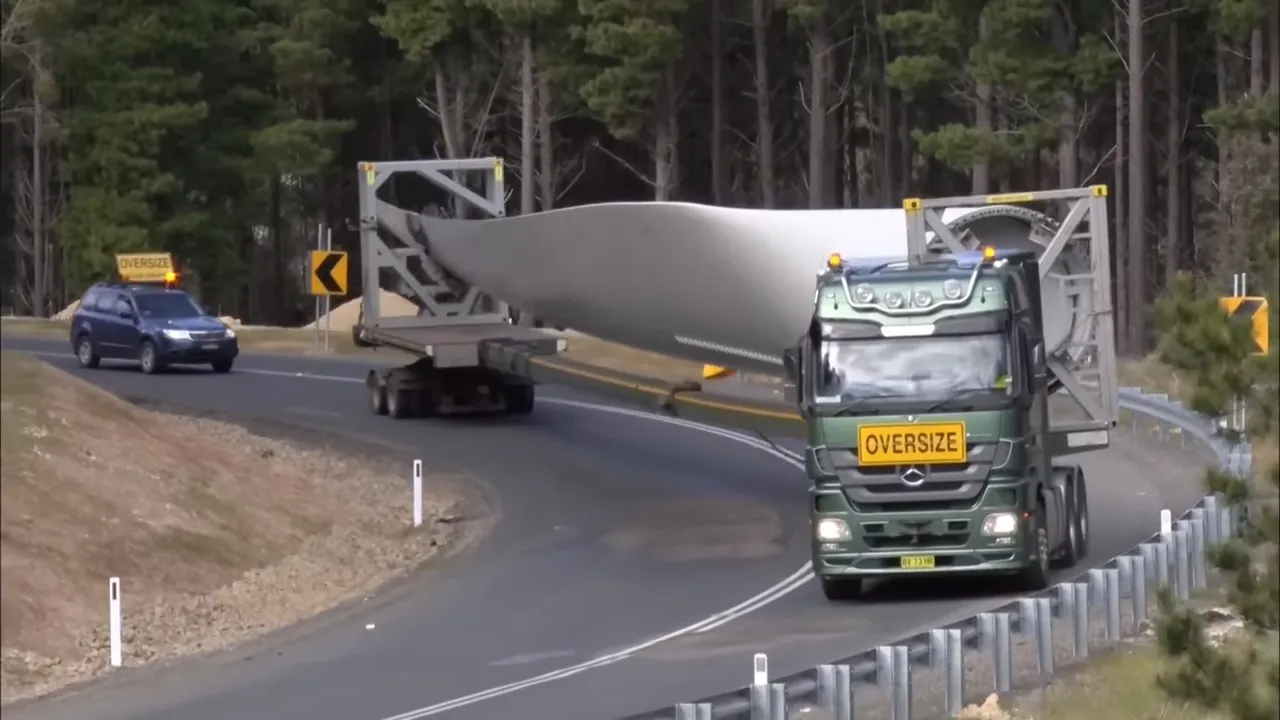
Every trip includes two pilot cars and a police escort to manage traffic on narrow, winding country roads. The team must often run the truck on the “wrong” side of the road to clear sweeping dog‑leg corners — an operation that depends on the pilots stopping oncoming traffic and local road users respecting directions.
"Our biggest concern on this main road is meeting a heavy vehicle on a bad corner where we need to be on the wrong side of the road..." — Mark
The Bombala squeeze and tight urban manoeuvres
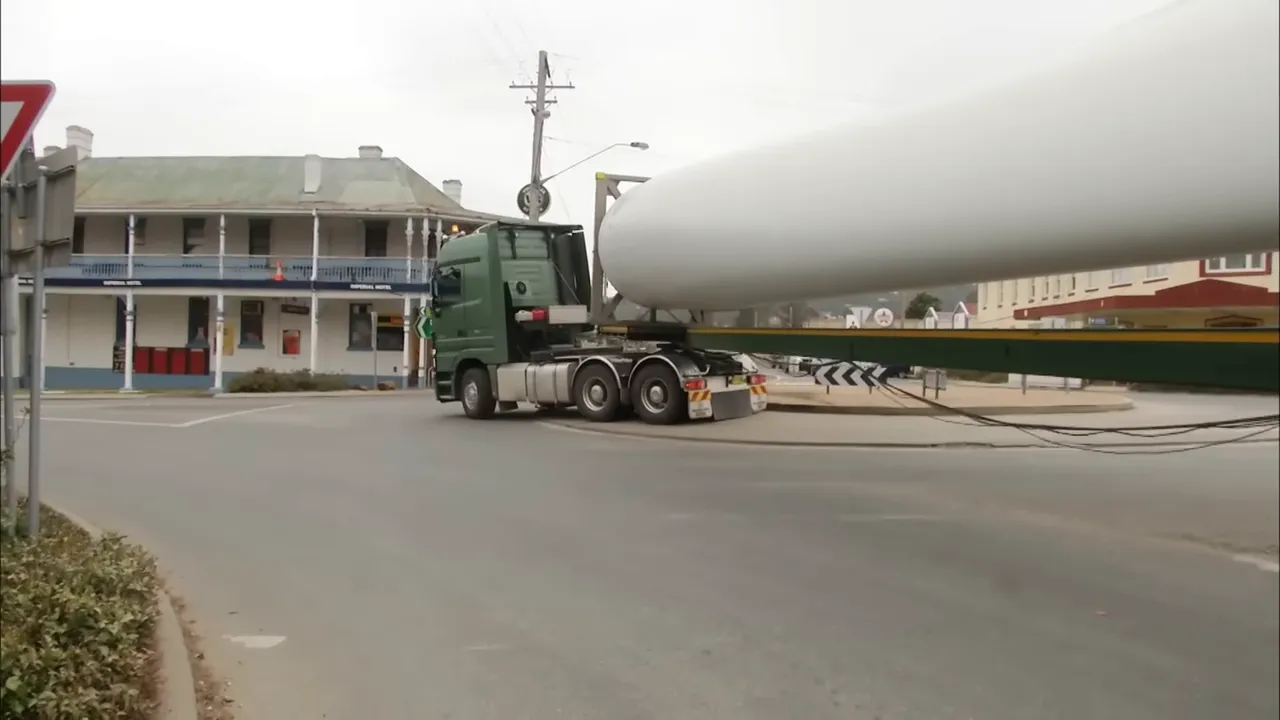
Rural towns add new challenges. In Bombala a sharp left at a roundabout required centimetre‑perfect steering: the cab close against a hotel wall while Glenn wound the rear trailer over as far as it would go. One wrong move would have blocked the main street.
When the unexpected happens: cable drums and ditches
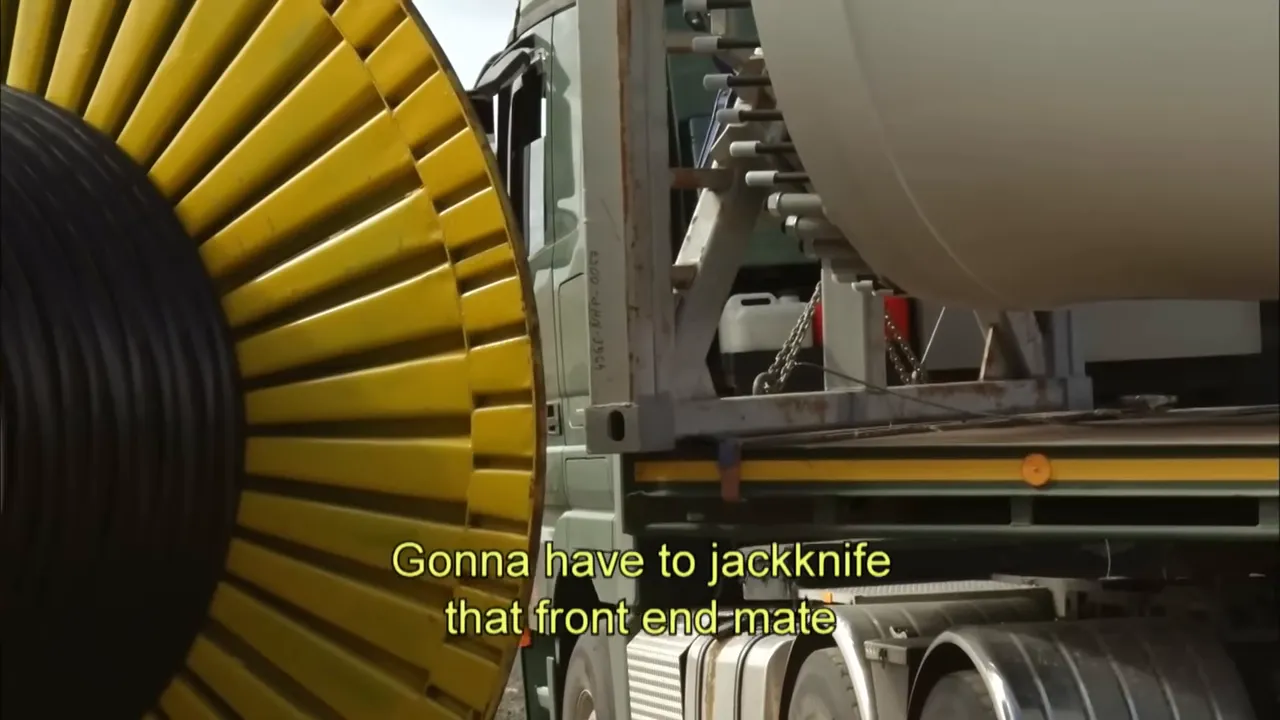
On arrival, a contractor‑left cable drum and narrow drainage ditches forced Glenn to steer the trailer partly into a ditch, putting stress on the turntable and risking bogging the prime mover. With the next blade minutes behind, the team performed a painstaking multi‑point turn — inching forward and back until the 33‑point turn was complete.
Key stats and crew facts
- Project: Boko Rock wind farm — $360 million scale works
- Turbines to deliver: 67
- Total haul trips planned: 536
- Distance to cover across the campaign: ~70,000 km
- Total component mass: >10,000 tonnes
- Individual blade: ~55 metres long, ~6 tonnes
Safety, planning and the chain of responsibility; CoR
This operation illustrates how the chain of responsibility; CoR extends beyond drivers to planners, contractors and local road users. Careful route surveys, pilot coordination, escort policing and communication with other heavy vehicle operators (like local log truck drivers) all contribute to keeping each move safe and on schedule.
Practical lessons from the haul
- Plan routes to minimise tight urban turns or widen roads where required.
- Use specialist steering dollies for extreme lengths and limited articulation.
- Maintain constant communication between lead, rear pilot and police escorts.
- Expect and manage intrusions — other road users can make or break a manoeuvre.
FAQ
How do pilots and police escorts assist these moves?
Pilots clear traffic, advise on sight lines and help position the convoy; police provide traffic control and legal authority to stop traffic at critical points.
What permits are needed to move a 55‑metre blade?
Permits depend on state regulations but typically include oversize/overmass permits, route approvals and coordination with road managers. These approvals are part of the chain of responsibility; CoR obligations for operators and planners.
How does the trailer steer independently?
An auxiliary hydraulic motor on the trailer powers rams that steer the rear dolly. The driver can select steering modes and the rear pilot often starts the unit as required.
What happens if something goes wrong on the route?
Contingency plans — including recovery crews and immediate communication protocols — are essential. Slowing down, stopping the convoy and re‑assessing the manoeuvre are common immediate responses.
Conclusion
The Outback Truckers feature on the Boko Rock turbine deliveries is a vivid reminder that moving Australia’s energy future costs more than diesel and steel — it takes planning, cooperation and strict adherence to the chain of responsibility; CoR. For a front‑row view of the full operation, credit to Outback Truckers for capturing the skill and pressure behind each haul.
This article was created from content published by https://www.nhvr.gov.au/. Visit the site for latest and current information.


