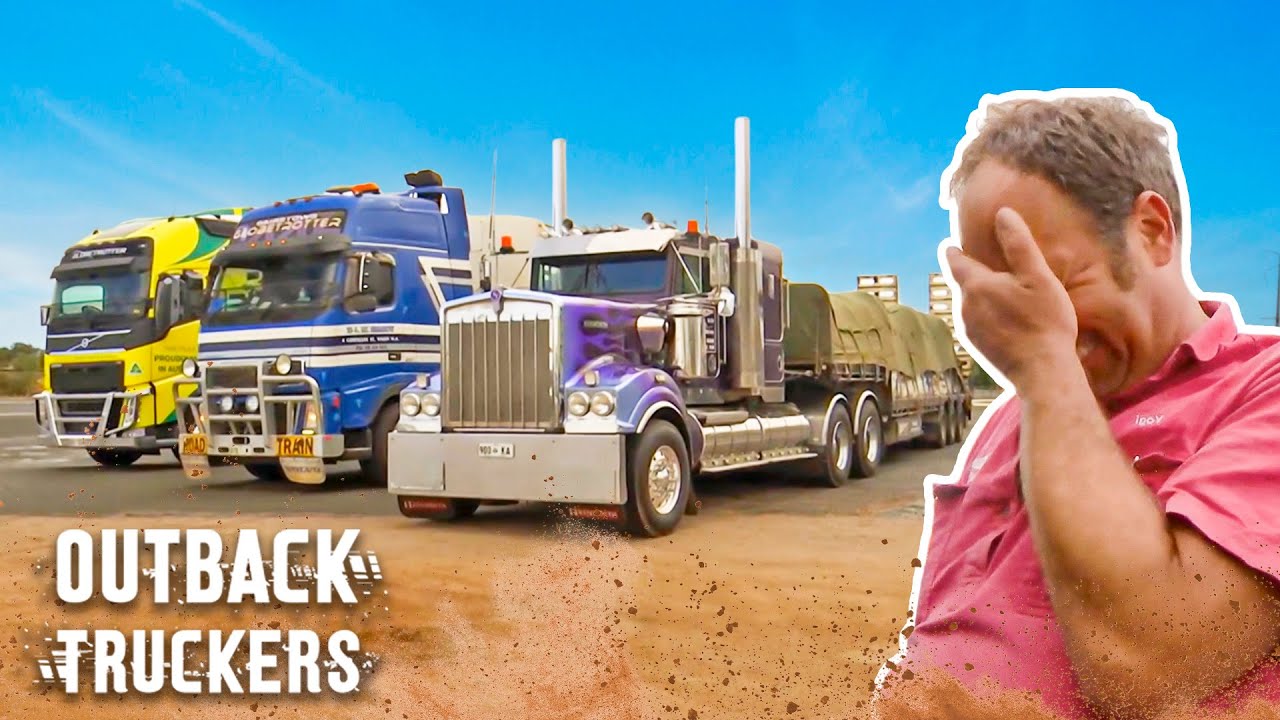
Outback trucker Yogi and a group of volunteer drivers set off from Western Australia on a mercy mission to deliver more than $100,000 worth of donated hay and feed to drought‑ravaged farmers in New South Wales. Their journey—documented by Outback Truckers—became more than a story of logistics and breakdowns; it highlighted how on‑the‑ground decisions, permits and regulatory interactions touch the chain of responsibility; CoR for everyone involved.
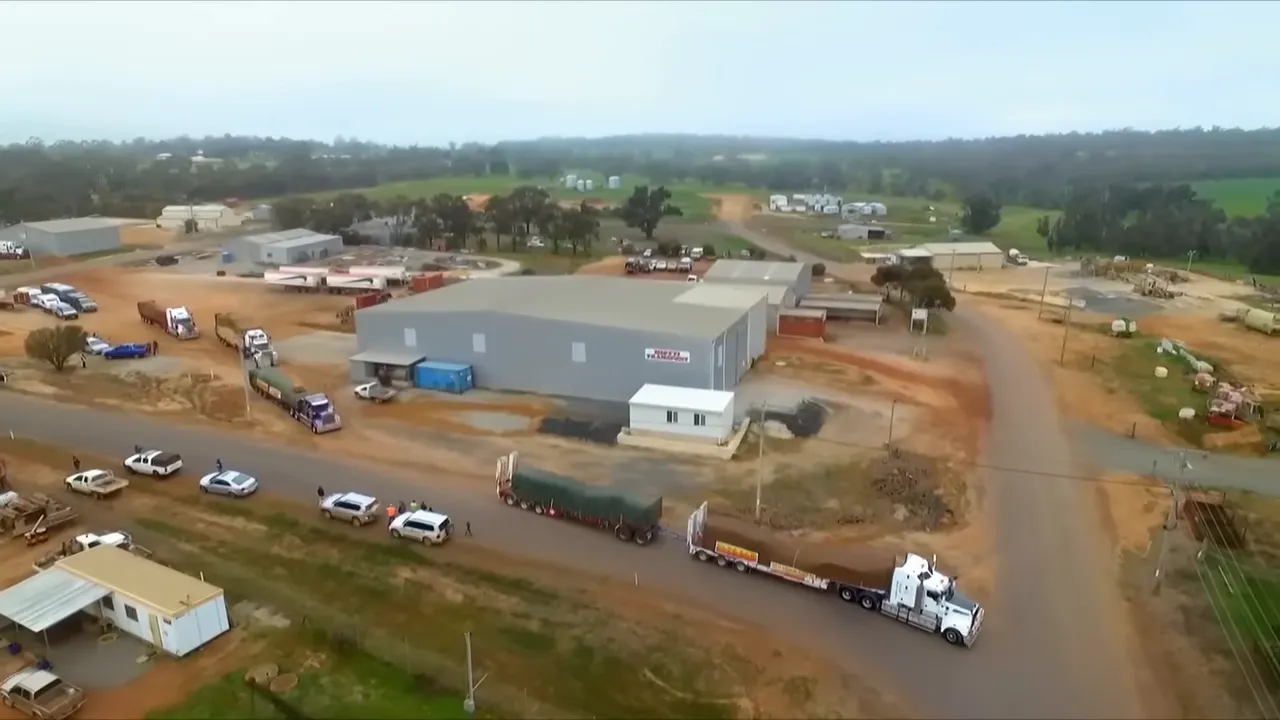
Table of Contents
- Why this convoy mattered
- Planning, permits and the practical realities
- On the road: breakdowns, detours and transport inspectors
- Community impact and delivery
- Lessons from the convoy
- How you can help or replicate a relief run
- FAQ
- Final thoughts
Why this convoy mattered
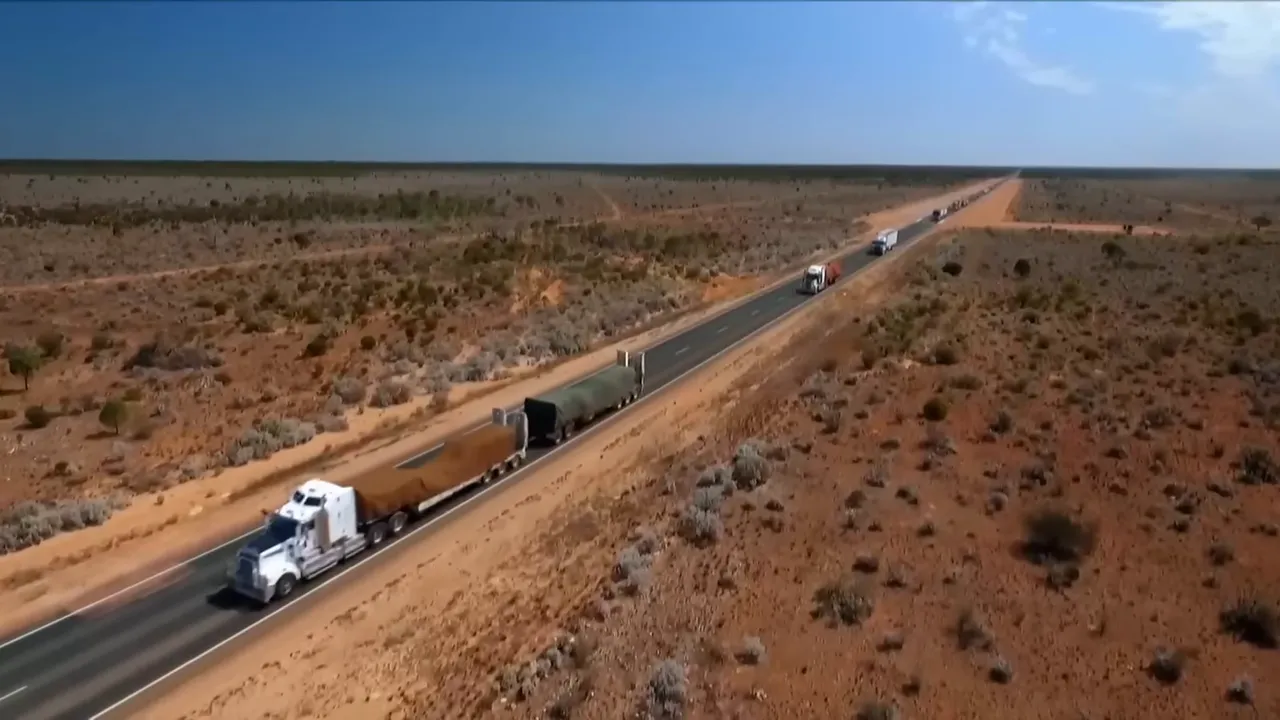
Large parts of New South Wales had endured years without meaningful rain. Farmers’ stock were at risk and local supplies were scarce. What started as a plan to move a single load quickly escalated into a 130‑tonne, multi‑truck relief effort. Yogi and fellow veteran driver Peter Wright coordinated donations, drivers and routes over three hectic weeks before setting off on a six‑day, cross‑country run.
Planning, permits and the practical realities
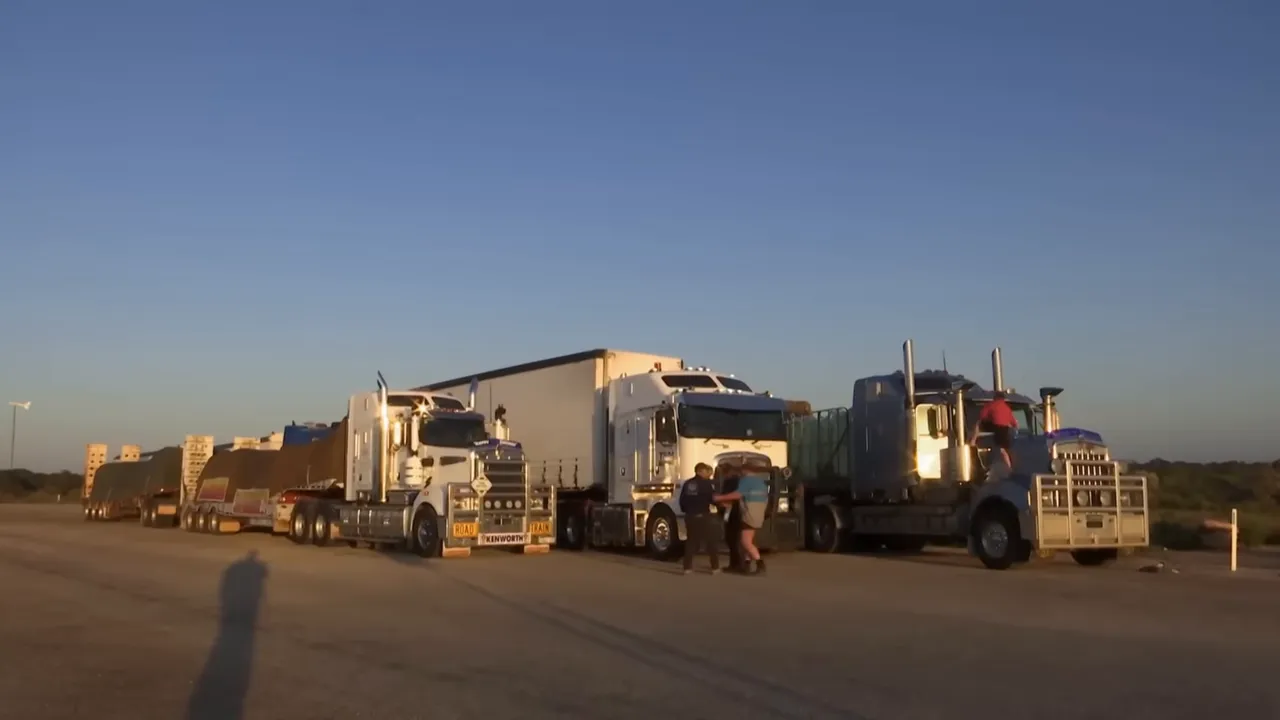
Pulling together eight trucks, two road trains and a host of support vehicles across four states required more than goodwill. The convoy had to navigate different state rules for heavy vehicles, acquire permits where possible, and manage a long list of operational tasks. This is where the idea of chain of responsibility; CoR became practical—not as abstract regulation, but as daily decisions about load security, driver fatigue, route selection and compliance.
Donations, loading and load distribution
- 130 tonnes of donated hay and feed were collected from independent donors and small businesses.
- Every load had to be tied down, tracked and allocated to registered farmers at delivery points.
- When supplies ran short in Forbes, the convoy had to make rapid distribution decisions so no one was left empty‑handed.
On the road: breakdowns, detours and transport inspectors
The trip didn’t go smoothly. Mechanical failures—most notably a failing centre bearing and a vibrating tail shaft—threatened to strand a truck hundreds of kilometres from a mechanic. The convoy also ran into regulatory pushback: transport inspectors raised concerns about a tri‑axle dolly, and permit problems forced a 100‑kilometre detour around Victoria.
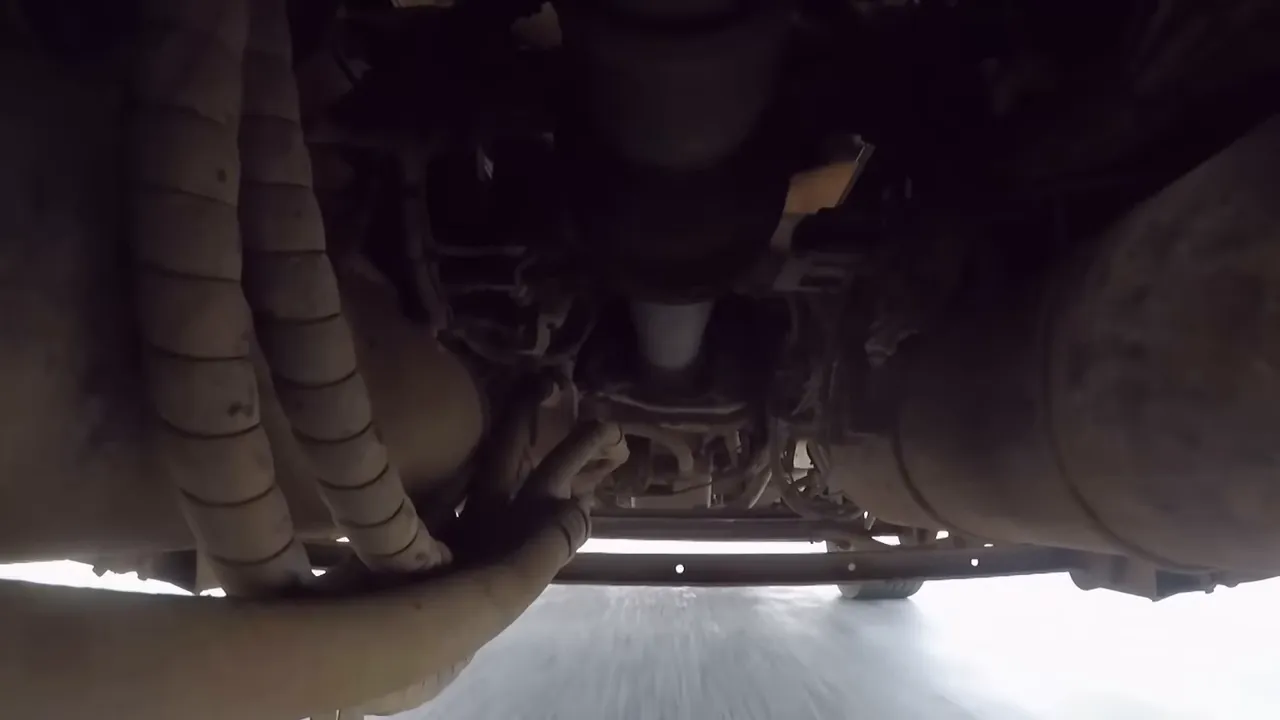
These moments underscore how individual choices affect the wider chain of responsibility; CoR. When one vehicle is non‑compliant or breaks down, the knock‑on effects include delays, extra costs and risks to load safety and animal welfare.
Community impact and delivery
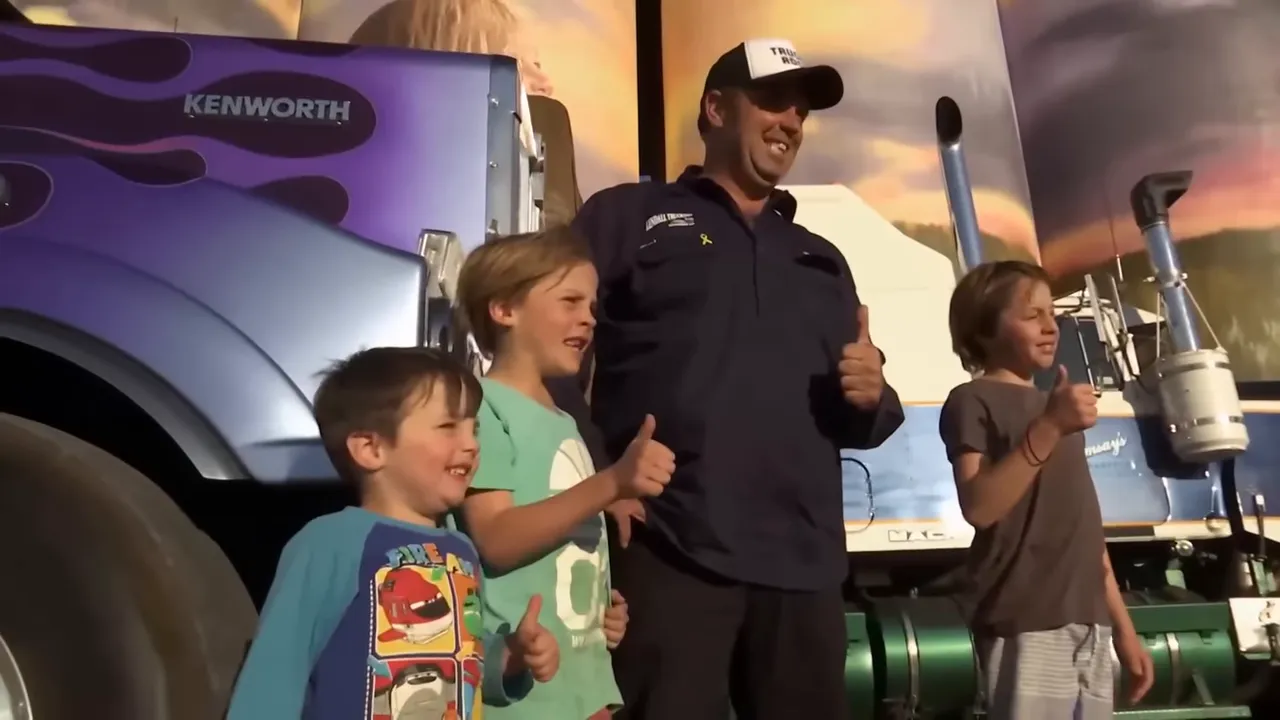
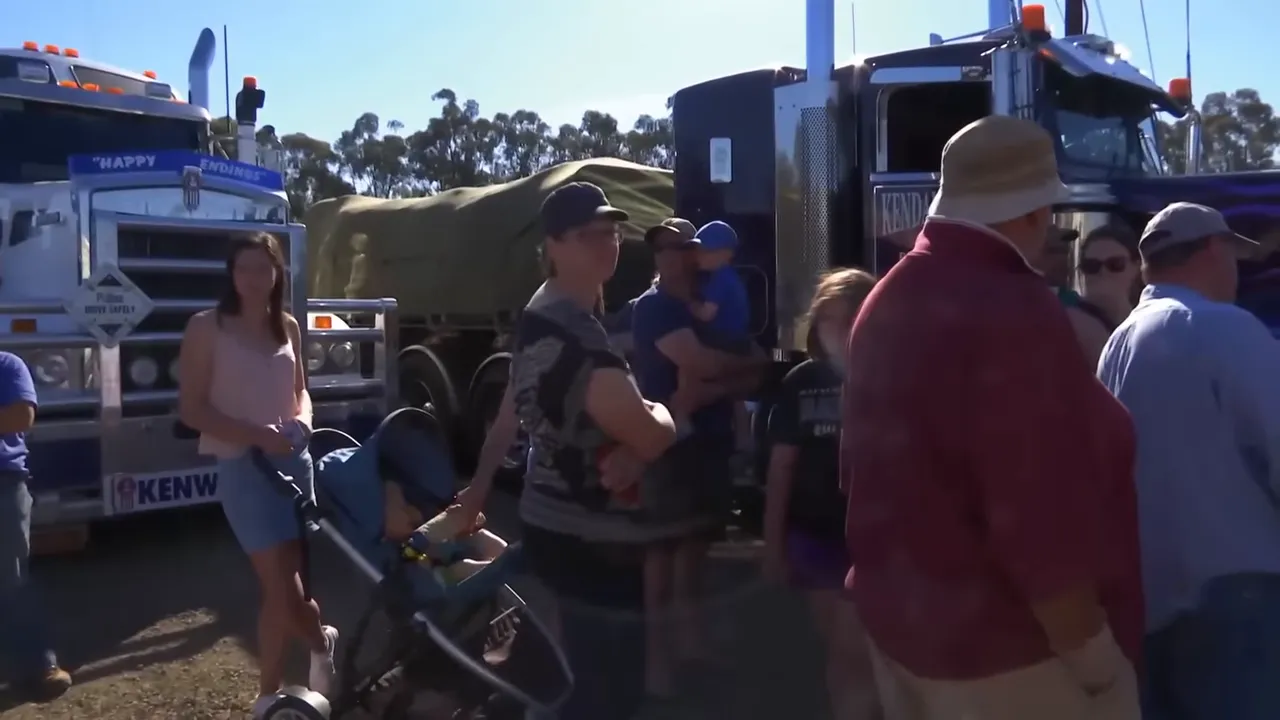
Despite the challenges, the convoy reached its destination communities. Towns like Salmon Gums, Kimba and Forbes turned out to welcome the drivers. The Prime Minister even called in to commend the effort. At Forbes and surrounding towns, the donated feed was distributed—carefully rationed to stretch supplies across as many families and farms as possible.
Lessons from the convoy
- Preparation matters: permit checks, spare parts and contingency plans reduce risk.
- Communication is vital: keeping drivers coordinated across long distances prevents delays and safer outcomes.
- Regulation has real costs and benefits: interactions with transport inspectors can halt an urgent delivery, but compliance helps manage safety risks across the entire chain of responsibility; CoR.
How you can help or replicate a relief run
- Engage with local authorities early to understand permit and access requirements.
- Document donors, loads and recipients to ensure transparent distribution.
- Budget for breakdown contingency and mechanical support along the route.
- Keep safety front of mind—securing loads and managing driver fatigue is part of the chain of responsibility; CoR for organisers and drivers alike.
FAQ
Q: What exactly is the chain of responsibility; CoR?
The chain of responsibility; CoR is the shared legal duty across people and organisations involved in transport activities to ensure safety and compliance. In practice, for a relief convoy this covers drivers, schedulers, vehicle owners, loaders and organisers who all influence load security, fatigue and route decisions.
Q: Did the convoy break any rules that triggered the transport inspectors?
The convoy encountered an issue with a tri‑axle dolly that Victoria’s inspectors challenged. Without the right permit the convoy could not proceed on the planned route, so organisers chose a detour. That enforcement action highlights how regulatory decisions can directly affect emergency runs and why awareness of the chain of responsibility; CoR is essential.
Q: What are the main risks when running a long relief convoy and how do they relate to CoR?
Main risks include mechanical failure, unsecured loads, driver fatigue and permit non‑compliance. Each of these sits within the chain of responsibility; CoR because multiple parties contribute to decisions that affect safety and successful delivery.
Final thoughts
Yogi’s convoy showed the power of community and the complexity behind delivering aid across vast distances. It was a human story—rock star welcomes, kids cheering and farmers relieved—but it was also a logistics lesson about regulation, safety and shared responsibility. For anyone organising similar efforts, understanding the chain of responsibility; CoR and planning around permits, mechanics and allocation will make the difference between a successful mercy dash and one that stalls on the roadside.
Credit: This article is based on the Outback Truckers episode "Trucker Challenges Transport Police - How One Good Deed Backfired!" by Outback Truckers.
This article was created from content published by https://www.nhvr.gov.au/. Visit the site for latest and current information.


