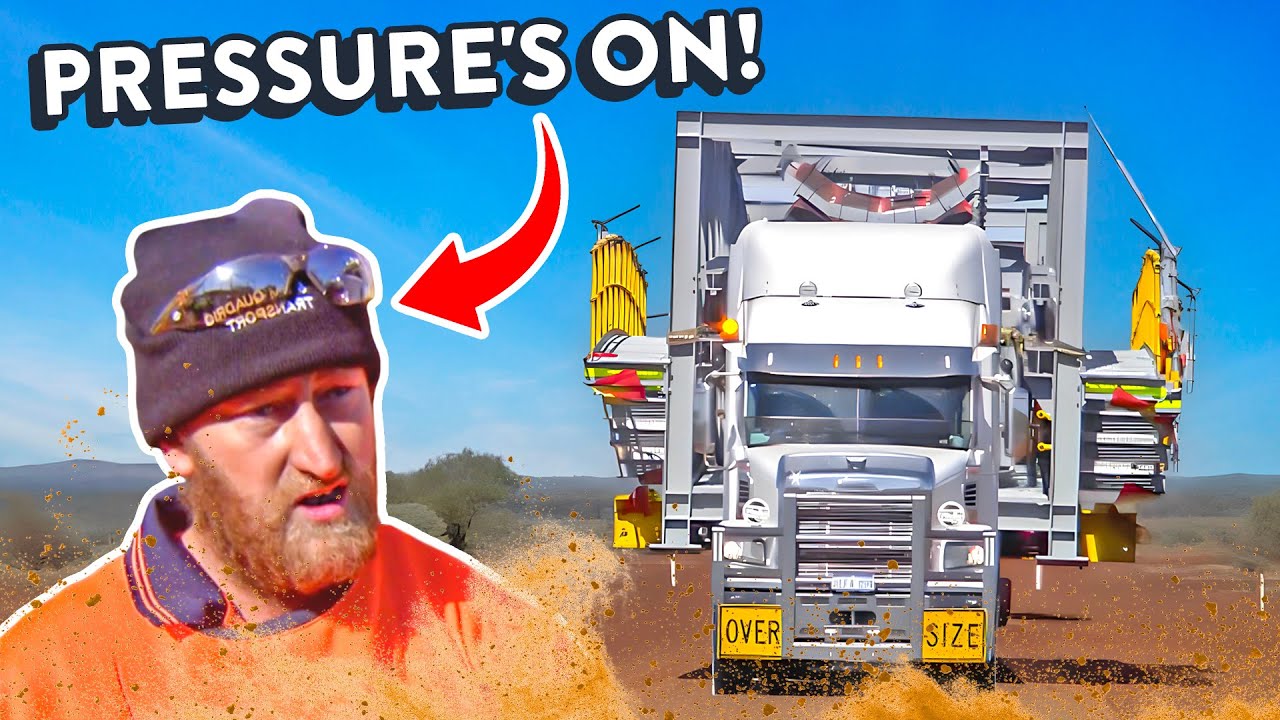
chain of responsibility; CoR sits at the heart of every oversized haul, and nowhere is that clearer than on Dion’s first job as lead driver. This article walks through a tense 1,000-kilometre convoy from Perth to Dampier, explains the operational and legal pressures on the team, and highlights lessons for drivers, pilots and transport managers operating under the chain of responsibility; CoR.
Table of Contents
- Overview: the job, the risk and the stakes
- Delays before the first mile: why permits and paperwork matter
- Securing the load: technical choices become legal liabilities
- Manoeuvring through the city: the role of the jinker and pilots
- On the highway: daylight limits, low bridges and visibility hazards
- Mechanical faults and on-the-spot fixes
- Pilots, other road users and the worst-case scenarios
- Wildlife and the emotional cost
- Final checks: inspectors, permits and the end of the journey
- Key takeaways for operators and drivers
- FAQ
- Credits and further viewing
Overview: the job, the risk and the stakes
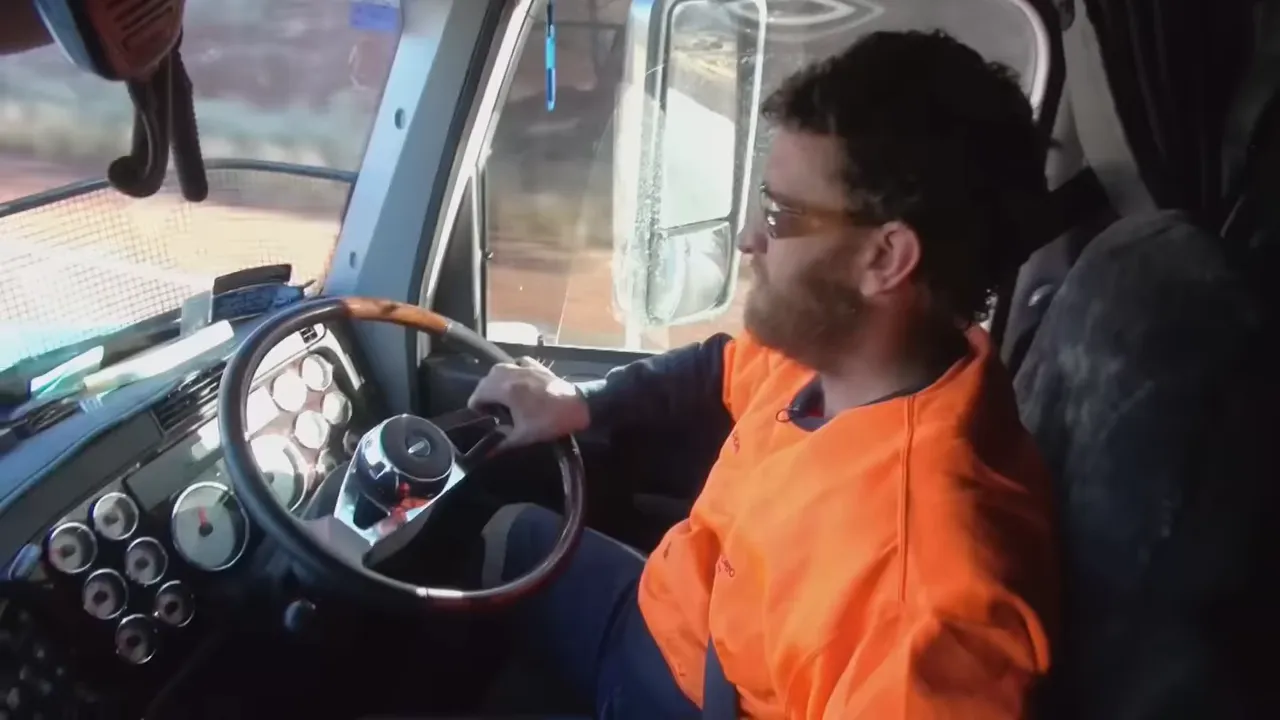
For ten years Dion has driven Australia’s biggest, widest and longest trucks. On this run he’s the lead driver for the first time — the man responsible for the route, the paperwork and the decisions that keep the convoy moving. As the video documents, the job is a complex mix of timing, engineering, human factors and regulation. A single mistake could cost the mine millions and, for Dion, put his career on the line.
Delays before the first mile: why permits and paperwork matter
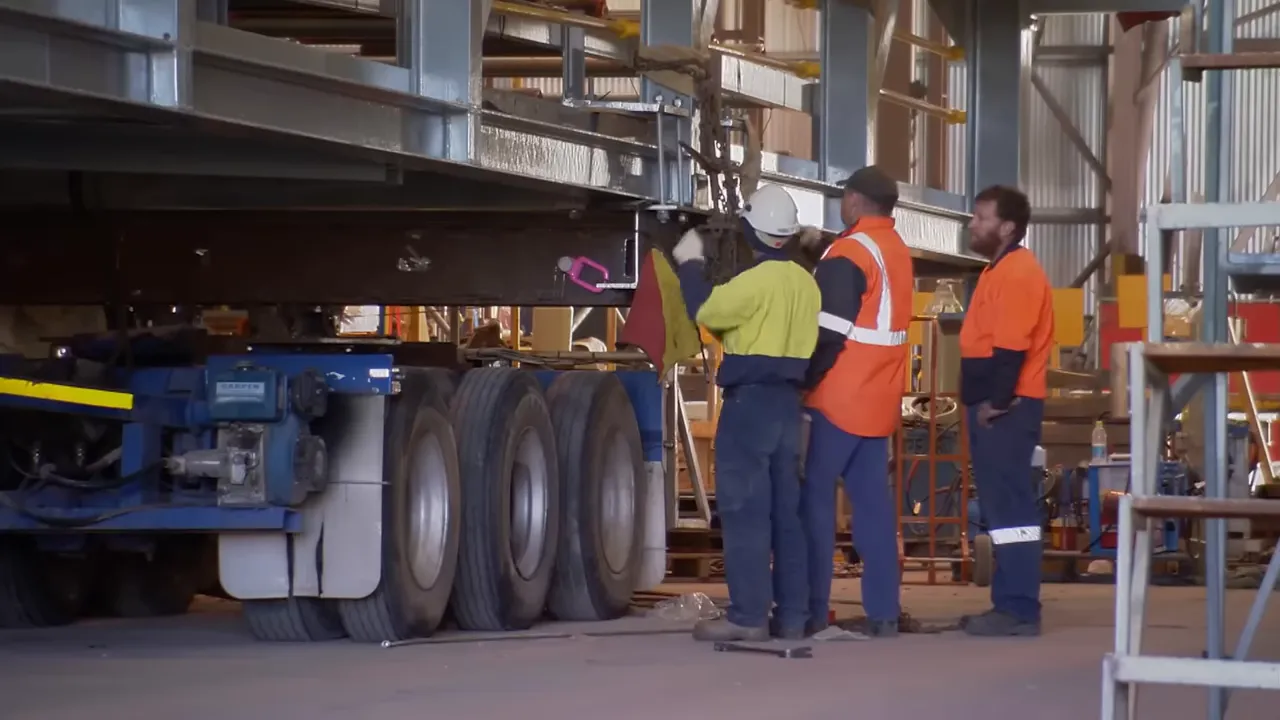
Loading was delayed by last-minute changes at the plant. Inspectors must verify every dimension “millimetre perfect” against the permit. That verification is a CoR touchpoint: anyone in the supply chain who can influence safety and compliance shares legal responsibility. The convoy’s delay shows how operational changes cascade into regulatory risk under the chain of responsibility; CoR.
Securing the load: technical choices become legal liabilities
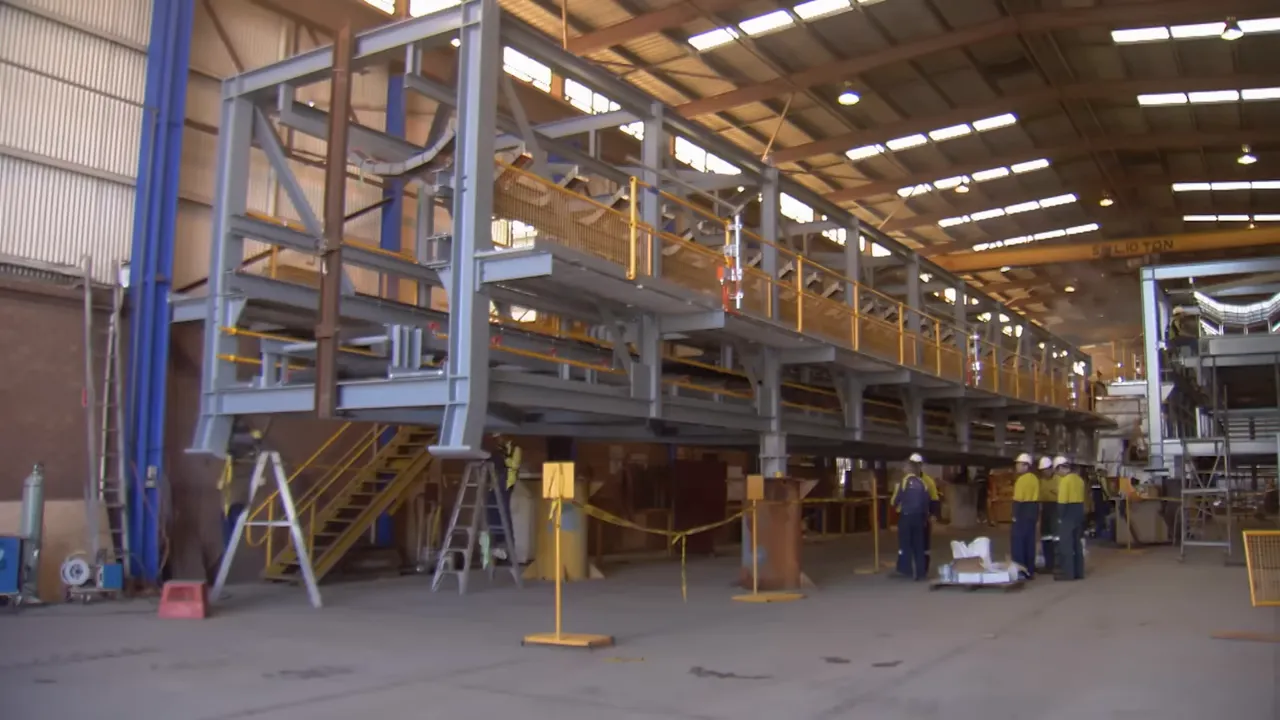
On the yard there’s an intense argument about how to secure the conveyors. Dion wants two chains; Dave wants to loop one chain twice. The debate is not just about strength — it’s about documented method and traceability. If a restraint method is inconsistent with load plans or the Load Restraint Guide, the consequences extend beyond damage: the chain of responsibility; CoR can assign blame to the person who made the call.
Manoeuvring through the city: the role of the jinker and pilots
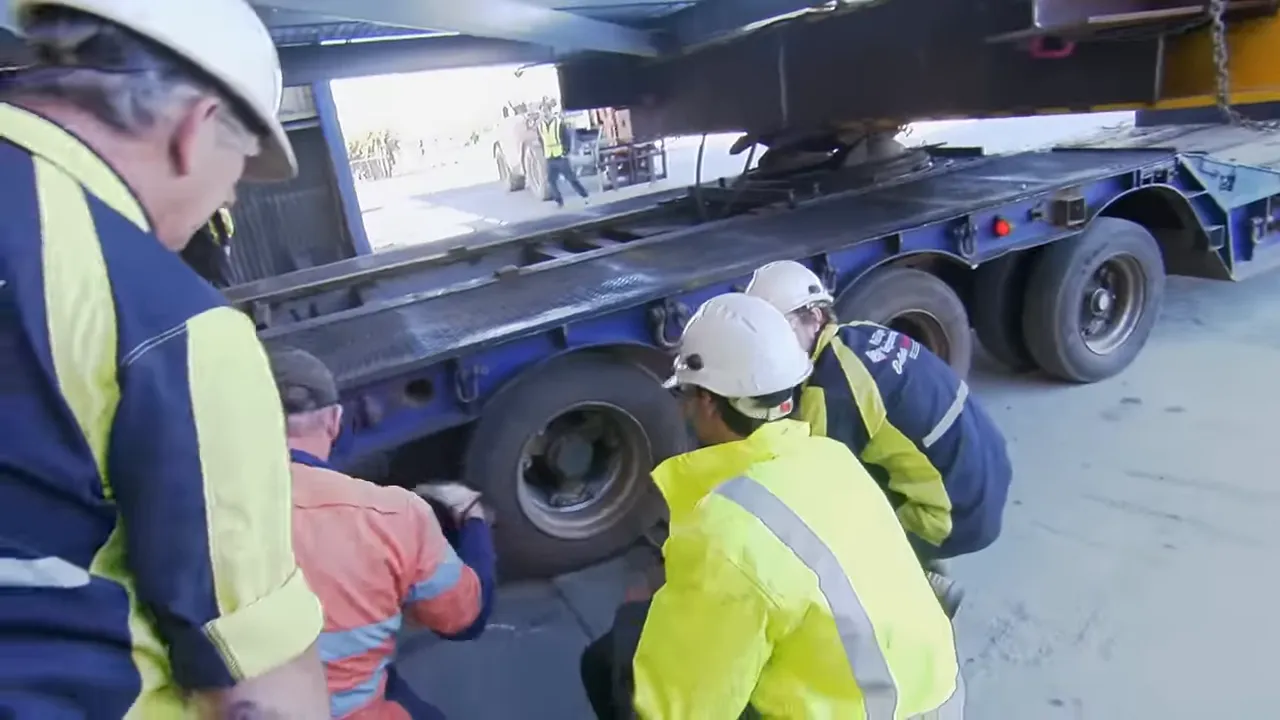
The convoy leaves the yard slowly. Dion collides with a workshop door frame and becomes briefly trapped — a reminder that spatial planning must match paperwork and real-world checks. Once free, the jinker driver (Slim) assumes critical duties guiding a 40-metre load through tight streets. Pilots and police escorts close intersections, remove signs and manage traffic — their coordination is a CoR-critical control that mitigates risks to other road users and protects the principal operator.
On the highway: daylight limits, low bridges and visibility hazards
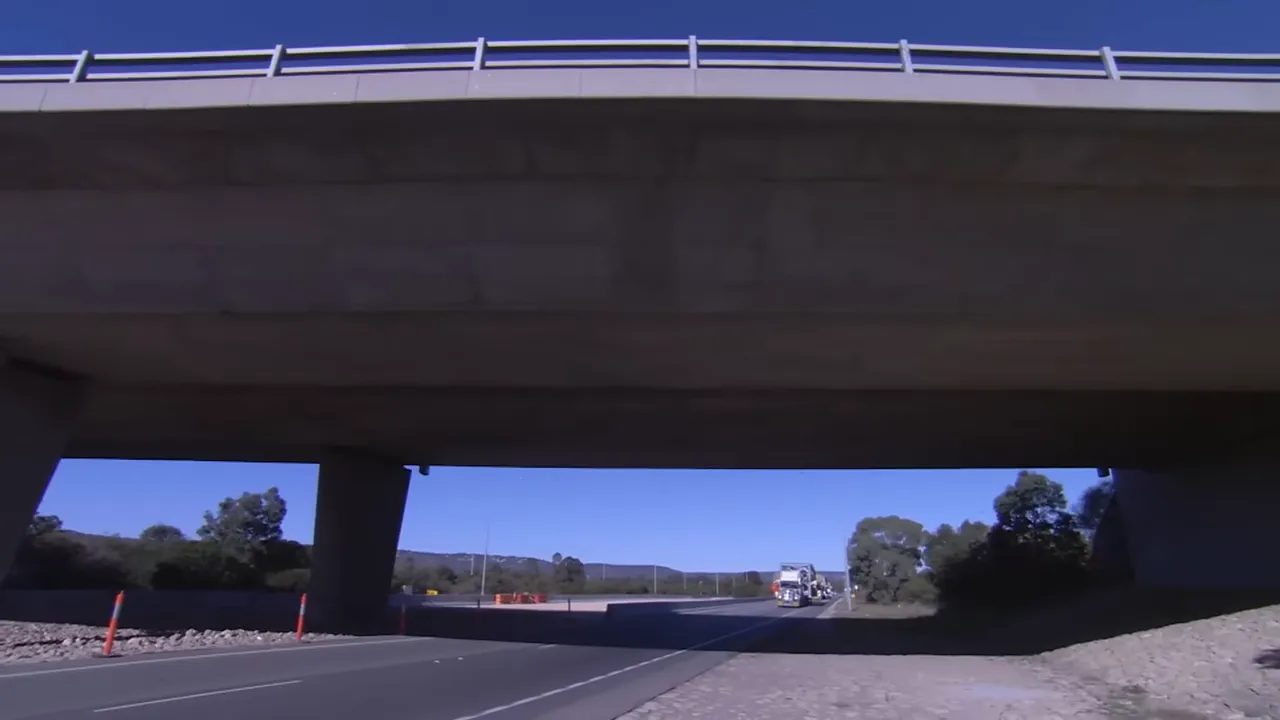
Travel is restricted to daylight and national speed limits for oversized loads. Bridges become pressure points: even with careful measurement, a misread or unaccounted-for sag could bring a bridge down. That’s a catastrophic CoR failure. Added to this are environmental challenges: rising sun glare that obscures vision and reduces reaction time.
Mechanical faults and on-the-spot fixes
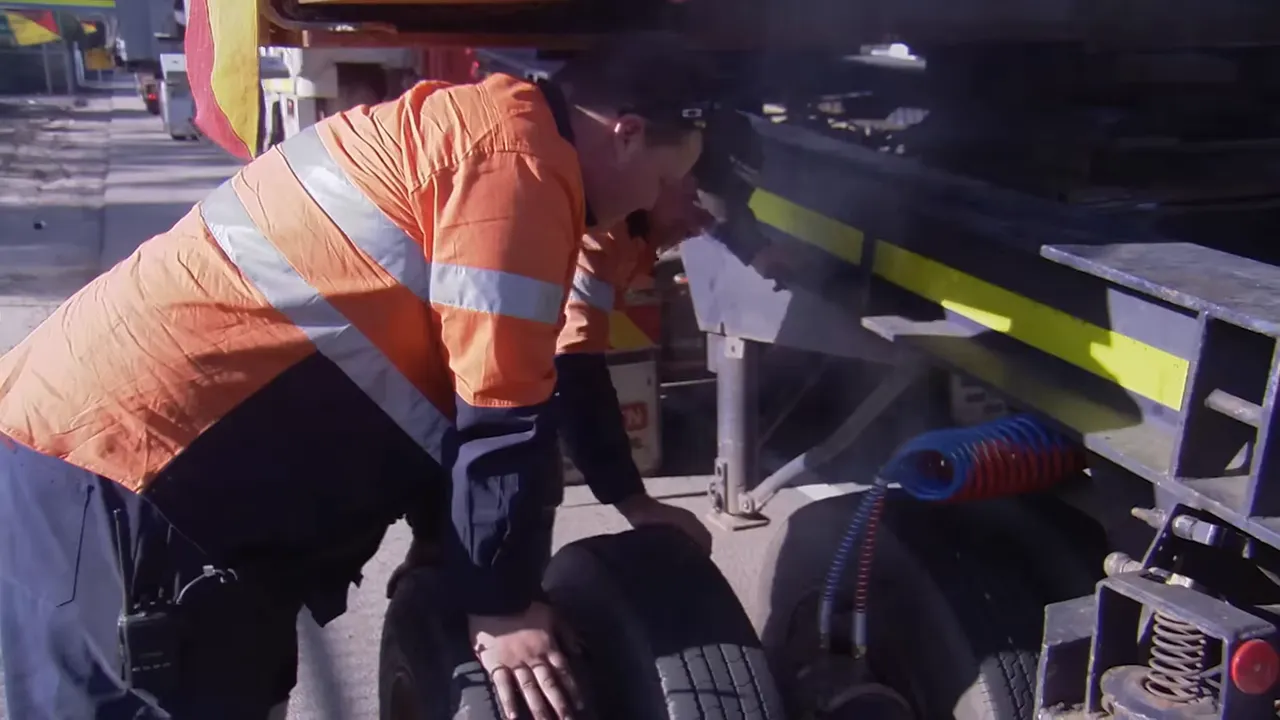
Mid-route, brakes overheat and a trailer’s tail-light wiring wears through. On the road you can’t call a depot for every fault; crews must patch systems to keep moving — but temporary fixes come with risk. Under the chain of responsibility; CoR, decisions to continue with a patched wiring loom or a jury-rigged indicator must be weighed against safety obligations and documented actions.
Pilots, other road users and the worst-case scenarios
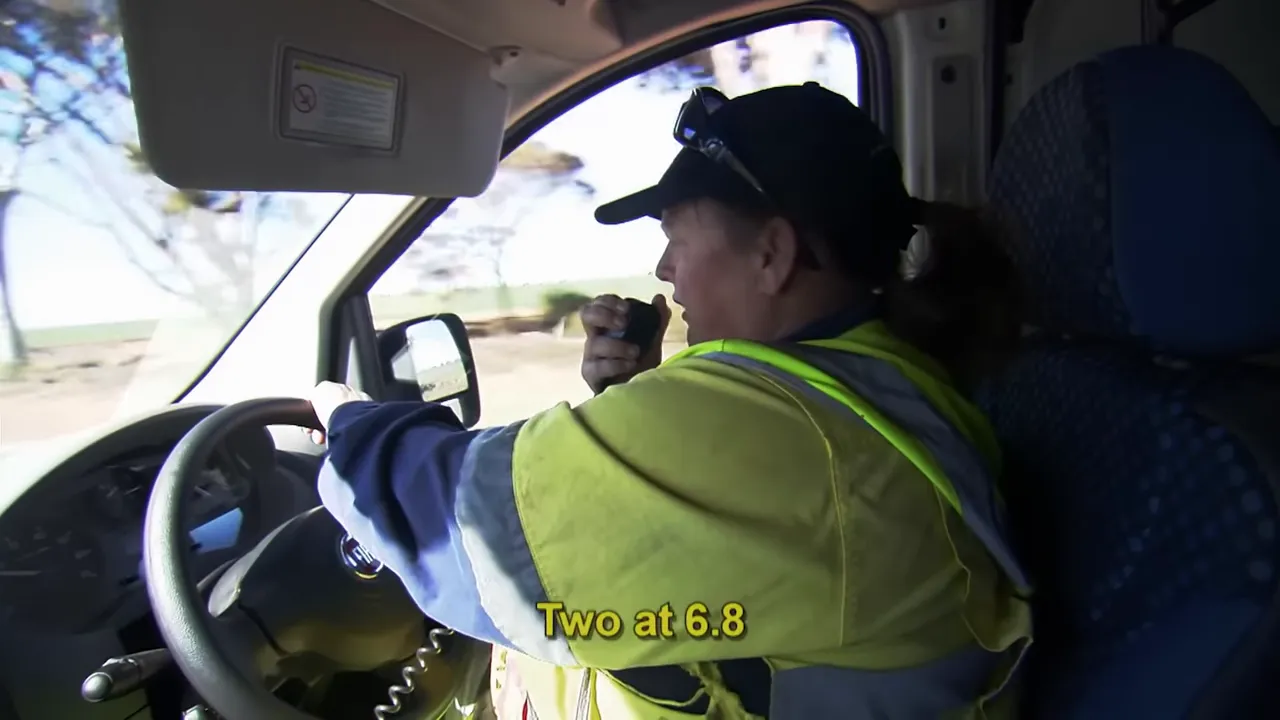
Pilots play the dual role of traffic manager and safety lookout. They call through triple trailers, fuel tankers and high-speed vehicles on blind bends — situations where a single miscommunication could produce a multi-vehicle disaster. Pilots must be vigilant about soft shoulders, deep gullies and oncoming heavy vehicles, while drivers must hold position at speed until the path is clear.
Wildlife and the emotional cost
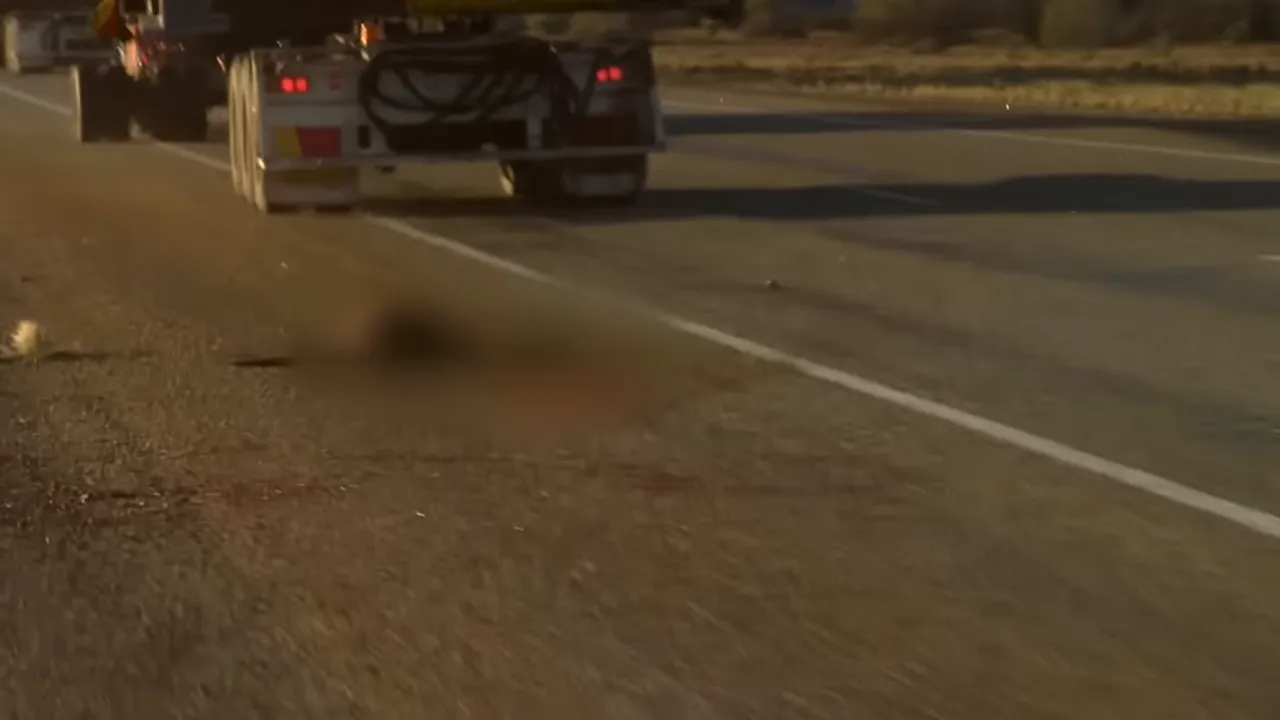
On outback roads kangaroos and livestock are an ever-present hazard. Drivers cannot swerve to avoid large animals because a corrective steering input could destabilise the load. The footage shows Dave’s difficult decision to humanely end the suffering of an injured kangaroo — an emotional burden that comes with the job and one more example of how split-second actions intersect with legal and ethical responsibilities.
Final checks: inspectors, permits and the end of the journey
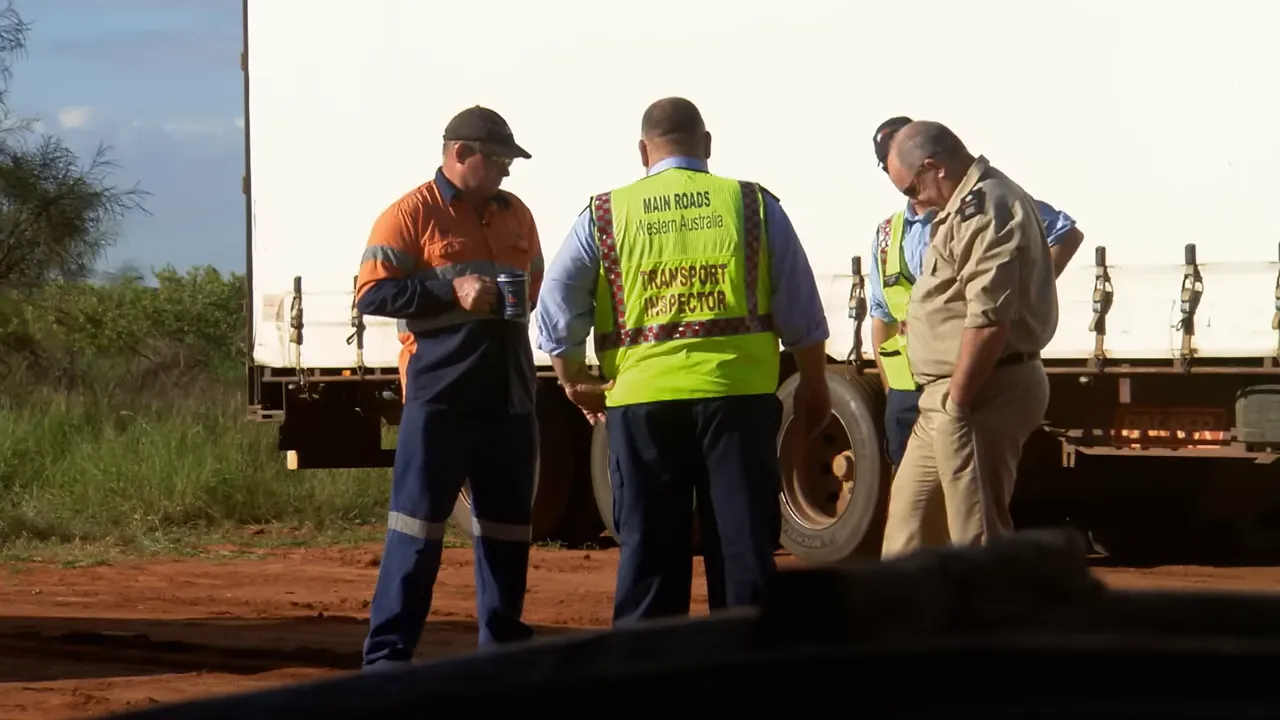
Arriving in Dampier, a transport inspection team conducts a final review. Inspectors can issue fines or ground the load, which is why the load plan, chain of custody for restraints, vehicle checks and pilot logs must be consistent. The team treats inspectors with respect and patience — a practical approach when operating under the chain of responsibility; CoR.
Key takeaways for operators and drivers
- Document every decision about load restraint and route planning: under the chain of responsibility; CoR, transparency matters.
- Train pilots and jinker drivers in contingency drills for bridges, soft shoulders and high-speed passing scenarios.
- Establish clear protocols for on-the-road repairs and ensure temporary fixes are logged and reviewed at the next checkpoint.
- Respect inspectors and permit conditions — compliance prevents fines and protects careers.
FAQ
Q: What is the chain of responsibility; CoR and why does it matter on oversized loads?
A: The chain of responsibility; CoR is the legal framework that allocates safety duties across everyone who can influence transport outcomes. For oversized loads it means drivers, operators, pilots, consignors and others must act to prevent harm and must document their actions.
Q: Can pilots or lead drivers be penalised if something goes wrong?
A: Yes. If their decisions or omissions contributed to a breach of safety obligations, they can be held accountable under the chain of responsibility; CoR.
Q: Are temporary repairs acceptable on long hauls?
A: Temporary fixes are sometimes necessary to reach a safe repair facility, but they must be safe, recorded and followed up. Under the chain of responsibility; CoR, the decision to continue must be justified and defensible.
Q: How can companies reduce CoR risk on specialist convoys?
A: Use rigorous pre-departure checks, ensure clear role definitions (lead driver, jinker, pilots), keep consistent load restraint records and implement a documented incident and repair log.
Credits and further viewing
This article summarises an episode from Outback Truckers documenting Dion Fisher’s first job as lead driver. For the full visual account and to support the creators, view the original episode from Outback Truckers.
Operating oversized vehicles safely requires technical skill, teamwork and careful adherence to the chain of responsibility; CoR. For drivers and managers alike, the journey is about more than delivering cargo — it’s about protecting people, infrastructure and careers.
This article was created from content published by https://www.nhvr.gov.au/. Visit the site for latest and current information.


