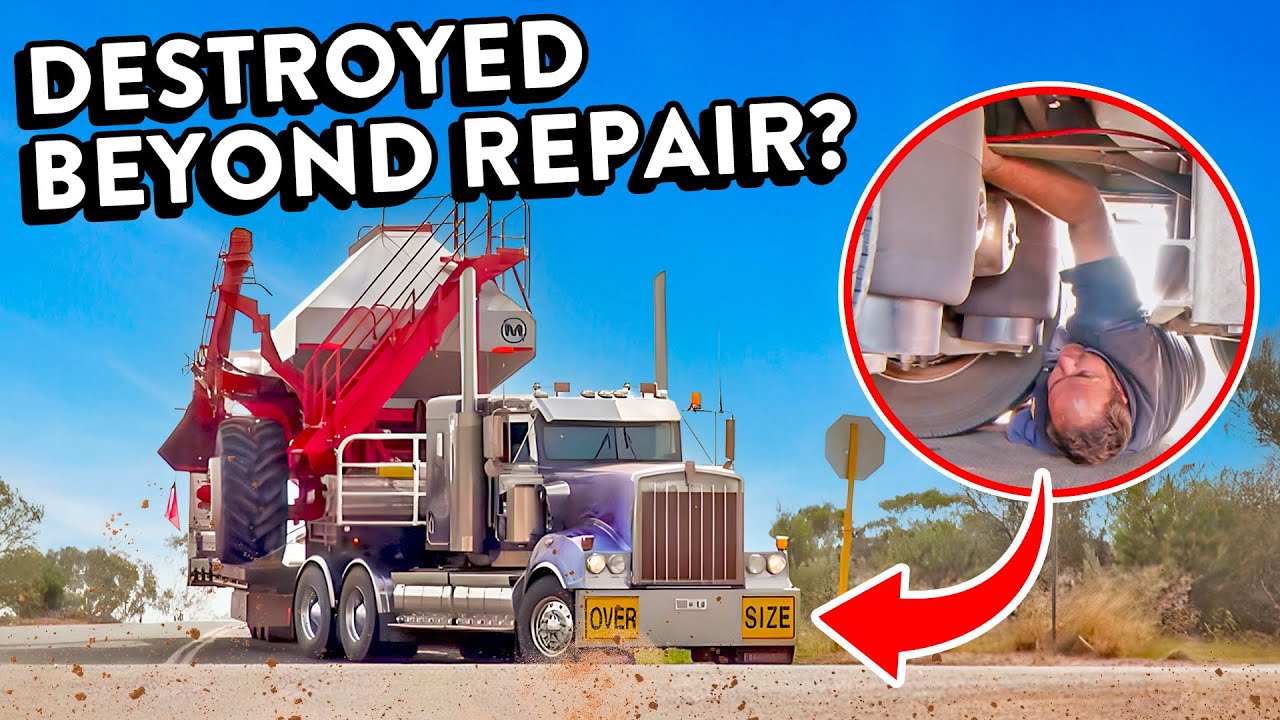
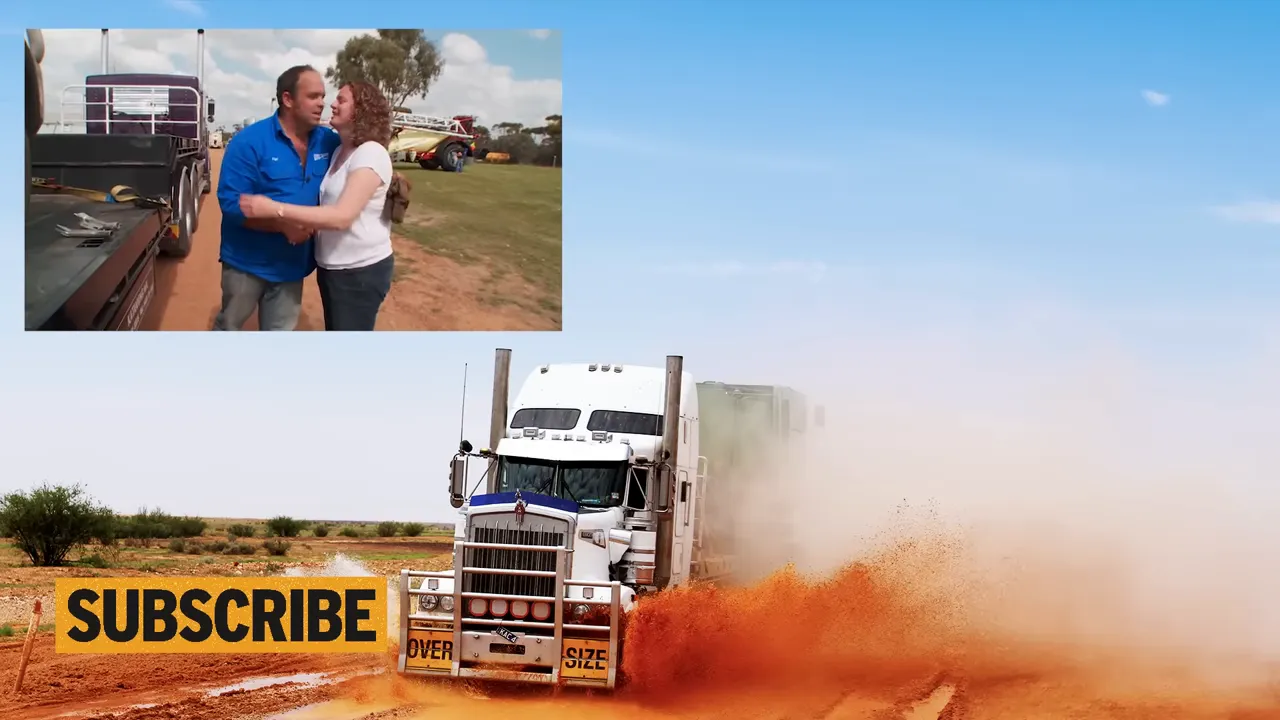
This article breaks down the Outback Truckers episode that follows 36‑year‑old oversized trucker Yogi as he hauls millions of dollars of agricultural machinery to a major show. Along the way we look at the operational pressures, the mechanical failures and the human side — and why the phrase chain of responsibility; CoR matters for everyone involved in moving these oversized loads.
Table of Contents
- Quick snapshot: the job at a glance
- Setting up: loading heavy kit under pressure
- Loading problems and improvisation
- On the road: trees, crosswinds and single‑lane tracks
- The crisis: a leaking brake line
- Family, Father's Day and the human cost
- Last‑minute push and a missed bonus
- Delivery and takeaways
- Credits
Quick snapshot: the job at a glance
- Driver: Yogi (Kendall Trucking) with pilot Amanda and mate Rob Poet sharing the second rig.
- Freight: multiple self‑propelled boom sprayers, a 7‑ton seed bin and a seven‑ton cedar — high‑value plant and machinery totaling around $1,000,000.
- Constraints: four days to move six machines; trailer width max 3.8m; several loads weigh ~10 tonnes each.
- Key risk: recurring trailer problems culminating in a leaking brake line that could lock brakes or drop airbags.
Setting up: loading heavy kit under pressure
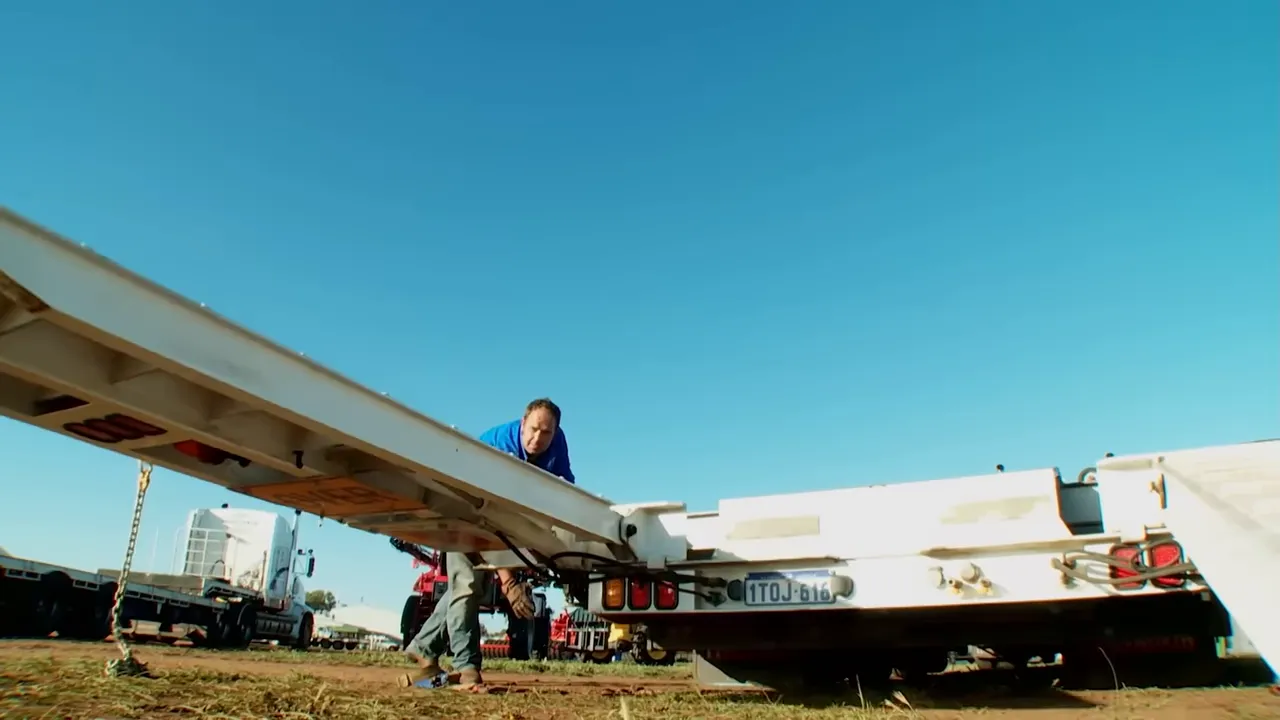
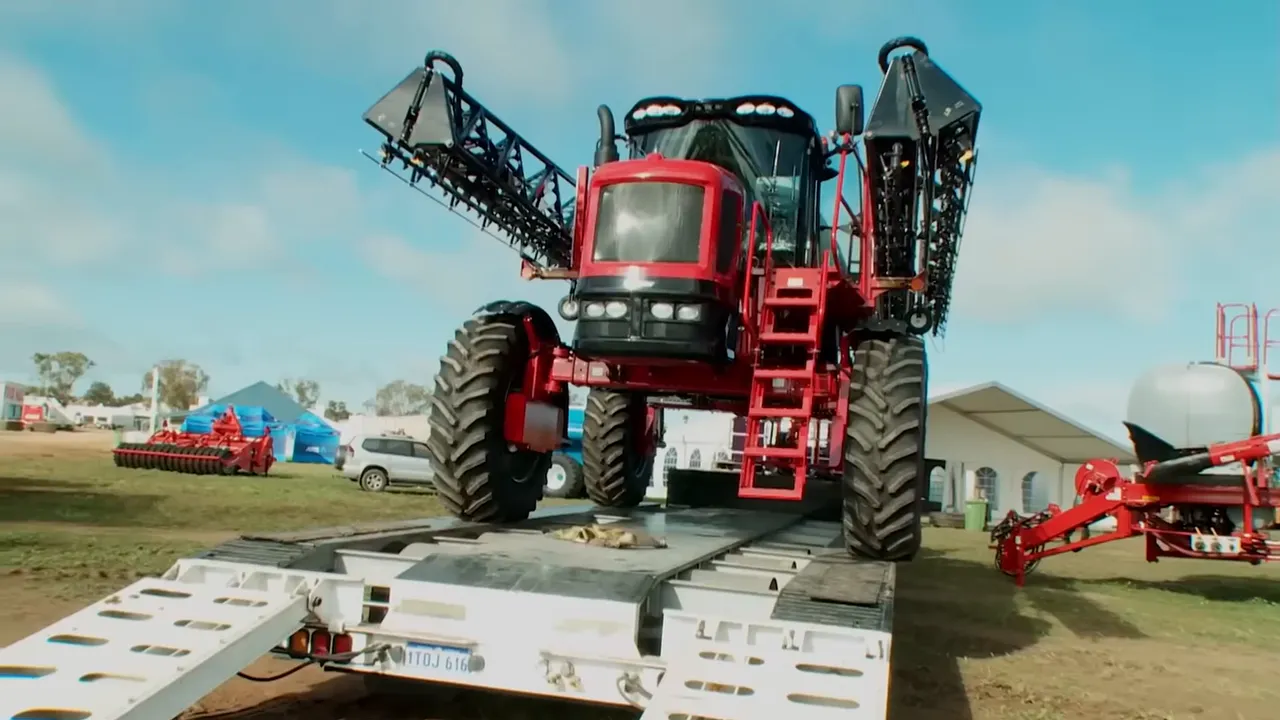
Arriving at Doweran showgrounds, Yogi sees machinery much larger than expected — 10‑ton units, four metres wide and right at the legal and physical limits of his trailer. To protect windscreens the machines must be loaded facing backwards, which introduces tricky blind reverse driving for the pilots. Amanda, Yogi’s wife and rear pilot, backs a machine up a five‑metre ramp with millimetres to spare.
Loading problems and improvisation
The second machine is even wider and has twitchy steering. Mud on the ramps causes wheelspin, forcing the team to re‑set, lay rubber for grip and inch the machine on using a hair‑trigger throttle. One wrong move and the load — and Kendall Trucking’s reputation — could be ruined.
On the road: trees, crosswinds and single‑lane tracks
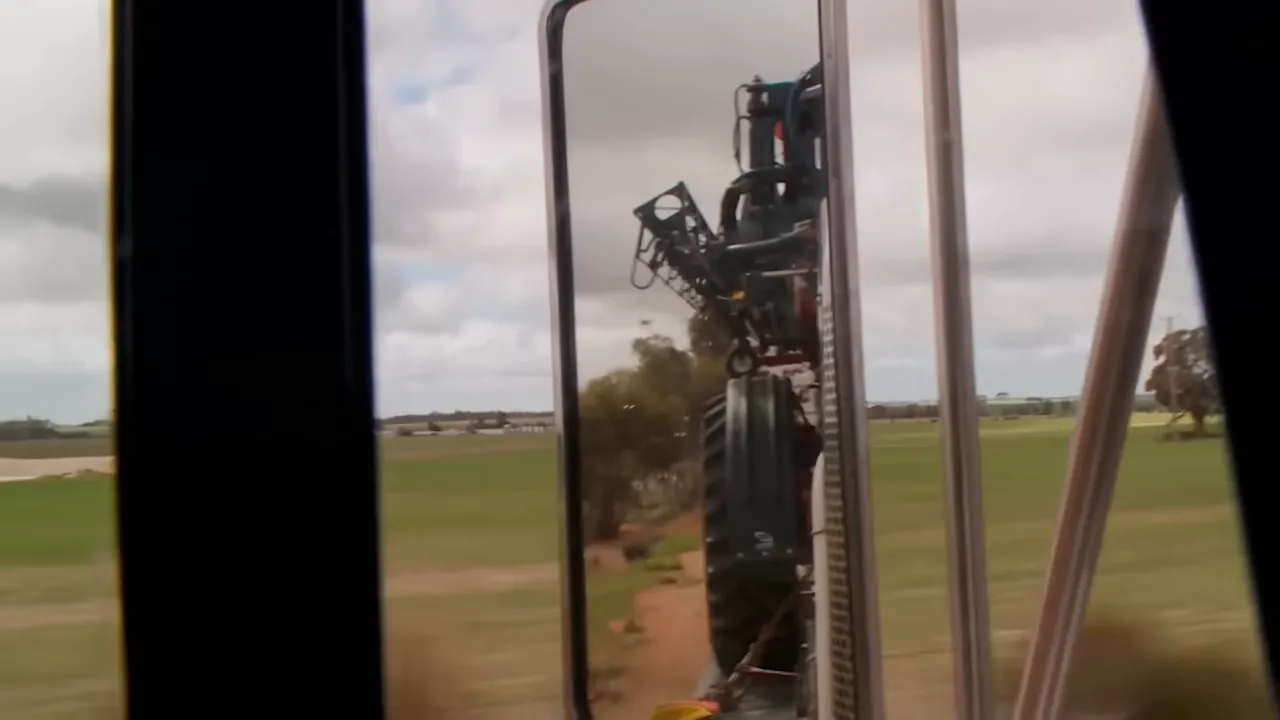
Transporting high centre‑of‑gravity machines brings hazards: low branches can snap spray nozzles, strong crosswinds can catch the underside of sprayers and push the rig off balance, and single‑lane tracks put the 12 trailer wheels perilously close to drop‑offs. Fuel economy suffers as the rig works harder against wind and weight — a real operational cost.
The crisis: a leaking brake line
Just when timing is critical, a brake line starts leaking air. Yogi explains the risk: a locked brake could scuff tyres and lead to airbags dropping. The trailer — a $150,000 investment that "makes the money" for the business — is effectively grounded until the leak is fixed. The team lose valuable hours and revenue waiting for parts and troubleshooting.
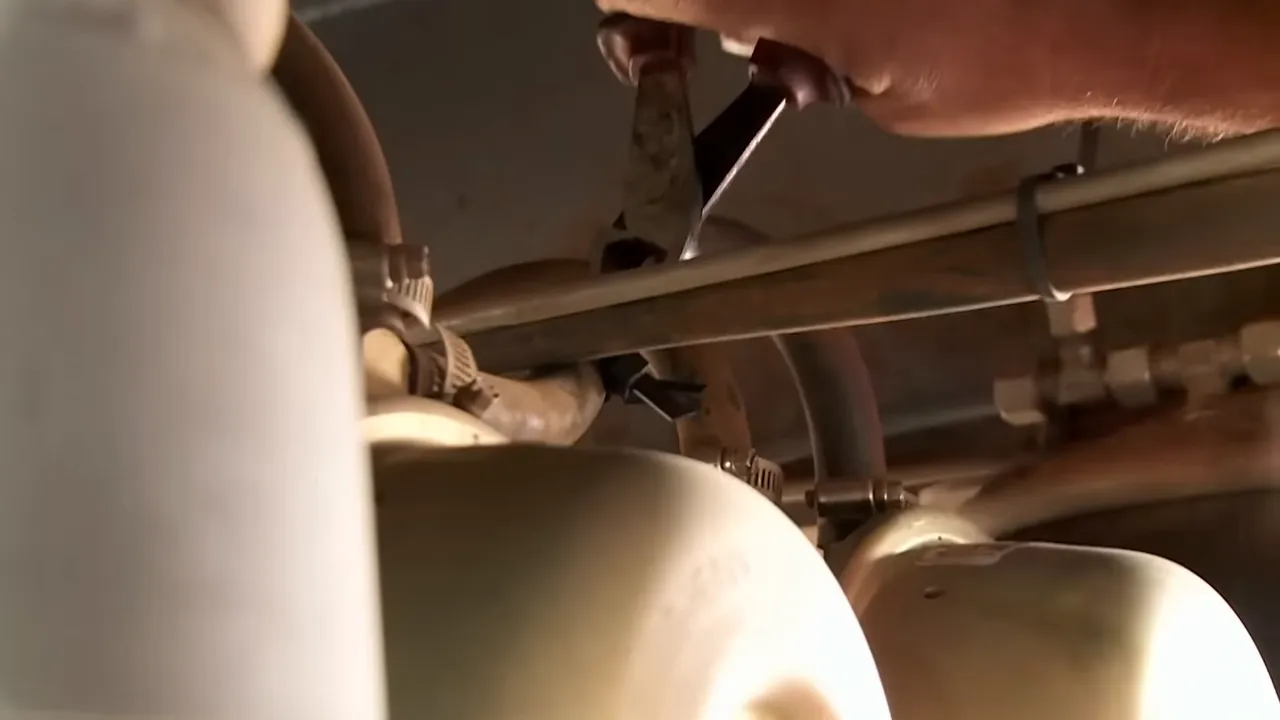
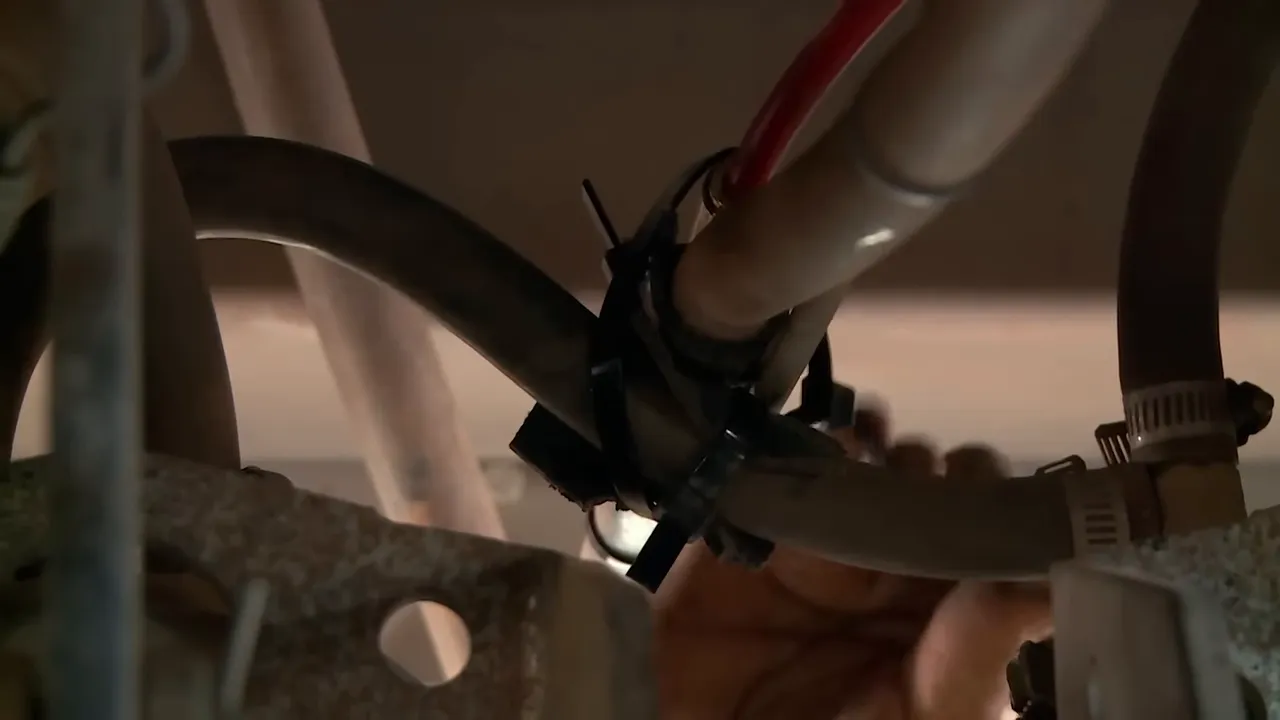
With help from Rob Poet they cut out the leaking section and fit a brass joiner. It’s a small piece of metal but a make‑or‑break repair: if the joiner is wrong the trailer could be crippled. They pressure‑test the repair and get a win: the line holds and the show can go on.
Family, Father's Day and the human cost
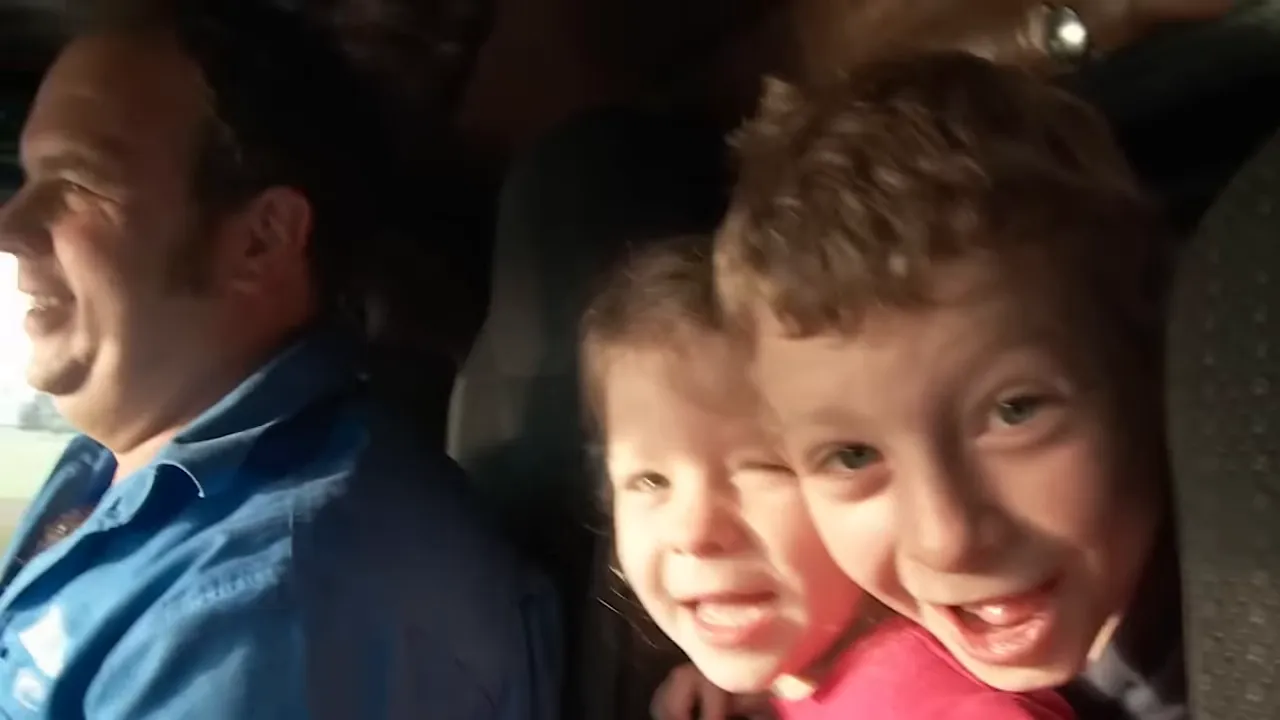
Yogi and Amanda started Kendall Trucking three months earlier and have been deep in the red — which is why every job counts. The couple miss school events and face the trade‑offs of family life; on the Sunday after the trailer repair they take their kids for a run and make a Father's Day trip part of the delivery run. The show of family support underscores the emotional price of startup trucking.
Last‑minute push and a missed bonus
After loading a near‑limit cedar (3.8m wide) using a loader to save time, Yogi races to deliver an extra bonus job — but fog and a loose chain force him to stop. A rival passes with an empty truck and wins the extra contract. Yogi reflects that losing even small amounts of cash hits hard when you're starting up: “$2,000 to me is worth about $20,000.”
Delivery and takeaways
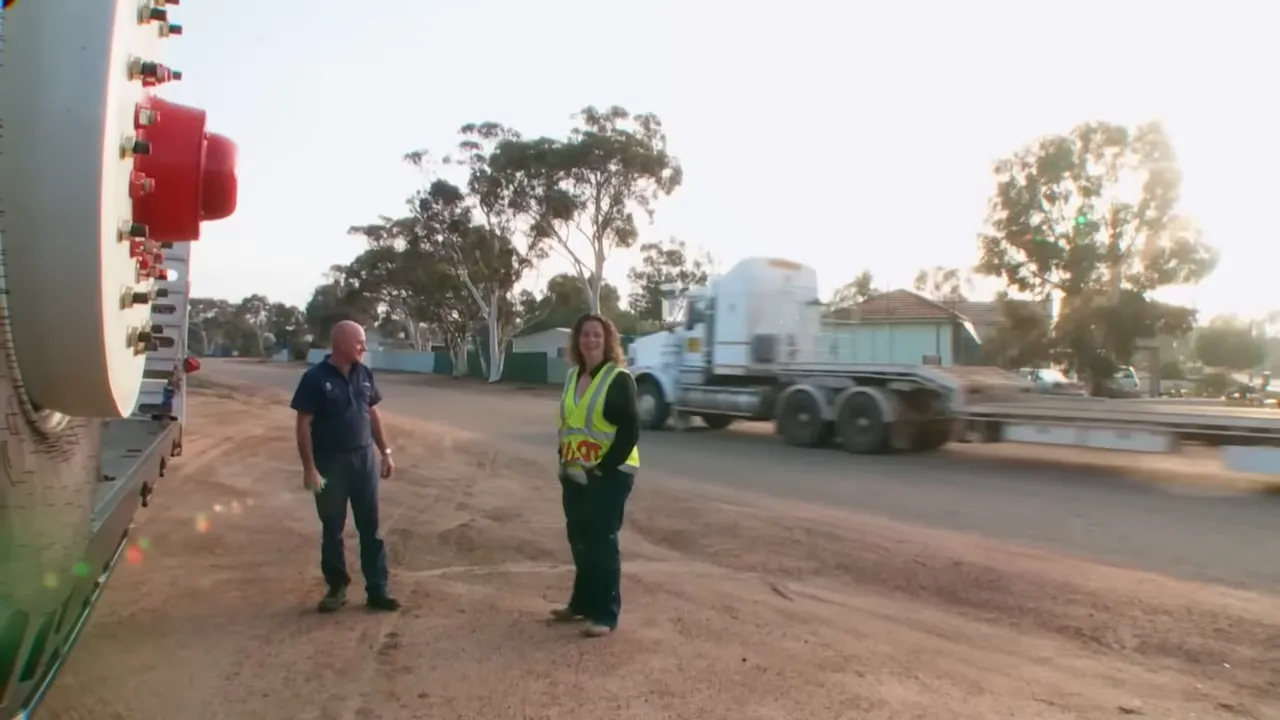
Despite setbacks, Yogi delivers the loads and wins happy customers. The episode drills home several practical lessons:
- Maintenance matters: recurring trailer faults can sink a business; preventive checks and quality parts are non‑negotiable.
- Precision loading: oversized loads often have one chance — plan, communicate and use the right equipment.
- Safety systems and obligations: understanding the chain of responsibility; CoR between pilot, driver, consignor and third parties is critical to share duty and prevent rushed, risky decisions.
FAQ
- Q: What is the chain of responsibility; CoR?
A: It’s the legal framework that assigns duties to all parties in the transport chain to ensure safety and compliance — drivers, operators, consignors, schedulers and others all have responsibilities. - Q: How did CoR apply to Yogi’s job?
A: Pilot Amanda, Yogi, the loader operator and the consignors all played a role in safe loading and transport. Decisions about loading sequence, equipment checks and timing are CoR matters. - Q: Could the breakdowns have been avoided?
A: Some issues are unpredictable, but regular inspections, correct fittings and not cutting corners on parts reduce risk.
Credits
Footage and story: Outback Truckers. If you want to see the full run‑through and repairs in action, watch the original episode on the Outback Truckers channel — it’s a great real‑world case study in heavy haul logistics and why chain of responsibility; CoR matters in practice.
This article was created from content published by https://www.nhvr.gov.au/. Visit the site for latest and current information.


