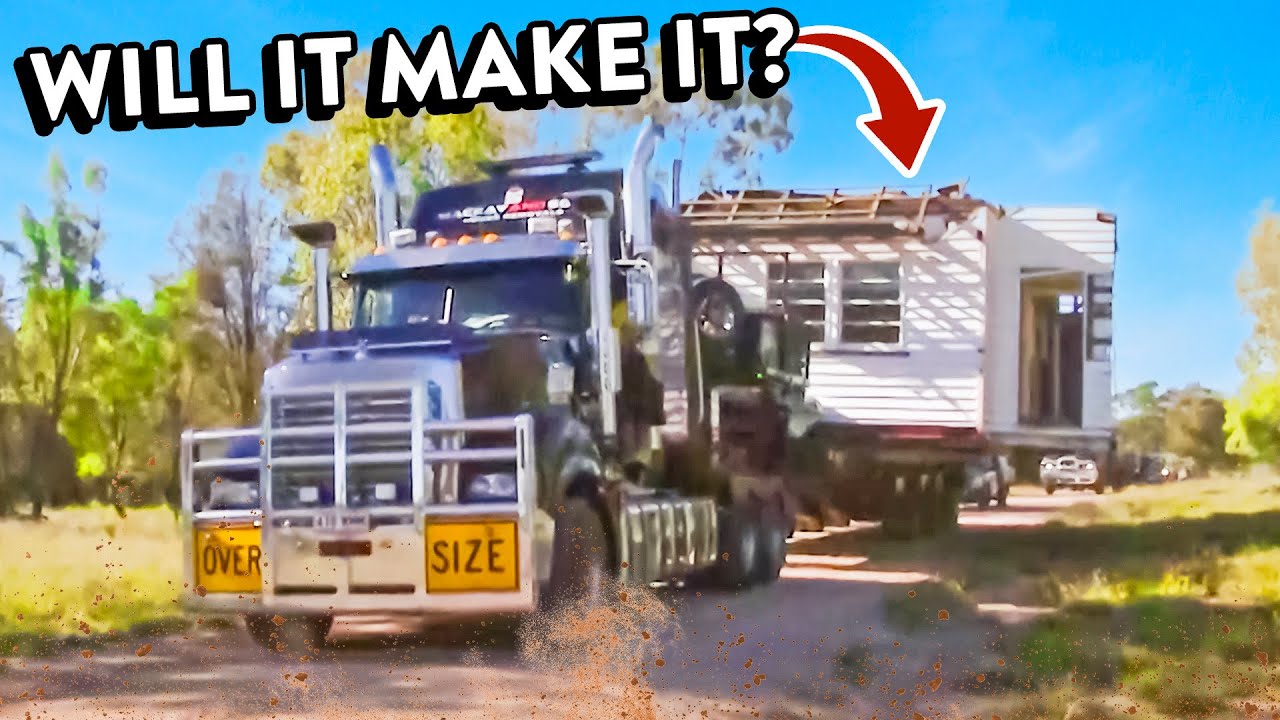
This article breaks down a tense, high-stakes night move by Mackay and Sons as they transport a three-bedroom house from Brisbane to a farm near Condamine. Along the way we look at the logistics, the safety procedures and the practical application of the chain of responsibility; CoR — because when an oversized load travels at midnight, every decision matters.
Table of Contents
- Overview: the job at a glance
- Pre-move preparation: cutting and checking
- On the road: urban obstacles and timing pressures
- Incidents and problem solving
- Final leg: mud, tractors and teamwork on the farm
- Lessons learned: safety, planning and shared duty
- FAQ
- Conclusion
Overview: the job at a glance
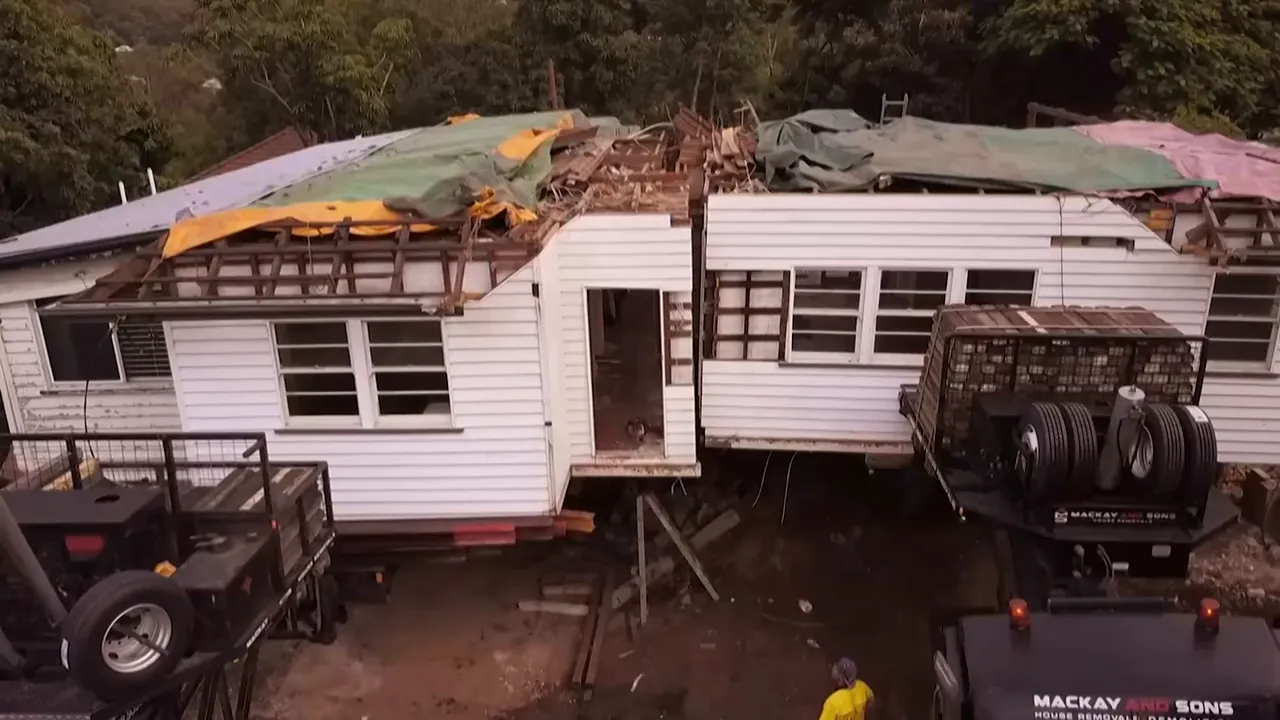
The crew from Mackay and Sons split the home into two 9.5-metre-wide halves, loaded each onto steerable trailers and set off after midnight under escort. What should have been a routine oversized haul turned into a test of experience and procedure: rain-slicked work sites, a punctured tyre, missing tools, power lines, tight suburban streets and soft paddocks. The video from Outback Truckers captures both the drama and the methodical steps teams follow to keep a complex move legal and safe.
Pre-move preparation: cutting and checking
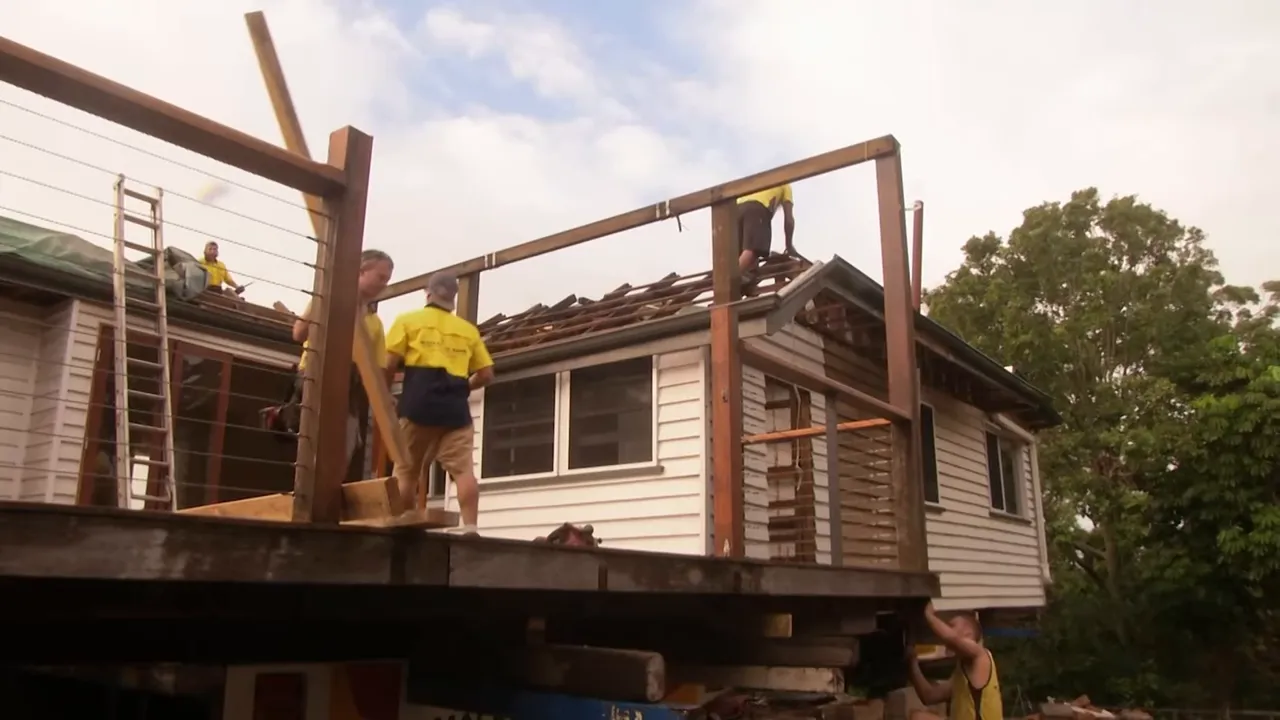
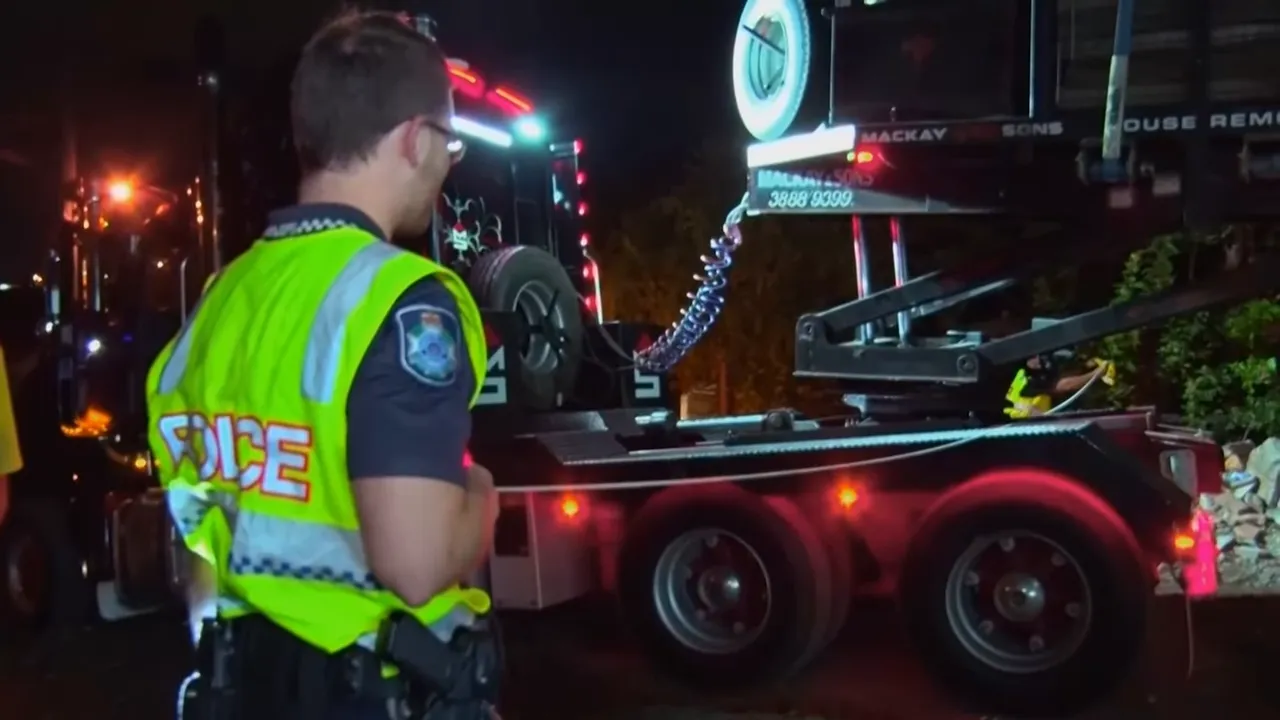
Foreman Shane Burgess and his crew spent hours cutting the house into transportable sections. Roofs were lowered and anything projecting from underneath removed. Teams use experienced crew, detailed permits and police escorts to make sure dimensions and weights comply. That paperwork and those checks are a practical demonstration of the chain of responsibility; CoR — everyone from the foreman to the escort officer shares duties for safety and compliance.
Key checks before departure
- Dimension and weight measurements verified against permits.
- Police escort inspects load and paperwork to confirm compliance.
- Load restrained and weather conditions assessed.
- All tools and jacks checked — a missing jack delayed the convoy.
On the road: urban obstacles and timing pressures
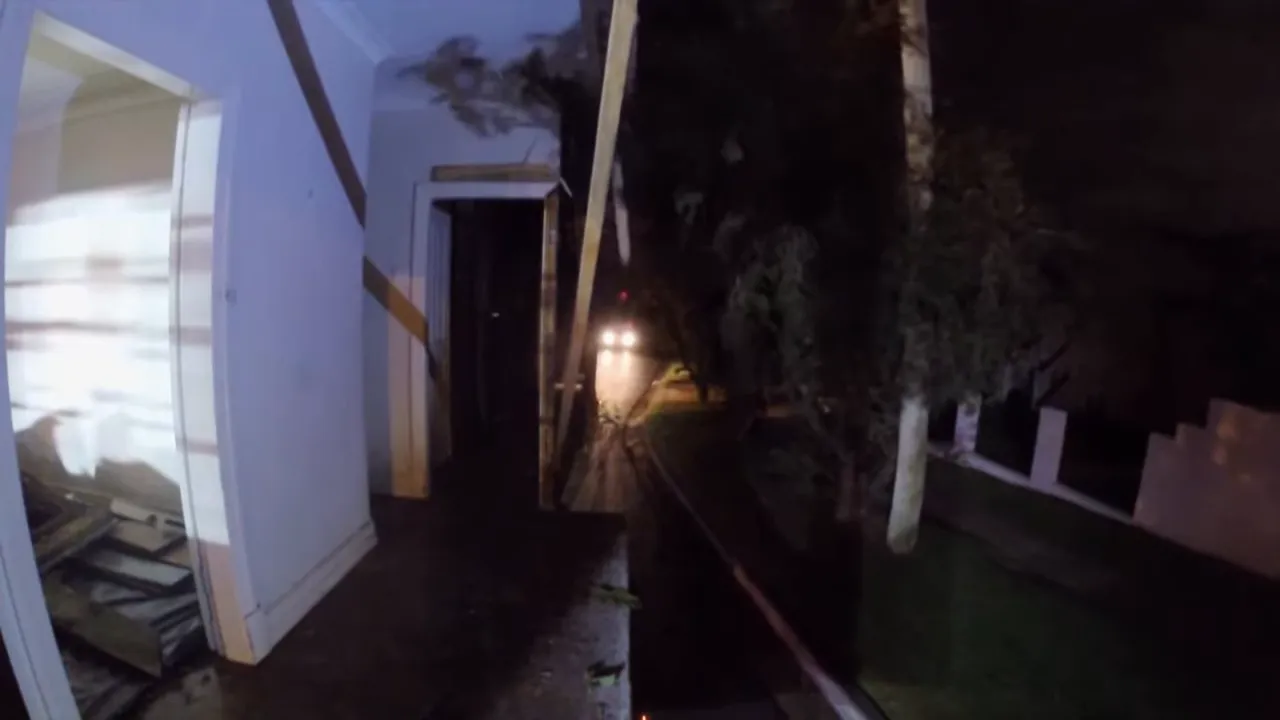
Because Brisbane City allows wide loads to leave only at midnight, timing is critical. Robbie, driving the lead truck, must clear suburban streets with overhanging trees, negotiate a two‑lane highway while carrying a nine-metre-wide section and beat an oversized curfew at Toowoomba. Daylight, parked cars on wide-load routes and live power lines all amplify risk. These operational pressures show why the chain of responsibility; CoR is more than paperwork — it affects routing, crew allocation and how spotters are used.
Practical mitigations on the move
- Use of spotters at both front and rear to monitor clearances.
- Adjustable hydraulic trailers to lift and tilt sections for clearance.
- Communication with police escorts and local traffic controllers.
- Contingency plans for roadworks and unexpected lane closures.
Incidents and problem solving
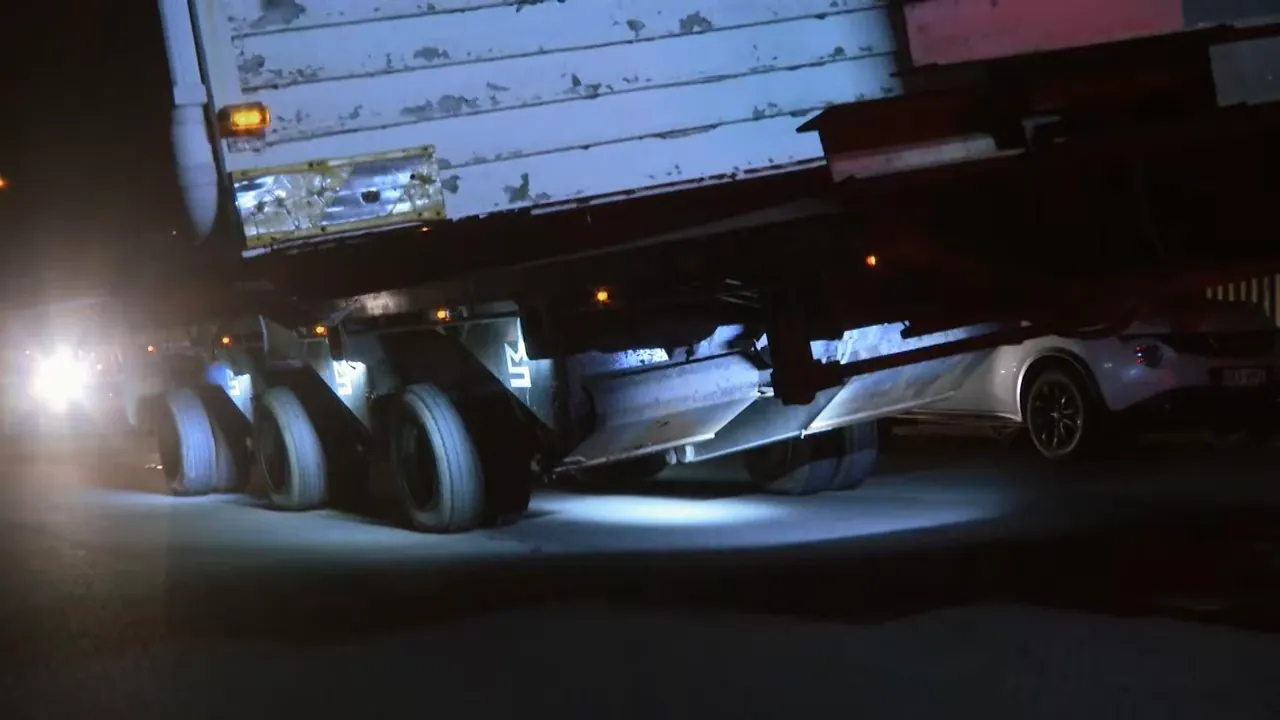
Shortly after leaving the property the convoy picked up a nail through a tyre and discovered a jack was missing. Later, a tarpaulin came loose and a high fence and signage interacted with the house on the highway — a water pipe was snapped and a fence snagged the structure, trapping the rear truck until hydraulics lifted the load. There was also a recent near-catastrophic event where a worker was pinned between a trailer and a house; quick thinking and safety procedures limited the outcome to lacerations. These moments highlight the real-world consequences when a single step in the chain of responsibility; CoR is not followed.
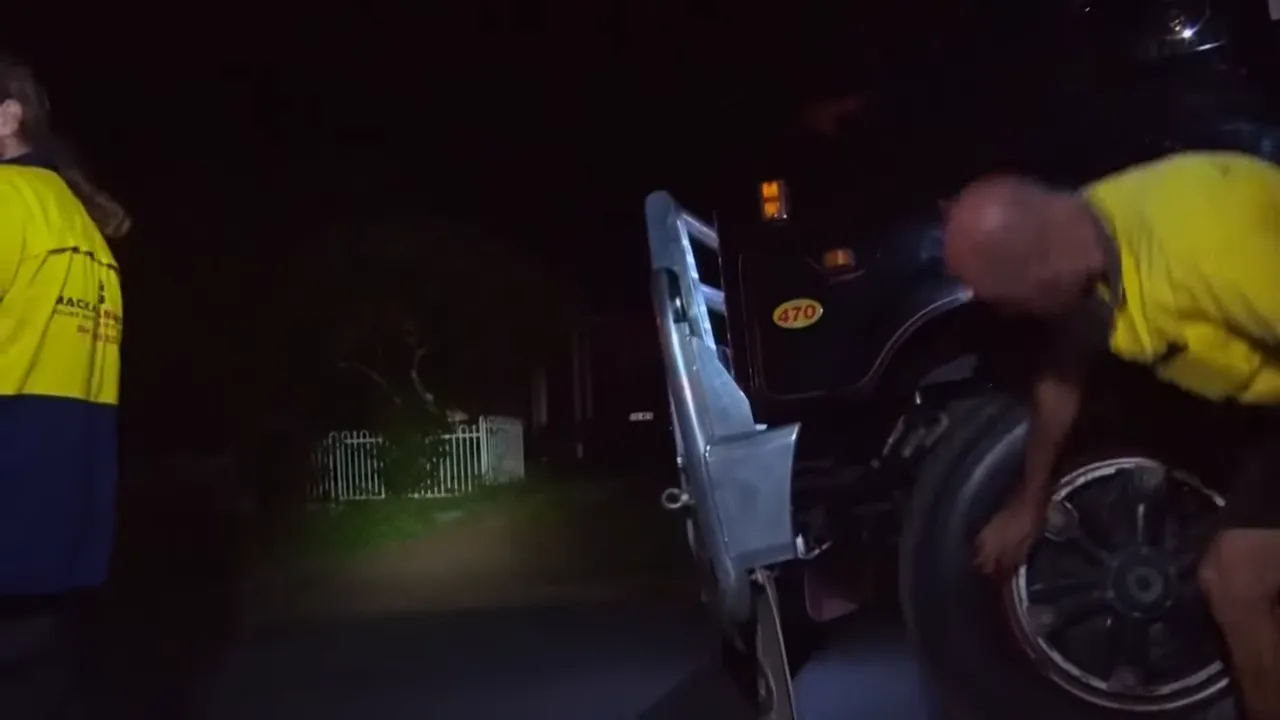
Keeping the convoy moving was vital: with a 20‑tonne house on the trailer, stopping on a climb could mean stalling and losing time needed to pass through towns before curfew. Robbie’s hydraulic trailer, worth around half a million dollars, was used to millimetre-adjust clearances — a tangible example of equipment, training and decision-making working together under the chain of responsibility; CoR.
Final leg: mud, tractors and teamwork on the farm
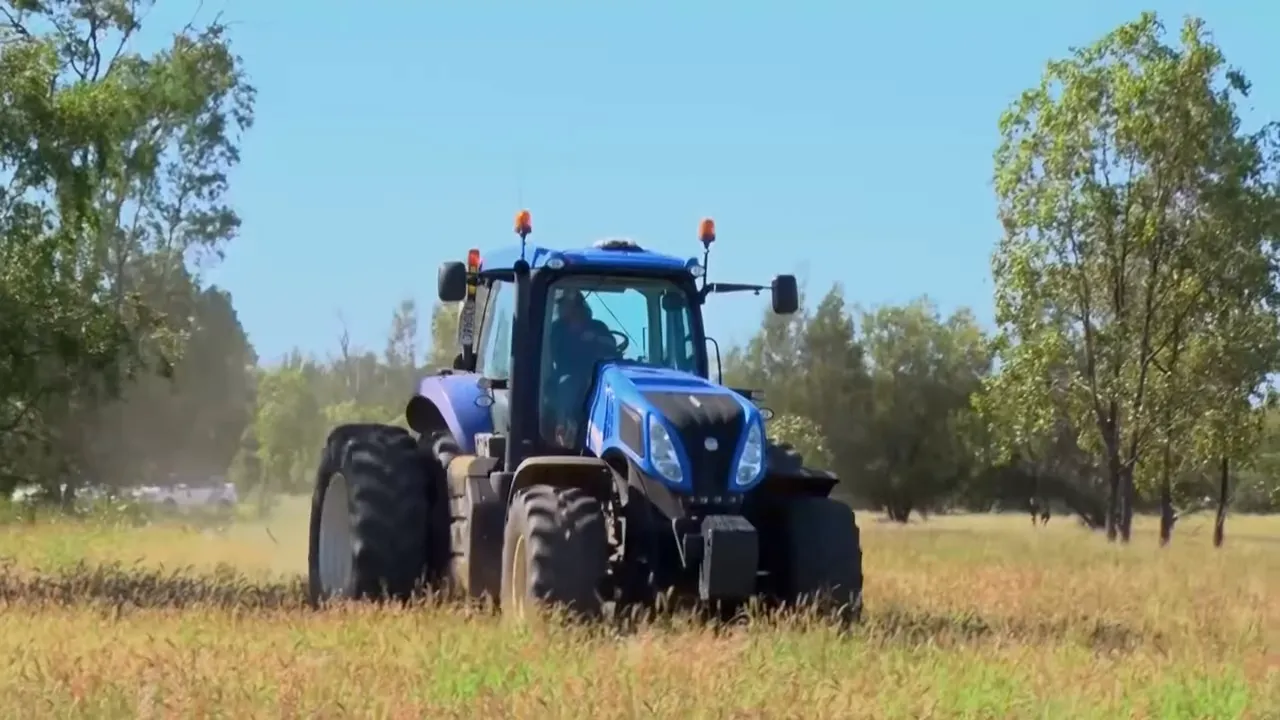
Daybreak revealed kilometres of wet paddocks. The rear truck bogged down in soft ground and the crew called on the client — local farmer David — who brought his dual-wheel tractor to tow the truck out. Over 315 horsepower and wide tyres stopped the tug becoming a second casualty of the weather. With teamwork the house was finally manoeuvred onto its new footing.
Lessons learned: safety, planning and shared duty
From the site prep to the final placement, the move demonstrates that safety is distributed across people, equipment and process. The chain of responsibility; CoR runs through every decision: permit holders, drivers, route planners, equipment operators and client representatives all hold responsibilities that, combined, keep the load, the crew and the public safe.
- Rigorous pre-move checks reduce avoidable delays.
- Qualified spotters and police escorts are crucial in confined urban areas.
- Contingency planning for weather, tools and punctures saves time and prevents damage.
- Clear communication across the team ensures compliance with the chain of responsibility; CoR.
FAQ
Q: What is the chain of responsibility; CoR and why does it matter on oversize moves?
A: The chain of responsibility; CoR is the principle that all parties who influence transport safety share legal and practical responsibility. On oversize loads that means planners, drivers, escort services, load owners and site managers must each act to prevent harm and ensure compliance.
Q: Who checks the permits and dimensions before the move?
A: Police escorts and the transport crew cross-check measurements and documentation prior to departure. If the load exceeds permitted width or length the move can be stopped immediately.
Q: How do teams manage unexpected hazards like flats or snagged fences?
A: Contingency plans, spare equipment, hydraulic trailer adjustments and spotter guidance are used to respond quickly. If external help is needed (for example a tractor to extract a bogged truck), crews will coordinate with the client or local operators while maintaining safety oversight.
Q: Where can I watch the full move?
A: The original footage and full context are available from Outback Truckers; their video documents the entire operation from cut to set-down.
Conclusion
The Mackay and Sons move shows the technical skill and on-the-spot judgement needed to transport a house through mixed urban and rural terrain. This job was a practical case study in how the chain of responsibility; CoR functions in the field: shared duties, clear permits, competent crews and contingency planning combined to deliver the house — and protect everyone involved.
Credit: original video by Outback Truckers. For the full visual account and to support the creators, watch the source material.
This article was created from content published by https://www.nhvr.gov.au/. Visit the site for latest and current information.


