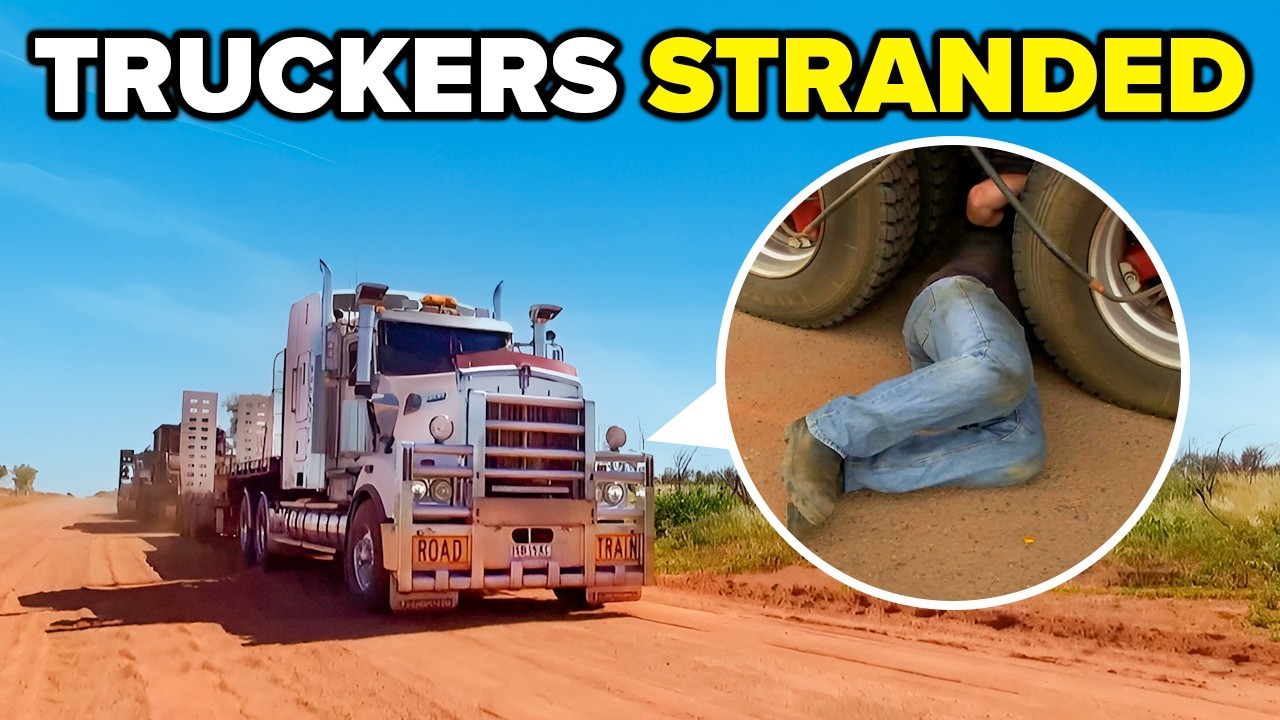
This article republishes and expands on the Outback Truckers compilation "How Truckers Survive Outback Breakdowns" to explain how remote drivers diagnose, jury‑rig and manage failures hundreds of kilometres from help. It also touches on the practical implications for chain of responsibility; CoR — because when a truck stops in the middle of nowhere, everyone in the supply chain feels the impact.
Table of Contents
- Overview: breakdowns, deadlines and bush ingenuity
- Sludge: missing nuts, a bung hand and a racing clock
- Mark: a fuel surge fault and an idler pulley failure
- Turbo: cracked hub, bulldust and eggs in the radiator
- Steve: a brand‑new diff, a blown wheel seal and fast parts hunting
- Practical lessons and checklist for operators
- Conclusion
- FAQ
Overview: breakdowns, deadlines and bush ingenuity
In the Australian Outback, drivers face extreme heat, corrugated dirt and long gaps between towns. The video follows four truckies — Sludge, Mark, Turbo and Steve — as they encounter alternator bolts, fuel‑starvation faults, cracked hubs, leaking radiators and blown wheel seals. Each scenario shows how quick thinking, basic spares and local help keep freight moving and how the chain of responsibility; CoR plays out when delays ripple to customers.
Sludge: missing nuts, a bung hand and a racing clock
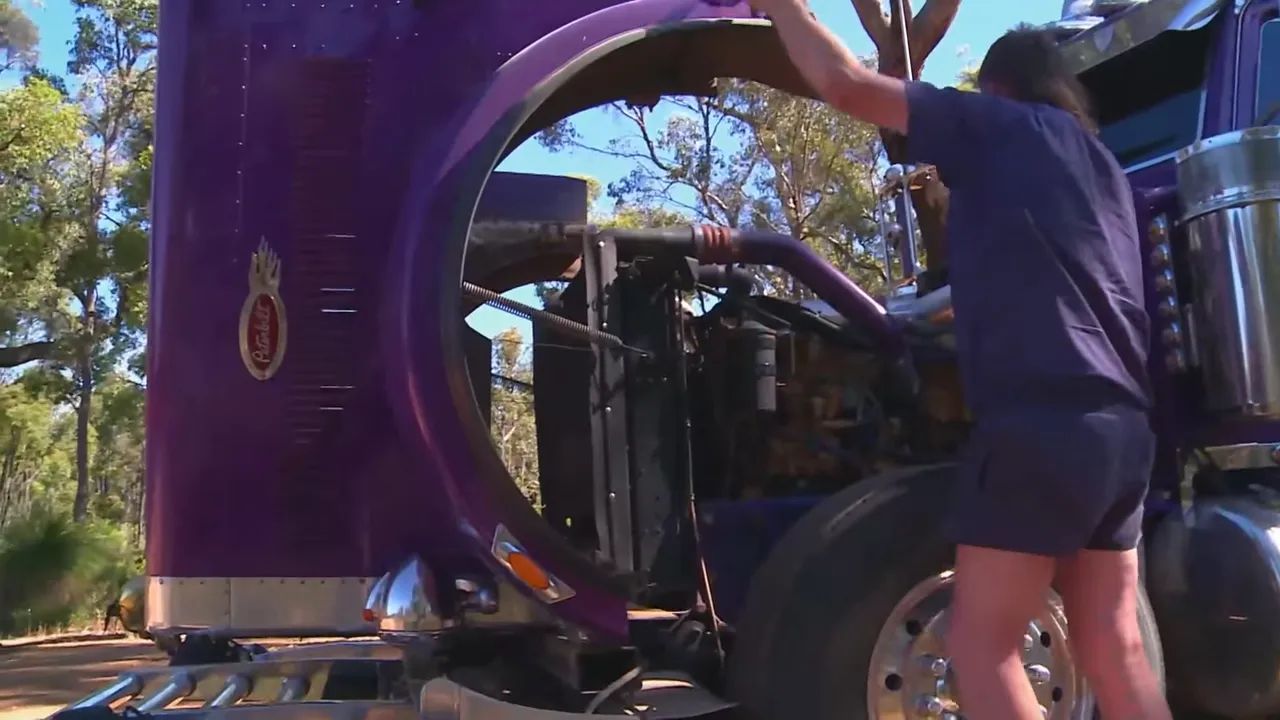
Sludge is stranded 60 km from the nearest town when his temperature gauge spikes. What looks like a pop turns out to be the alternator coming loose — all the bolts backing out. Without a charging alternator the truck won’t start and the delivery schedule is at risk.
- Diagnosis: alternator top bolts pulled out and fan belts at risk.
- Solution: a lucky box of random bolts provides the correct nut; Sludge re‑seats and secures the alternator.
- Impact: an hour and a half lost, but the truck’s back on the road.
Sludge’s case is a reminder that small parts and a basic toolkit can save days. From a CoR perspective, carriers should ensure vehicles carry essential spares and drivers have the authority to carry out minor repairs so customers aren’t left waiting — a practical obligation under chain of responsibility; CoR.
Mark: a fuel surge fault and an idler pulley failure
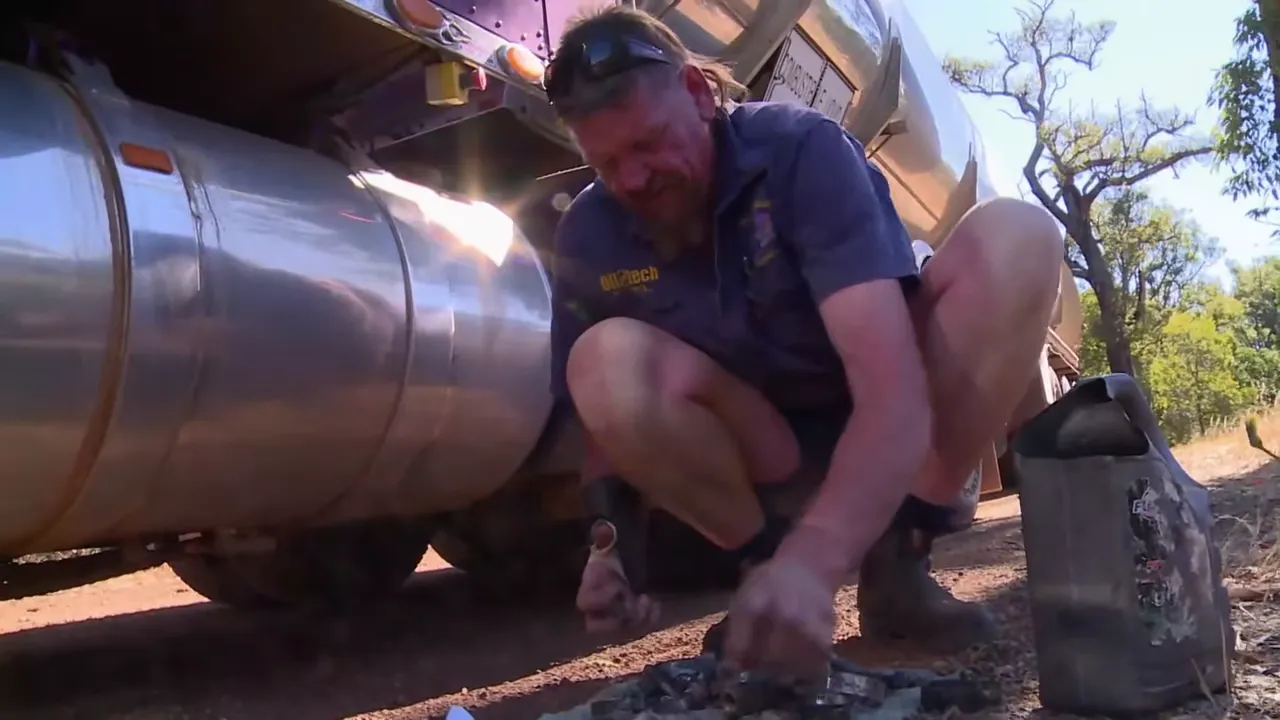
Mark is racing a deadline to Kuberpedi with limited phone service. He hits two problems: a fuel surge in the tank that causes engine shutdowns unless the truck rolls smoothly, and later a failed idler pulley and alternator belt after a recent service.
- Diagnosis: fuel picks up air due to surge; later the pulley's gone and belt off.
- Workaround: careful roll‑into the bowser to refuel; strip the trim carrier, identify that the failed idler only ran the air‑con, and send a mechanic back to Alice Springs to fetch parts.
- Impact: 14 hours to secure spares and refit parts, a loose headlight fixed on the move, and a nerve‑wracking oil leak that later clears.
Mark’s experience highlights the importance of pre‑trip checks and stock‑holding policies. Under chain of responsibility; CoR, operators should have documented maintenance, spare parts plans and escalation routes so drivers don’t have to gamble with safety or deadlines.
Turbo: cracked hub, bulldust and eggs in the radiator
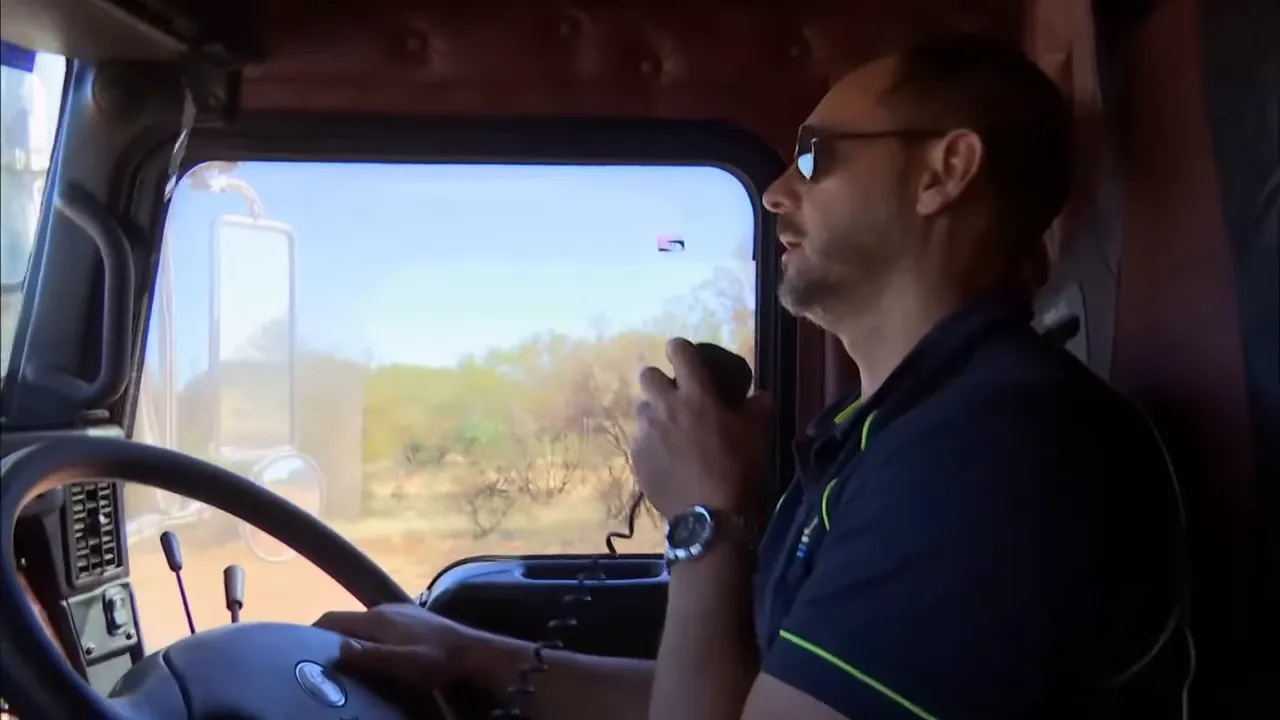
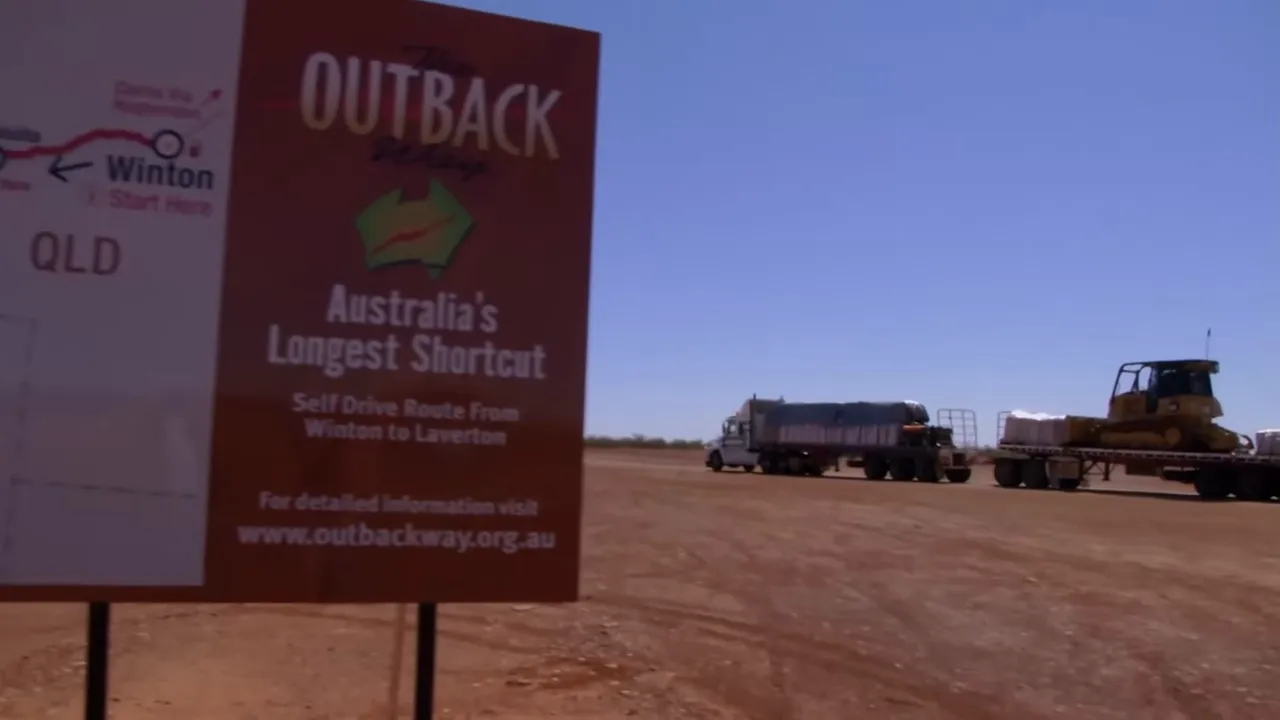
Turbo’s new rig barely leaves Brisbane before a front hub starts leaking oil. He opts for a detour — an 800 km dirt shortcut — and the corrugations cause dozens of bags to break loose and the hub to crack. With no nearby parts, he performs a bush rebuild using “plastic steel” to seal cracks, replaces oil and moves on.
- Diagnosis: cracked hub and vanished oil; later a radiator begins to leak.
- Bush repairs: plastic steel to seal the hub; then a creative emergency patch using commercial stop‑leak and farm eggs added to the radiator as a temporary plug while he limps towards Darwin.
- Impact: more tyre issues and a blown tyre en route; Turbo arrives in Darwin 12 hours late but alive.
Turbo’s improvisation demonstrates the reality of remote breakdowns: sometimes you must use what’s on hand. Operators should plan for remote repairs — carry approved stop‑leak products and have contingency rules that reflect the chain of responsibility; CoR so no one makes unsafe choices under pressure.
Steve: a brand‑new diff, a blown wheel seal and fast parts hunting
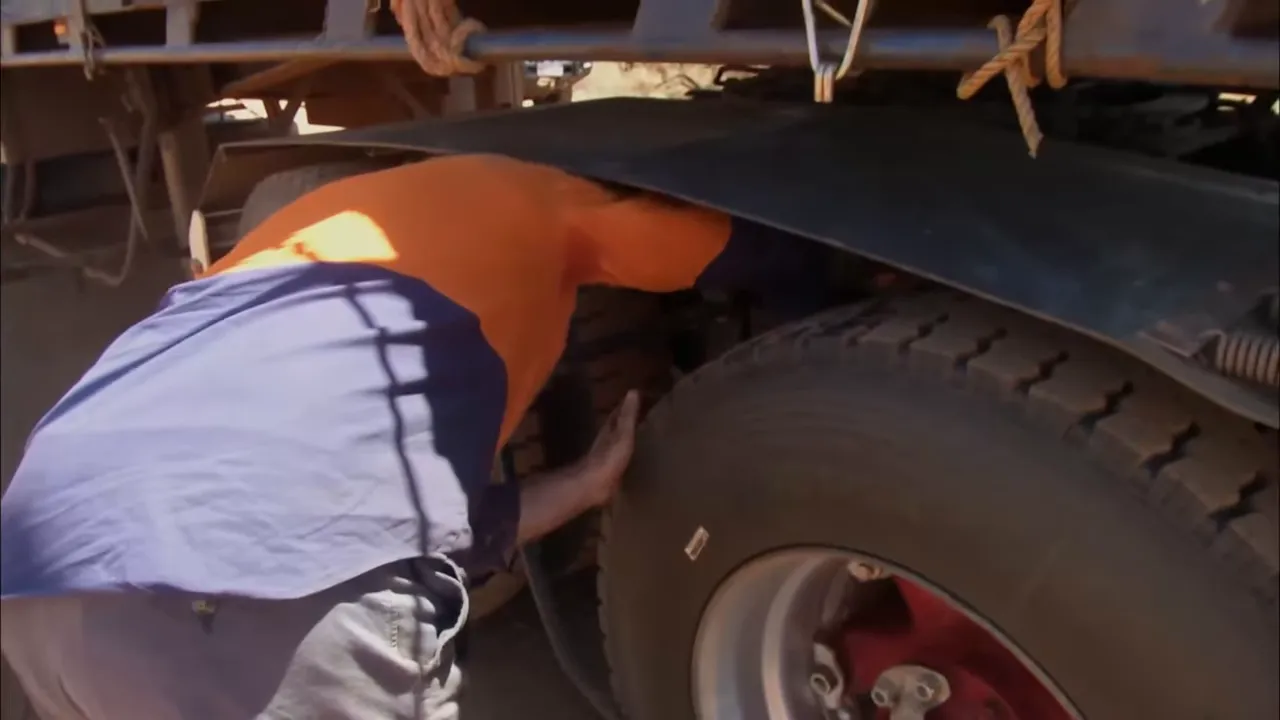
Steve pulls over for a routine load check after 500 km and finds diff oil spraying — a wheel seal has failed on a new diff. This is serious: a failed drive wheel seal can overheat bearings, spray oil and cause a hub failure that blocks the truck for a day or more. He races 200 km to Mount Magnet to find parts and a mechanic.
- Diagnosis: blown bearing seal causing oil spray; initial inspection shows no catastrophic metal fragments — a good sign.
- Fix: remove hub, replace seal — but only if the right part is available locally. Steve waits six hours, borrows a part and gets rolling.
- Impact: customer complaints already hitting the phones; delays cascade down the chain.
Steve’s situation underlines fleet management responsibilities: inventory, parts networks and response plans minimize downtime. This is squarely within the responsibilities referenced by chain of responsibility; CoR — operators must reasonably manage risks that affect their customers and the road network.
Practical lessons and checklist for operators
Across these stories a few practical lessons emerge for drivers, operators and supply chain parties:
- Carry a basic spare parts kit (nuts, belts, seals, stop‑leak) and a standard toolbox.
- Document pre‑trip inspections and maintenance records so small faults are caught before remote runs.
- Train drivers in basic bush repairs and establish clear escalation and parts‑sourcing procedures.
- Plan routes with contingency stops and communicate delays promptly to customers and dispatch.
- Review CoR obligations: ensuring safety, load restraint and reasonable maintenance planning is part of preventing supply chain harm.
Conclusion
The Outback rewards preparation and punishes complacency. Sludge, Mark, Turbo and Steve all show how experience, improvisation and local help keep massive rigs moving through harsh country. For operators and logistics managers, these real‑world examples underline why chain of responsibility; CoR isn’t just legal wording — it’s practical risk management that keeps freight flowing and people safe.
Credits: original footage and stories courtesy of Outback Truckers. Watch the source video for full action and context.
FAQ
Q: What should drivers carry to handle common Outback breakdowns?
A: A basic kit: spare belts, nuts/bolts, an alternator belt, a tyre repair kit, a bottle of stop‑leak, basic hand tools, and a compact parts list tailored to the make/model. Training on how to safely use these items is essential under chain of responsibility; CoR.
Q: When is it acceptable to perform a bush repair?
A: Temporary repairs that restore safe mobility until a proper workshop can be reached are acceptable when documented, safe, and do not compromise load restraint or roadworthiness. The operator should have policies that empower drivers to make these decisions while meeting chain of responsibility; CoR requirements.
Q: How can operators reduce downtime on remote runs?
A: Maintain spare parts stocks at strategic hubs, pre‑trip checklists, remote assistance lines, and relationships with local stations and mechanics. Clear CoR‑aligned procedures ensure everyone understands who is responsible for what when things go wrong.
Q: Who is liable when a breakdown causes a missed delivery?
A: Liability depends on contractual terms, maintenance history and evidence of reasonable steps taken by the operator. Demonstrating compliance with maintenance and safety policies helps meet chain of responsibility; CoR obligations and manage claims.
Q: Where can I learn more about CoR obligations for heavy vehicles?
A: Industry regulators and operator guidance documents outline duties and expectations. Make sure your fleet policies, training and record‑keeping reflect your chain of responsibility; CoR obligations to reduce risk and protect customers and road users.
This article was created from content published by https://www.nhvr.gov.au/. Visit the site for latest and current information.


