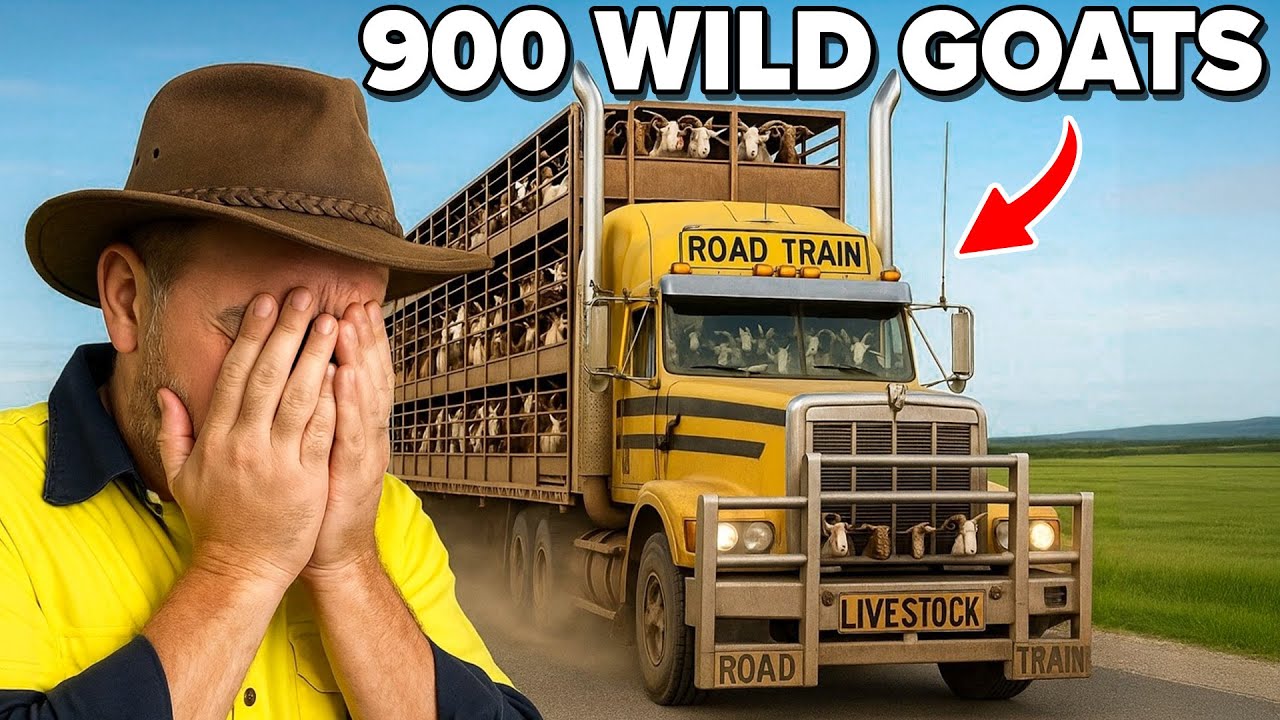
This article breaks down a gripping Outback Truckers run — a 7‑hour, 500 km haul with nearly 1,000 feral goats on a four‑deck trailer — and what it reveals about responsibilities on the road. The clip (credit: Outback Truckers) showcases vehicle management, animal welfare and practical risk control in extreme conditions. Below you’ll find a scene‑by‑scene summary, safety takeaways and a short FAQ about chain of responsibility; CoR in livestock transport.
Table of Contents
- The set‑up: drought country, feral goats and urgent income
- Mustering and loading: skill, speed and the dangers of a top‑heavy load
- On the road: heat, gear stress and animal welfare — applying chain of responsibility; CoR
- Road hazards and time pressure
- Delivery and aftercare
- Conclusion: what this run teaches about responsibility on the road
- FAQ
The set‑up: drought country, feral goats and urgent income
The job starts in drought‑hit outback country where feral goats number in the millions and provide crucial income for stations. Rob Newton must remove thousands from his property each year to stop stock being overrun. A single truckload is worth about $50,000 in hard times, so getting as many as possible on board matters.
Mustering and loading: skill, speed and the dangers of a top‑heavy load
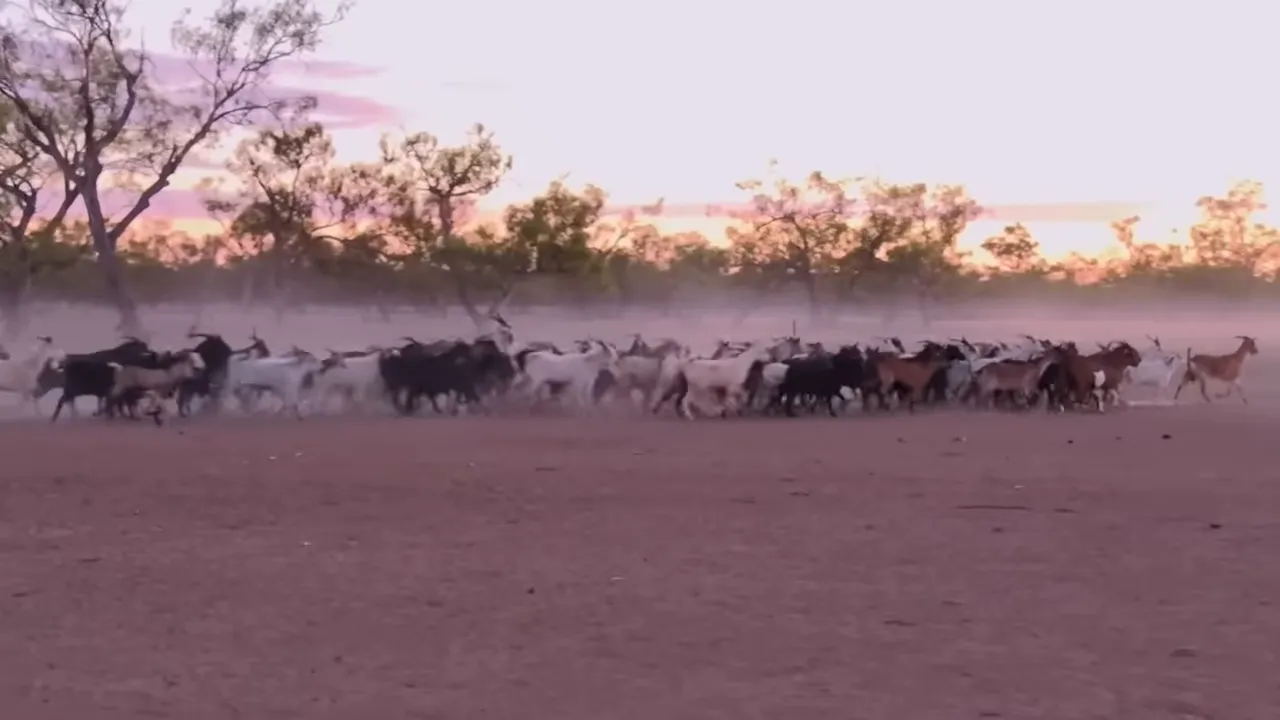
Mustering wild goats takes skill, a calm crew and a bit of luck. Goats are intelligent and quick to exploit gaps: one alpha billy making a dash can split a mob and undo a day's work. Once rounded up, the team drafts and yards the goats overnight so loading can begin before the heat sets in.
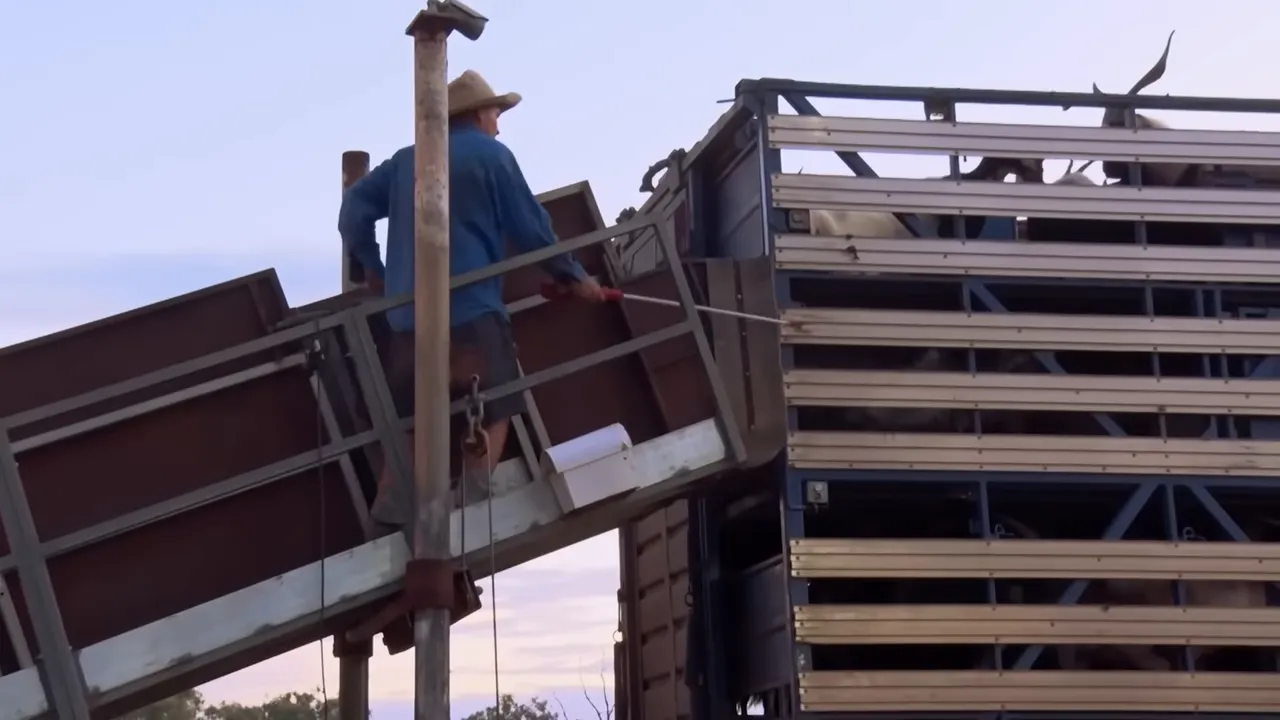
Loading the top decks is the trickiest part — goats will jump, crowd and even fall five metres to escape. The crew counts final headstock (960 in this run), only to lose one during a frantic moment at the ramp. Small losses like that are frustrating but expected when moving wild animals.
On the road: heat, gear stress and animal welfare — applying chain of responsibility; CoR
Daytime temperatures forecast to 45°C push both truck and animals to their limits. Nigel monitors axle and gearbox temps, tyre wear and trailer airflow while planning stops to prevent crowding and crushing inside pens. Without airflow, goats can overheat quickly; without maintenance, a breakdown in remote country can be catastrophic.
The chain of responsibility; CoR applies directly here: every party in the transport chain — owner, loader, driver and receiver — shares duty to manage risks. That means planning the pick‑up, ensuring the vehicle is suitable, providing water and yards on arrival, and driving in a way that protects the animals and the truck.
Practical CoR steps Nigel and his team demonstrate
- Pre‑trip checks: tyre pressures, gearbox and axle condition, trailer securement and ventilation.
- Early starts and time management: load and move before peak heat; plan to meet delivery windows.
- Frequent inspections: stop and walk the load to find any animals sitting or at risk of being crushed.
- Speed and route selection: balance timely delivery against the risk of mechanical failure on rough roads.
- Contingency planning: have alternate yards, water supplies and communication in case of delays.
Those actions reflect practical obligations under the chain of responsibility; CoR. Parties who consign, load or transport livestock must reasonably manage these risks — not just the driver.
Road hazards and time pressure
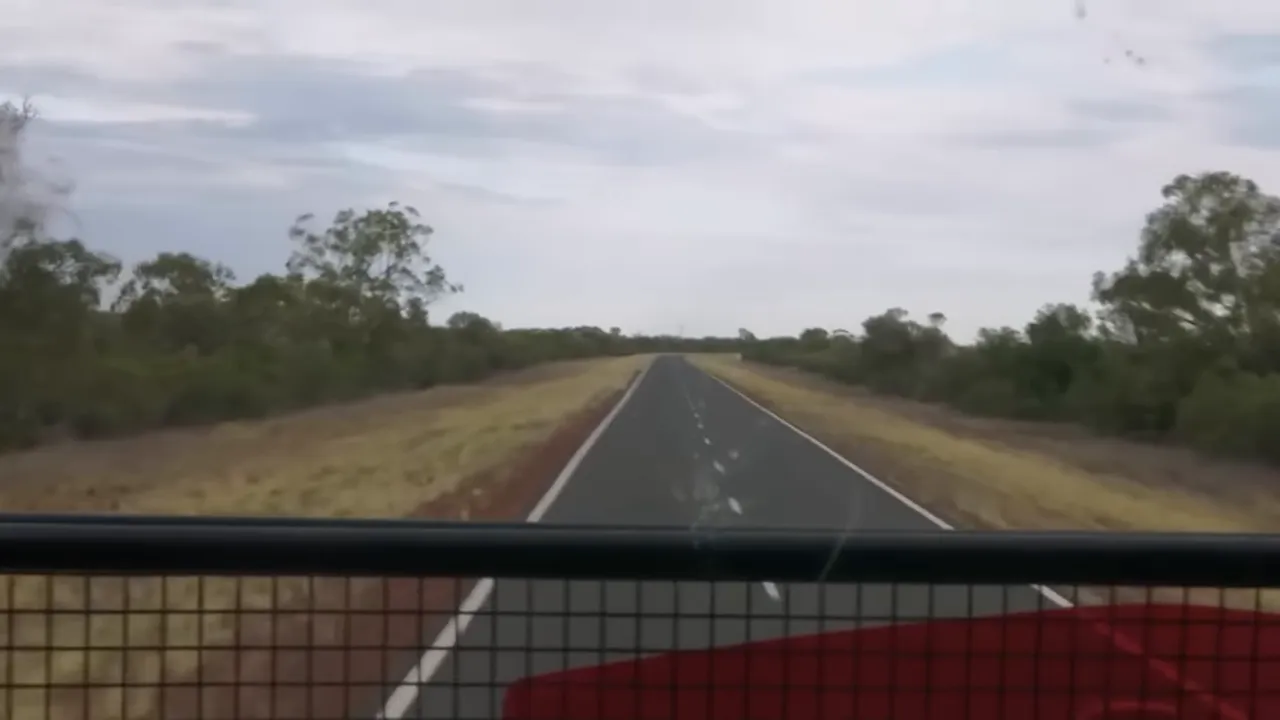
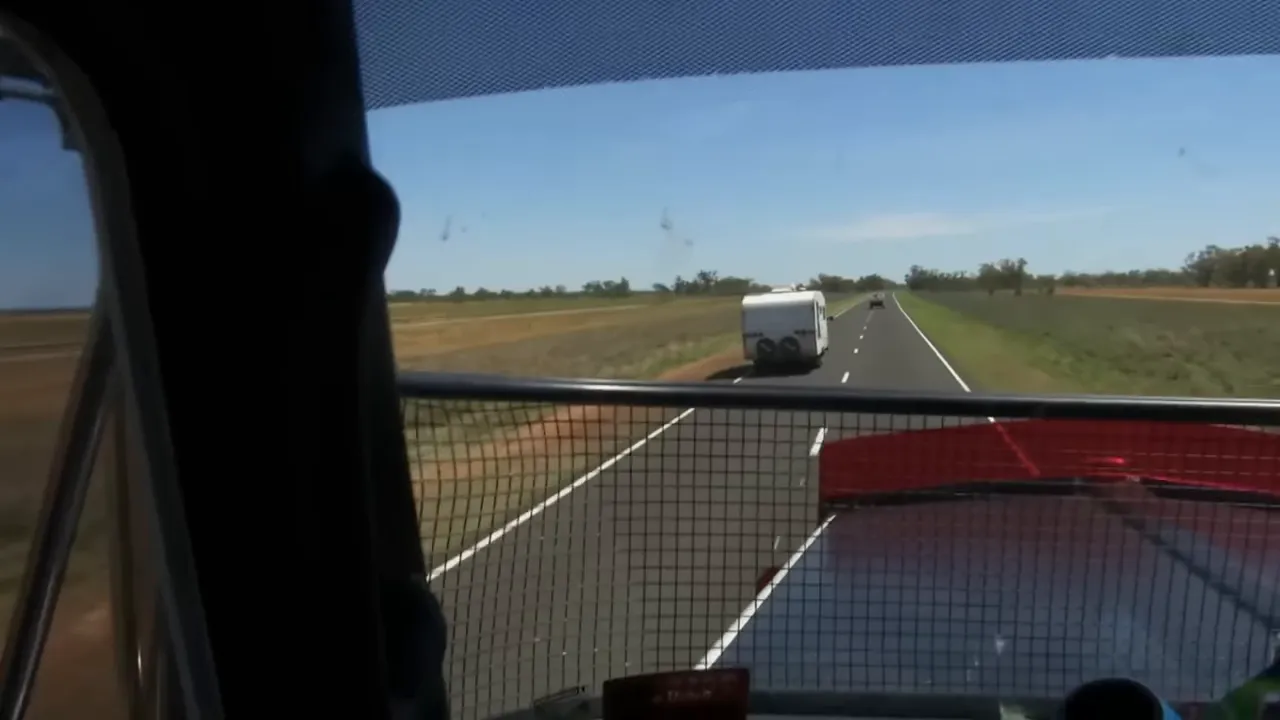
Changing road conditions, slow traffic and potholes raise the stakes. Nigel must sometimes overtake slower vehicles to hit a tight delivery deadline. Each manoeuvre is weighed against the risk of a tyre dropping off the road edge and inducing a dangerous sway that could lose the load.
Delivery and aftercare
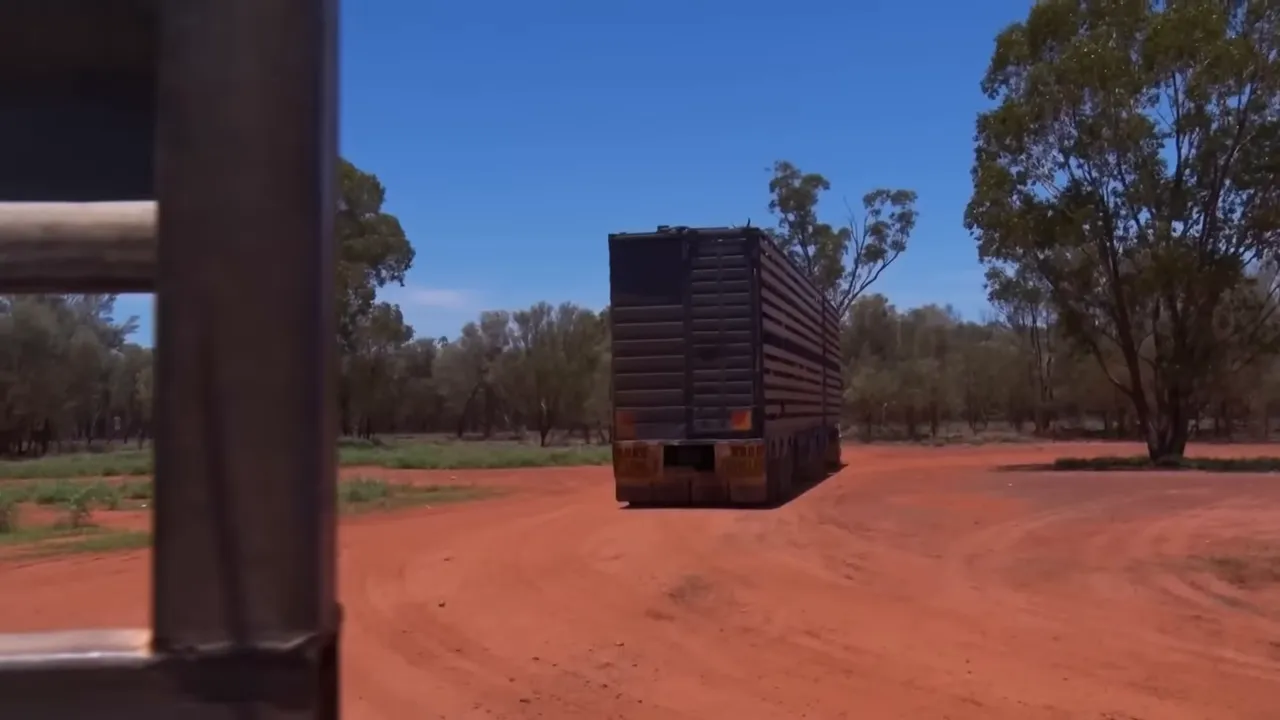
Nigel reaches the yards 20 minutes before closing, eases the trailer into an empty pen, confirms water and carefully unloads the animals. The goats travel well overall — but the day demanded constant attention to gear and stock welfare. After paperwork and a quick freshen up, Nigel heads home.
Conclusion: what this run teaches about responsibility on the road
The Outback Truckers episode is more than spectacle. It’s a practical case study in how vehicle maintenance, planning and animal welfare intersect under the chain of responsibility; CoR. When everyone in the chain understands and acts on their duties, a risky, time‑sensitive haul can be completed safely and profitably.
FAQ
Q: What is the chain of responsibility; CoR in transport?
A: It’s a legal and practical principle that holds every party in the transport chain accountable for safety and risk management — not just the driver. That includes consignors, loaders, operators and receivers.
Q: How does chain of responsibility; CoR affect livestock transport?
A: Parties must ensure suitable vehicles, adequate ventilation, water and timely deliveries. They must also avoid actions that increase risk, such as overloading, poor route choice or inadequate rest and contingency planning.
Q: What practical checks should a livestock trucker perform before departure?
A: Check tyres, axles, gearbox and trailer ventilation; confirm yard availability and water on delivery; review route and weather forecasts; prepare for emergency stops and inspections.
Q: Who pays for delays or losses if something goes wrong?
A: Responsibility depends on contract terms and which party failed to meet their obligations under the chain of responsibility; CoR. Clear communication and documentation help resolve disputes.
Q: Where can I watch the original video?
A: The footage is from Outback Truckers. Credit to the program for the scenes and interviews that informed this article.
This article was created from content published by https://www.nhvr.gov.au/. Visit the site for latest and current information.


