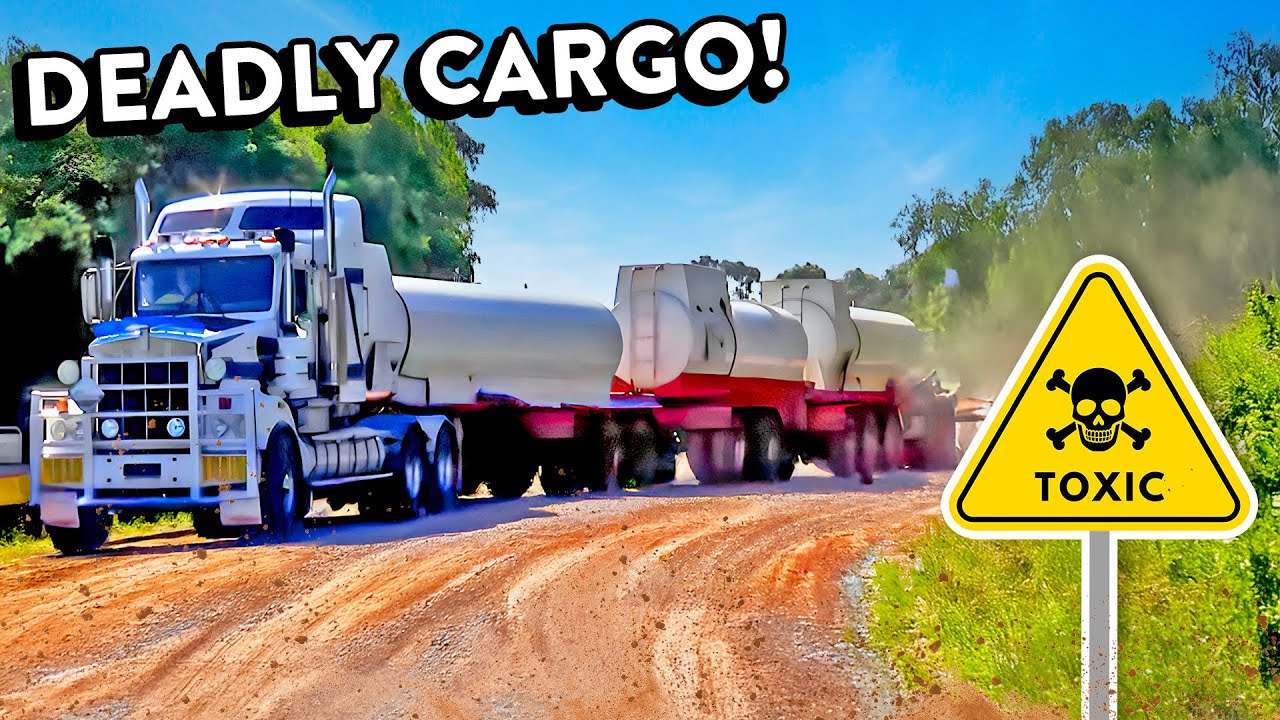
This account follows veteran driver Michael (Mick) King as he hauls 43,000 litres of sodium hydroxide — caustic soda — more than 2,000 kilometres into the Great Sandy Desert. The job is a vivid example of how the chain of responsibility; CoR operates in real life: equipment checks, personal protective equipment, procedural controls and continual vigilance all sit between a safe delivery and an environmental or human disaster.
Table of Contents
- Route, load and context
- The hazard: caustic soda and the risks involved
- Safety measures: inspections, PPE and the dead-man system
- Weather, terrain and operational challenges
- Arrival and unloading in the desert
- Chain of responsibility; CoR — practical takeaways
- FAQ
- Credits
Route, load and context
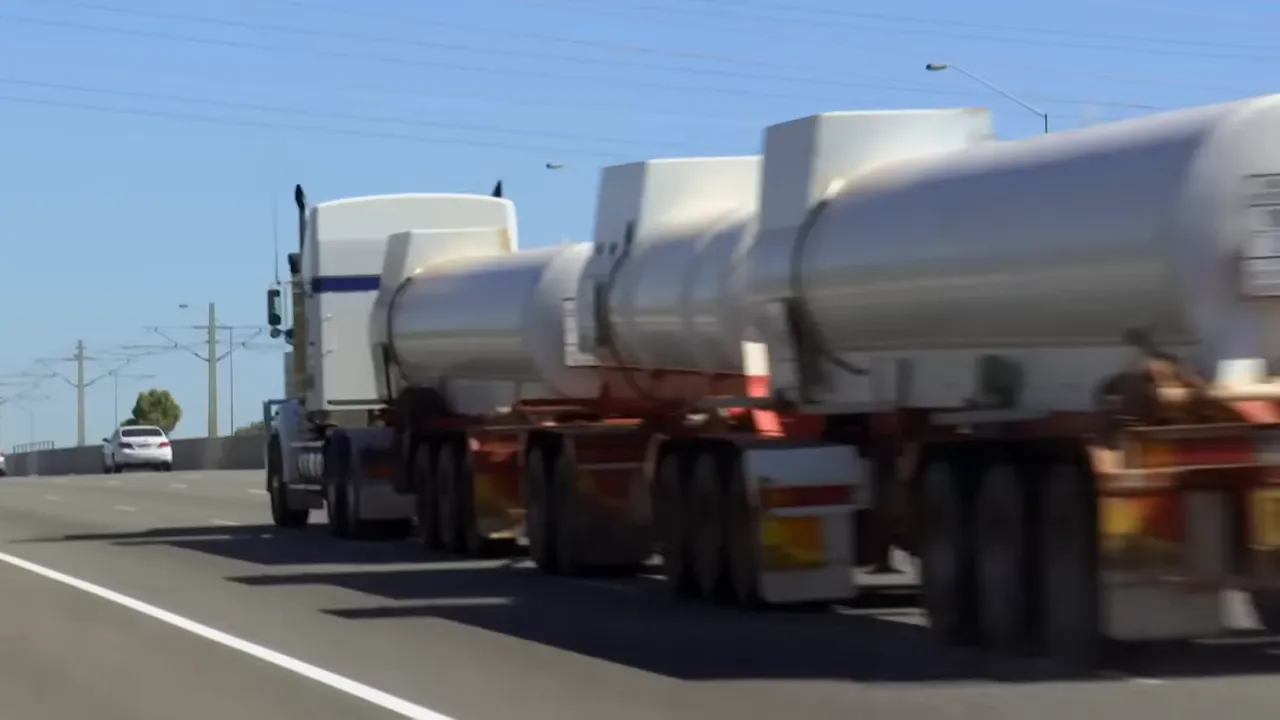
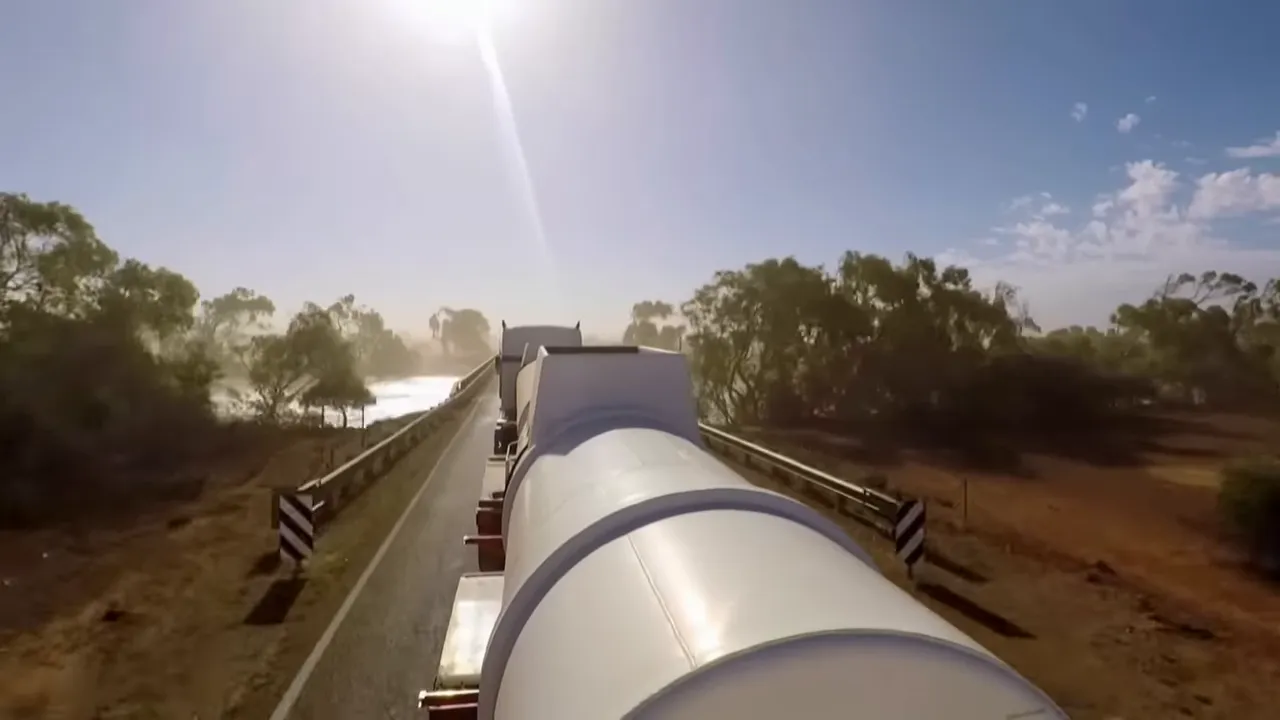
Michael drives a triple road train — three tankers totalling roughly 50 metres — carrying 43,000 litres of highly corrosive sodium hydroxide. The journey from Perth north to a remote copper and gold mine is a multi-day marathon: long sealed highways, hundreds of kilometres of dirt, multiple river crossings and remote desert unloading. Along the way the load, the truck and the driver must meet operational, safety and regulatory responsibilities under the chain of responsibility; CoR.
The hazard: caustic soda and the risks involved
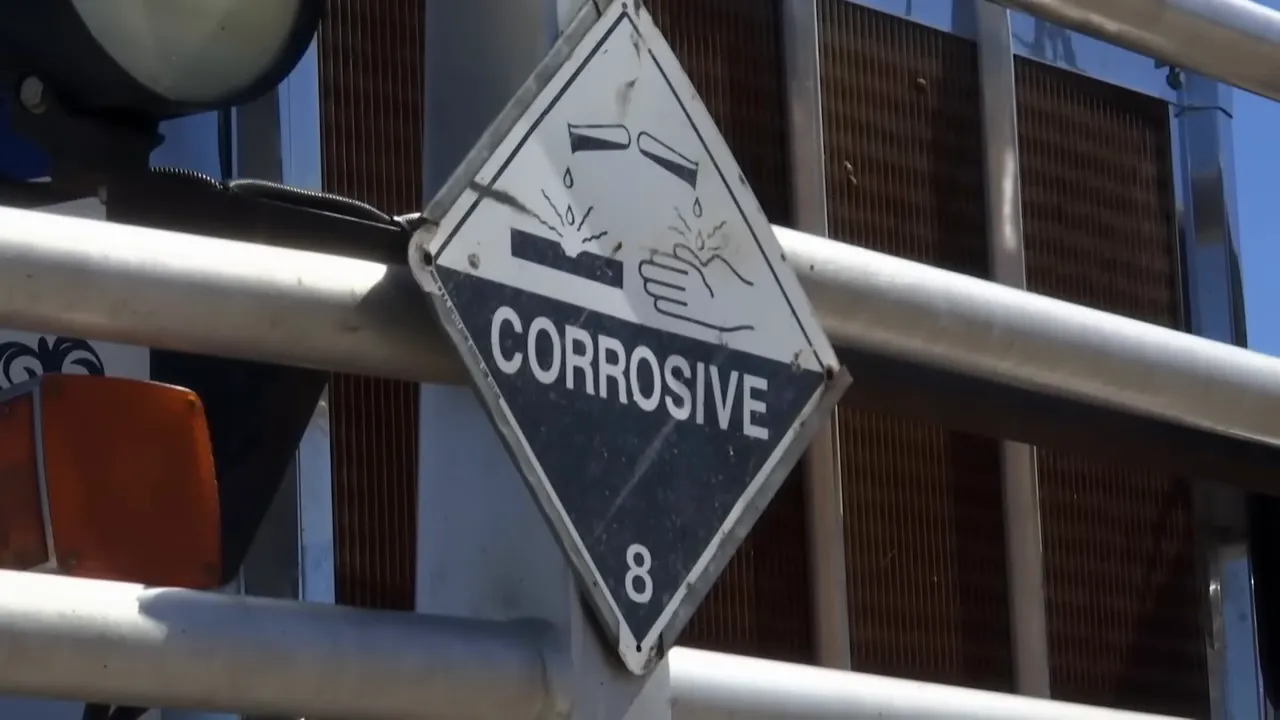
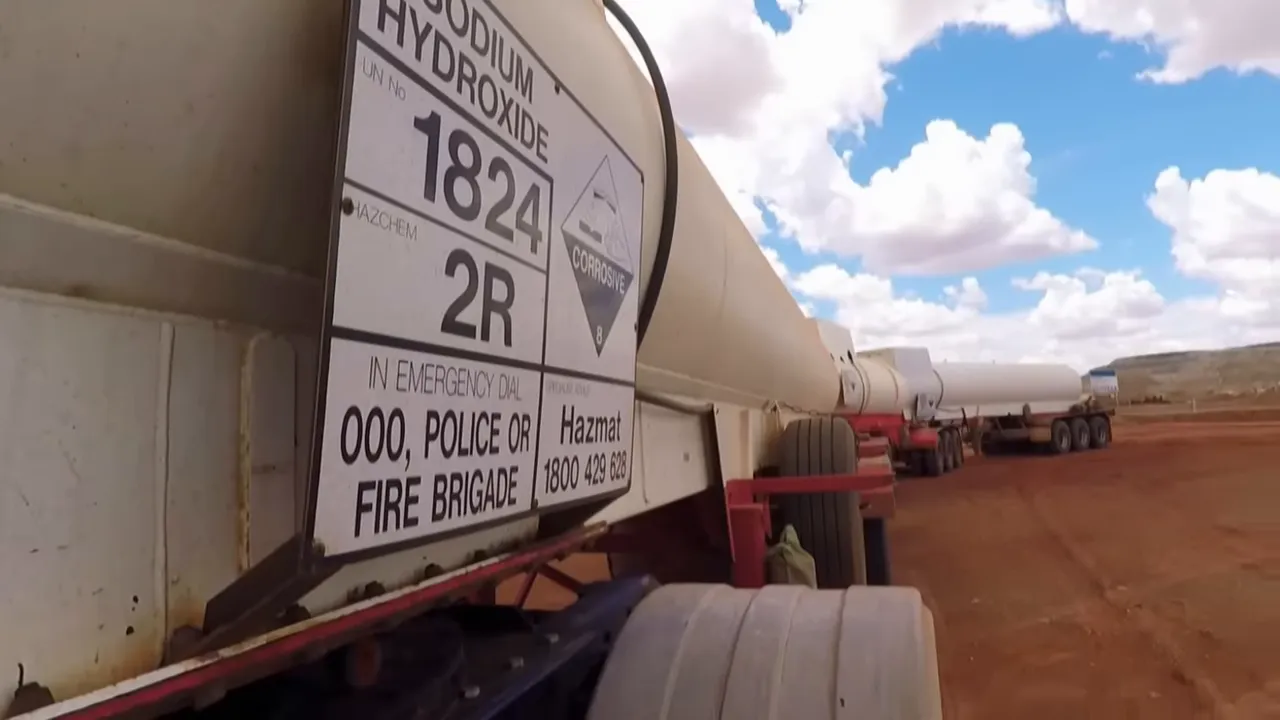
Sodium hydroxide, used as an industrial cleaner, is extremely corrosive — a single teaspoon on skin can burn. The risk is not only during transit: coupling, pumping and unloading expose the driver to splashes, inhalation and environmental release. Michael explains the stakes plainly: one serious mistake and he’s out of a job — and worse, there could be injury or contamination.
Safety measures: inspections, PPE and the dead-man system
Michael’s routine emphasises practical, layered controls:
- Pre‑journey visual inspections — “poke your head in every corner” — to spot defects before they become incidents.
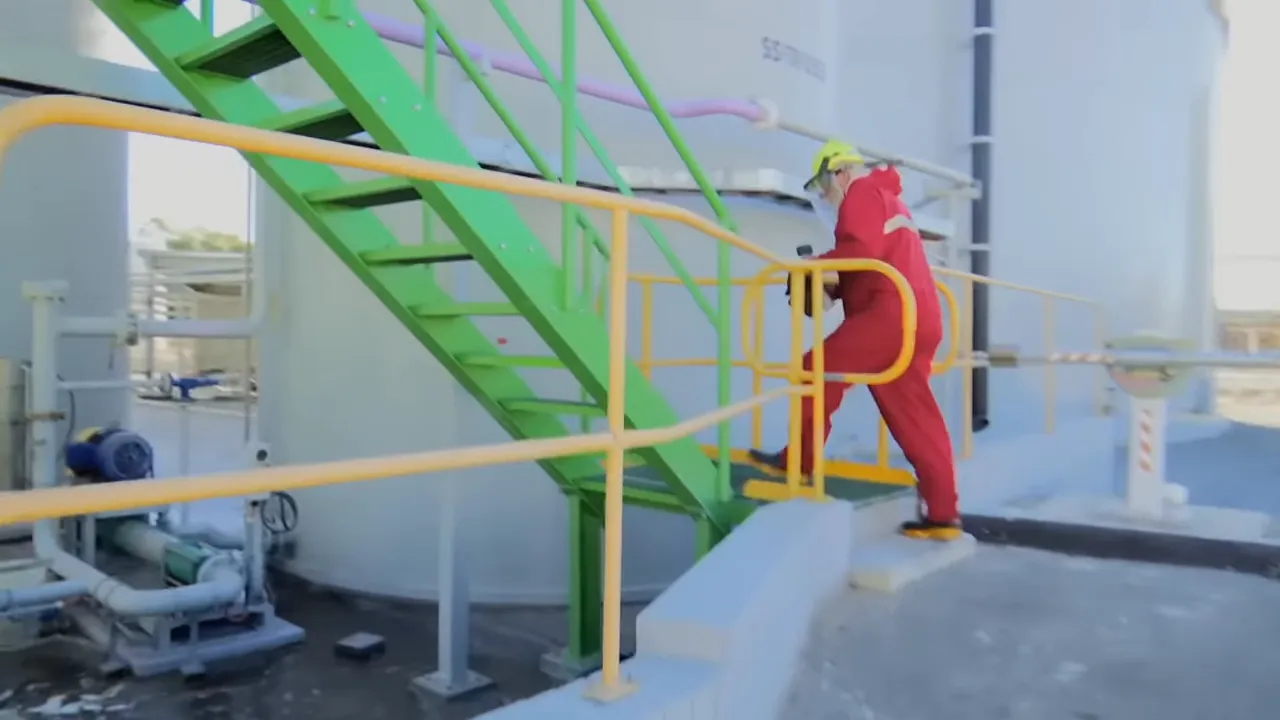
- Strict PPE during loading/unloading: full protective suits, eye protection and no half measures.
- Engineering and procedural controls: a dead‑man button on pumping operations that must be activated regularly to prevent unattended transfer.
These measures illustrate how CoR is applied on the road: drivers, consignors and site operators all share duties to prevent harm. Effective CoR means clear roles, documented procedures and the discipline to follow them in adverse conditions.
Weather, terrain and operational challenges
Beyond the chemical risk, the journey throws up severe environmental hazards. Michael drives into cyclonic rain that turns dry riverbeds into fast-flowing channels, plus dust storms that obscure visibility. He slows drastically through floodways and bargains with the mountain sections where a descent can be as dangerous as the climb.
Arrival and unloading in the desert
After four days, Michael reaches the mine. Before entering site he cleans wheel dust — a simple biosecurity and courtesy step — then suits up again to supervise pumping off the caustic soda. The aim is swift, controlled transfer and then getting clear of the remote site as soon as responsibly possible.
Chain of responsibility; CoR — practical takeaways
- The chain of responsibility; CoR requires documented systems (pre-trip checks, safe work procedures) and shared accountability between consignor, carrier and site operator.
- Engineering controls (dead‑man switches), PPE and driver training are complementary — none replaces the others.
- Operational decisions (speed through floodways, stopping to investigate noises) show how frontline choices influence safety and legal responsibility.
Quote
"If it's nasty and it's dangerous, fluoros don't protect you... Nothing protects you, just use your brains in common sense, that's what protects you."
FAQ
Who is responsible under the chain of responsibility; CoR?
All parties in the transport chain share duties: consignor (packaging/labels), carrier and driver (safe transport and vehicle condition), and receiver (safe unloading). Effective CoR relies on clear roles, records and compliance.
What practical checks should drivers perform?
Visual inspections of coupling points, tyres, brakes, tank integrity and hazard signage; check fittings for leaks; verify dead‑man and emergency shutdown systems; confirm PPE availability.
How do weather and remote locations affect legal duties?
They increase duty of care: decisions on routing, timing, speed and whether to proceed through floodways must consider safety and regulatory obligations under CoR.
Credits
This article is based on footage by Outback Truckers and recounts a trip by driver Michael King hauling hazardous chemicals into a remote mine. For the full visual story, watch the original video on the Outback Truckers channel.
This article was created from content published by https://www.nhvr.gov.au/. Visit the site for latest and current information.


