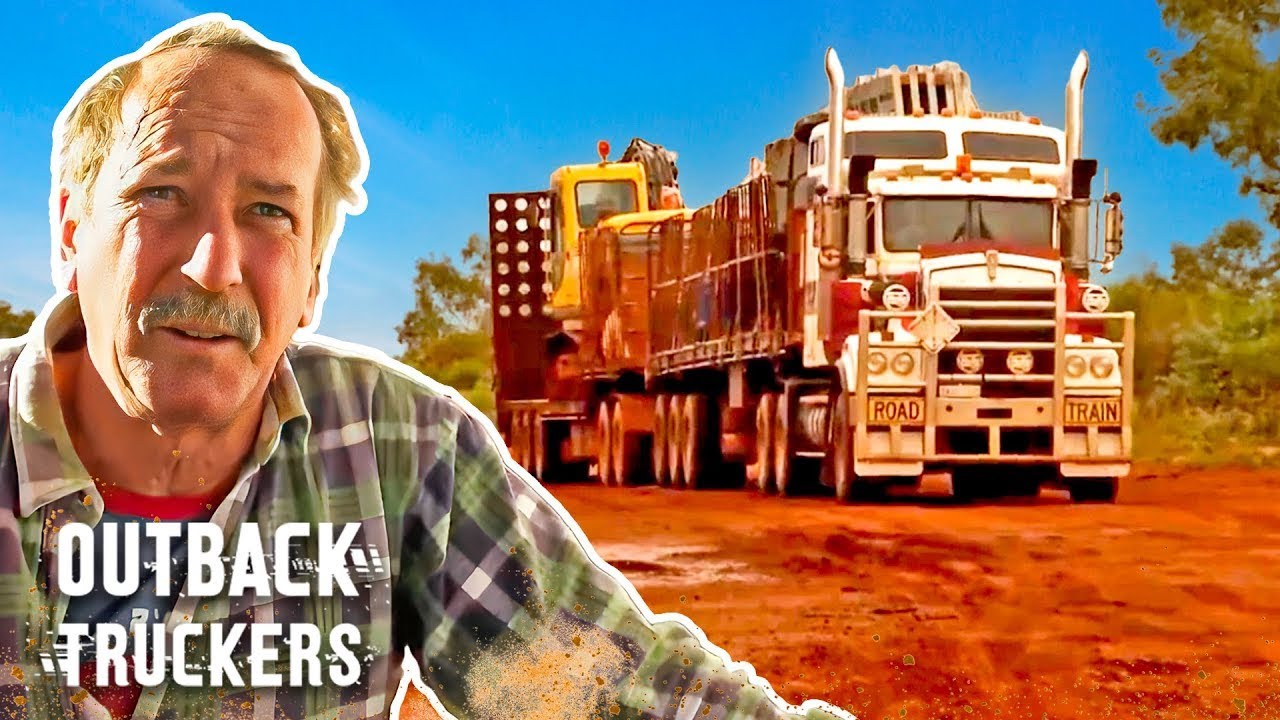
This article breaks down a 3,500 km outback run captured by Outback Truckers and explains what keeps veteran driver Steve Graham and his Kenworth C501 Brute moving — and safe. It also highlights why the chain of responsibility; CoR matters on remote freight runs, where one failure can cascade into a critical safety incident. The video documents fuel, mechanical faults, extreme corrugations, oversized loads, and the human judgement that ties them all together.
Table of Contents
- Quick overview: the run in a nutshell
- Main hazards and how Steve manages them
- Delivering under pressure: the Kewakura job
- Safety, responsibilities and the law
- FAQ
- Conclusion
Quick overview: the run in a nutshell
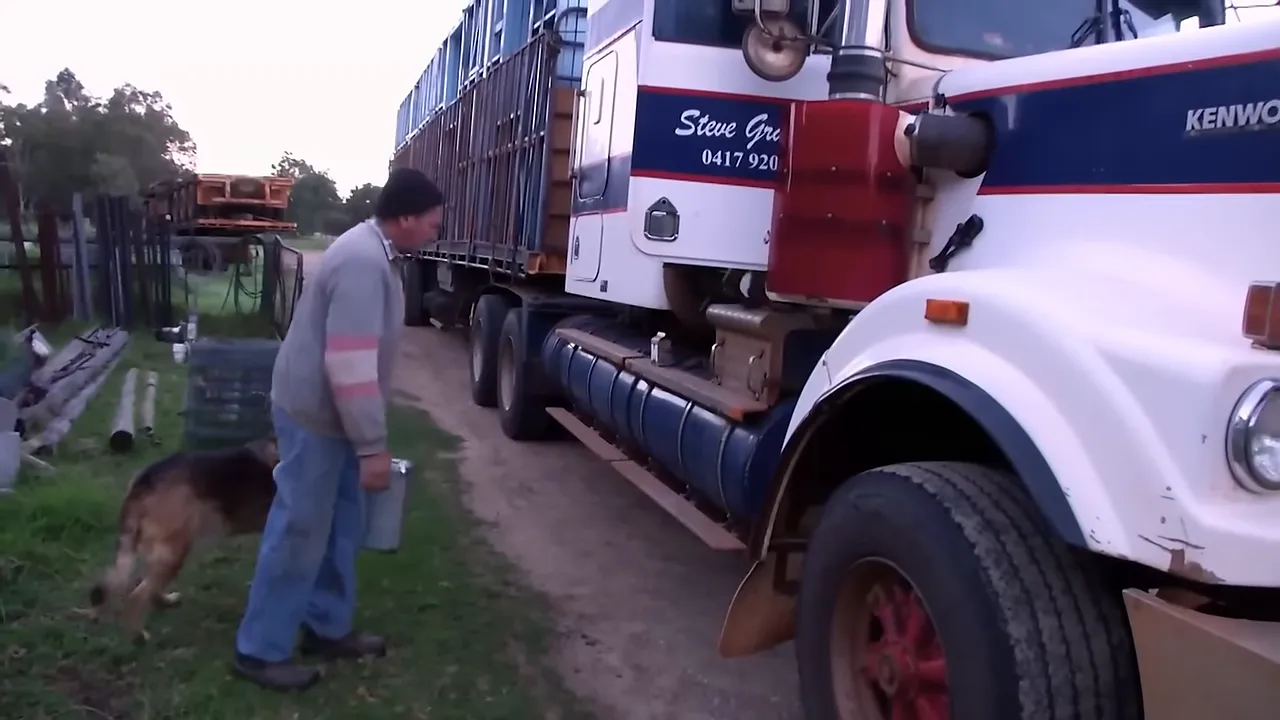
Steve Graham departs Perth at first light, heading into the desert on a marathon, three-and-a-half-thousand-kilometre haul — a distance comparable to London-to-Cairo or New York-to-Los Angeles. With a recently retired companion replaced by Boots’ pup Tini, Steve hooks up a second trailer to become a 53.5 metre triple road train carrying 50 tonnes of building equipment and machinery destined for extremely isolated communities such as Kewakura. Along the way he faces rolling roadblocks, corrugations, bogs, wild camels and a near breakdown that threatens the delivery schedule and his livelihood.
Main hazards and how Steve manages them
Oversize traffic and passing on narrow roads
On dirt highways, oversize convoys can block traffic for long stretches. Steve must time high-speed overtakes (up to 100 km/h for the minute he’s on the wrong side) and rely on crystal-clear radio comms with other drivers to avoid catastrophe. When radio chatter is thick, he waits — small delays can cost half a day, but rushing risks lives.
Corrugations: the truck killer
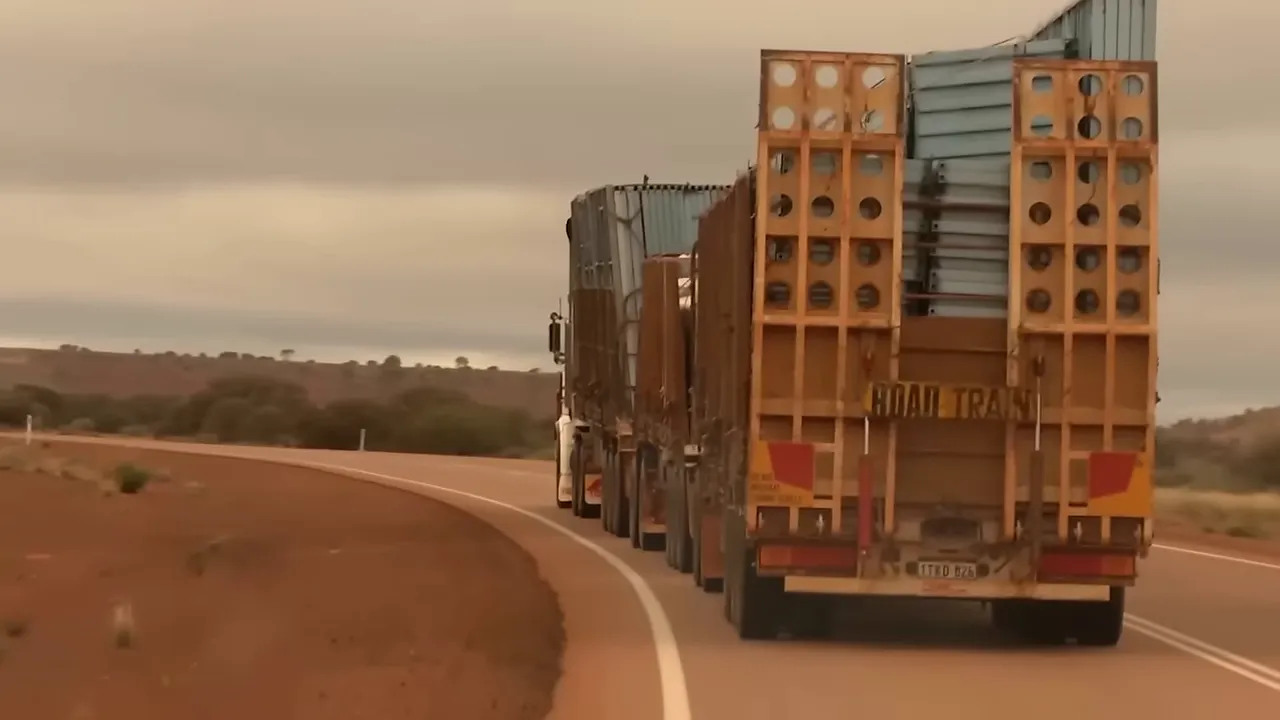
Corrugations — the repeated ridges on dirt roads — are the biggest single mechanical threat. Steve chooses one of two tactics: build speed and “skate” across them or drop right down into first gear and crawl. Both strategies minimise damage to the truck and freight, but neither stops the wear-and-tear that forces frequent stops for tightening loads and fixing parts.

Wild camels and other wildlife
Australia’s outback hosts more than a million wild camels. A collision with a 700 kg bull can smash the cab and injure or kill animals and people. Vigilance at road edges is vital and, when necessary, humane dispatching may be required if an animal is mortally injured.
Mechanical faults in extreme conditions
Steve experiences a persistent air leak affecting everything from tyre inflation to air-assisted gear shifting. The perceived compressor failure turns out to be paint cracking around the compressor casing — a reminder that problems can be mundane but still mission-critical. Fuel management is equally crucial: with high winds and high-sided loads, he burns unexpectedly more diesel and must decide whether to break the train to refuel or push on.
Delivering under pressure: the Kewakura job
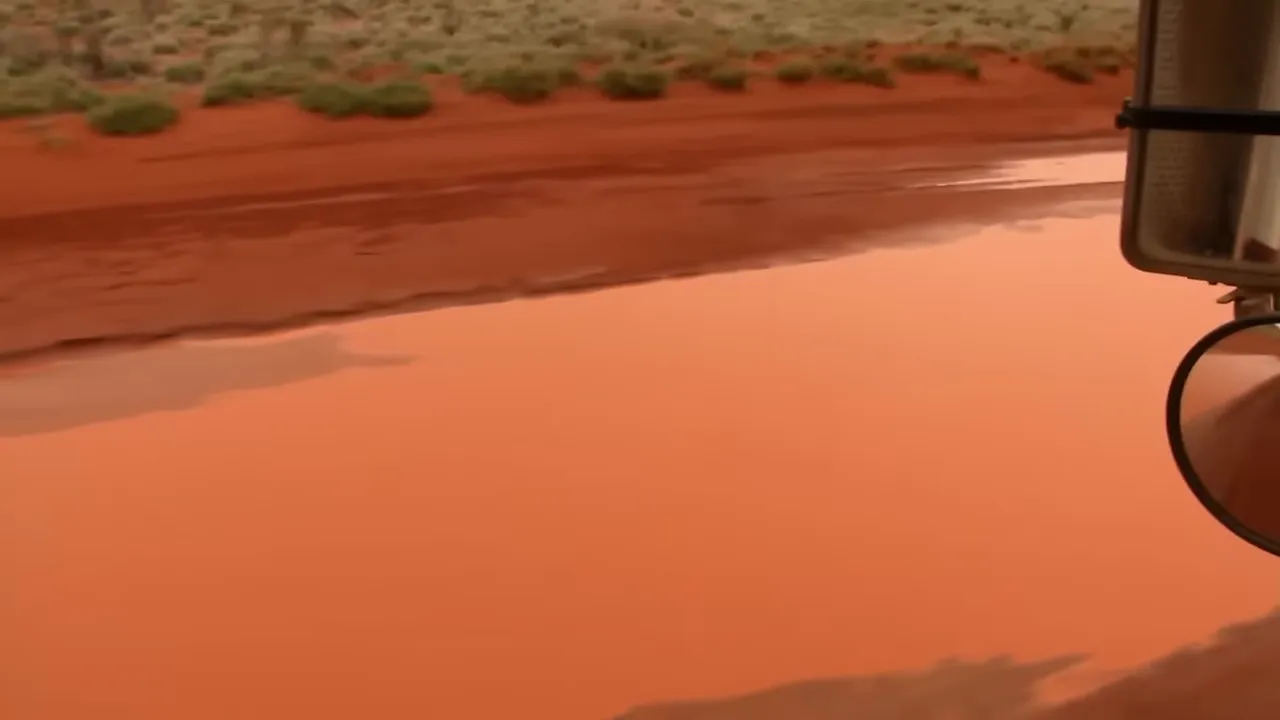
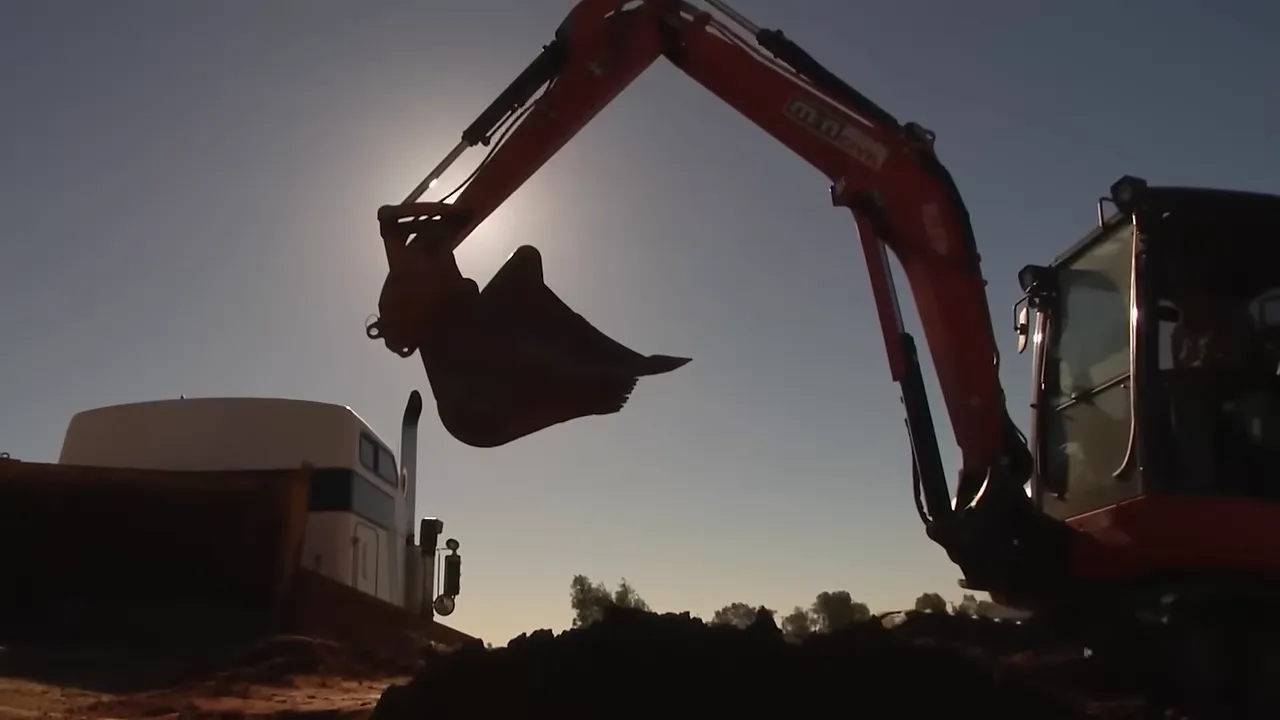
The final stage is a brutal stretch of rain-softened track littered with bogs and potholes. One wrong wheel placement could strand a 50-tonne load. Steve pushes through muddy bog holes and corrugations at snail pace, stopping frequently to secure the load. When he reaches Kewakura he must also help unload 24 tonnes of premix from a stuck tipper with dead hydraulics — a risky operation that depends on watching for creaks and leg collapse.
Safety, responsibilities and the law
When work goes remote and risks rise, the chain of responsibility; CoR becomes more than compliance text — it’s a practical map for who must act to keep the road safe. Drivers, operators, consignors and loaders all share duty under the chain of responsibility; CoR to ensure loads are secure, vehicles are roadworthy, and fatigue and fuel risks are managed. Steve’s choices — to wait for clear comms, to top tyres, to paint a compressor rather than replace it immediately — are shaped by those obligations in real time.
Practical CoR-aligned checks Steve models
- Pre-departure load restraint and regular mid-route inspections.
- Constant radio discipline to coordinate overtaking and escort vehicles.
- Fuel planning that honours legal limits and keeps margins for detours.
- Immediate reporting of mechanical faults and risk assessment before continuing.
Understanding the chain of responsibility; CoR helps operators and drivers decide when to stop, fix, report or call for backup — all crucial to keeping freight moving and people safe in the Outback.
FAQ
Q: What is the biggest mechanical threat on dirt highways?
A: Corrugations cause progressive damage to suspension, tyres and load fixings. Frequent stops to tighten chains and monitor tyres are essential.
Q: How can a driver prepare fuel-wise for remote runs?
A: Plan refuels conservatively, factor wind and high-sided-load drag, and have contingency stops noted. The chain of responsibility; CoR requires operators to ensure adequate fuel planning for safe operations.
Q: Is it legal to travel oversize at night?
A: No — restrictions commonly forbid oversize travel after dark. This drove Steve’s time pressure and underlines why the chain of responsibility; CoR requires planning to avoid illegal or unsafe movements.
Q: What do you do if a tipper won’t tip?
A: Assess the hydraulic failure, secure the trailer, and use controlled manual methods where safe — as Steve did with shovels and careful unhooking — but never at the cost of leg collapse or overload risk.
Q: Who is responsible for load safety?
A: Multiple parties share the duty under the chain of responsibility; CoR: consignors, loaders, operators and drivers must act to ensure a safe, legal load.
Conclusion
Steve Graham’s 3,500 km outback haul is a case study in practical risk management: mechanical vigilance, radio discipline, fuel foresight and a deep understanding of the chain of responsibility; CoR. The mission succeeds because experience and planning meet law and safety — and because, in the Outback, there is no substitute for getting the basics right.
Source: Video footage by Outback Truckers.
This article was created from content published by https://www.nhvr.gov.au/. Visit the site for latest and current information.


