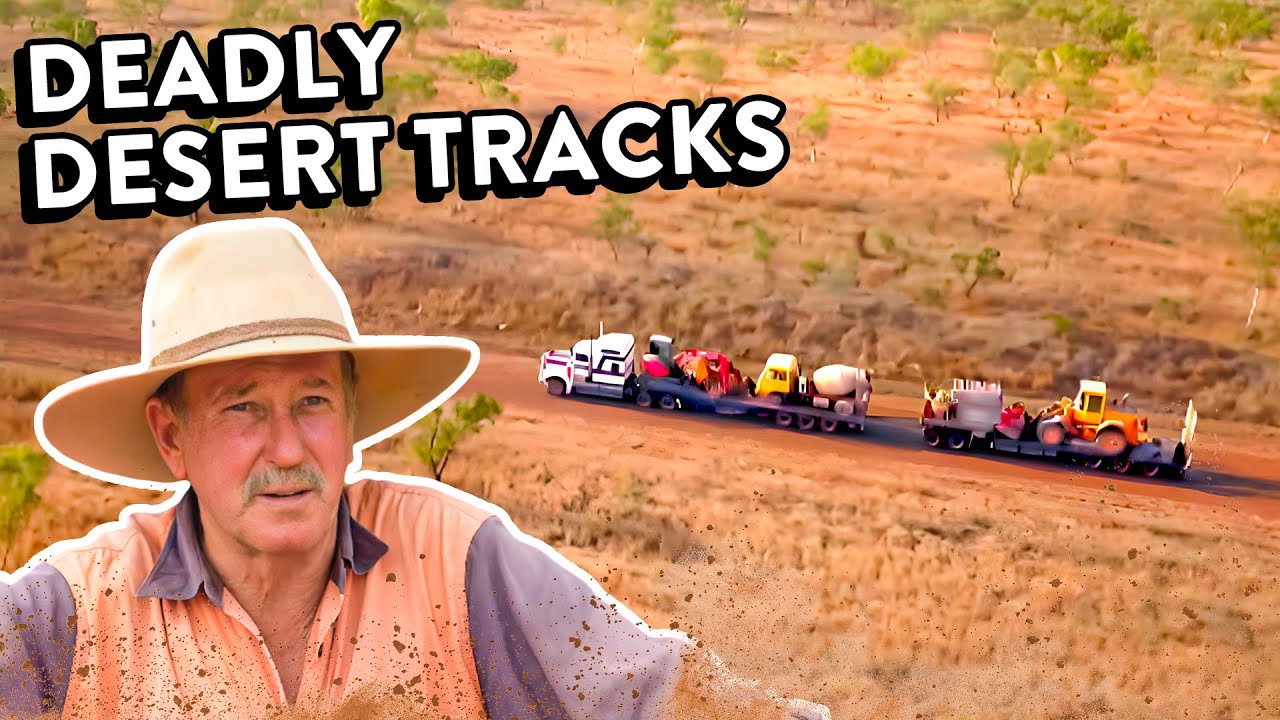
Outback trucker Steve Grahame knows the highs and lows of remote hauling: open roads, long days and the constant pressure of getting freight to communities that rely on him. This story — captured by Outback Truckers — follows Steve as he wrestles with a blown engine, stitches from skin-cancer surgery, unmarked dirt tracks and a last-minute change of plan. It’s also a practical reminder of the chain of responsibility; CoR that sits behind every safe delivery in the bush.
Table of Contents
- Overview: the challenge in Alice Springs
- Preparing to move: logistics and living with the weather
- On the blacktop — still no time to relax
- Into the wilderness: the dirt track to Robinson River
- Unloading at Borralula — teamwork saves the day
- Lessons from the trip: safety, planning and CoR responsibilities
- Conclusion
- FAQ
Overview: the challenge in Alice Springs
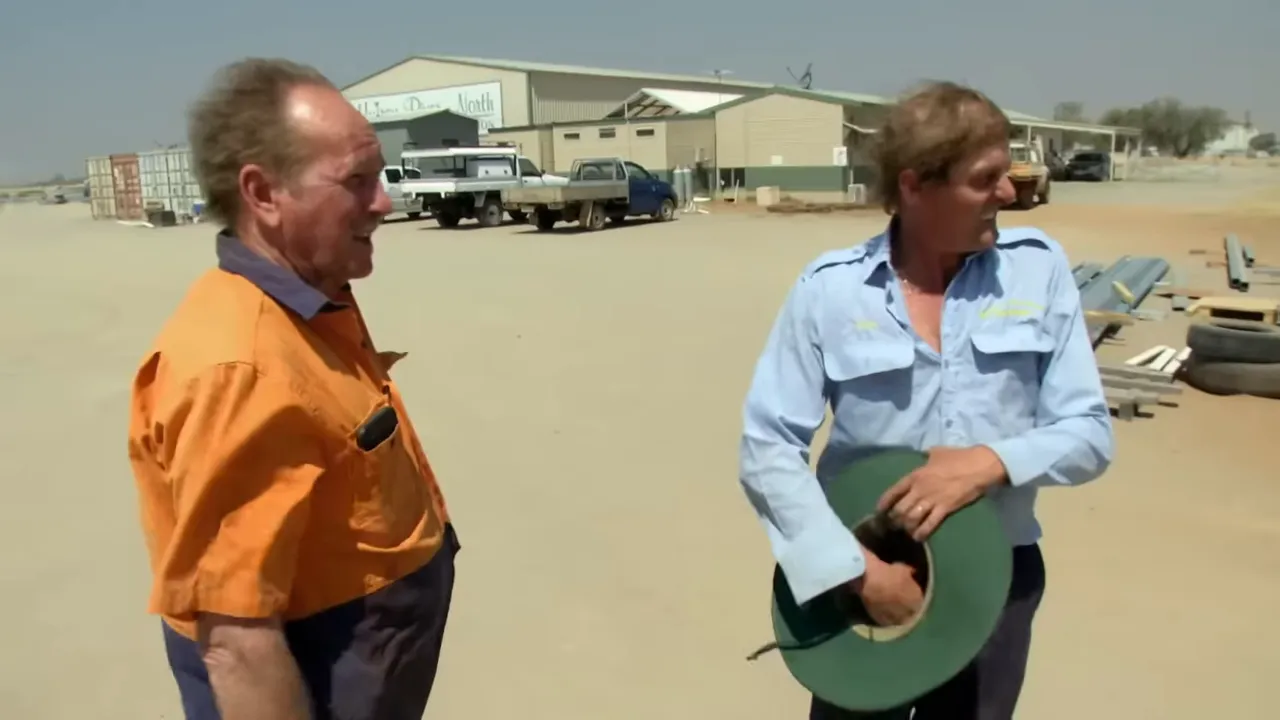
Steve and his mate Slick are in Alice Springs, trying to keep a supply run headed for Darwin and beyond on track after a truck failure. “The top three!” Slick reports — the engine has gone and the repair bill is looming. Steve sums it up plainly: “I’m making no money out of all of this. What I’m doing is keeping faith with my customers and delivering the freight.”
Key pressures
- Broken truck and a $50,000 engine repair looming.
- Three fully loaded trailers to manage and reconfigure.
- Personal distractions — recent surgery stitches he needs removed.
- Unfamiliar last-leg road: locals avoid the final 167 km into Robinson River.
Preparing to move: logistics and living with the weather
Before leaving town, Steve deals with practical details: a quick visit to the doctor to remove stitches, sorting loads, and picking up Bella — the truck dog who’s now “a fully fledged truck dog.” Heat, wind and dust make every task harder. Steve’s comments cut to the heart of outback driving: “If it wasn’t the wind and the dust, it would be the mud and the rain.”

On the blacktop — still no time to relax
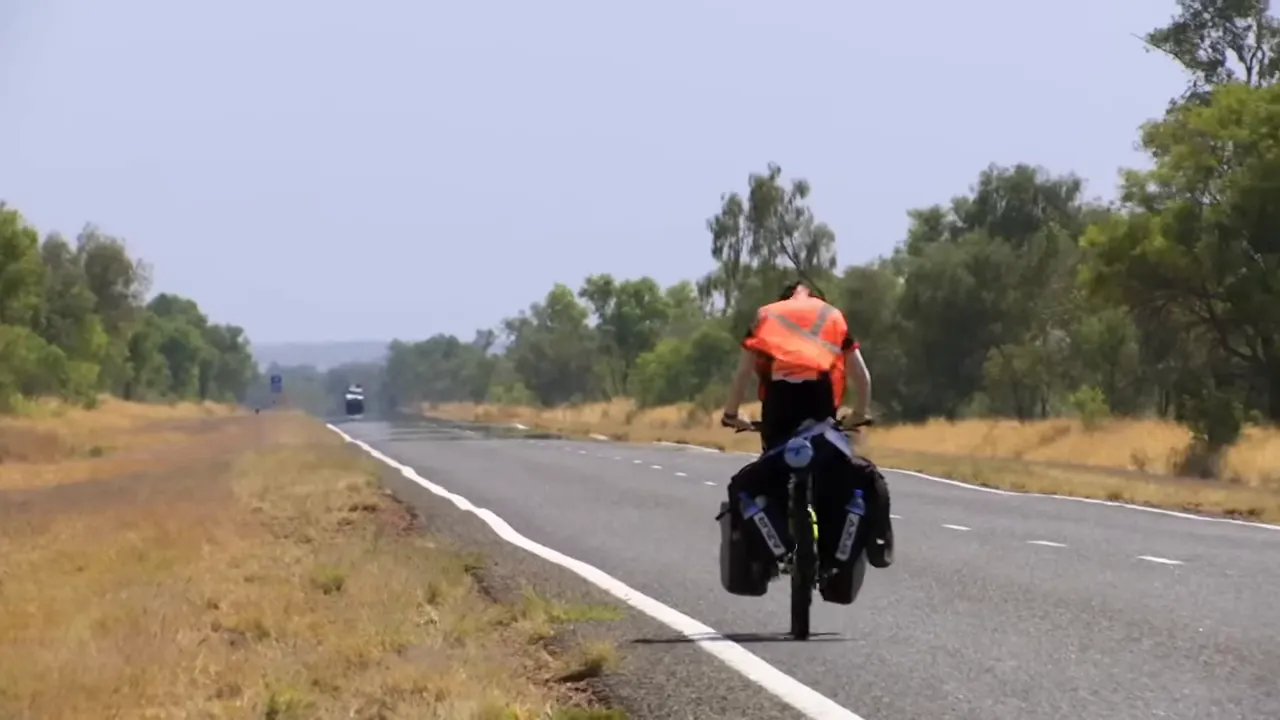
There are 500 km of sealed road before things get rough, but sealed doesn’t mean safe. Tourists and fatigued drivers create hazards. Steve nearly encounters a rollover when another driver’s trailer drops off; later he has to negotiate around a lone cyclist on a deserted road. Small events like these are the kind of everyday risks that make adherence to the chain of responsibility; CoR critical — every decision by drivers and road managers matters to safety and to the delivery outcome.
Into the wilderness: the dirt track to Robinson River
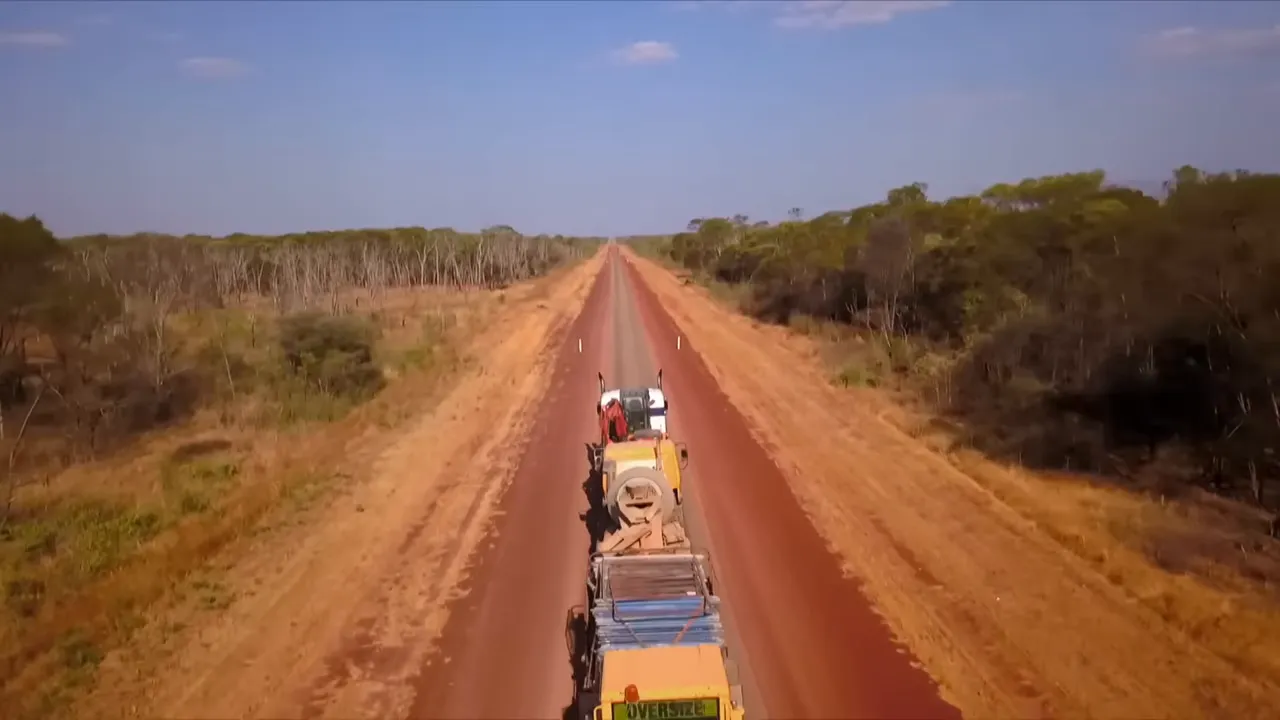
As the bitumen ends, the route turns into a “nightmare dirt track” that locals won’t use. Steve knows he’s got 167 km of “real mungal dirt” to contend with and that the last 50 km can take up to seven hours. Narrow single-lane sections force drivers to make real-time judgments about who moves onto dirt and who keeps on the bitumen. Steve explains the consequence plainly: if a smaller vehicle insists on the sealed edge, they risk getting “62 wheel loads of rocks” sprayed at their windscreen.
Remote deliveries also mean limited communication. With no mobile coverage ahead, Steve checks voicemail and learns the delivery at Robinson River isn’t ready. That change of plan could cost hours — and money — because unloading at a different, unfamiliar town is more labour-intensive.
Unloading at Borralula — teamwork saves the day
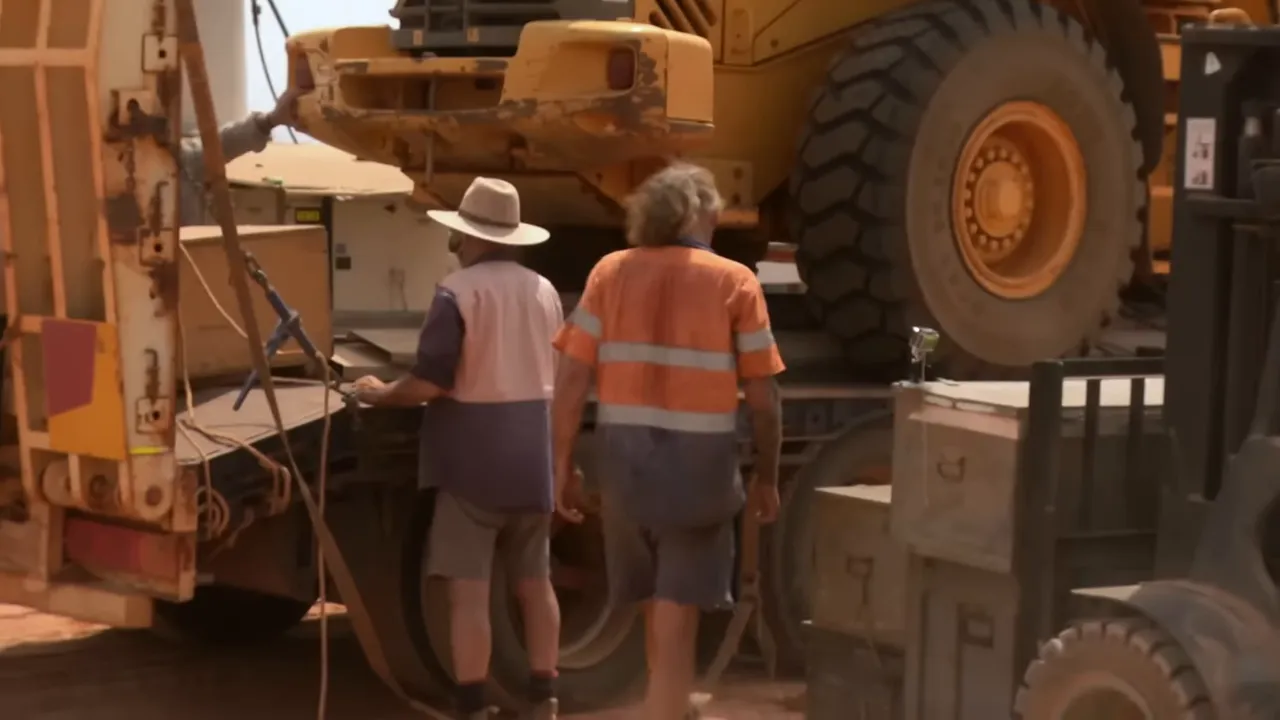
Arriving at Borralula, Steve faces the grimy reality of rural yards: tight space, dog holes and boxes piled high. He’s ready to roll up his sleeves, but help arrives in the form of a local with a forklift — “Shack” — and everything changes. What looked like a long, sweaty job becomes manageable. Steve’s relief is obvious: “I thought this was going to be a real battle. It’s getting easier by the minute.”
Lessons from the trip: safety, planning and CoR responsibilities
This trip is a compact case study in how operational choices affect outcomes. Key takeaways include:
- Plan for contingencies: mechanical failures, weather, and last-minute changes are part of remote trucking.
- Communicate early: with limited coverage, voicemail and pre-trip checks are essential.
- Respect local knowledge: locals avoid certain tracks for good reasons; that affects routing and risk assessments.
- Chain of responsibility; CoR isn’t just a legal term — it’s a practical framework that ensures everyone in the supply chain (operators, customers, loaders, drivers and road managers) takes actions that keep the load, the public and the driver safe.
Conclusion
Steve’s day was full of setbacks: a blown engine, surgical stitches, brutal heat, tricky road users and a last-minute change of delivery point. But the combination of experience, local assistance and practical decision-making delivered the outcome: freight moved and problems solved. As this run shows, the chain of responsibility; CoR underpins every safe, successful outback delivery — and a bit of luck and a helpful forklift never hurt either.
FAQ
What is the chain of responsibility; CoR?
The chain of responsibility; CoR is a legal and practical framework that allocates safety duties across all parties in the supply chain. It means everyone who can influence transport safety — consignors, loaders, schedulers, drivers and operators — must take reasonable steps to prevent breaches of road transport laws.
Why does CoR matter for remote deliveries like Steve’s?
In remote settings, risks multiply: long distances, limited communications, difficult roads and few recovery options. The chain of responsibility; CoR ensures those risks are managed through planning, load restraint, vehicle maintenance and proper scheduling so drivers aren’t pressured into unsafe choices.
How can drivers prepare for remote runs?
- Plan routes with up-to-date local advice and maps.
- Check vehicle and trailer condition thoroughly before departure.
- Confirm loads and offload arrangements with customers in advance.
- Carry spare parts, recovery gear and sufficient water and supplies.
- Record decisions and communications — they help demonstrate CoR compliance.
Who produced the footage and where can I watch more?
This story was filmed by Outback Truckers. For more grit, guts and remote-haul stories, visit the Outback Truckers channel and subscribe to follow other tough runs across Australia’s heartland.
Video credit: Outback Truckers
This article was created from content published by https://www.nhvr.gov.au/. Visit the site for latest and current information.


