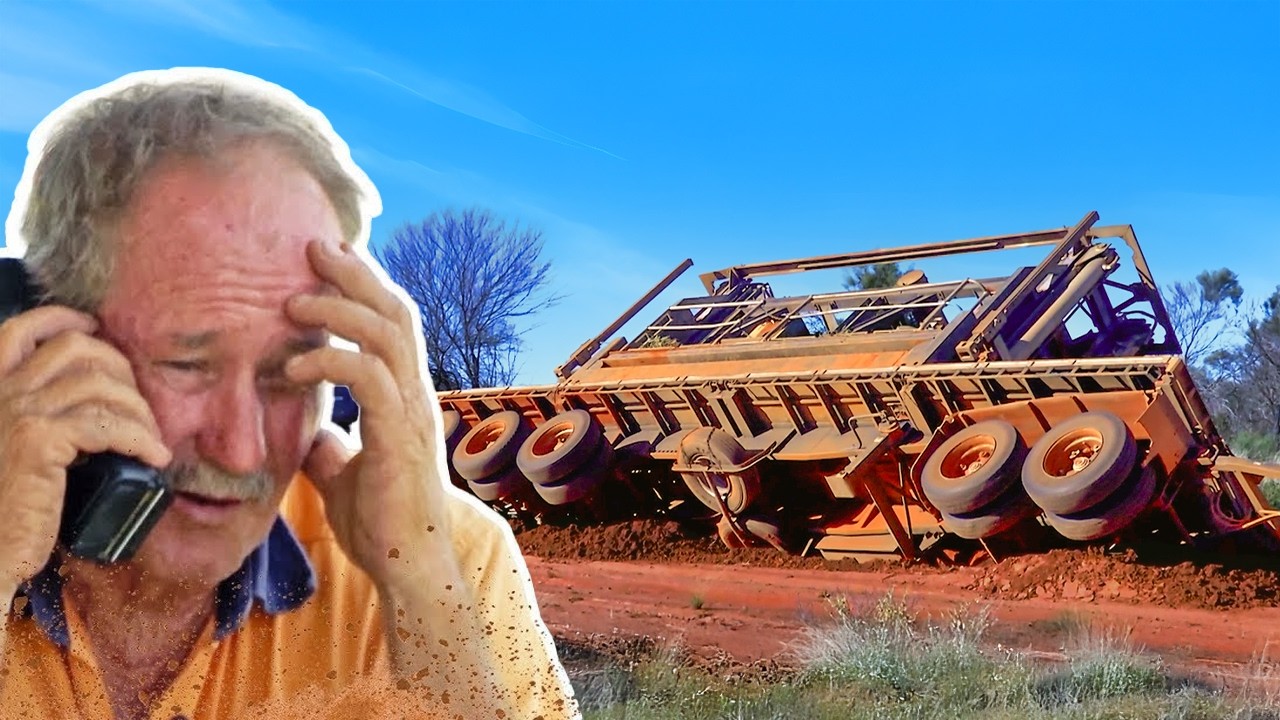
This article recaps the Outback Truckers episode "When Truckers Get Bogged in the Outback" and draws practical lessons for operators, contractors and communities. The video follows two tense outback operations: Russell McDonough battling to free a 25-ton car crusher from a waterlogged track, and veteran road-trainer Steve Graham hauling essential gear through the Great Victoria Desert. Along the way the programmes highlight logistics, local assistance and the real-world consequences of the chain of responsibility; CoR for anyone involved in heavy vehicle operations.
Table of Contents
- Russell McDonough: a 25‑ton crusher, soft ground and a race against time
- Steve Graham: road trains, flood threats and solo problem solving
- What these recoveries mean for operators and the chain of responsibility; CoR
- Frequently asked questions
- Conclusion
Russell McDonough: a 25‑ton crusher, soft ground and a race against time
Russell took a shortcut to reach Neuropea with a 100-ton combination carrying a 25-ton crusher. What started as a time-saving gamble quickly turned into an outback nightmare when the road collapsed beneath the crusher and the trailers began to list into a deep hole.
"The road has collapsed underneath the 25-ton crusher. It's listing badly into a deep hole."
Over the next four days Russell, his crew and local council equipment repeatedly tried different approaches:
- Use the loader to push the crusher upright — but the loader itself became bogged (
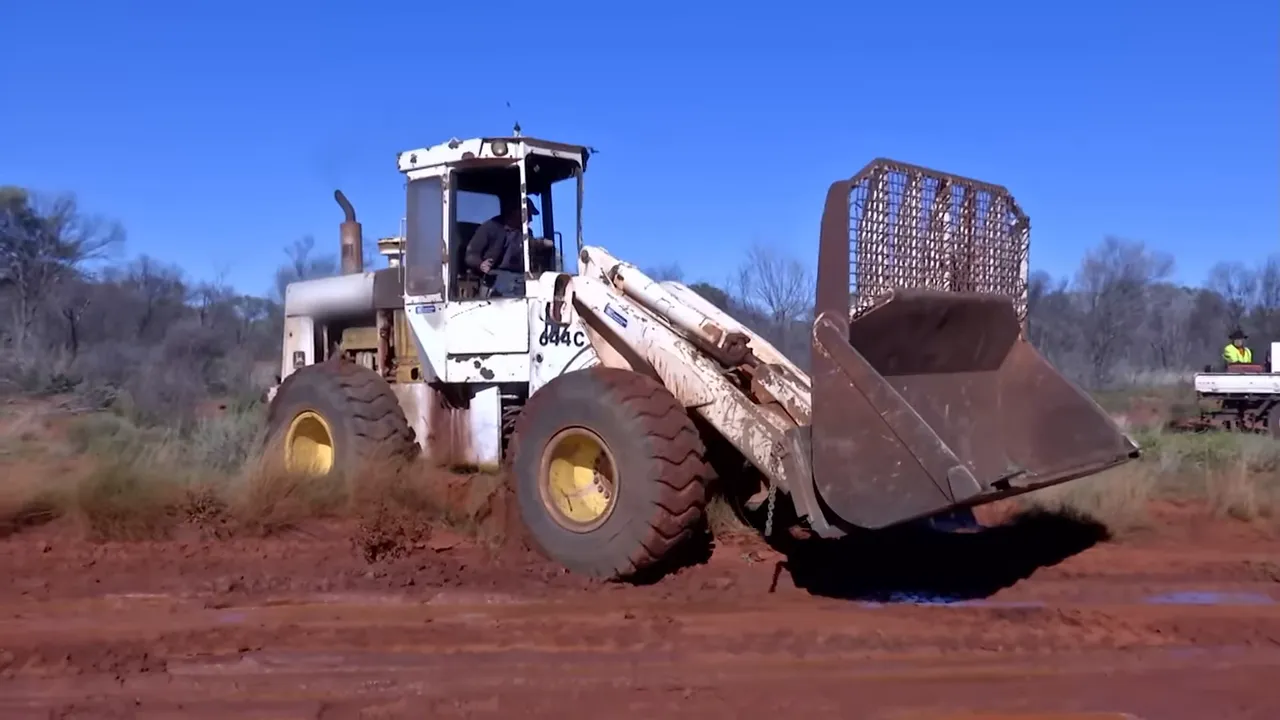 ).
). - Bring in a 12.5-ton grader to provide traction — then the grader got stuck too (
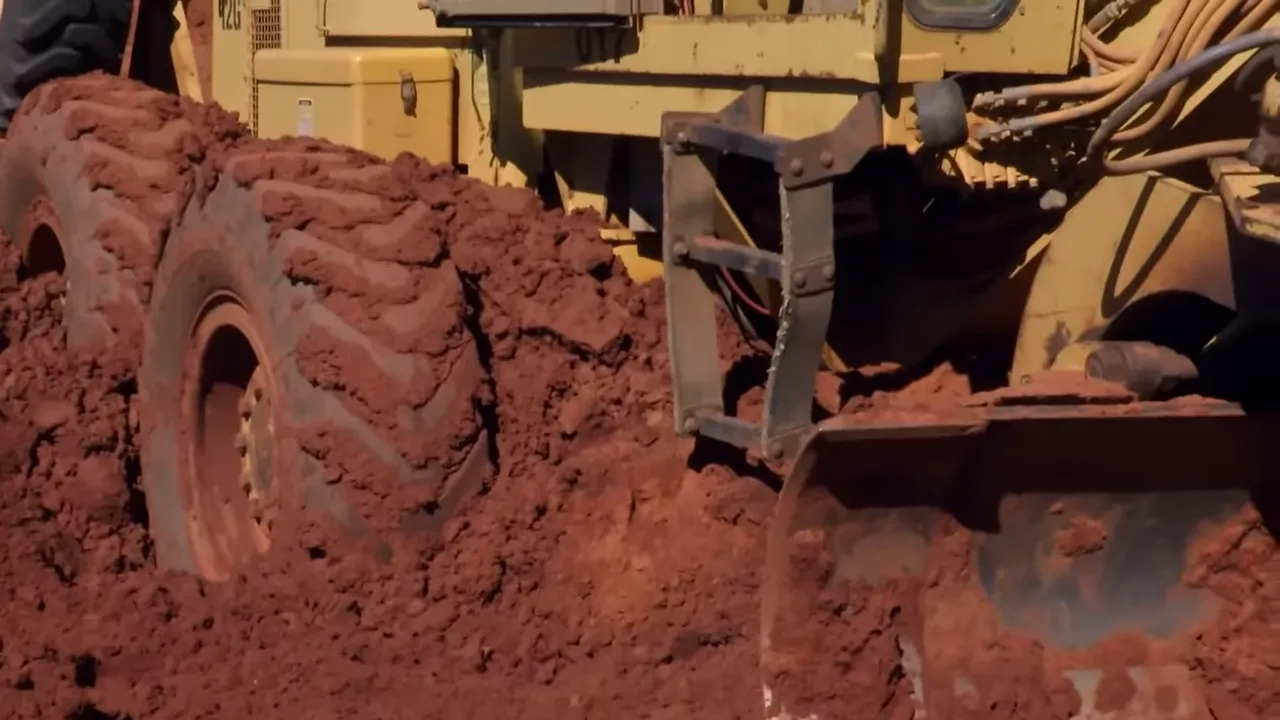 ).
). - Digging, building up wooden bases and deliberately anchoring machines to use winches and chains as they improvised a reversed pull strategy (
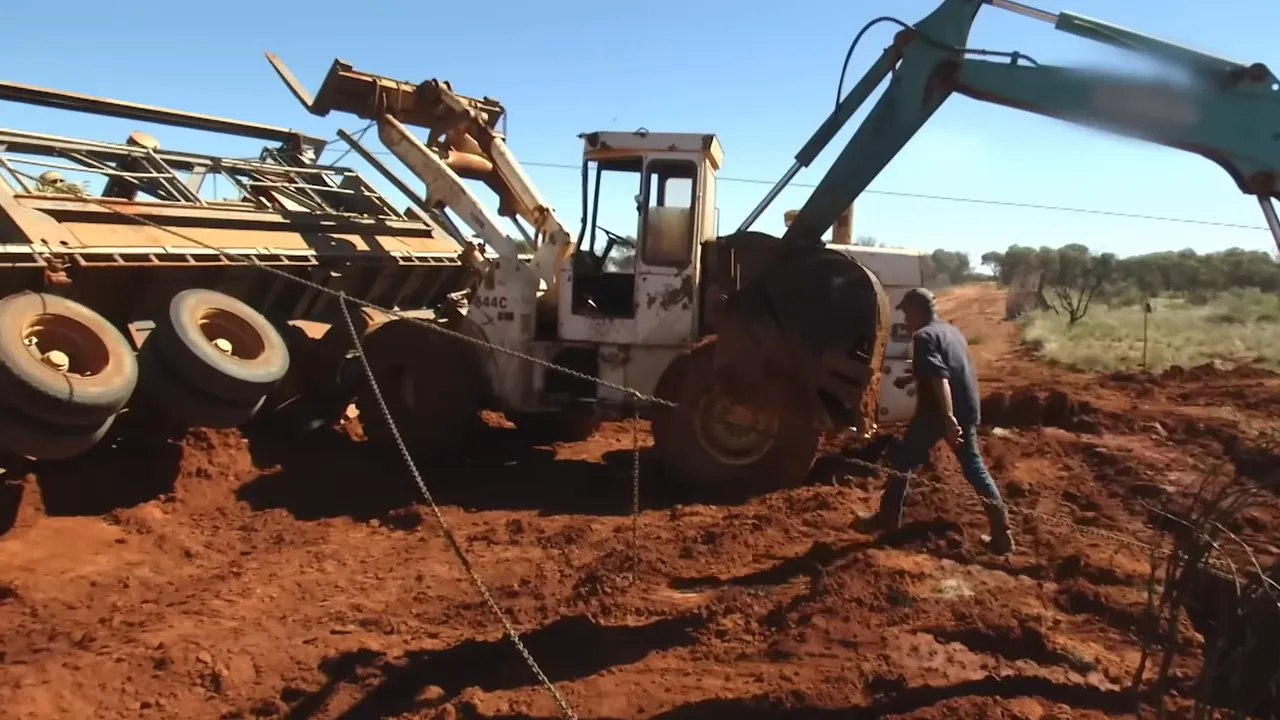 ).
).
When cables frayed and the crusher hung by a few lines, the crew stabilised the load and dug wheels free by hand. Finally, after back-to-back attempts and a risky operation that raised the crusher on its built-in legs, Russell backed a heavy-duty trailer underneath and pulled the load free.

Russell’s story shows how quickly a routine job can escalate into a multi-day recovery that threatens livelihoods, and why planning, spare equipment and local support matter.
Steve Graham: road trains, flood threats and solo problem solving
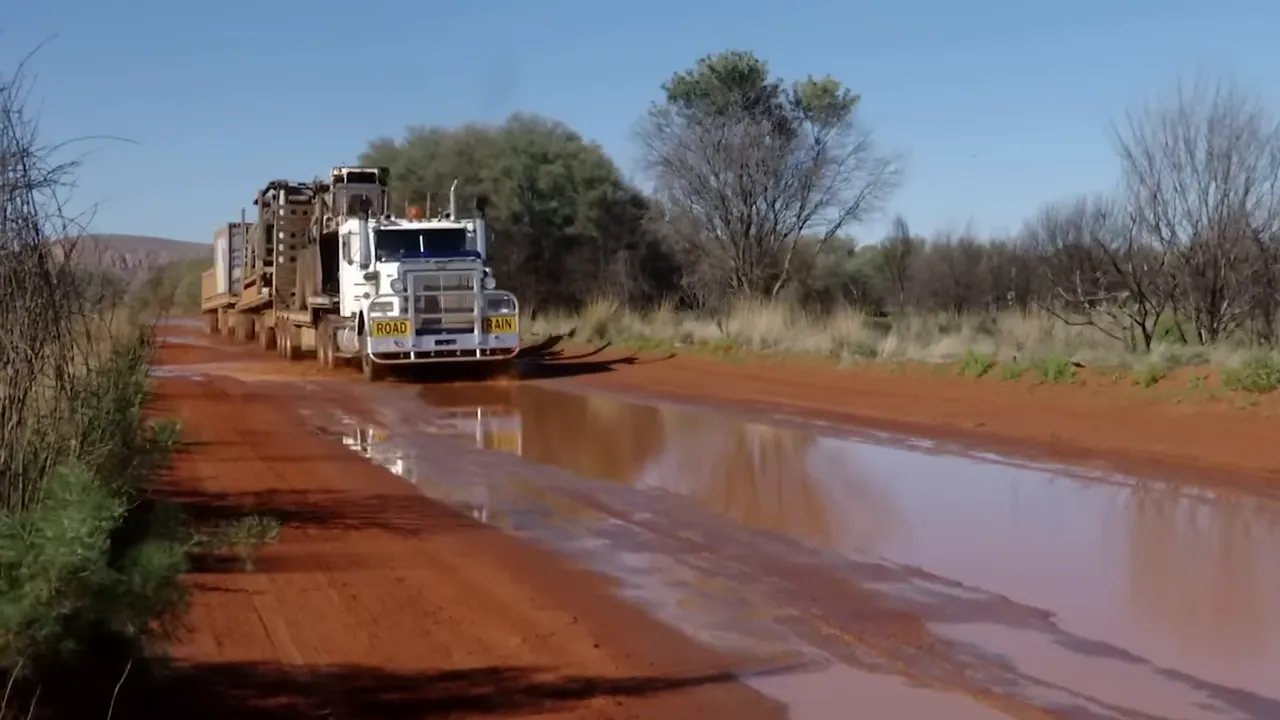
Steve’s run from Perth to Junjinjarah is a different kind of challenge: long-distance planning, cyclone warnings and 53 metres of road train to manage across 1,300 km of desert. He convoyed with mates (Si and Pat) carrying road-building equipment and sanitation supplies for a remote community.
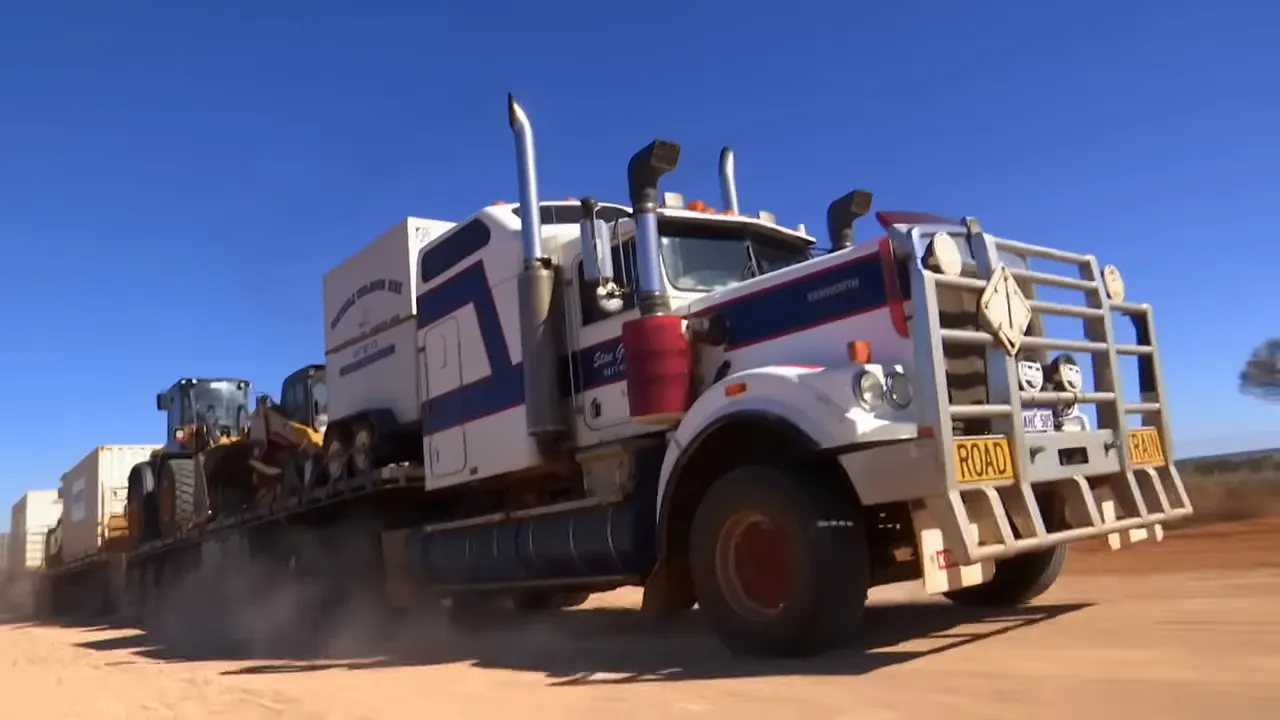
With rain still in the weather system, the track deteriorated fast. Si’s low-loader got bogged in a muddy patch when small trailer wheels sank; a local contractor provided help and Pat’s tanker was used to reverse it out (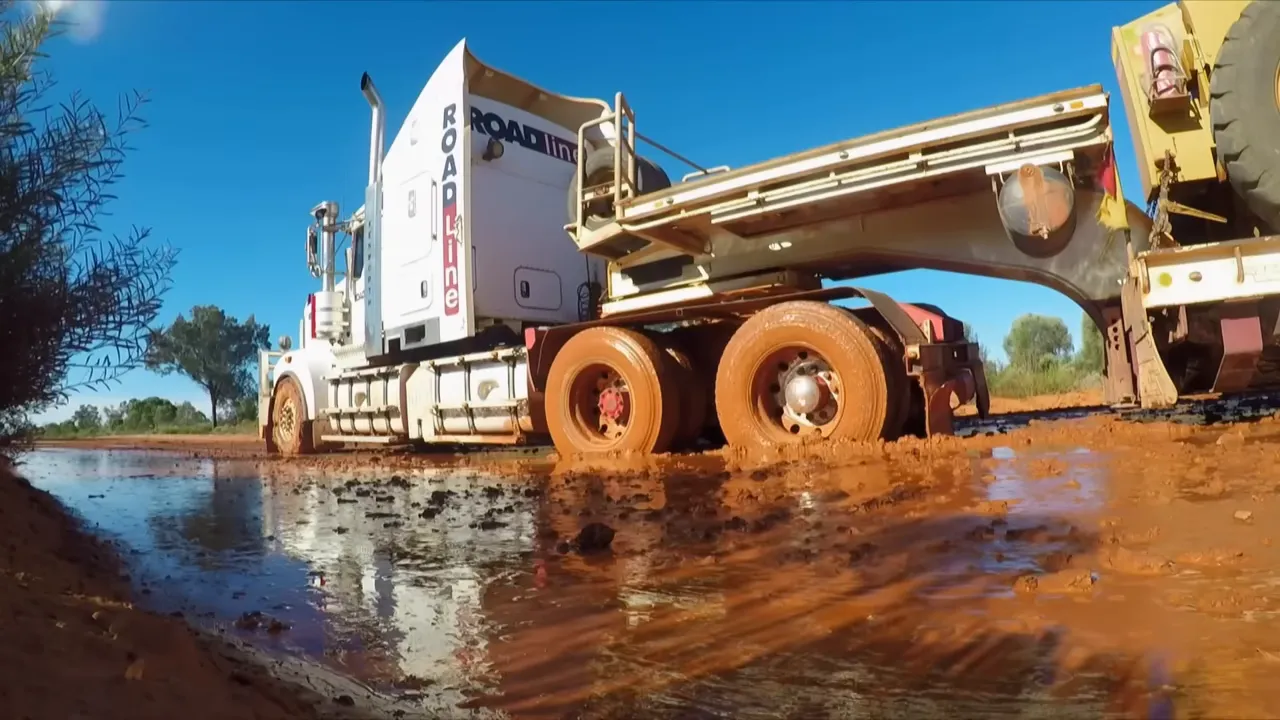 ).
).
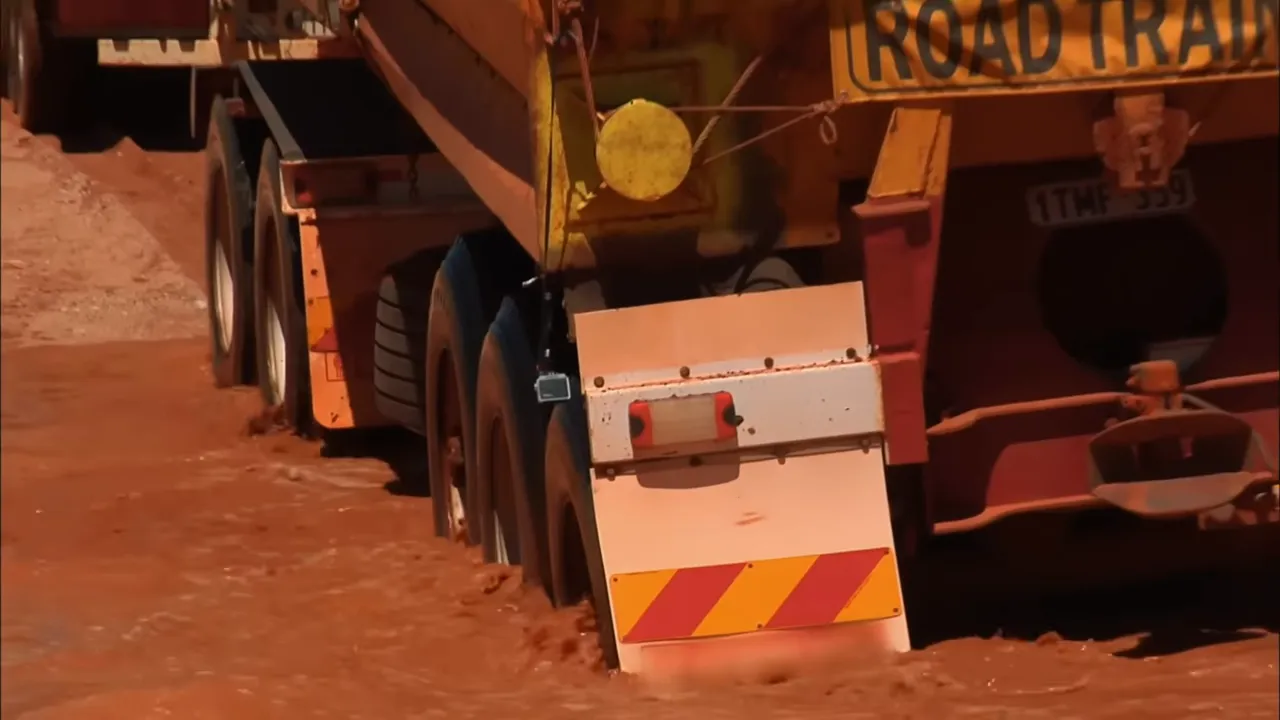
Steve faced deeper holes later on. He used crosslocks, tyre deflation and careful unhooking of rear trailers to reduce load and regain traction. At one point he chained a trailer to pull it level and guide it out. After several hours he freed all trailers and continued to the community — arriving with essential supplies despite tyre blowouts and a near-miss with a venomous brown snake.
What these recoveries mean for operators and the chain of responsibility; CoR
Both stories underline responsibilities that fall across people and organisations — a practical interpretation of the chain of responsibility; CoR in the field:
- Risk assessment and planning: Check weather forecasts, road reports and load profiles before departure. When cyclone systems are nearby, contingency plans matter.
- Equipment and capability matching: Using small-wheeled trailers in soft country increases the chance of getting stuck. Ensure vehicle configuration suits the route.
- Local engagement: Russell accessed a shire grader and community help — an example of how local authorities and contractors are part of the CoR ecosystem.
- Fatigue and resourcing: Extended recoveries mean extra hours, cost and risk. Employers must account for these in rostering and budgets.
- Safe recovery practice: Properly rated chains, trained crews and clear communications prevent serious injury during winching and pulling.
Putting these measures in place is key to meeting the chain of responsibility; CoR obligations — from pre-departure checks to on‑route decision making.
Frequently asked questions
- Q: How does the chain of responsibility; CoR apply to outback recoveries?
A: CoR means everyone in the transport chain — planners, operators, loaders and contractors — shares responsibility for safety and compliance. That includes route selection, vehicle configuration and ensuring trained personnel carry out recoveries.
- Q: Could Russell or Steve have avoided getting bogged?
A: Some risks are hard to predict. Better weather intelligence, conservative routing and equipment suited to soft ground reduce exposure, but in remote areas the unexpected can still occur.
- Q: What equipment helps recover a bogged heavy vehicle?
A: Rated winches, heavy-duty chains, loaders, graders, shovels and mattressing material (timber/tyres) are common. Training and safe procedures are equally important.
- Q: Who pays for recovery and delays?
A: Costs may fall to the operator, hirer or local authority depending on contracts and circumstances. Those arrangements form part of the chain of responsibility; CoR considerations.
Conclusion
Outback recoveries are as much about people and planning as they are about muscle and machinery. Russell’s multi-day rescue and Steve’s solo extraction both highlight the need for solid pre-trip checks, the right equipment for the country and clear responsibilities among everyone involved — the practical side of the chain of responsibility; CoR.
Credit: original footage and stories from Outback Truckers. If you enjoyed this breakdown, watch the full episode for the full sequence of recoveries and first‑hand insights into outback trucking.
This article was created from content published by https://www.nhvr.gov.au/. Visit the site for latest and current information.


