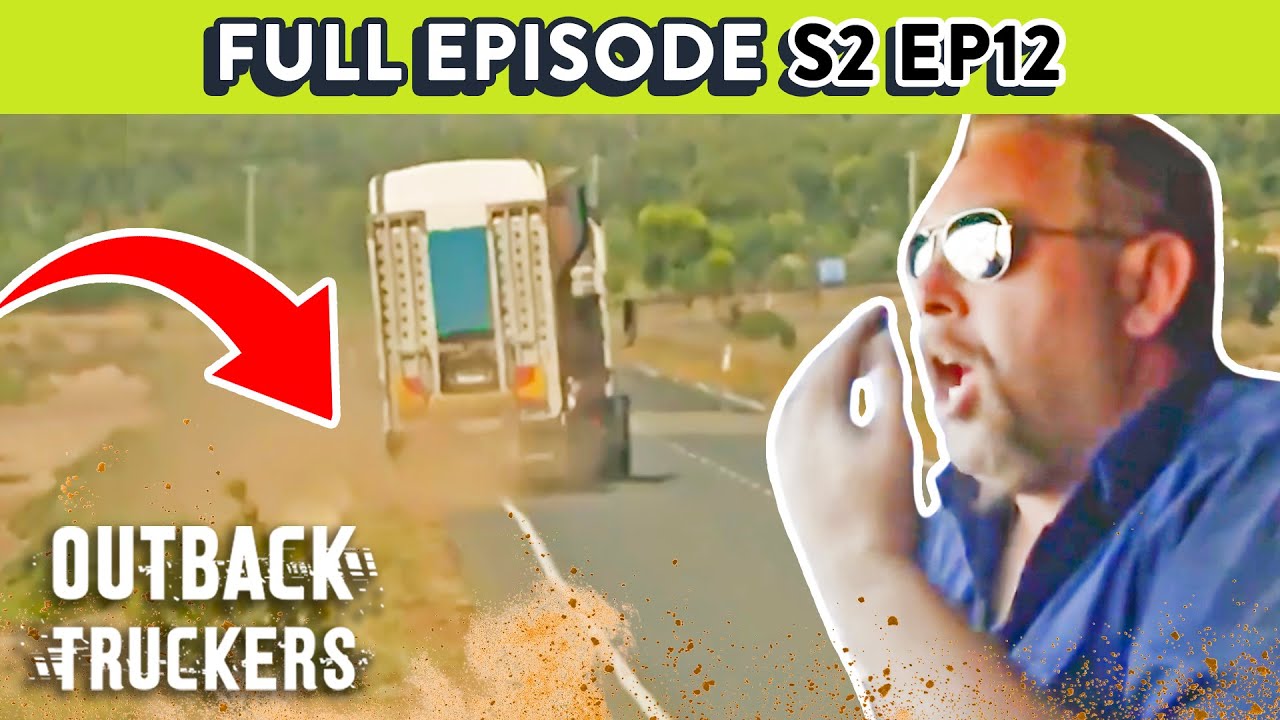
This episode of Outback Truckers follows three tough, intersecting runs across Australia's wildest country: Turbo's battered road train racing home across the Nullarbor, Ewan Stevens hauling 300 beehives into Tasmania's leatherwood forest, and Christian Reynolds on a multi-trailer rescue through Arnhem Land. Along the way the show puts real-life logistics, safety decisions and the chain of responsibility; CoR under the spotlight — how drivers, owners and crews share risk when breakdowns, weather and remote work converge.
Table of Contents
- Episode snapshot: three hauls, one brutal landscape
- Turbo: fighting wind, leaks and the clock
- Ewan and the bees: time, temperature and tonnes of risk
- Christian: rescue mission becomes a 75‑metre challenge
- Safety, compliance and practical lessons
- FAQ
- Final notes
Episode snapshot: three hauls, one brutal landscape
- Turbo — a 4,700 km home run from Perth to Brisbane interrupted by gale winds, a blown sump gasket, a smashed clutch and a late-night collision with a kangaroo (
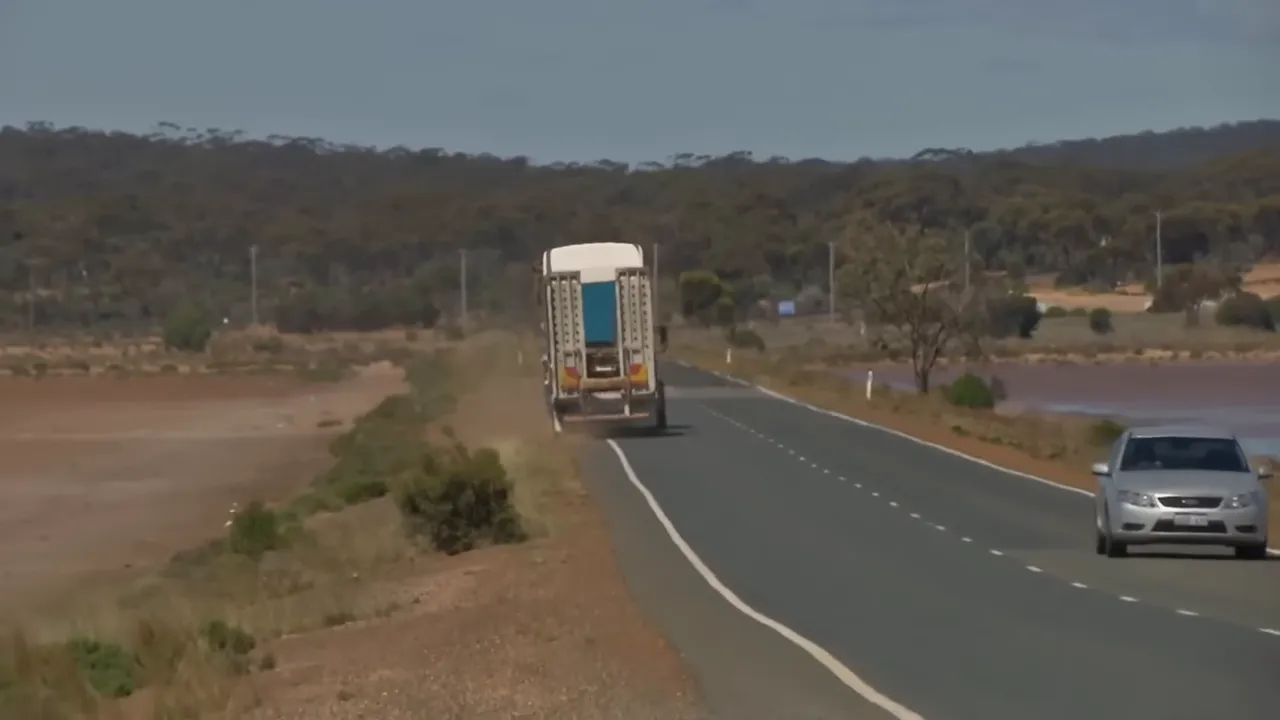 ).
). - Ewan Stevens — the Stevens family runs 300 hives (around 30 million bees) on a time-critical migration to leatherwood trees in Tasmania, including forklift loading, vandalism setbacks and an ultimate rail transfer into roadless country (
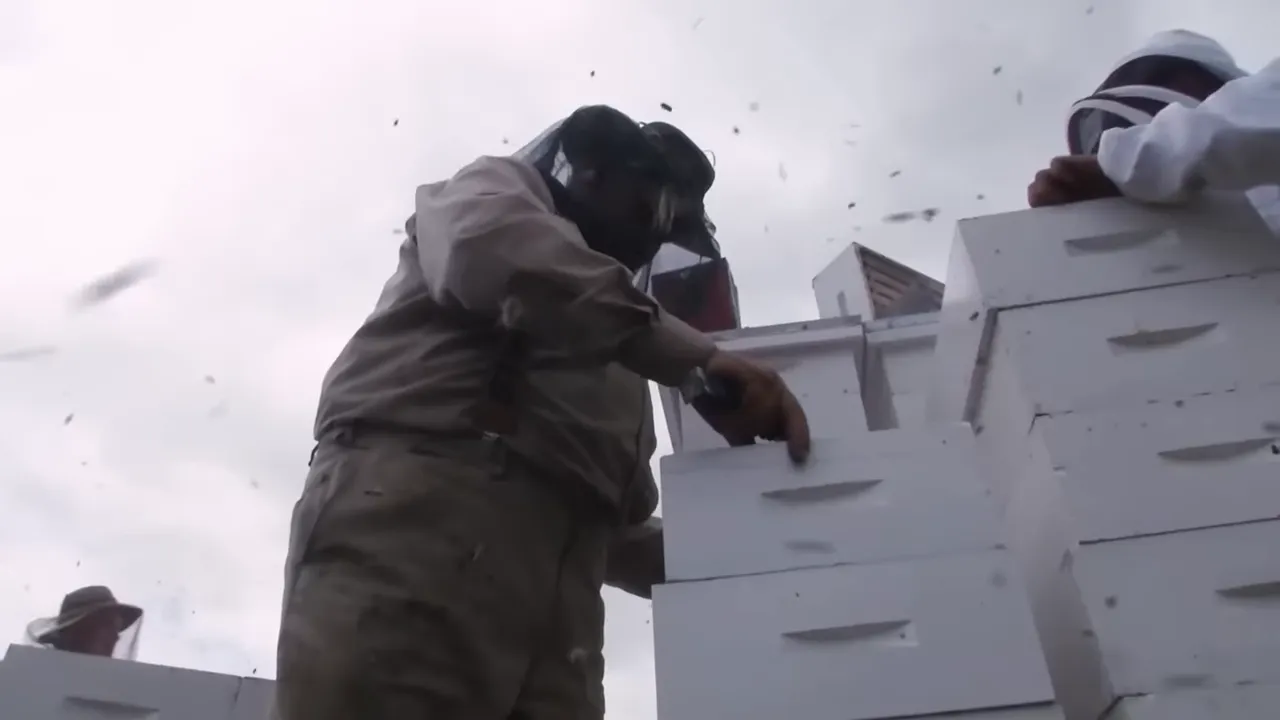 ).
). - Christian Reynolds — a Darwin-based trucker who converts a double into a 75 m, four‑trailer road train to tow a mate home across soft riverbeds, corrugations and long-distance hazards (
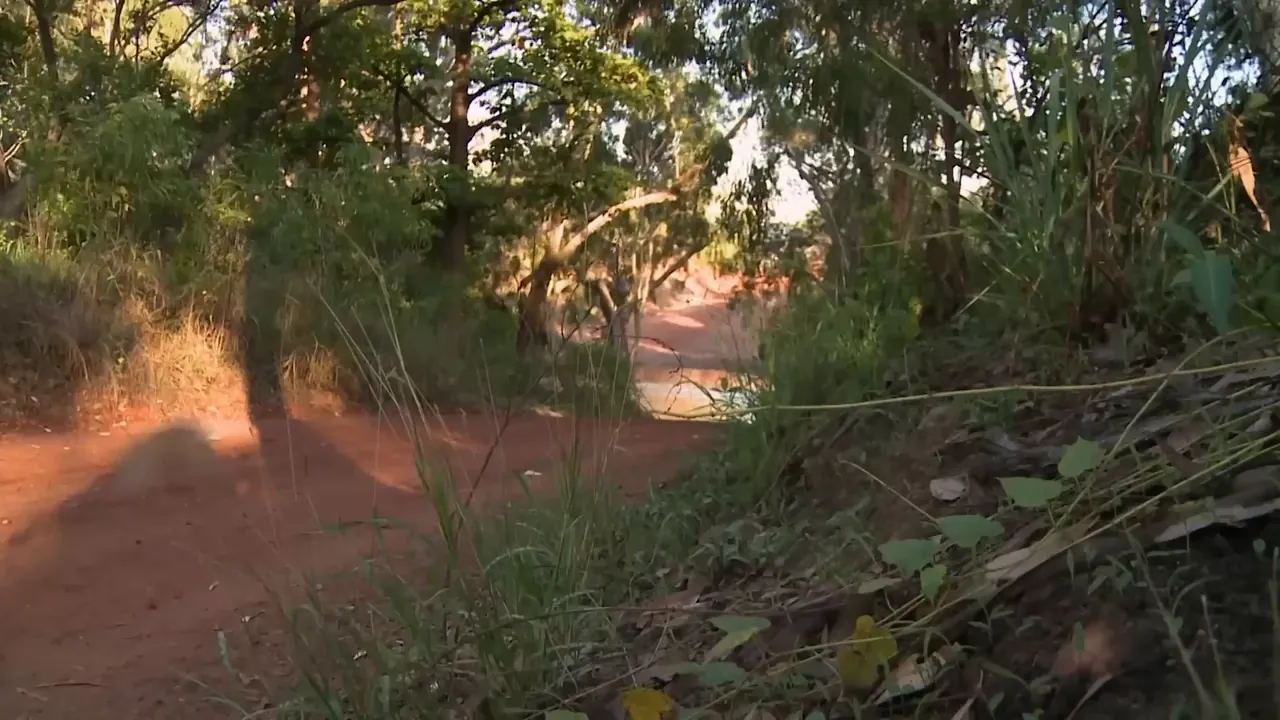 ).
).
Turbo: fighting wind, leaks and the clock
Turbo's marathon run paints a clear picture of remote work pressure. He leaves Perth determined to make it to Brisbane, but on the Nullarbor he faces sudden gale-force winds that threaten to push a long road train off the road, then discovers litres of oil leaking from a damaged sump seal. Repeated mechanical failures — a blown clutch and a bent wheel spacer after the roo strike — force makeshift roadside repairs. The urgency isn't just personal: long-haul drivers often carry tight delivery windows and personal obligations that shape on-the-spot decisions.
Turbo patches the engine enough to limp to Port Augusta, but the episode underlines that when a truck's condition affects public safety and the ability to continue a haul, responsibility extends beyond the driver — a practical example of the chain of responsibility; CoR in action.
Ewan and the bees: time, temperature and tonnes of risk
In Tasmania, Ewan and nephew Josh lead a convoy moving 300 hives — roughly 45 tonnes — to an ephemeral bloom. The leatherwood flowers bloom for only about four weeks, and every hour of delay risks thousands of bees suffocating inside nets or overheating on the truck. Loading is dangerous and painstaking: wet tracks force the use of forklifts on steep slopes, and vandalism along the route wipes out hives and value. The race to catch a special rail service into the forest is tense: an overlong truck, swaying carriages and a narrow bridge make the final leg a heart-in-mouth ride before they deliver the bees just in time (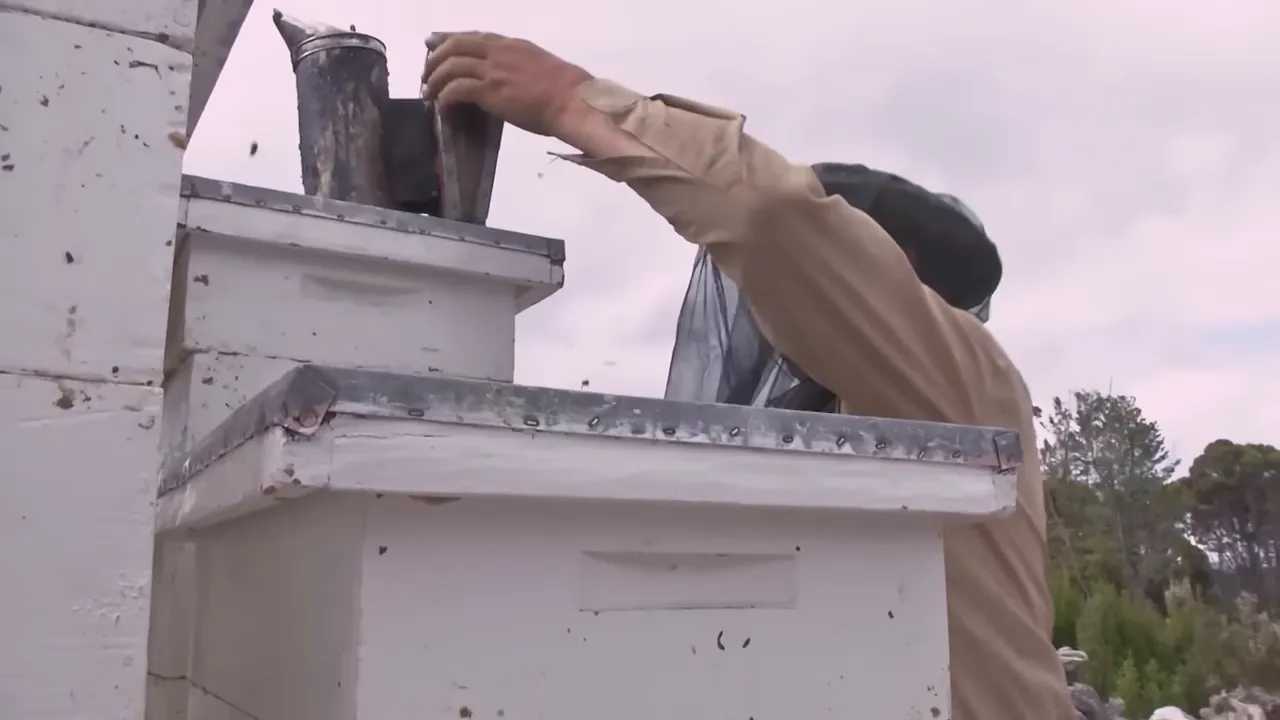 ).
).
The Stevens family story reiterates that cargo isn't only freight — it's a living, perishable asset. That raises duties across the supply chain: owners, drivers and freight managers must consider contingency plans, and that shared accountability reflects the chain of responsibility; CoR principles.
Christian: rescue mission becomes a 75‑metre challenge
Christian's job begins as a favour: tow a mate home when parts are 800 km away. What starts as a double-road train quickly scales up — adding trailers turns the rig into a 75 m, 105-tonne "metal centipede" with 84 wheels. He bets experience to get the full set across the Goida River in one go and survives deep corrugations and river crossings. When a second driver, Norman, breaks down, Christian chooses to integrate that truck into his train rather than leave a colleague stranded — a decision rooted in remote-area culture but emblematic of operational responsibility under CoR.
Overtaking a slow-moving caravan with such a beast is nerve-wracking; the episode shows that operational planning, situational awareness and risk-sharing are essential to keep everyone safe and compliant.
Safety, compliance and practical lessons
Three takeaways stand out for operators and drivers:
- Maintenance matters: small faults like a sump seal or wheel spacer can escalate into total loss or dangerous roadside repairs.
- Plan for perishables and live loads: moving bees or any live cargo requires contingency time, temperature control and clear chain of command.
- Communicate and support: remote runs rely on teamwork and mutual aid; failing to coordinate increases risk and operational exposure under the chain of responsibility; CoR.
Who bears responsibility on remote hauls?
In practice, responsibility is shared: drivers make decisions on the ground, operators plan routes and maintenance, and owners ensure safe, roadworthy vehicles. The episode demonstrates how every link matters — one failure propagates through people, assets and, sometimes, the environment.
FAQ
Q: What is the "chain of responsibility; CoR" in road transport?
A: The chain of responsibility; CoR is the legal and practical framework that distributes duties for safe transport across everyone who influences a transport task — drivers, operators, consignors, loaders and employers. This episode shows multiple CoR touchpoints: maintenance, load security, fatigue management and decision-making in remote conditions.
Q: How can operators reduce risk on extreme hauls?
A: Effective strategies include proactive maintenance schedules, conservative timing for perishable or live loads, thorough pre-trip briefings, contingency plans for breakdowns and mutual aid agreements with other operators. Emphasising shared accountability — the chain of responsibility; CoR — helps ensure decisions are made with safety and compliance in mind.
Q: What should a driver do if a breakdown in a remote area occurs?
A: Prioritise personal and public safety, secure the load where possible, communicate location and problem to base, use radios or satellite comms if available, and avoid risky solo repairs if they endanger the public or the load. Reporting and documenting the incident helps satisfy CoR obligations.
Final notes
This episode of Outback Truckers is a crash course in remote logistics, human grit and shared accountability. Whether it's saving an engine, saving a bee colony or saving a mate's rig, the road asks for competence, resilience and a clear understanding of the chain of responsibility; CoR. Watch the full episode to see the repairs, river crossings and rail transfers unfold — and note how every decision ripples through the haul.
Video credit: Outback Truckers.
This article was created from content published by https://www.nhvr.gov.au/. Visit the site for latest and current information.


