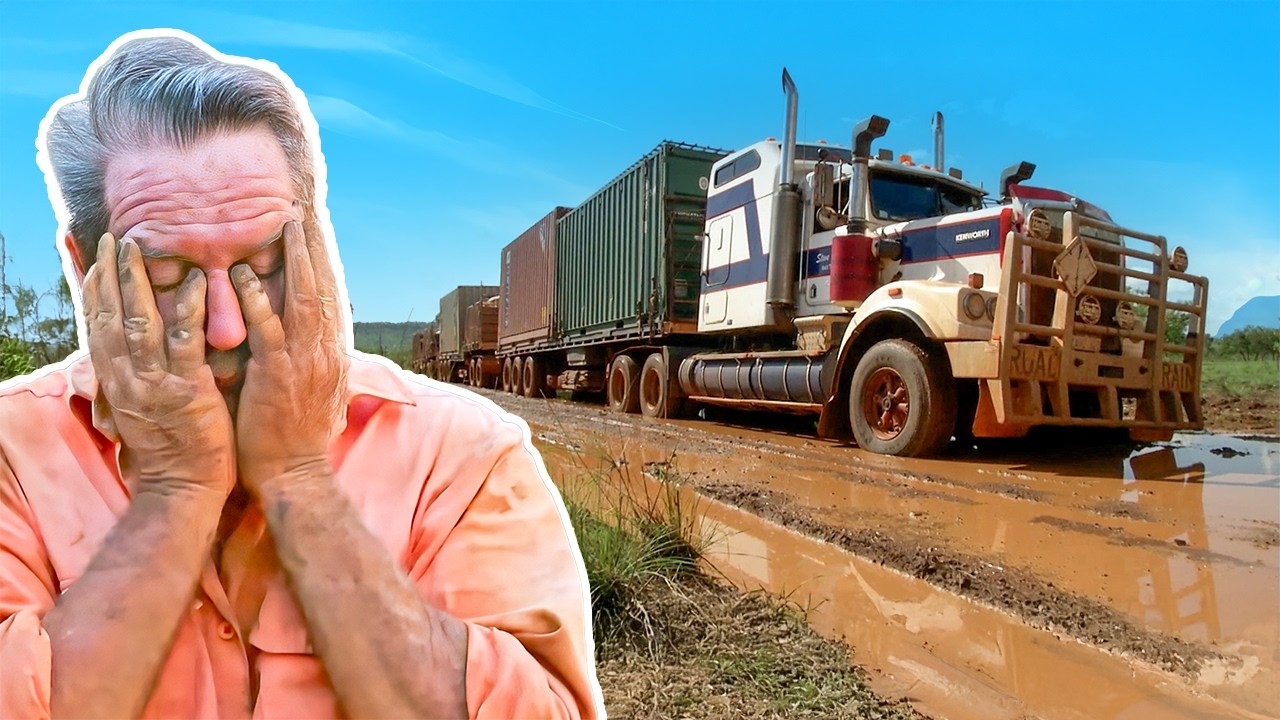
The Outback is where skill meets risk. In "Outback Truckers VS the Worst Roads in Australia" we follow veteran drivers — Steve, Jeff, Sludge, Russell and Turbo — as they battle bogs, floods, corrugations and collapsing roads to deliver essential freight. Along the way this episode raises practical safety and operational issues that sit under the umbrella of the chain of responsibility; CoR.
Table of Contents
- Why this episode matters (and what "chain of responsibility; CoR" has to do with it)
- Steve: road trains, river crossings and a hundred‑tonne gamble
- Jeff: time‑critical seafood and the 99 corners of Queenstown
- Sludge: diesel deliveries into flood country
- Russell: hauling a fragile hut over 250km of rough country
- Turbo: Cape York's corrugations, bull dust and broken gear
- Practical takeaways for operators, drivers and communities
- What the footage teaches about the chain of responsibility; CoR
- Conclusion
- FAQ
- Credits
Why this episode matters (and what "chain of responsibility; CoR" has to do with it)
The footage is more than entertainment: it’s a catalogue of hazards and decisions that affect drivers, operators and road managers. The phrase chain of responsibility; CoR appears throughout the episode — implicitly and explicitly — whenever load security, route choice, timing, vehicle condition and community needs collide. That means everyone in the supply chain has duties to manage risk, from planning and maintenance to on‑the‑road actions.
Steve: road trains, river crossings and a hundred‑tonne gamble
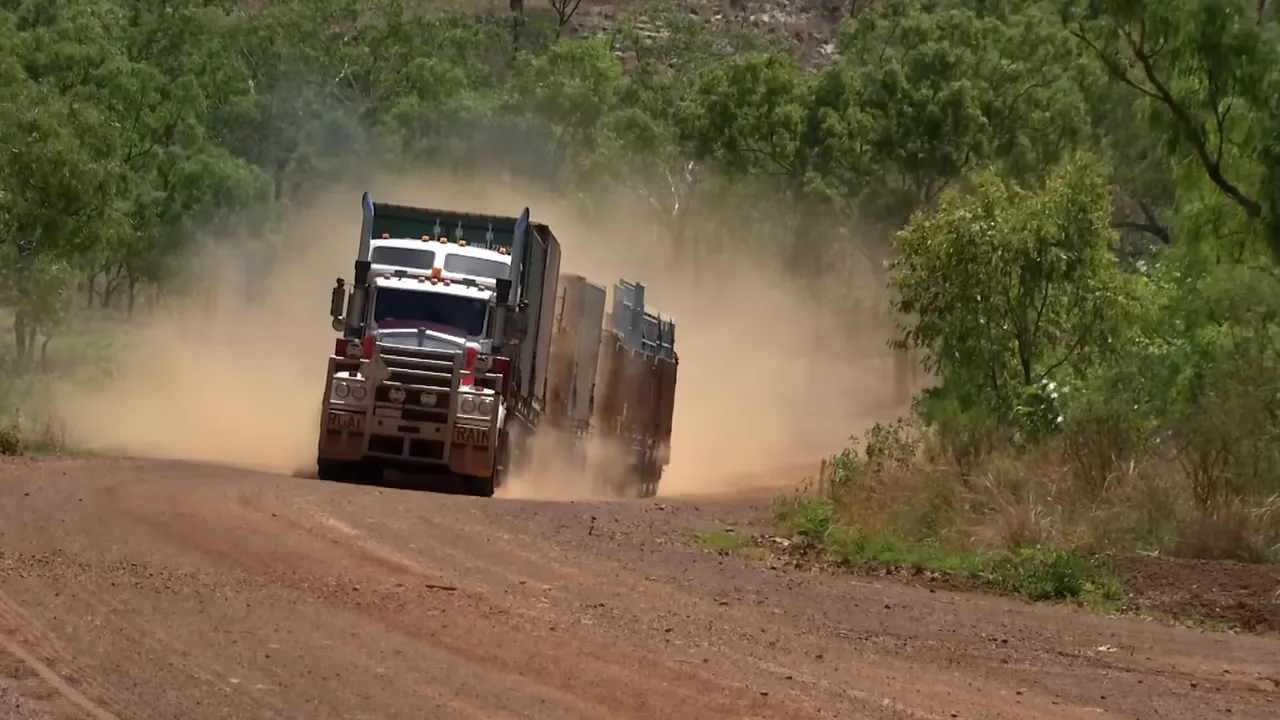
Steve’s run is a study in endurance. He pushes an ageing Kenworth up jump‑ups with turbo charges spiking and cabin floors getting hot (see 01:14). When the Barnett River has sandbars and flood debris, his 50‑metre, 100‑tonne road train fights for traction and he’s forced to uncouple trailers and chain them across one at a time (02:30, 05:45).
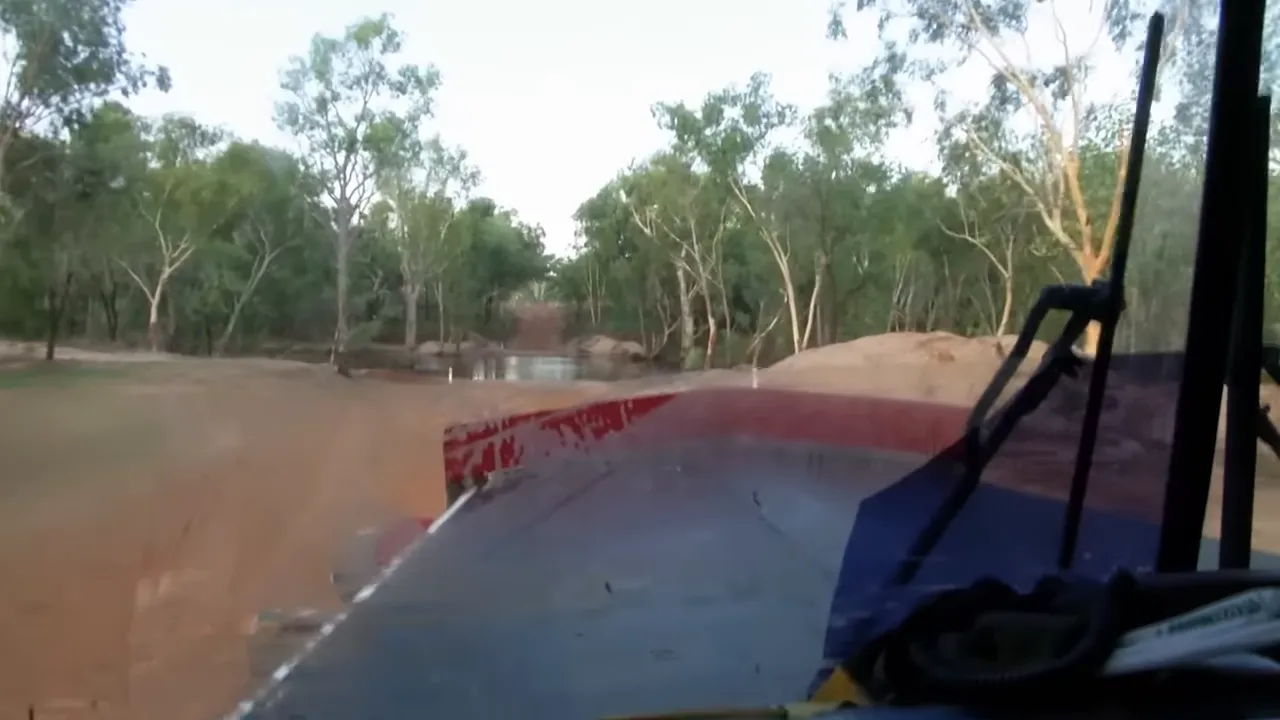
Community graders and local four‑wheel drives repeatedly rescue Steve, pulling sunken trailers free and regrading tracks (17:11). His story highlights key CoR questions: Was the route risk‑assessed? Was the vehicle maintained to cope with severe gradients and water crossings? Who decided timing that left him exposed to a storm cell?
Jeff: time‑critical seafood and the 99 corners of Queenstown
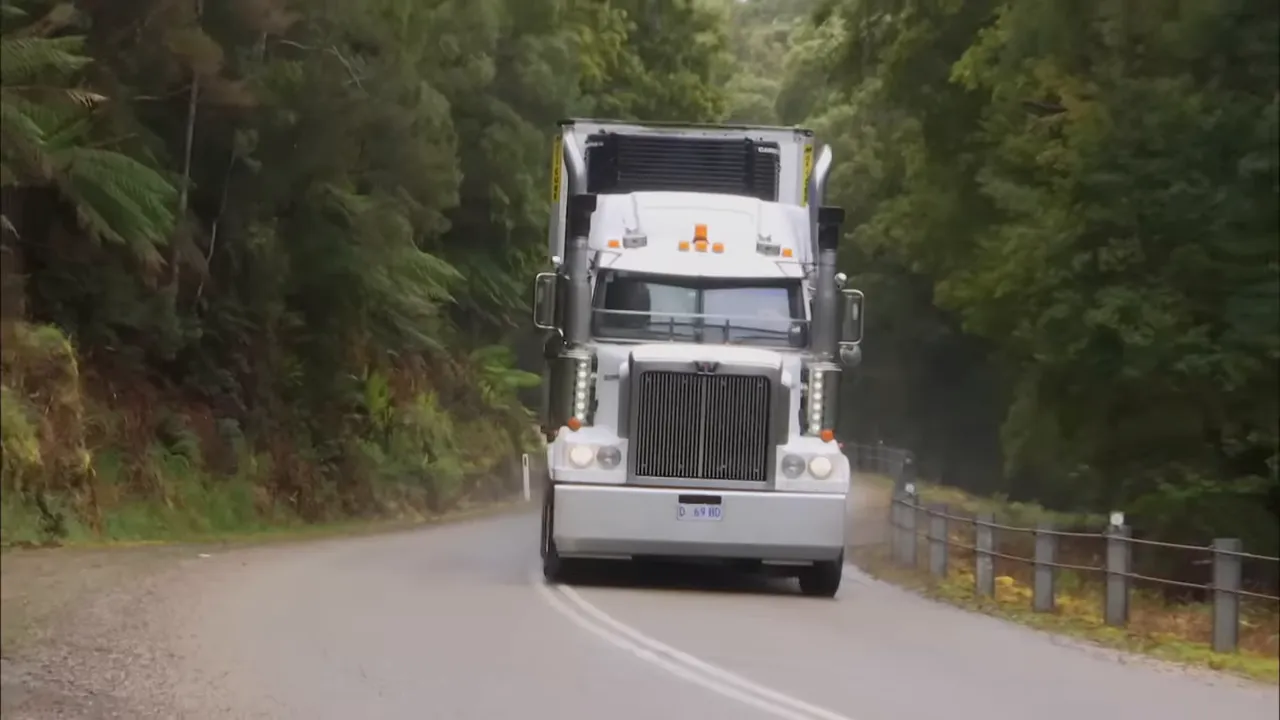
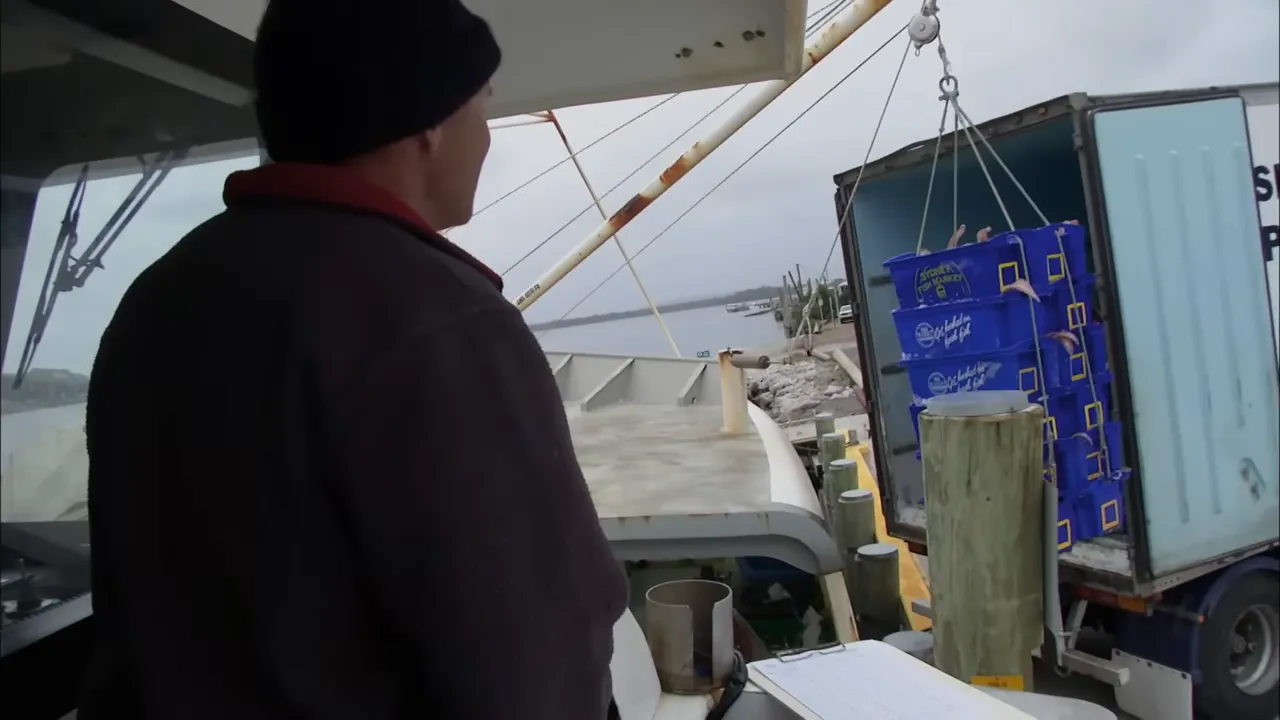
Jeff hauls six tonnes of fresh fish and has less than 36 hours to meet the boat. The Queenstown 99 Corners (38:13) test precision driving — one slip risks a 400‑metre drop. Tight margins and perishable freight show how scheduling pressure can influence safe choices. When the job is time‑critical, the chain of responsibility; CoR still applies: consignors, transport operators and drivers must not allow time pressure to override safe practices.
Sludge: diesel deliveries into flood country
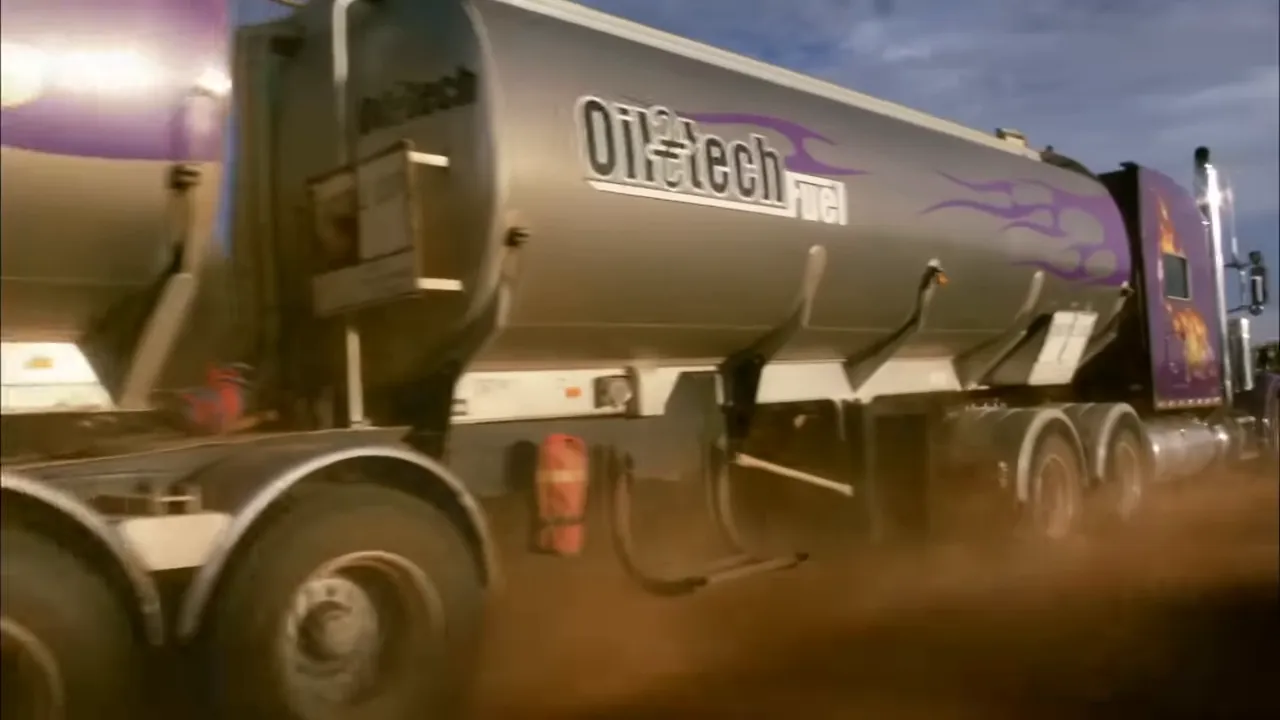
Unseasonal rains and a cyclone strand remote stations without fuel. Sludge navigates detours, closed roads, and saturated tracks to reach customers who run generators on diesel (47:03). His choices — which route to take and whether to press on in worsening weather — illustrate operational CoR: does the operator have contingency plans? Are customers aware of risk and realistic arrival windows?
Russell: hauling a fragile hut over 250km of rough country
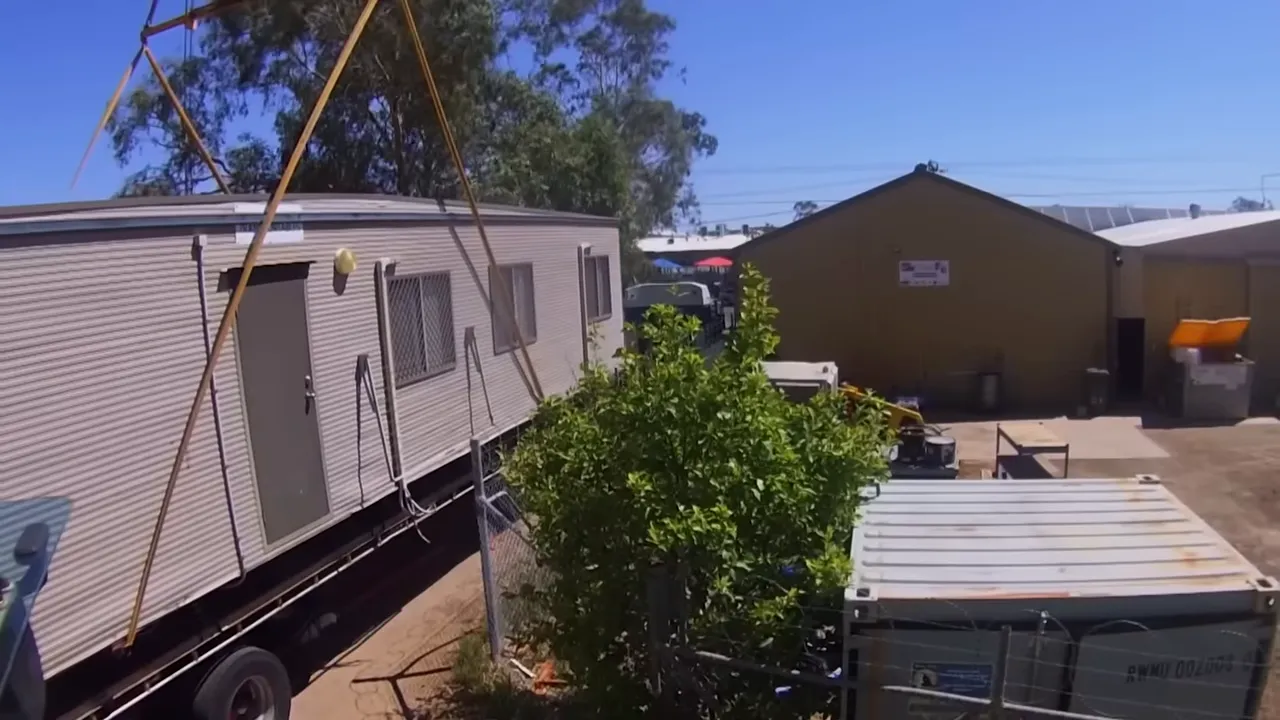
Russell preps a rickety mobile building, then fights heat, tyre blowouts and a failed wheel bearing (57:42, 1:02:15). His improvised repairs — from fire‑seating a tyre to using a loader to offload the hut — show practical bush skills. But they also raise CoR issues around vehicle fitness and load restraint. The entire chain has responsibility for ensuring loads are safe and vehicles capable of the route.

Turbo: Cape York's corrugations, bull dust and broken gear
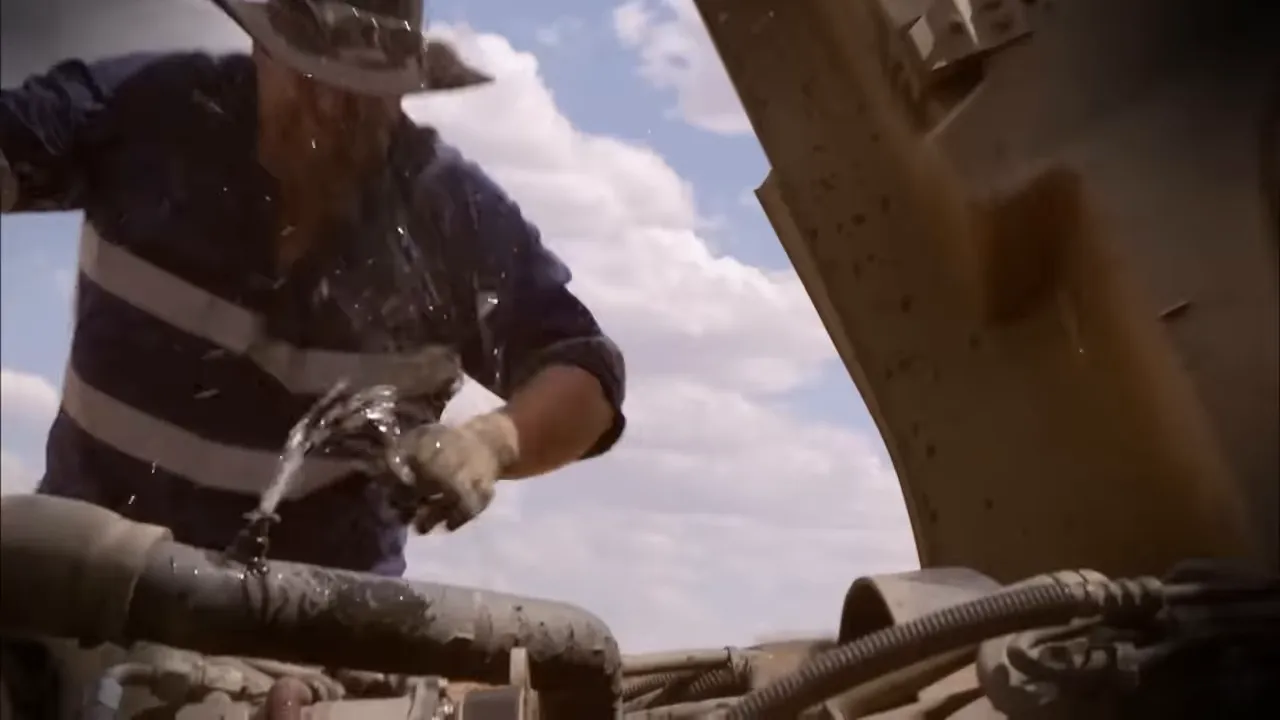
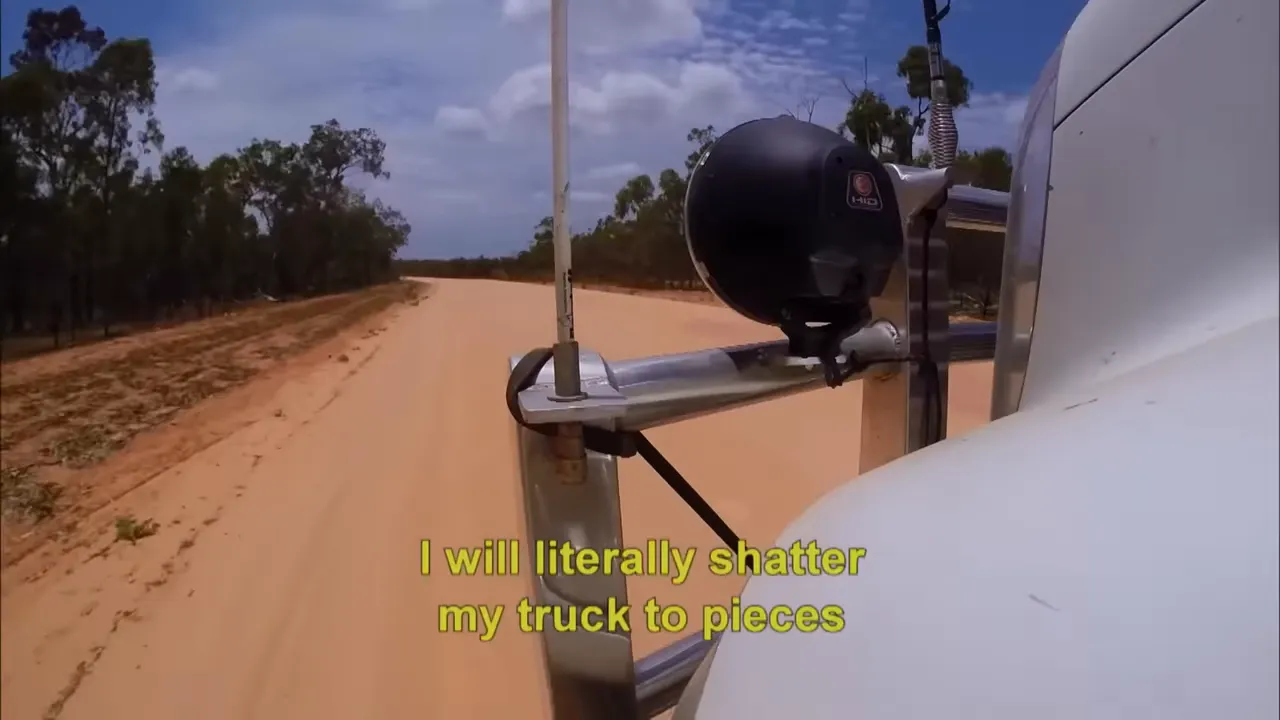
Turbo’s rig is new, but the road through Cape York is brutal. A leaking radiator header tank (1:06:11) and flying debris that shakes straps loose underline the vulnerability of freight and the consequences of deferred maintenance. He intentionally slows to protect his investment, but still loses lights and sustains damage from corrugations and cattle (1:07:31, 1:12:52).
Practical takeaways for operators, drivers and communities
- Route risk assessment: Inspect river crossings, black soil sections and steep climbs — update plans when weather changes.
- Vehicle fitness: Maintain cooling systems, tyres, straps and lights. A small failure can cascade into a catastrophic loss.
- Load restraint: Secure freight to withstand corrugations and unexpected maneuvers.
- Local coordination: Use community graders, four‑wheel drives and local intelligence to reduce exposure to bog holes and washouts.
- Communication and scheduling: Build realistic transit times so drivers aren’t pressured into unsafe decisions — everyone in the chain of responsibility; CoR must factor that in.
What the footage teaches about the chain of responsibility; CoR
The episode repeatedly shows that when things go wrong it isn’t just the driver who suffers — consignors, operators, road authorities and customers are all affected. Embedding chain of responsibility; CoR thinking means:
- Recognising foreseeable risks (weather, black soil, river sandbars).
- Allocating clear responsibilities for planning, vehicle condition and loading.
- Ensuring reasonable schedules and emergency contingency plans.
- Documenting decisions and communications so accountability is traceable across the supply chain.
Conclusion
Outback Truckers captures the raw reality of remote transport: expert driving, improvisation, community support and, at times, costly setbacks. The episode is a reminder that managing those risks is shared — the chain of responsibility; CoR isn't a label, it's a practical framework for keeping people, cargo and communities moving safely.
FAQ
Q: What is the chain of responsibility; CoR?
A: The chain of responsibility; CoR is a legal and practical framework that assigns duties to all parties in the freight chain — consignors, loaders, packers, schedulers, operators and drivers — to prevent unsafe conduct and manage risk.
Q: Who must act under the chain of responsibility; CoR?
A: Anyone whose actions influence transport safety and compliance — including those who decide routes, set schedules, pack loads, maintain vehicles and drive them — has duties under the chain of responsibility; CoR.
Q: How can operators reduce bogging and washout risk seen in the episode?
A: Combine accurate weather forecasting, local intel, alternative routing, reduced axle loads, and staged deliveries. Use graders and community resources proactively and avoid high‑risk windows when possible.
Q: What should a driver do if a trailer is irretrievably stuck?
A: Prioritise safety, notify the operator and community, secure the site to prevent further damage, and organise recovery with appropriate equipment — and document communications as part of the chain of responsibility; CoR record keeping.
Q: Where can I watch the full episode?
A: The original episode is produced by Outback Truckers. For full credit to the creators and more episodes, visit the Outback Truckers channel and playlists.
Credits
Episode footage and stories courtesy of Outback Truckers. The highlights above draw directly on the drivers’ own words and situations captured in the episode.
This article was created from content published by https://www.nhvr.gov.au/. Visit the site for latest and current information.


