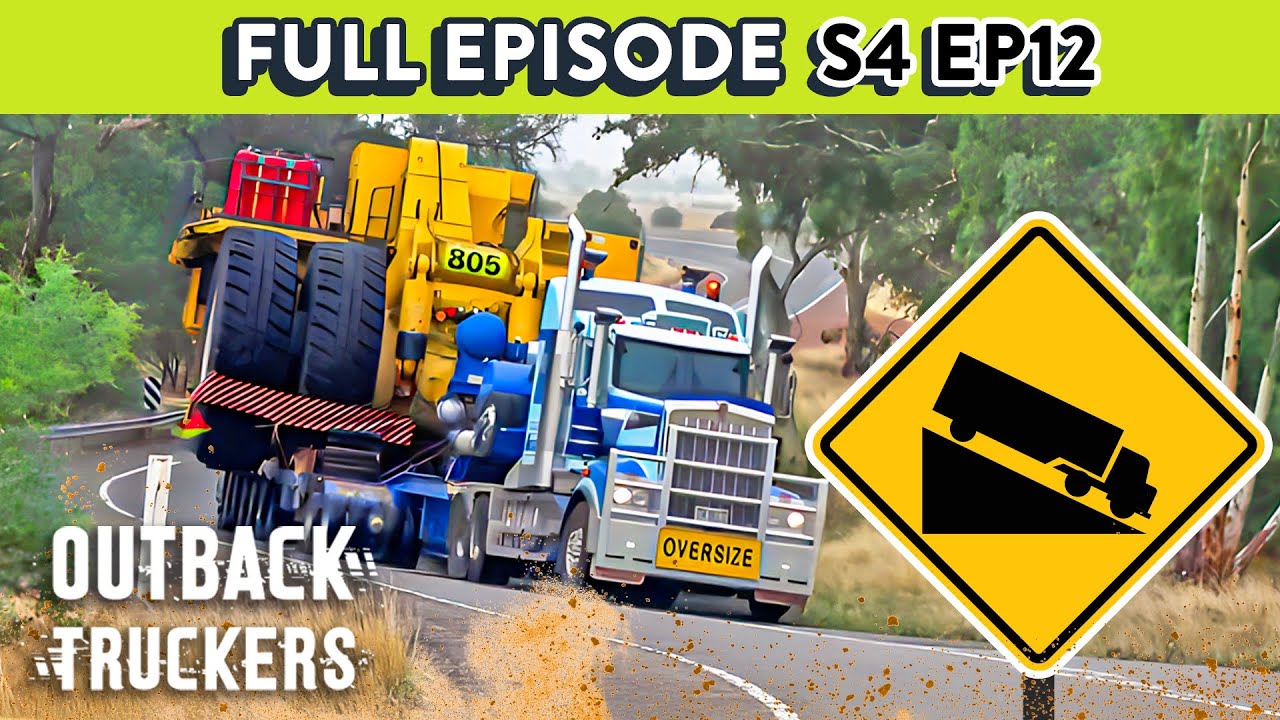
This episode of Outback Truckers (Outback Truckers, Season 4 Episode 12) follows three high‑stakes hauls across New Zealand and Australia and highlights why the chain of responsibility; CoR matters as much as horsepower. From a 130‑tonne dump truck moving across state lines, to a cattle run over Arthur’s Pass, to urgent generator pickups in the wet Kimberley, this is a front‑row look at how planning, procedures and people keep oversized freight moving — and safe.
Table of Contents
- Episode overview: three hauls, one set of risks
- Sludge Andrews: cattle, mountain passes and tourist traffic
- Cameron Smith: centreing a $3 million truck for a city deadline
- Steve Graham: repairs, weather and the Tanami decision
- Safety, compliance and the chain of responsibility; CoR
- Practical takeaways for drivers and operators
- Frequently Asked Questions
- Conclusion
Episode overview: three hauls, one set of risks
The episode weaves three main threads:
- Sludge Andrews — an expat Kiwi tasked with moving 45 beef steers across Arthur’s Pass (Ranfurly to Greymouth), navigating narrow single‑lane bridges, tourist traffic and a heavy mountain climb.
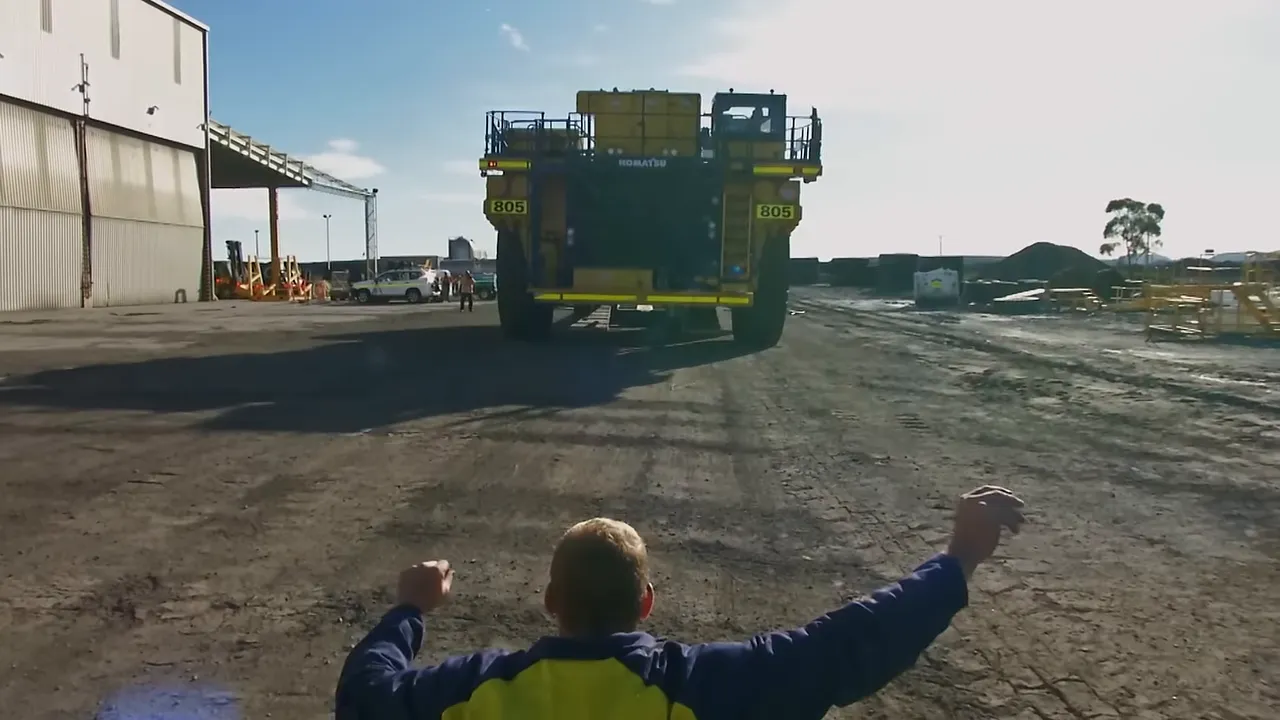
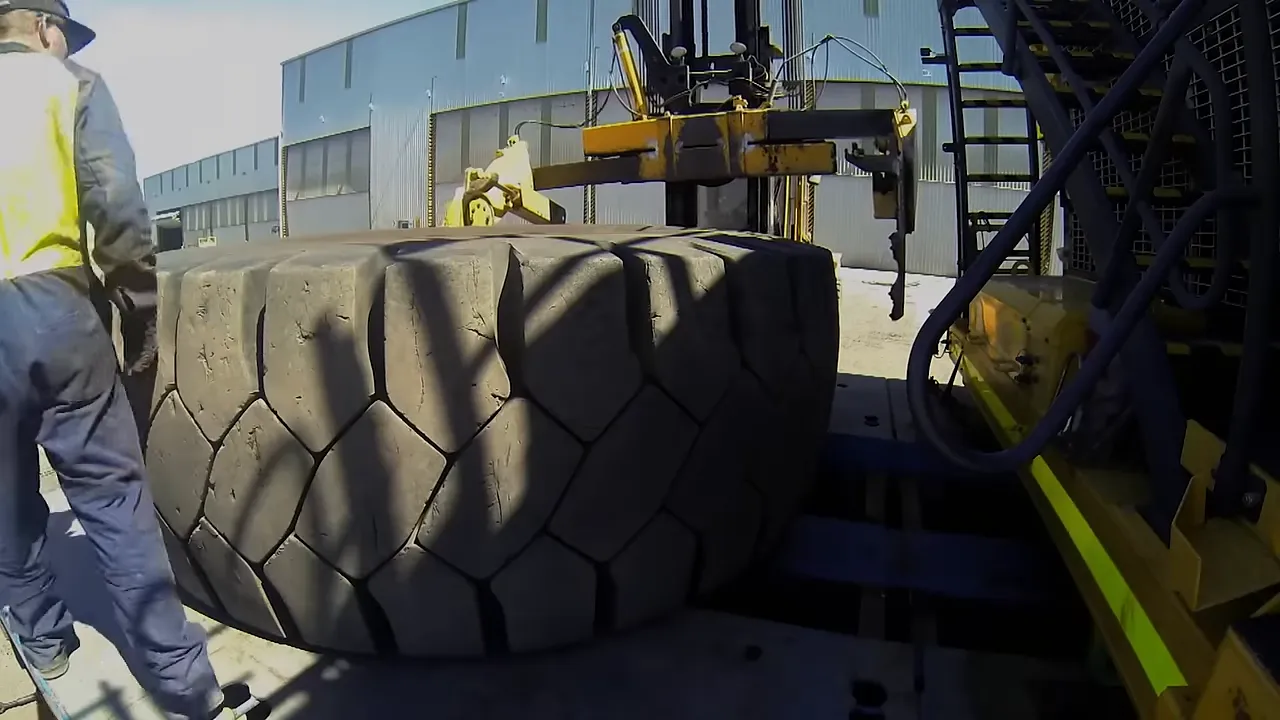
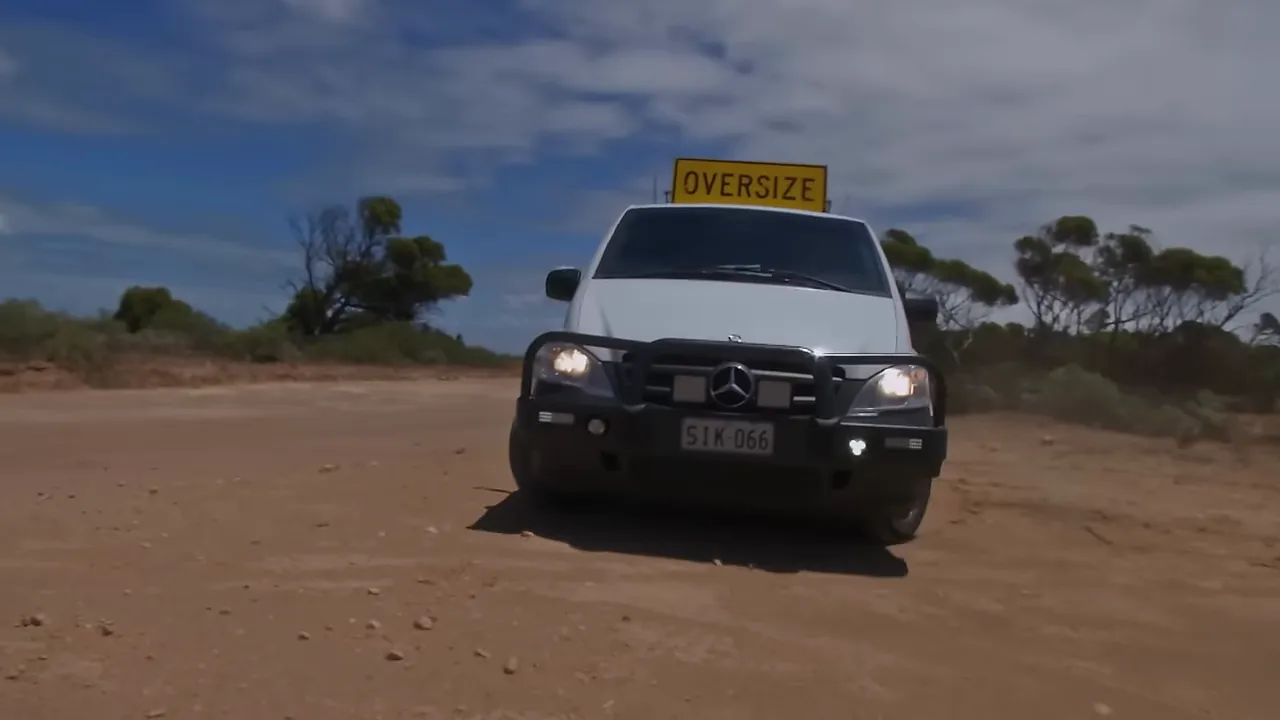
- Cameron Smith — heavy‑haul specialist charged with loading and moving a 130‑tonne, 8‑metre‑wide dump truck from Lee Creek mine to Perth (2,600+ km), managing escort vehicles, road bypasses and quarantine inspections.
- Steve Graham — facing a tight schedule in the Kimberley to recover gensets and deliver supplies while nursing a truck repaired after a high‑speed tyre blowout and a torn shoulder tendon.
Sludge Andrews: cattle, mountain passes and tourist traffic
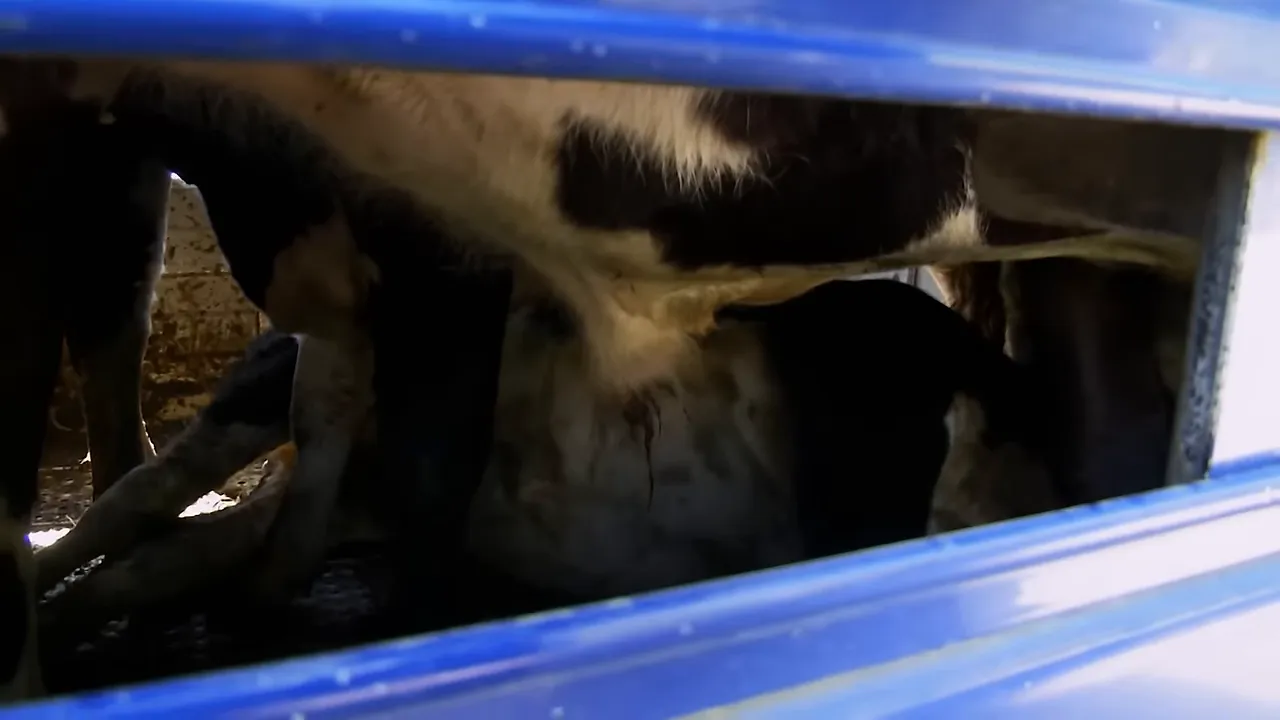
Sludge’s run is deceptively complex: live animals are a dynamic load and Arthur’s Pass is unforgiving. Loading required careful distribution across a double‑deck trailer to avoid top‑heaviness. On the way he dealt with blocked effluent drains (a legal requirement in NZ), a fallen steer in a crowded pen and slow tourist traffic that cost time before the 50km climb to the pass.
Key operational points from Sludge’s segment:
- Live loads require continuous monitoring — animal welfare and stability go hand in hand.
- Legal obligations (like offloading effluent) are part of every run and can create unscheduled stops.
- Mountain climbs demand gearbox discipline: one missed gear on a steep, blind corner can mean a stall you can’t recover from.
Cameron Smith: centreing a $3 million truck for a city deadline
Cameron’s job is precision under pressure. Loading a machine that’s wider than four family cars and taller than most overpasses required widening the trailer to nearly 4.5 metres, balancing the mass to within inches and coordinating a push truck for extra traction. The schedule was rigid: the load needed to be in Perth on a Sunday curfew, or the convoy would be delayed a full week.
Complications included:
- Post‑storm debris and surface water across rural bypasses, creating soft spots that can bog an oversized rig.
- Quarantine/inspection checks at state borders — a dirty machine can be required to be washed, costing a day or more.
- Dependence on pilot cars and the push truck; if one link fails, the whole move stalls.
Steve Graham: repairs, weather and the Tanami decision
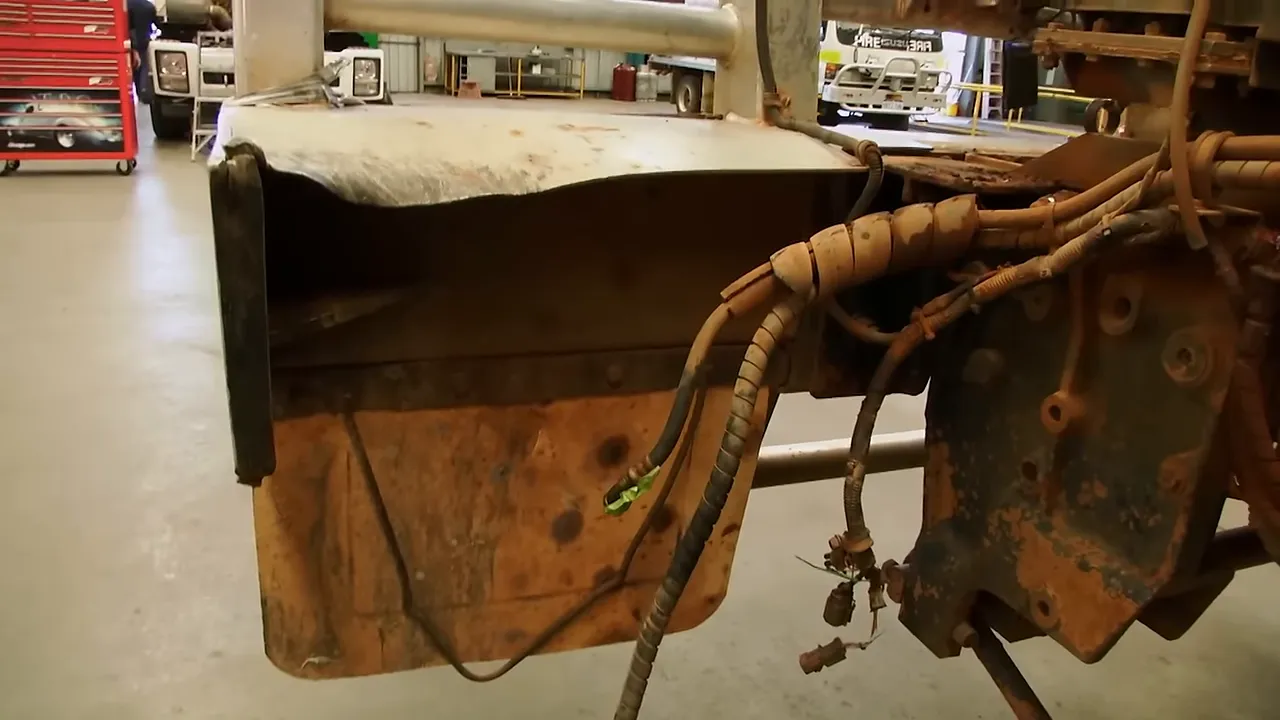
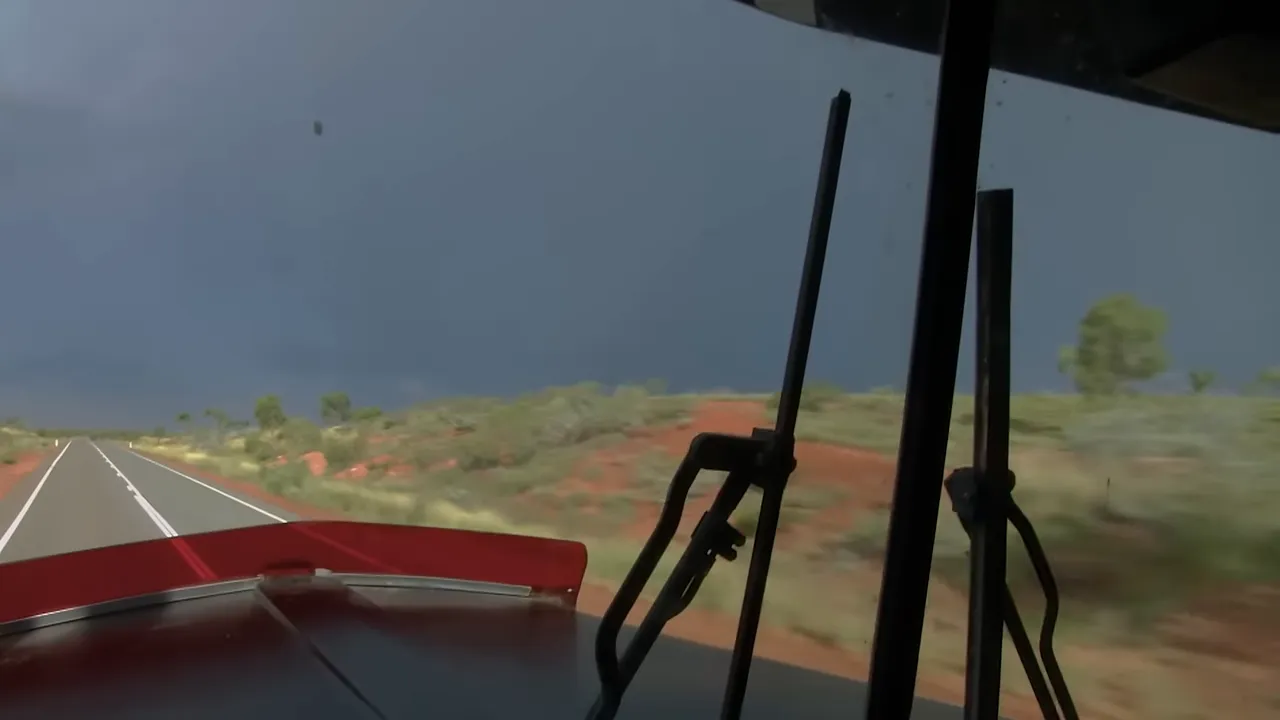
Steve’s narrative focuses on recovery and timing. A recent tyre explosion left his truck damaged and his shoulder injured. With an operation scheduled, he had to meet a demanding itinerary across the Kimberley during the end of the wet season — when a single thunderstorm can dump hundreds of millimetres and turn tracks to mud.
Operational lessons from Steve:
- Assess risks dynamically: store freight temporarily on private yards to optimise delivery order.
- Know when to push and when to stop — corrugations, mud and lightning all change the acceptable risk profile for remote tracks like the Tanami.
- Local relationships and on‑ground helpers (bobcat operators, yard owners) can be the difference between success and delay.
Safety, compliance and the chain of responsibility; CoR
Throughout the episode, the practical realities underscore legal and safety frameworks. The chain of responsibility; CoR is central: when loads are oversized, perishable or live, responsibilities are shared along the supply chain — driver, operator, consignor, loader, and escort providers all have obligations. The episode touches on several CoR considerations:
- Load restraint and balancing — critical for live animals and heavy machinery alike.
- Vehicle roadworthiness after repairs (Steve) and the need for parts and competent maintenance to avoid further incidents.
- Biosecurity and quarantine checks — a dusty machine can trigger washdowns and delays that reflect on the operator’s management systems.
- Decision‑making under adverse weather — stopping traffic, diverting to bypasses, or returning to base are CoR‑relevant choices.
Good practice demonstrated in the episode maps directly to CoR obligations: pre‑trip checks, accurate paperwork at inspections, collaboration with pilot vehicles, and contingency planning for wet weather and animal welfare.
Practical takeaways for drivers and operators
- Plan for the worst: schedule extra time for inspections, washdowns, and weather delays.
- Document loading procedures and weight distribution for live loads — avoid last‑minute changes.
- Maintain open lines with local contacts; on‑site help often prevents costly delays.
- Respect CoR responsibilities: record decisions and controls that reduce risk and demonstrate due diligence.
Frequently Asked Questions
Q: How does the chain of responsibility; CoR affect drivers on these routes?
A: The chain of responsibility; CoR means drivers aren’t the only ones accountable — consignors, loaders, schedulers and operators all share duties to ensure loads are safe, legal and fit for the chosen route. Decisions about loading, timing and routes should be documented and risk‑assessed.
Q: What are the main hazards when hauling oversized machinery like Cameron’s dump truck?
A: Hazard hotspots include narrow bypasses, soft dirt sections after storms, bridge and overpass clearances, quarantine inspections and the inability to turn around. Heavy loads also demand coordinated push/pilot vehicles and careful tyre and brake management.
Q: For live loads, what immediate steps help prevent animal injury?
A: Proper penning and weight distribution, regular checks, effluent management (as legally required in NZ), and prompt action if an animal falls — offloading to create space or getting local assistance can save animal welfare and the run.
Q: Where can operators improve compliance with the chain of responsibility; CoR?
A: Improve pre‑trip paperwork, ensure vehicles are roadworthy, brief everyone in the supply chain on load constraints, and maintain contingency plans for weather, inspections and equipment failures. Evidence of these controls demonstrates compliance under the chain of responsibility; CoR.
Conclusion
This episode of Outback Truckers is more than adrenaline — it’s a practical case study in heavy vehicle operations, risk management and the shared obligations of the chain of responsibility; CoR. Whether you’re moving live cattle over mountain passes or manoeuvring a 130‑tonne behemoth across state lines, the same fundamentals apply: plan meticulously, communicate clearly, and treat safety and compliance as operational essentials — not afterthoughts.
Original footage and credit: Outback Truckers.
This article was created from content published by https://www.nhvr.gov.au/. Visit the site for latest and current information.


