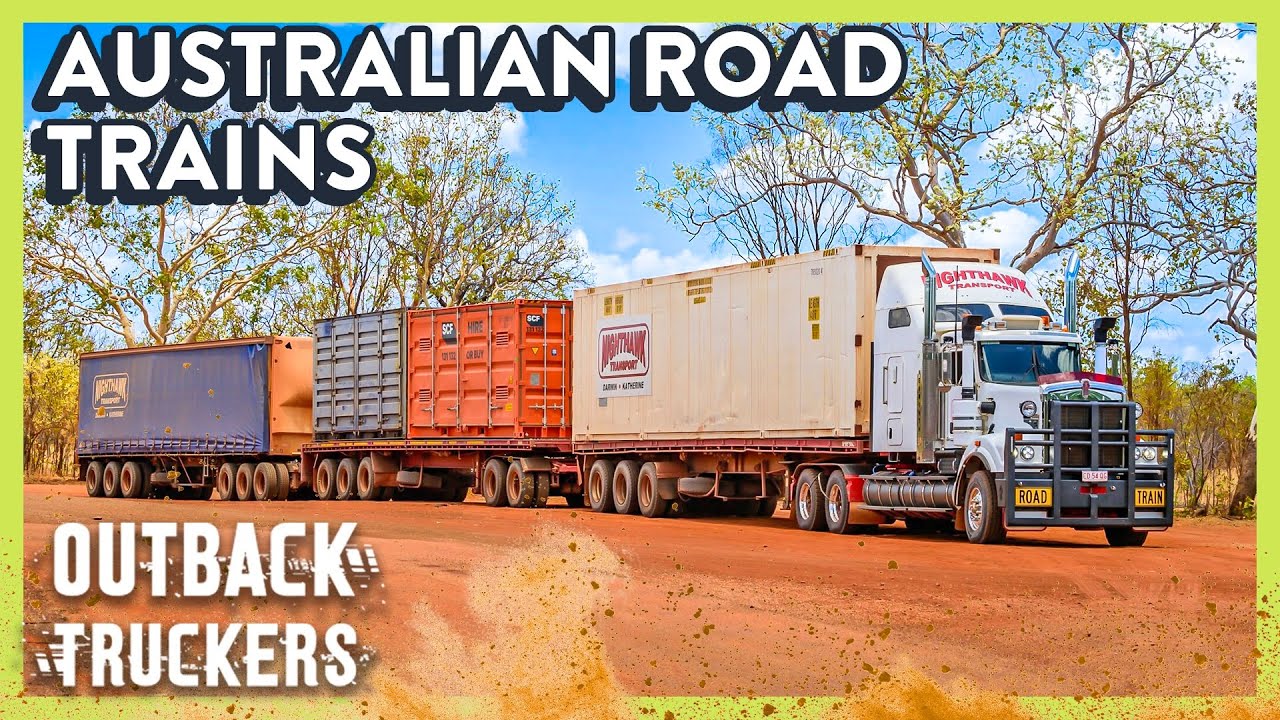
The Outback is where machines meet weather, and people meet consequence. This episode from Outback Truckers follows water drillers, oversized haulers and race-car convoys across thousands of kilometres — and it repeatedly surfaces an industry truth: safety, compliance and accountability matter. In every job you see the practical reality of the chain of responsibility; CoR — from logbooks and permits to load restraint and fatigue management.
Table of Contents
- At a glance: who we meet and what they do
- The water‑drilling emergency: life or stock feed on the line
- Long hauls and hair‑raising detours
- Remote supplies: when timing is everything
- Heavy lifts and island problems: Brad and Mark
- On the road with Yogi: rules, medicals and fines
- Common hazards and how they were managed
- Practical lessons for operators and supply chain participants
- FAQ
- Final note
At a glance: who we meet and what they do
- Anthony & Danielle (Murrungi water drillers) — racing to replace collapsed bores that keep huge cattle stations alive.
- Steve Graham — hauling >100 tonnes of cement to Alice Springs with a rookie truck dog, Bella, and a missing contractor for a third trailer.
- Nitro Funny Car convoy (Shane, Fred, Shannon) — three truckloads of high‑value race cars on a 4,000 km run to Perth.
- Nick & Joe — last supply run to remote WA communities before the wet season locks roads.
- Craig & Dakota — a 6,000 km mercy run delivering hay to drought-hit stations.
- Yogi — a regional operator balancing medical checks, fines, family and tight delivery windows.
- Brad & Mark — heavy‑haul specialists: camp moves in central Australia and an $8m power station delivery to a Pacific island.
The water‑drilling emergency: life or stock feed on the line
Deep in the Barkly Tablelands Anthony's team races to replace a collapsed well. The drill hits water at 110m but casing refuses to pass a ledge — they pull rods, clean, redrill and finally secure “sweet water and plenty of it.” The job highlights how frontline decisions affect whole properties and why clear responsibilities (safety, equipment condition, timing) matter to neighbours and clients — the chain of responsibility; CoR plays out in who signs off on safe access, who maintains gear and who accepts operational risk.

Long hauls and hair‑raising detours
Steve's urgent cement run becomes a logistical headache: roads washed away, a contractor gone silent, and multiple tyre failures. Bella the dog learns on the job as Steve juggles repairs, partners and timing. Likewise, the Nitro cars show how fragile freight needs constant checks — at every rough patch the crews stop and inspect restraint systems, because a loose strap can ruin a $150,000 car and endanger lives.
Remote supplies: when timing is everything
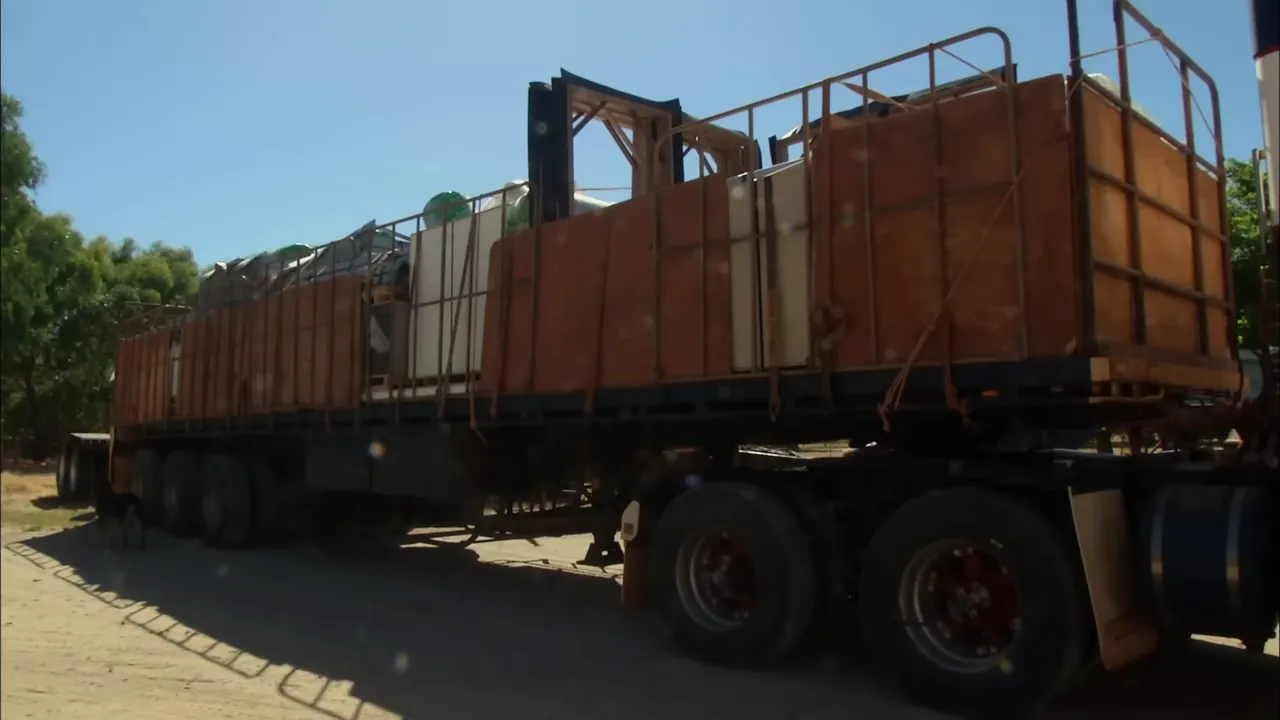
Nick & Joe take a last risky run to remote communities before the wet season closes roads. They carry essential items — including a generator for a pregnant family — into country where a delay can mean months without supplies. Craig and his son Dakota pack 44 tonnes of donated hay for drought relief, juggling road‑height limits and timing to reach starving cattle. Every decision about route, load and timing touches on obligations up and down the supply chain — the chain of responsibility; CoR is not abstract here, it directly determines whether communities get what they need.
Heavy lifts and island problems: Brad and Mark
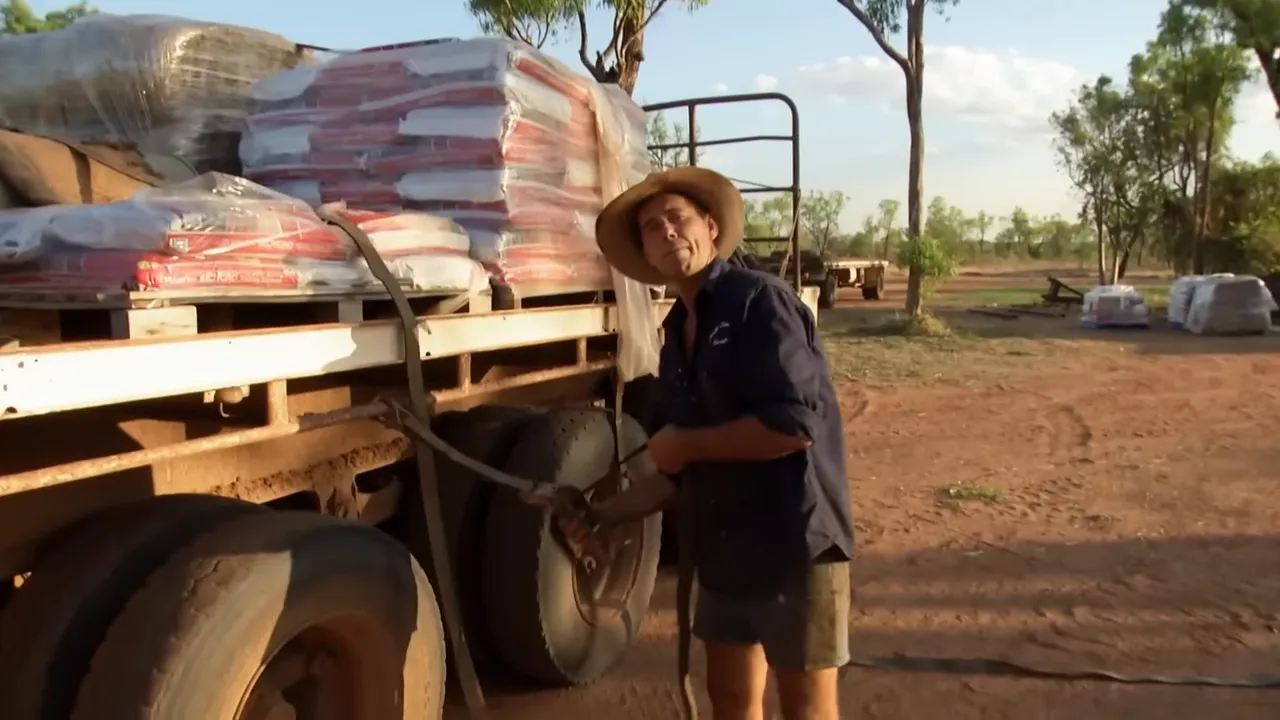
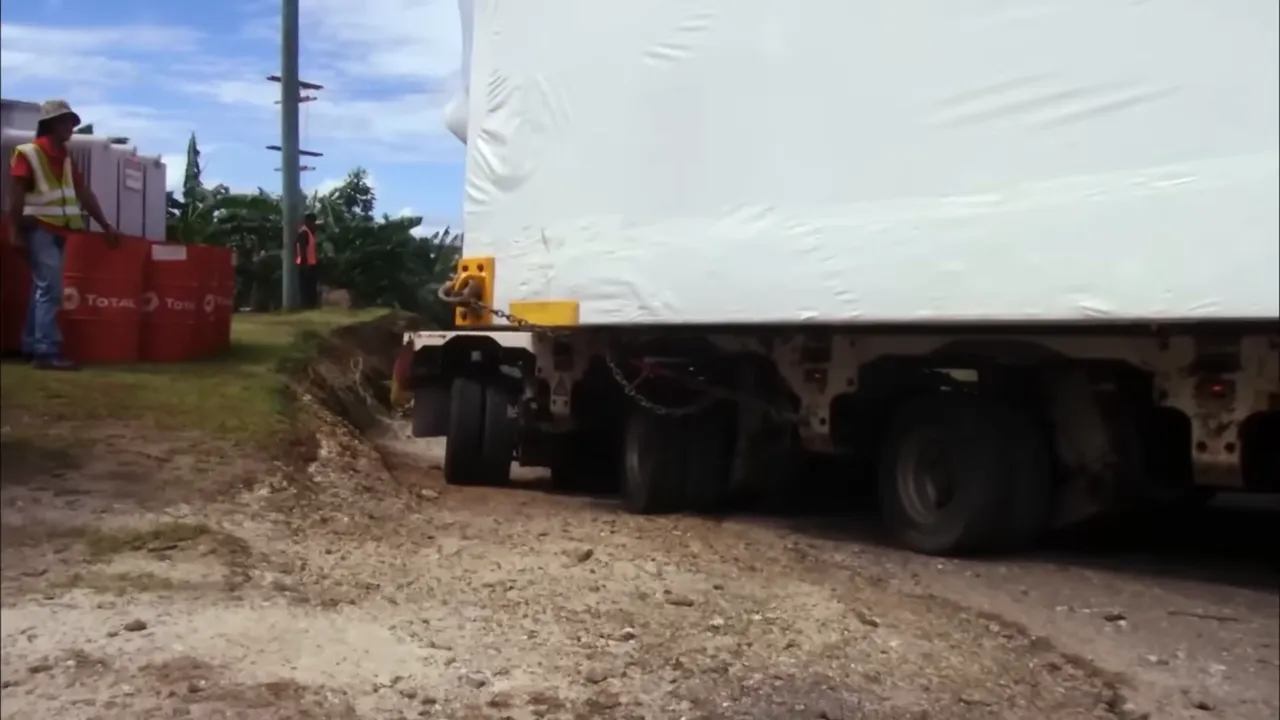
Brad moves a mobile camp across hundreds of kilometres of corrugated road — permits, couplings and loader forks become project risks. Permits from land councils are required before equipment can be moved on certain lands; missing permits stop the job cold. Mark's mission to move a 335‑ton power station across a Pacific isle is even more unforgiving: no cranes, wet hills, buckling skates and computerized truck shutdowns. These are extreme examples of why the chain of responsibility; CoR must include permit holders, contractors and operators — a single missing clearance or unsafe practice creates cascading delays.
On the road with Yogi: rules, medicals and fines
Yogi's week showcases the pressure small operators face: a three‑year medical, a disputed logbook fine reduced from a potential six‑figure hit, tight delivery windows and family commitments. He wins mechanical and administrative battles, but the episode is a reminder that compliance — from fatigue management to accurate records — sits at the heart of safe operations. The chain of responsibility; CoR requires that every party understands their duty: drivers, operators, consignors and loaders.
Common hazards and how they were managed
- Tyres and plugs — temporary fixes fail; plan for spares and recovery.
- Crosswinds and high‑profile loads — reduce speed, postpone if unsafe.
- Wet season bogs — detours, grader work and incremental trailer moves.
- Permits and coupling mismatches — pre‑job checks and contingency plans.
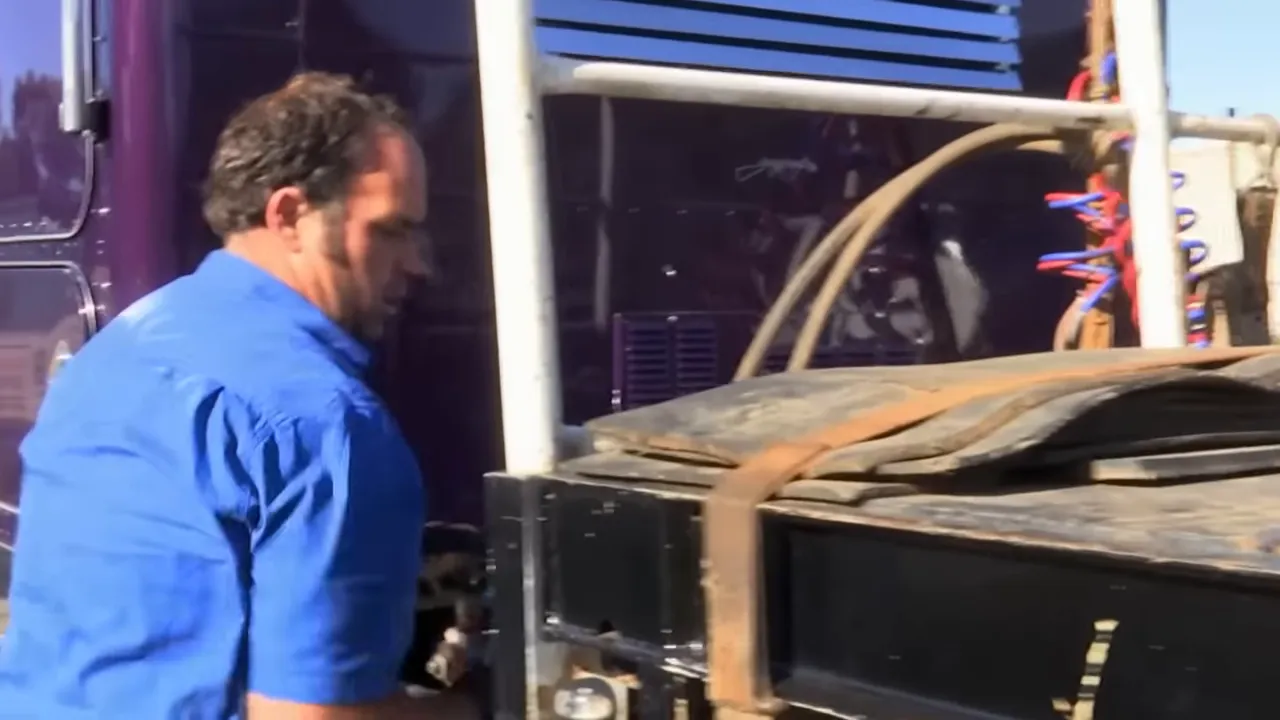
- High‑value cargo restraint — frequent inspections and redundancy in lashings.
Practical lessons for operators and supply chain participants
- Confirm permits and escorts well before departure — a missing permit stops the whole job.
- Document responsibilities clearly: who inspects, who signs off, who carries contingency costs — this is what the chain of responsibility; CoR demands.
- Plan for weather windows when operating in seasonal regions.
- Ensure fatigue management, medicals and logbooks are current to avoid crippling fines.
- For fragile or high-value freight, build redundancy into restraint and inspection routines.
FAQ
Q: What does chain of responsibility; CoR mean in practical terms?
A: It means everybody involved — consignors, loaders, schedulers, drivers and operators — has legal duties to prevent harm. Practically, that involves permits, accurate documentation, safe loads and clear communication.
Q: How did the crews manage when permits or couplings were wrong?
A: They paused, adapted (for example by ferrying loaders separately), and re‑sequenced work. The delay cost time and money, showing the importance of pre‑job checks under the chain of responsibility; CoR framework.
Q: Can weather risks be fully mitigated?
A: No, but planning — alternate routes, staging areas, local intel and conservative scheduling — reduces exposure. The chain of responsibility; CoR requires that business owners factor weather risk into their decisions.
Q: Where can operators learn more about compliance obligations?
A: Industry regulators, accredited training groups and operator associations provide guidance. Use checklists for permits, load restraint, fatigue and maintenance to meet the chain of responsibility; CoR obligations.
Final note
Outback Truckers' episode is more than entertainment — it’s a field study in logistics, risk and human grit. From boreholes that save herds to generators that save families, these stories show why every link in the supply chain must be strong. The chain of responsibility; CoR isn’t a checkbox — it’s the backbone of safe, reliable outback transport.
Episode credit: Outback Truckers.
This article was created from content published by https://www.nhvr.gov.au/. Visit the site for latest and current information.


