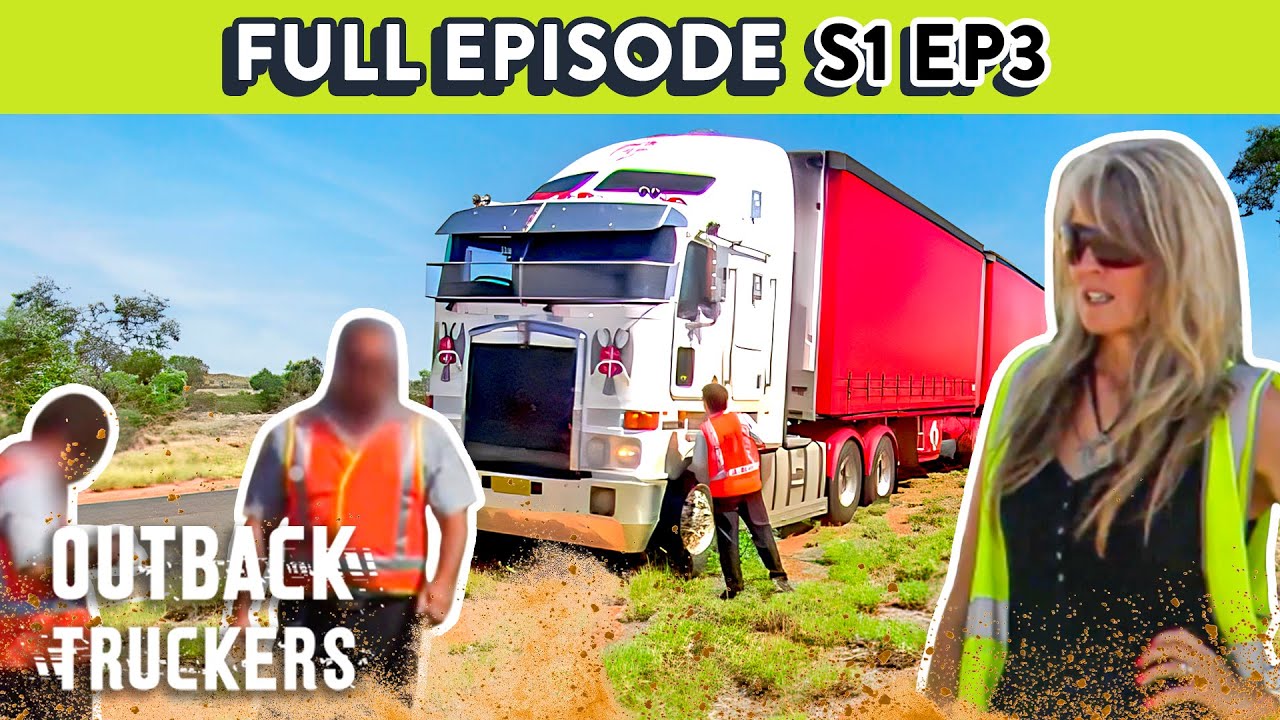
This article breaks down Season 1 Episode 3 of Outback Truckers — a tense, unvarnished look at three long-haul stories: Mark King hauling a 100‑tonne mining dump truck, Steve Graham fighting black‑soil bogs to reach Colomberoo, and ex‑model‑turned‑trucker Deb Drew juggling inspections and sightseeing. Throughout the episode the practical realities of heavy transport, compliance and the chain of responsibility; CoR underpin every decision, delay and near miss.
Table of Contents
- Episode snapshot
- Steve Graham — bogged, stranded and serving a remote community
- Mark King — moving a 100‑tonne mining dump truck over the Great Dividing Range
- Deb Drew — compliance, inspections and a taste of the road
- Conclusion
Episode snapshot
The episode interleaves three crews and three problem sets: oversized permit logistics and mountain passes (Mark), remote‑access delivery and deteriorating roads (Steve), and day‑to‑day compliance and delays (Deb). What ties them together is planning under pressure — fuel, brakes, weather, load restraint and paperwork — and the legal obligations that fall under the chain of responsibility; CoR for heavy vehicle operations.
Steve Graham — bogged, stranded and serving a remote community
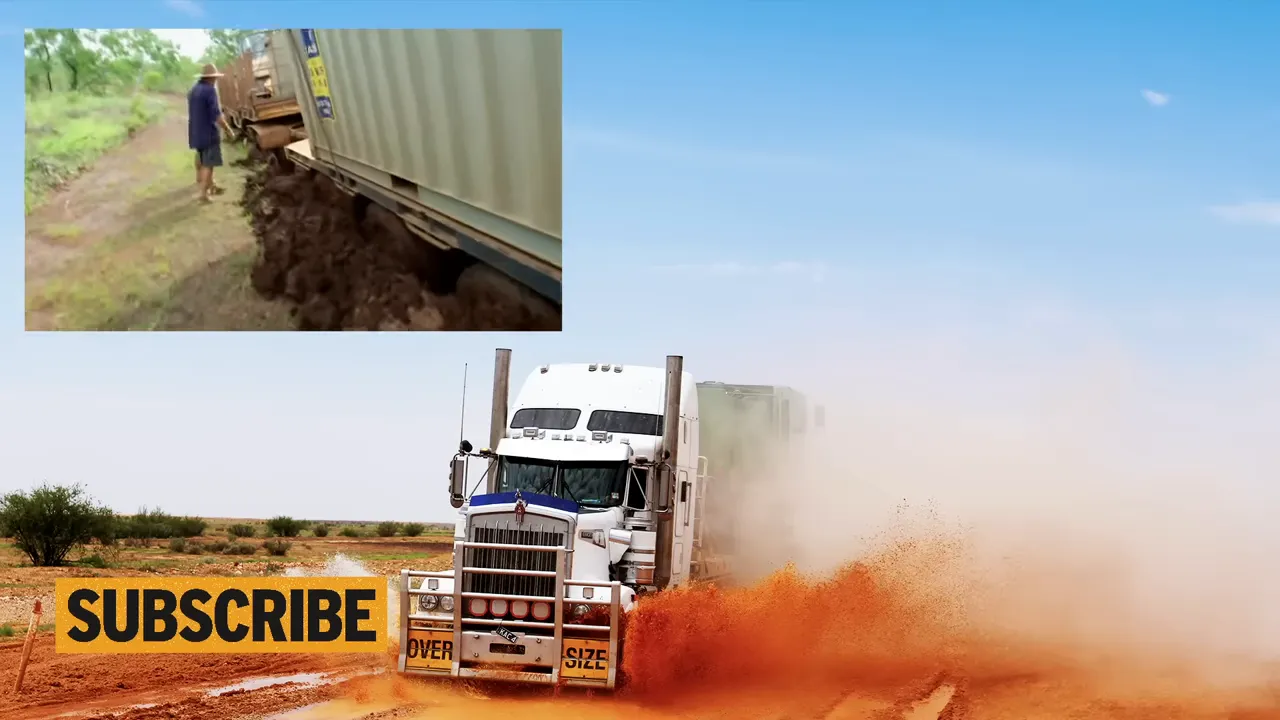
Steve is tasked with delivering essential building supplies and food to Colomberoo at the northern tip of Western Australia. The run is 3,000 km from Perth and the last 70 km are on black‑soil tracks that turn into metre‑deep mud when it rains.
- Community reliance: local stores and contractors are waiting for fencing gear, food and materials.
- Environmental risk: heavy rain filled a 100‑metre bog hole and created dangerous gullies; a river crossing became impassable after five inches of rain at Colomberoo.
- Mechanical strain: Steve’s 18‑year‑old Kenworth leaked oil and coolant, increasing the risk of failure while he tried to pull three trailers through swampy ground.
- Tactical choices: split the road train, use chains and graders, or retreat to Wyndham to barge the goods (higher cost, time penalty).
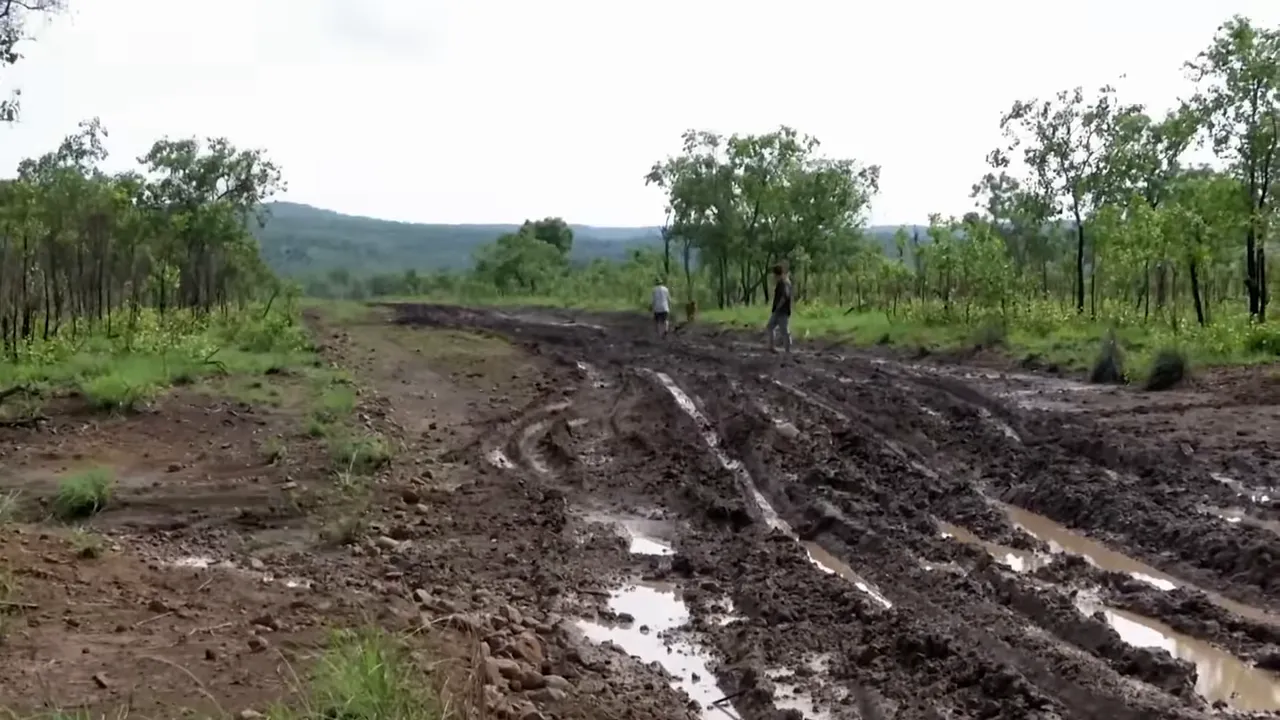
Steve worked a narrow drying window: grade the surface, reposition trailers, attach chains and attempt a run before the next rain. Chains already snapped once, and a subsequent collapse buried trailer axles — showing how quickly a marginal situation can become catastrophic. Operationally and legally, these choices echo principles in the chain of responsibility; CoR: duty holders must manage foreseeable risks and make informed load/delivery decisions when roads and equipment are compromised.
Mark King — moving a 100‑tonne mining dump truck over the Great Dividing Range
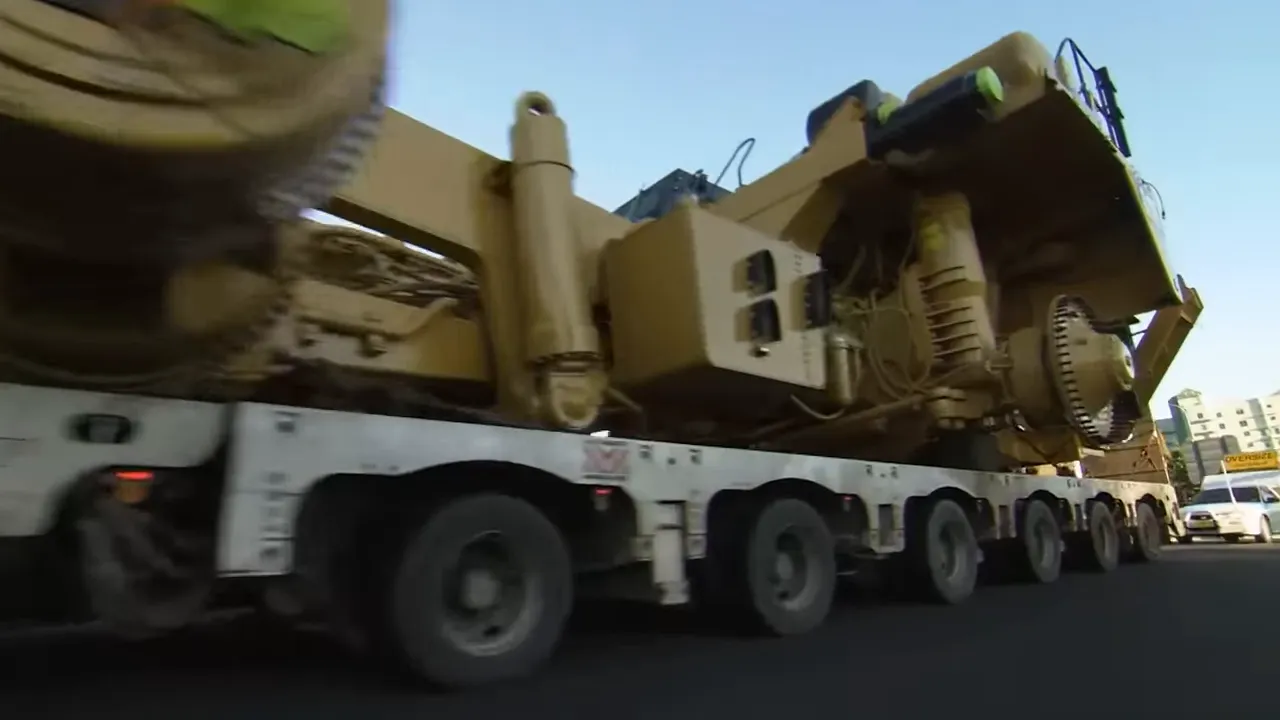
Mark’s job is pure heavy‑haul logistics: a multi‑truck convoy, 80‑wheel modules, night permits through Brisbane, police escort and pilot cars. The load dimensions (7.5 m wide, 5.2 m high, 35 m long) demand precise planning and real‑time problem solving.
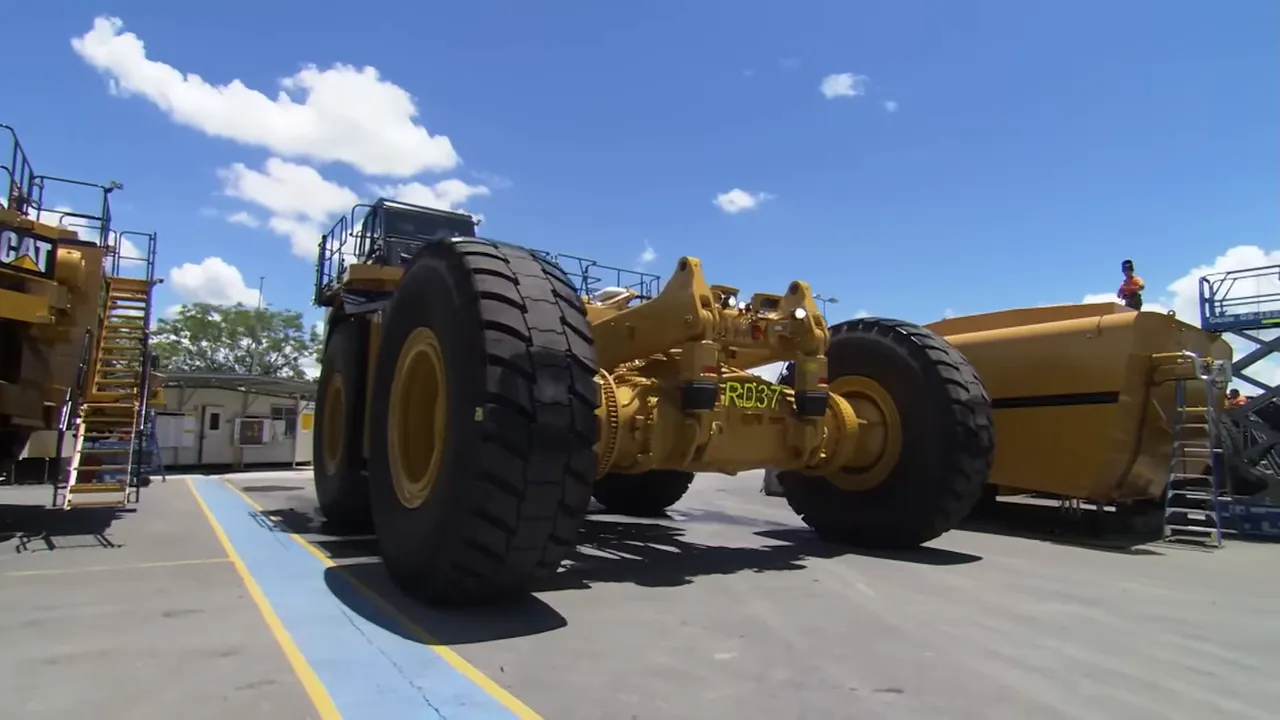
- Pre‑departure checks: brakes, tool access, spare parts and securement — critical when an 180‑tonne consignment is on public roads.
- Permit management: police, energy, rail, telecommunications and main roads clearances were required; unlisted roadworks caused an unplanned standoff.
- On‑route incidents: lane‑blocking roadworks, a flat tyre inside city limits and a one‑in‑six, six‑kilometre climb (Tawumba range) which required a second block truck for traction.
- Fuel, traction and surface condition: Mark monitored fuel consumption (e.g. “120 metres to the leader on diesel” while climbing) and road “bleeding” where hot asphalt becomes slick under heavy loads.
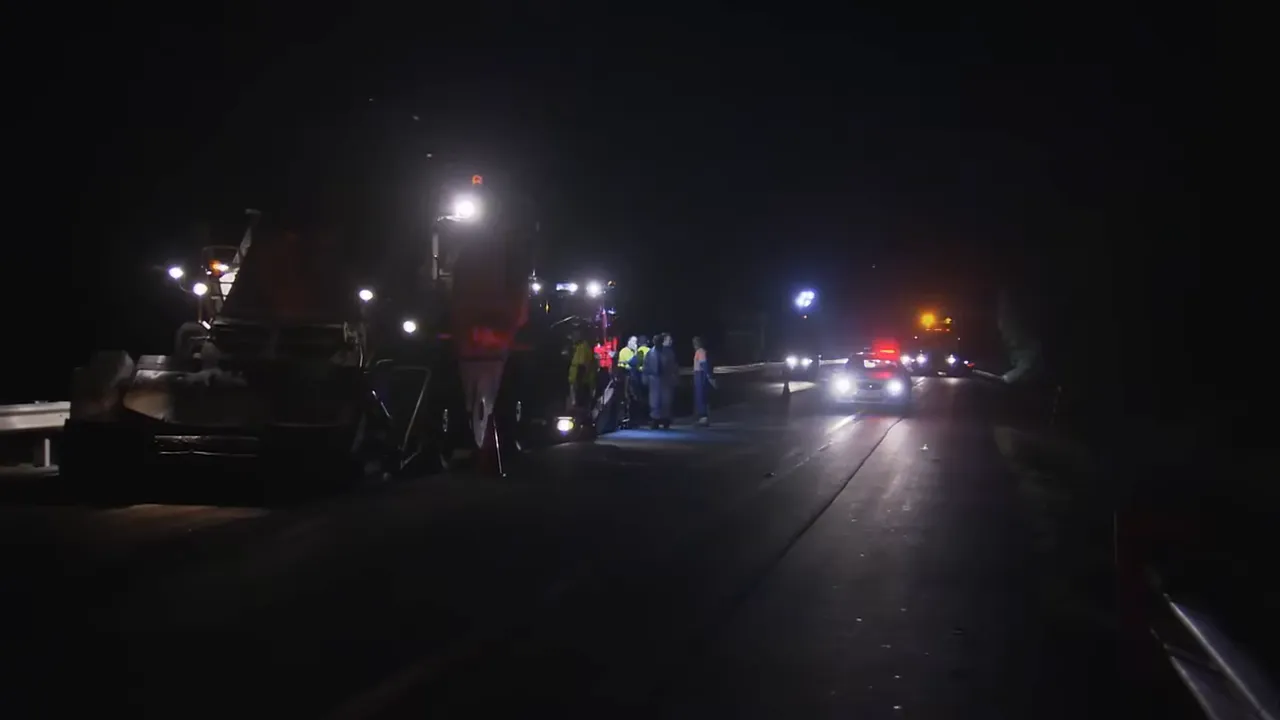
Mark’s account highlights how responsibilities sit with drivers and operators: maintaining equipment, coordinating escorts and making stop/go calls that prioritise safety. These operational duties sit within the legal framework of chain of responsibility; CoR, which allocates obligations to all parties who influence transport safety (driver, operator, consignor, loader, scheduler, etc.).
Deb Drew — compliance, inspections and a taste of the road
Deb’s story is a contrast: smaller scale but equally instructive. On a long‑haul loop from Melbourne to Darwin and back, she faces the everyday compliance checks that can derail schedules.
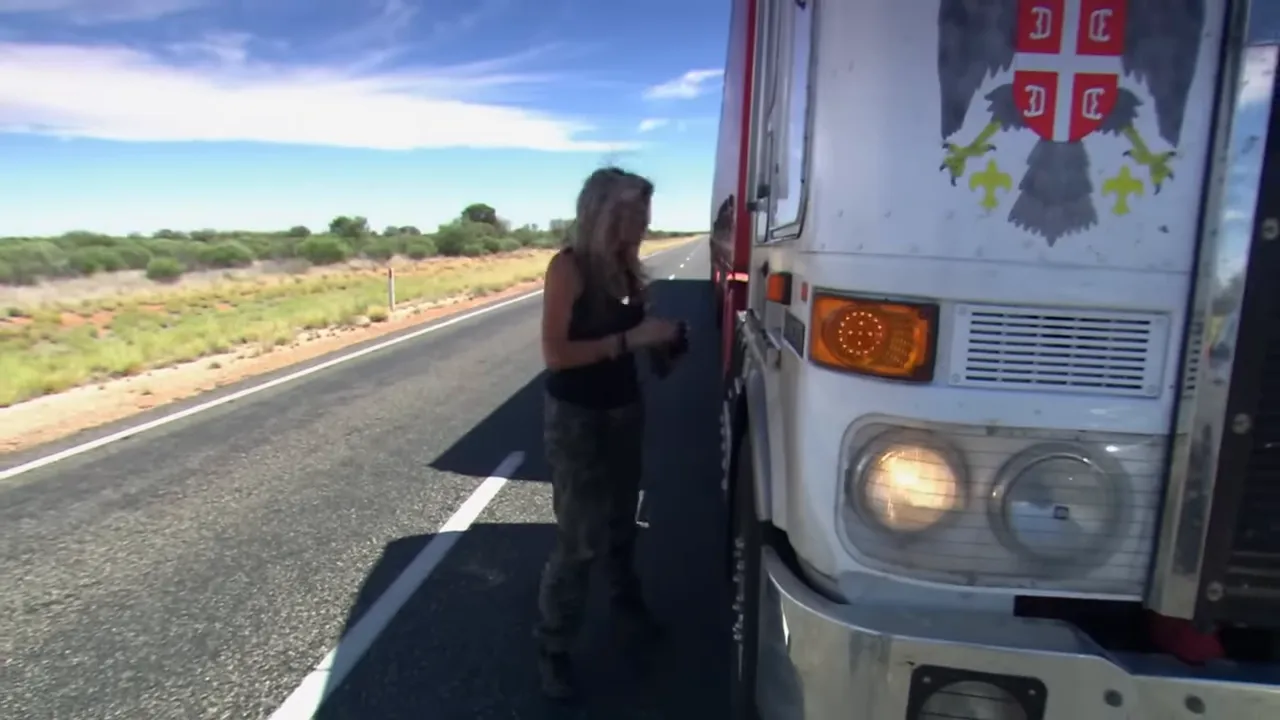
- Load restraint and fines: an undone buckle can mean fines (quoted approximately $125 per buckle) and attention from transport inspectors.
- Enforcement and anxiety: routine stops for licence, registration and radio checks consume time and can force the cancellation of planned side‑trips (Deb nearly lost her Ayers Rock day).
- Work/life balance: Deb’s decision to take on long‑haul work after family life demonstrates the human side of the industry.
Her experience underscores that compliance isn’t optional: day‑to‑day adherence supports the whole supply chain and ties back to chain of responsibility; CoR obligations — from correct load restraint to timely maintenance.

Key lessons and safety takeaways
- Plan for weather and road conditions — have contingency plans (offload to barge, alternate routes).
- Maintain equipment rigorously — brakes, tyres, steering and securement failures have outsized consequences for heavy loads.
- Permits and escorts are not just paperwork — they formalise risk controls and communication on the road.
- Load restraint, driver eligibility and scheduling decisions link to the chain of responsibility; CoR and are enforceable obligations.
- Communication and training for escort crews and pilots are critical for safe passage under constrained conditions (low bridges, narrow worksites, steep grades).
FAQ
What is the chain of responsibility; CoR?
The chain of responsibility; CoR is a legal concept in Australian heavy vehicle law that assigns duty to all parties who influence or create transport risk — not just the driver. That includes consignors, loaders, schedulers, employers and contractors. Each party must take reasonable steps to eliminate or minimise risks associated with their role.
How does chain of responsibility; CoR affect drivers and operators in episodes like this?
In practice, the chain of responsibility; CoR requires drivers and operators to ensure safe loads, maintain vehicles, follow permit conditions and refuse to proceed where risks cannot be managed. It also requires other parties (e.g. those who pack the load or set schedules) to avoid practices that cause unsafe pressure on drivers.
What should a driver do if a road or weather makes a delivery unsafe?
Document the condition, notify the consignor/receiver and relevant authorities, and follow company procedures. If a risk cannot be controlled (e.g. flooded crossings, soft road battered by rain), the safest option may be to delay, offload for barge transfer or reroute — decisions that must be recorded and communicated as part of chain of responsibility; CoR compliance.
Conclusion
Season 1 Episode 3 of Outback Truckers puts real‑world transport pressures on display: remote communities depending on one run, convoys moving multimillion‑dollar plant, and everyday compliance checks shaping drivers’ choices. Each vignette reinforces a common truth — safe heavy transport is about people, planning and clear responsibilities. The legal and practical expectations of the chain of responsibility; CoR are woven through every challenge these drivers face.
Credit: Original episode by Outback Truckers. If you want to see the scenes described here, watch the full episode to observe the decisions, close calls and teamwork in action.
This article was created from content published by https://www.nhvr.gov.au/. Visit the site for latest and current information.


