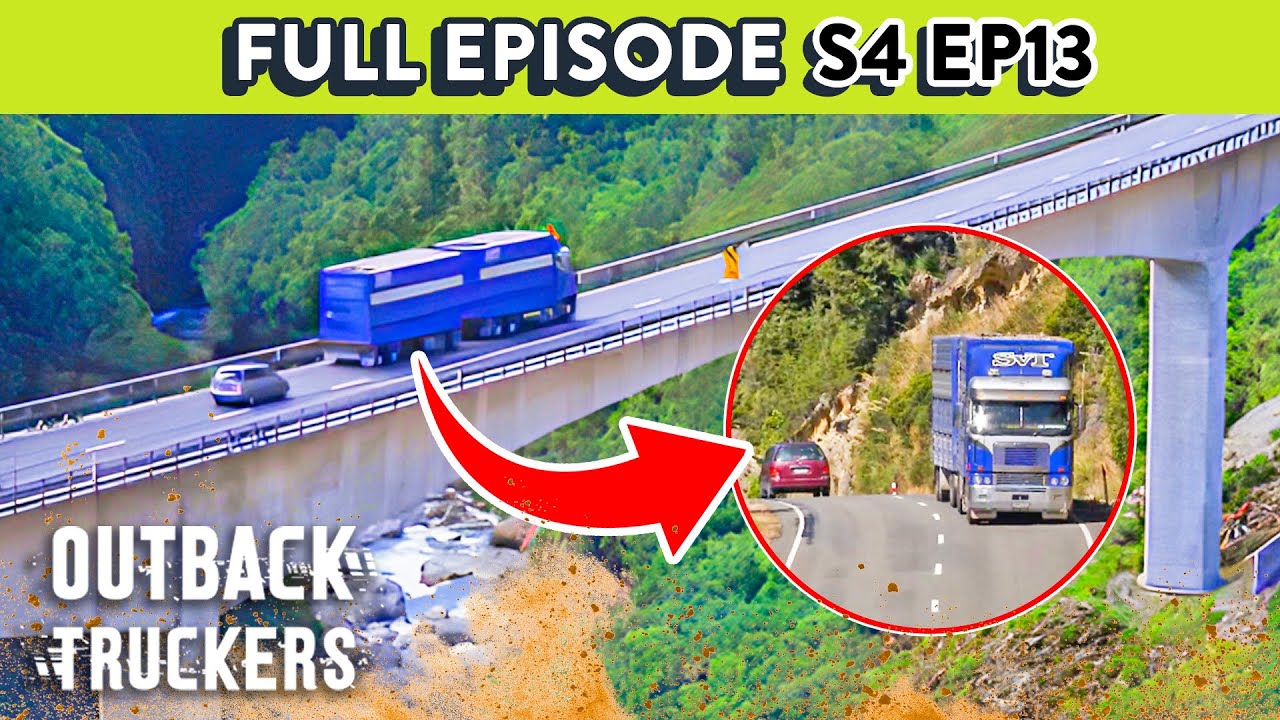
This article unpacks Outback Truckers Season 4 Episode 13 — a week in the life of three truckers tackling extreme conditions across the Tanami, the Great Australian Bight and New Zealand’s Southern Alps. The episode is a compelling reminder that in heavy transport the chain of responsibility; CoR is not just a legal framework — it’s a practical mindset that keeps drivers, loads and communities safe.
Table of Contents
- Episode snapshot: three jobs, three challenges
- Steve Graham: wet season work, side lifter headaches
- Cameron Smith: oversized, overheated and on a deadline
- Sludge: narrow passes, tourists and ticking clocks
- Key takeaways for operators and drivers
- FAQ
- Conclusion
Episode snapshot: three jobs, three challenges
- Steve Graham — a dirt-road specialist hauling heavy generators on the wet Tanami track while nursing a busted shoulder and managing a rented side lifter trailer.
- Cameron Smith — transporting a colossal 130-tonne dump truck across 2,600 km toward Perth, battling quarantine checks, tyre repairs and record heat with fire bans in force.
- Sludge — back in New Zealand delivering 45 head of cattle over Arthur's Pass, confronting steep climbs, narrow bridges and tourist traffic on a tight deadline.
Steve Graham: wet season work, side lifter headaches
Steve’s job begins in the Kimberley on the Tanami track — 250 kilometres of brutal dirt made worse by recent storms. He’s carrying two 11-tonne generators on a rented side lifter trailer worth $180,000. Having damaged a control panel on a previous trip, Steve takes extra care, even joking about donating his pillows to protect fragile components from corrugations.
Near Balgo, the trip nearly ends: a brake bracket breaks, an airline is pulled, and compressed-air brakes lock on. Over 300 kilometres from the nearest mechanic, Steve improvised a temporary repair, sealed the leak and relied on multiple other brakes to move safely. Later, a pin on the trailer ramp drops out; a local crane operator and some bush mechanics save the day by aligning the ramp and inserting a makeshift steel bar.
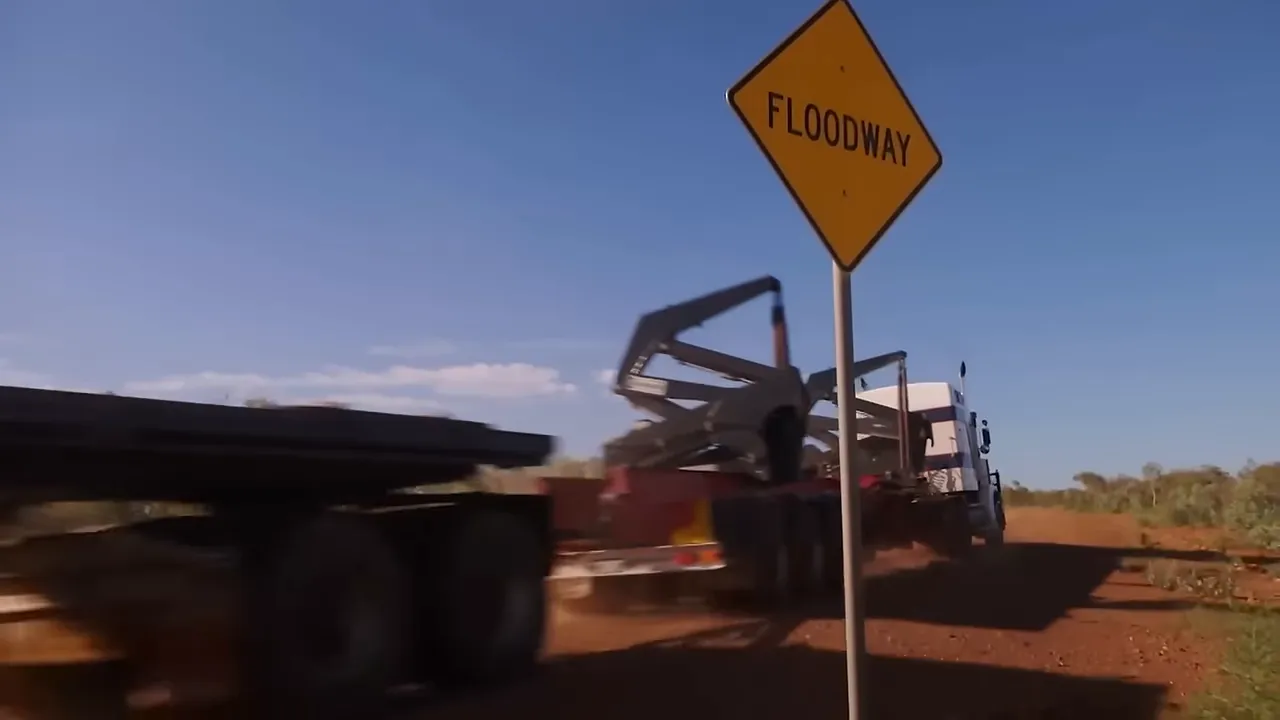
Steve’s experience highlights the practical side of the chain of responsibility; CoR — planning loads, inspecting hired equipment and carrying the right tools and contingency plans for remote repairs.
Cameron Smith: oversized, overheated and on a deadline
Cameron is hauling a $3 million, 130-tonne dump truck west to Perth. The load is wider than the road, and a quarantine inspection at a remote checkpoint threatens the schedule. He must reach Perth by Sunday to comply with city access restrictions — otherwise he faces a week-long delay.
On the run he contends with steep passes, tyre damage, and a dangerous climb where traction is lost on loose gravel. As temperatures climb to 43°C (bitumen nearing 60°C), the road starts to melt and traction problems multiply. A fellow trucker offers a tow that helps pull Cameron up a critical hill — a good example of on-road cooperation.
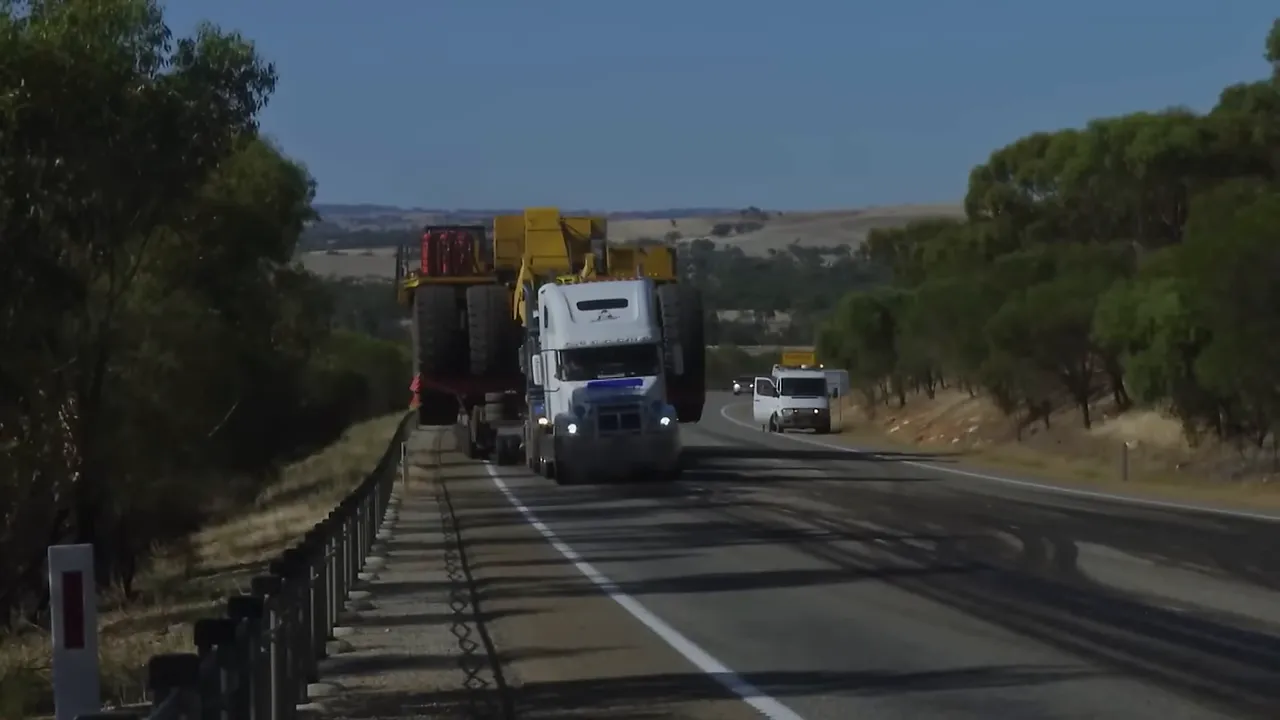
Then a total fire ban is declared, preventing power-line shifting needed to deliver the load. Cameron becomes stranded 95 km out from his destination and must wait a full week. His story underscores that compliance, weather and community safety rules can override delivery schedules — a vital CoR consideration.
Sludge: narrow passes, tourists and ticking clocks
In New Zealand, Sludge carries 45 cattle over Arthur’s Pass. The route includes nearly 1,000-metre climbs, narrow river gorges with 35-metre drops and sections where a single mistake can close the pass for hours. Roadworks and tourist traffic add constant delays; at one point a slow-moving cyclist on a blind corner forces Sludge into a perilous overtake.
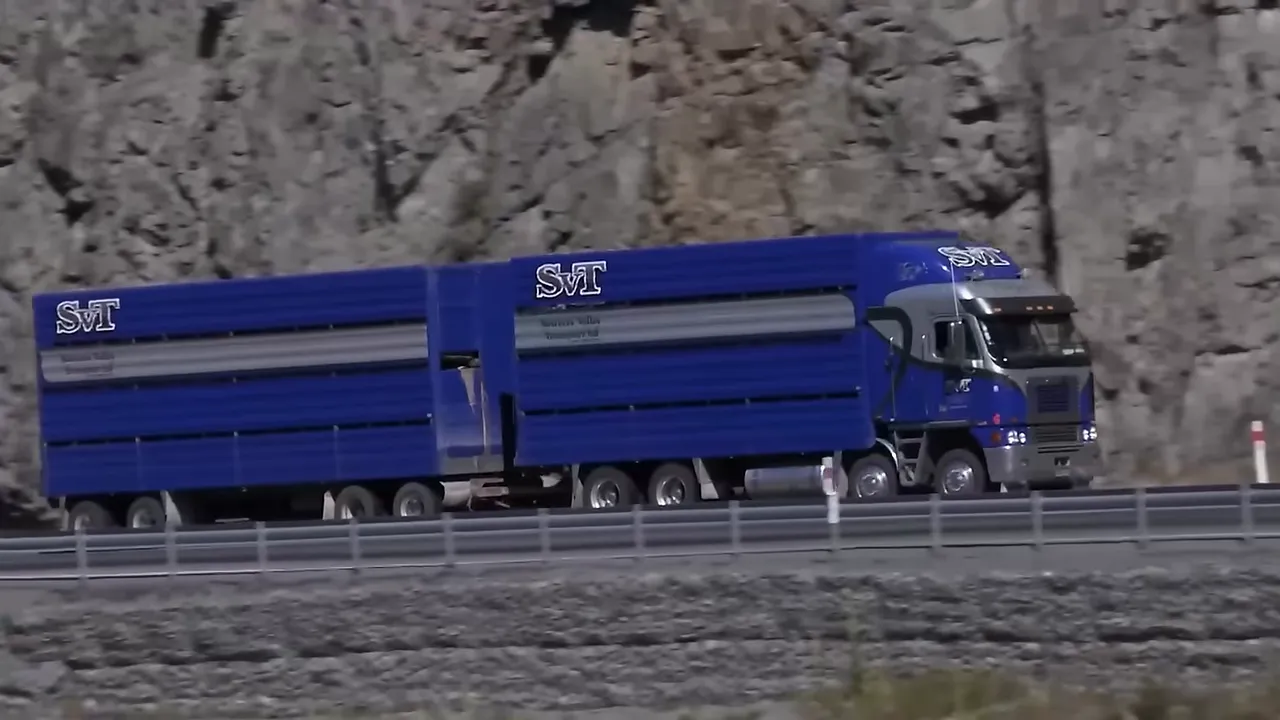
Despite the pressure, Sludge delivers the stock with minutes to spare. His run shows how driver skill, route knowledge and contingency planning all sit within the chain of responsibility; CoR framework for safe livestock transport.
Key takeaways for operators and drivers
- Pre-trip checks and equipment hire paperwork matter — especially for specialised trailers (side lifters) and heavy lifts.
- Plan for weather and bushfire risks. Fire bans can legally prevent essential tasks and derail schedules.
- Carry tools and spare parts where practical; remote repairs are often the only option for safety and continuity of service.
- Collaboration on the road can be the difference between success and delay — other drivers often provide the help you need.
- Maintain awareness of chain of responsibility; CoR obligations — planning, load restraint and driver wellbeing reduce risk to everyone.
FAQ
Q: What is the chain of responsibility; CoR in trucking?
A: The chain of responsibility; CoR is the legal and practical framework that assigns duties to everyone in the transport supply chain — operators, loaders, drivers and schedulers — to ensure safe and compliant transport. This episode repeatedly shows why CoR matters in high-risk, remote and time-critical work.
Q: Why are side lifter trailers so problematic?
A: Side lifters are hydraulically complex and vulnerable to damage from corrugations, shocks and poor maintenance. Steve’s experience — loose pins, failed starts and damaged control panels — demonstrates the operational risk and potential hire costs if not managed carefully.
Q: How should drivers prepare for remote repairs?
A: Carry appropriate tools, spares and contingency plans; know the limits of your vehicle and have contacts for local help. Steve’s bush mechanics and Cameron’s tow from a fellow trucker are good examples of on-the-spot problem solving.
Conclusion
Outback Truckers S4 Ep13 is more than a collection of hair-raising moments — it’s a practical study in risk management, teamwork and the chain of responsibility; CoR in action. From mud-bound side lifters to melting bitumen and alpine hairpins, the episode highlights the layers of planning, compliance and judgement needed to keep heavy transport moving safely.
Credit: original footage and stories from Outback Truckers.
This article was created from content published by https://www.nhvr.gov.au/. Visit the site for latest and current information.


