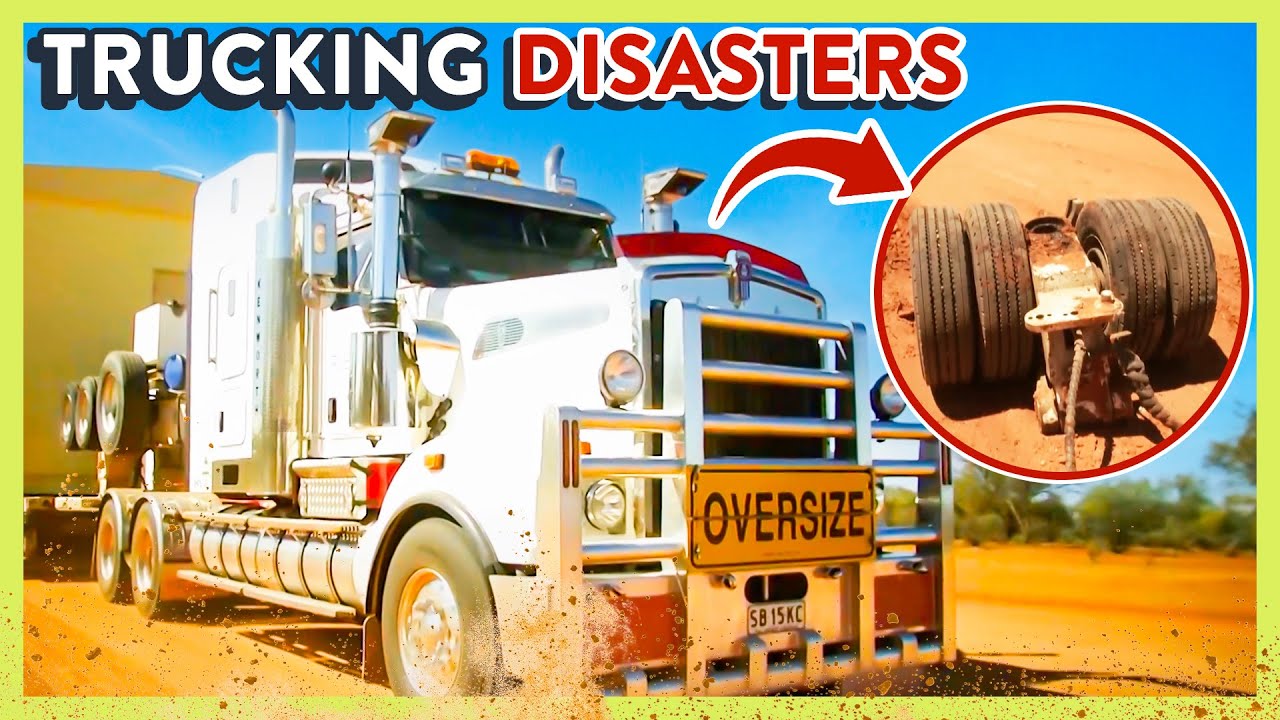
This article recounts five dramatic trucking failures featured by Outback Truckers and uses those real-world moments to highlight practical lessons for operators and managers about the chain of responsibility; CoR. If you work in heavy transport, these stories from Australia’s toughest routes are vivid reminders that equipment, planning and communication all sit under a legal and moral duty to keep people and freight safe.
Table of Contents
- Quick overview: five disasters, one message
- Practical takeaways for operators and managers
- Frequently asked questions
- Final word
Quick overview: five disasters, one message
Across 2,000 gruelling kilometres the episode compiles five separate incidents where things go wrong: an electrical failure, a house delivery that won’t fit, weather-threatened seafood runs, a flood bogging a road train, and catastrophic trailer damage on the Tanami Track. Each event is a case study in risk, response and responsibility — central concepts in the chain of responsibility; CoR framework.

1. Electrics fail during urgent delivery (Mark)
Mark’s truck sounds a weird noise and the idler pulley has gone. With the alternator belt compromised the electrical system is crippled. The team chooses plan B: detach the trailer carrier and get parts from Alice Springs. Fourteen frantic hours later they’re back on the road.
Key lesson
- Routine maintenance and clear communication about service work are CoR responsibilities — failing to replace a $10 part can cascade into operational failure and safety risk.
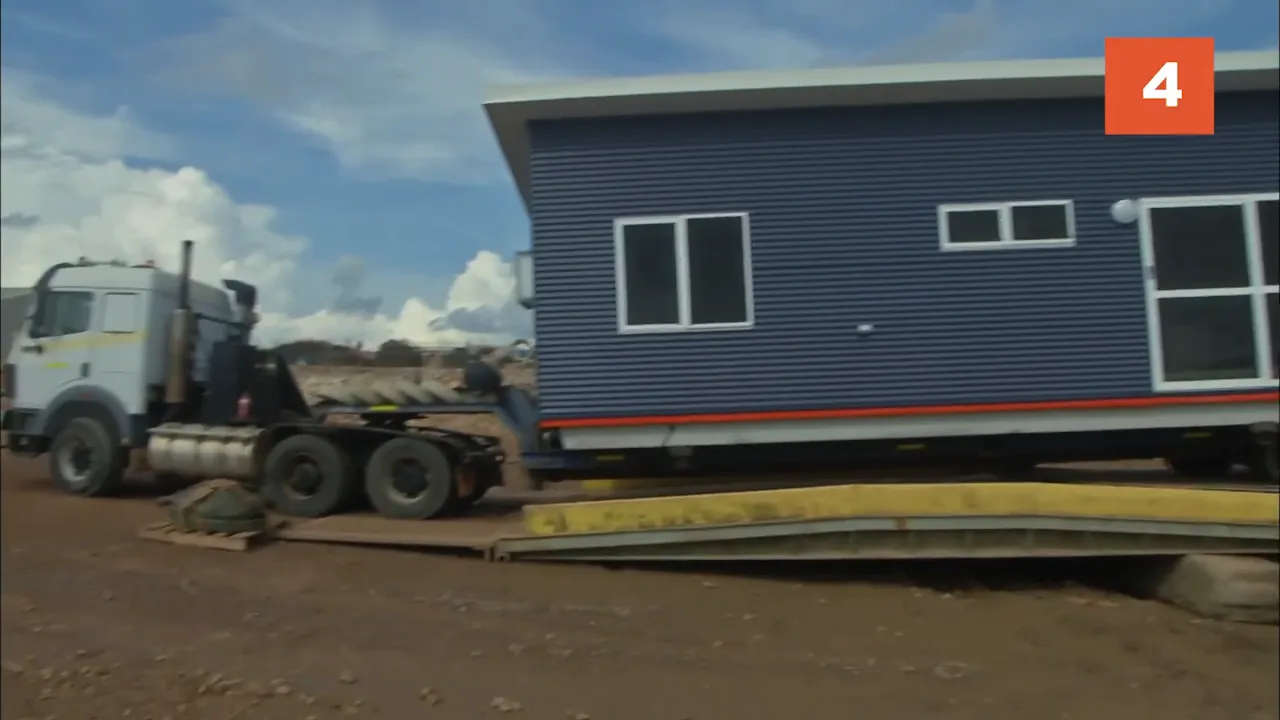
2. The house that wouldn’t fit — tide pressure and tight timeframes (Slick, Jerry & Ross)
A 26-ton modular home must reach a remote Indigenous community by barge. Rain closed the only road so the house goes by sea, then two truckies face a narrow driveway and live tide windows. After four hours and a loader used as a last-resort tug, the home is manoeuvred into place in 40°C heat.
Key lesson
- Scheduling, route surveys and contingency planning are practical duties under the chain of responsibility; CoR — when stevedores, barge masters and truckies must synchronise, delays create safety and reputational risks.
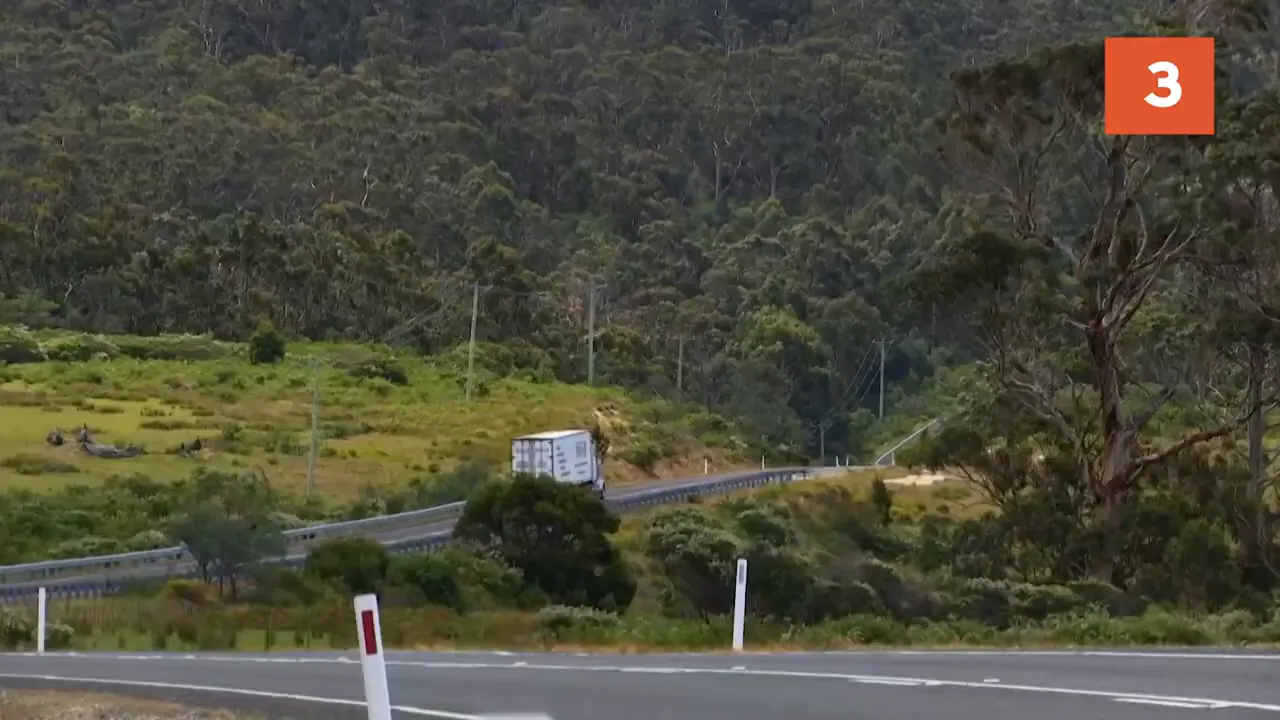
3. Seafood run — weather steals minutes (Jeff)
Jeff fights 120+ km/h gusts and a treacherous mountain pass to make a ferry departure for Melbourne’s fish markets. A low bridge and heavy city traffic later, he delivers six tonnes of fish and 20,000 oysters on time, but only after pushing the limits to meet the chain of handovers that preserve product value.
Key lesson
- Time-sensitive cargo demands careful CoR planning: driver rest, vehicle capability and reroute options must be accounted for well before departure.
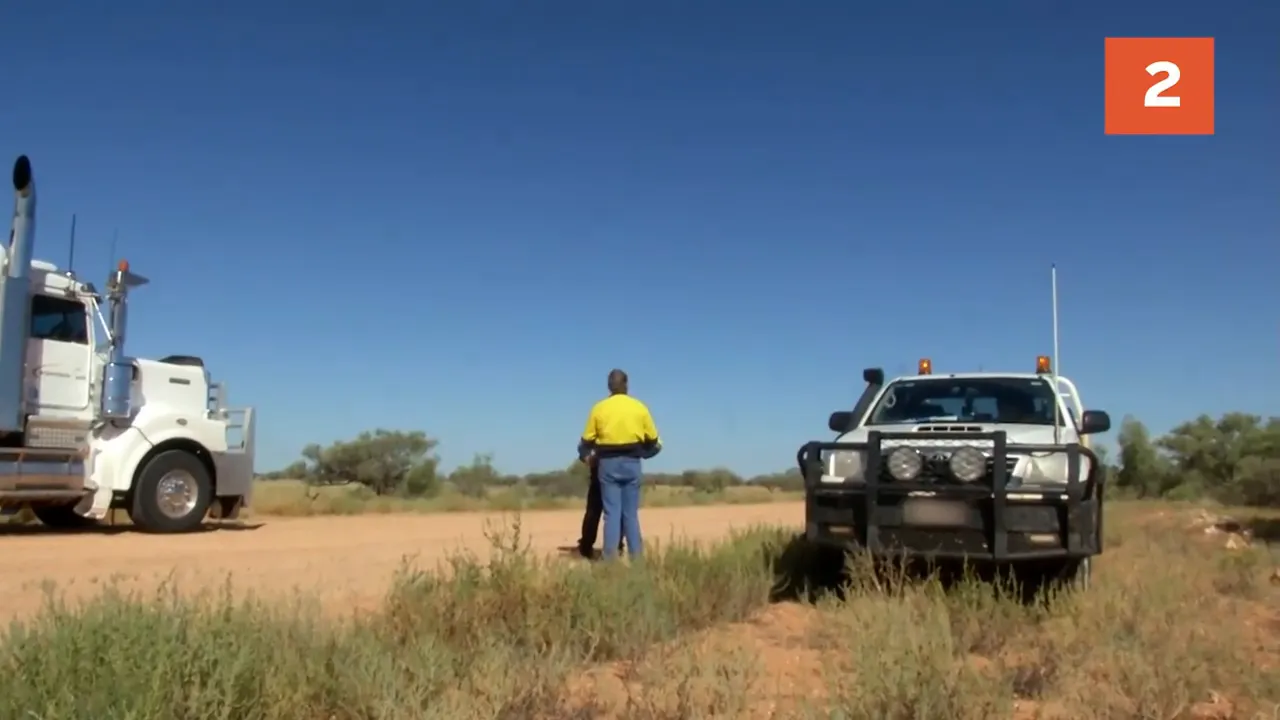
4. Flooded crossing — road train bogged (Jason)
Jason bets the run across floodwater and gets stuck. Locals arrive with towing gear but mismatched hardware risks catastrophic failure. This incident shows the thin line between pragmatic problem-solving and creating hazards for others.
Key lesson
- Emergency response must still meet CoR obligations — using inadequate recovery equipment can increase harm and liability.
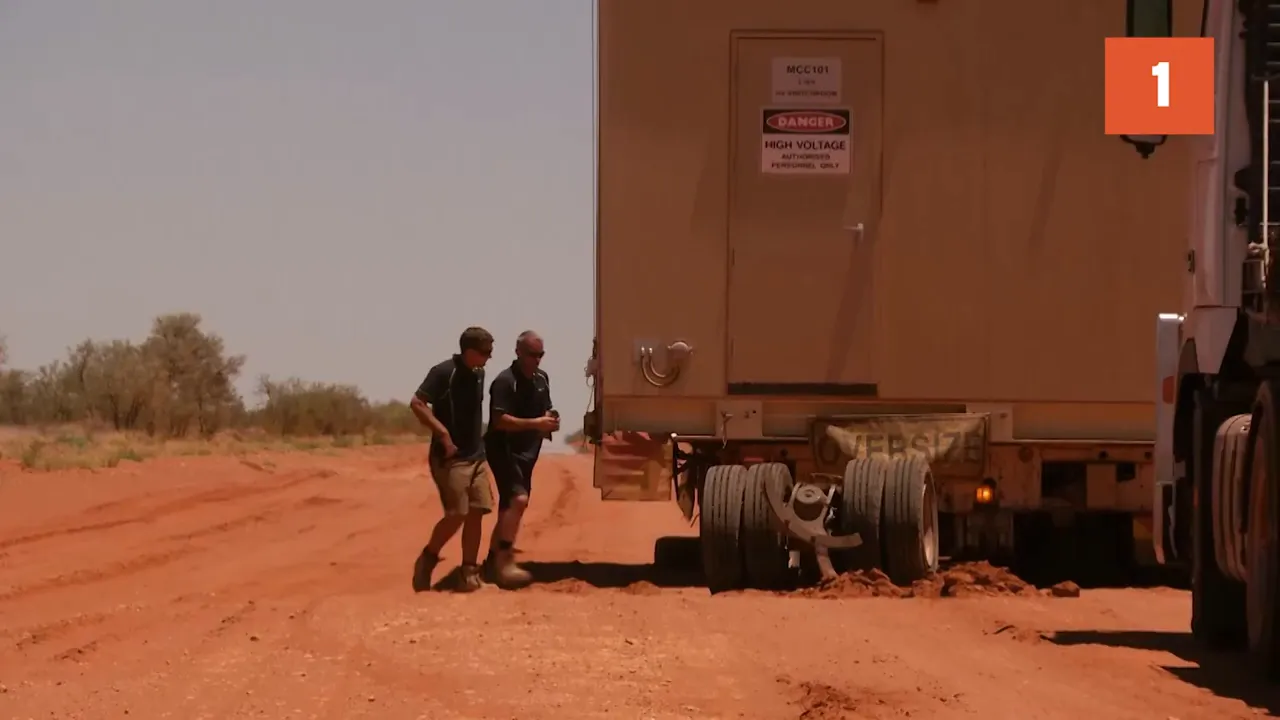
5. Tanami Track carnage — trailer leg ripped off (Mark again)
On the remote Tanami Track savage corrugations shear off a steering leg and rip fittings and airlines. Mark loses four tyres and a chunk of undercarriage but limps on after field repairs. After six days the switch room reaches the mine site — a hard-earned finish.
Key lesson
- Operating on remote routes requires enhanced pre-trip checks, robust equipment specification and clear CoR responsibilities for maintenance scheduling and emergency provisioning.
Practical takeaways for operators and managers
- Document maintenance and parts replacements — traceability supports compliance with the chain of responsibility; CoR and protects teams when something goes wrong.
- Conduct route and access surveys for oversized loads — align expectations among shipper, carrier and receiver to avoid last-minute manoeuvre risks.
- Build recovery plans with suitable, rated equipment and trained staff — improvised fixes increase risk and liability.
- Prioritise communication — timely radio updates, ETA adjustments and clear task assignment are CoR actions that reduce cascading failures.
Frequently asked questions
What is the chain of responsibility; CoR in transport?
The chain of responsibility; CoR is a legal and practical framework that assigns duties to all parties in the transport supply chain — drivers, operators, consignors, loaders and schedulers — to prevent unsafe practices.
How do these Outback Truckers stories illustrate CoR obligations?
Each scenario demonstrates how decisions (or omissions) by different parties — maintenance providers, schedulers, drivers and recovery crews — create cascading risks. Good CoR practice would have reduced delays and improved safety outcomes in these cases.
What should a small operator do first to comply with CoR?
Start with simple, documented processes: pre-trip inspections, maintenance logs, load restraint checks and clear communication protocols. These steps show due diligence under the chain of responsibility; CoR and materially reduce risk.
Final word
Outback Truckers’ five disasters are dramatic viewing, but they’re also practical lessons. Whether it’s a $10 pulley, a narrow driveway or a bogged road train, the underlying theme is the same: clear responsibilities, resilient equipment and coordinated planning reduce harm and keep freight moving. Credit: Outback Truckers — for raw footage and frontline learning.
Watch the original episode on the Outback Truckers channel for full context and to see these moments unfold.
This article was created from content published by https://www.nhvr.gov.au/. Visit the site for latest and current information.


