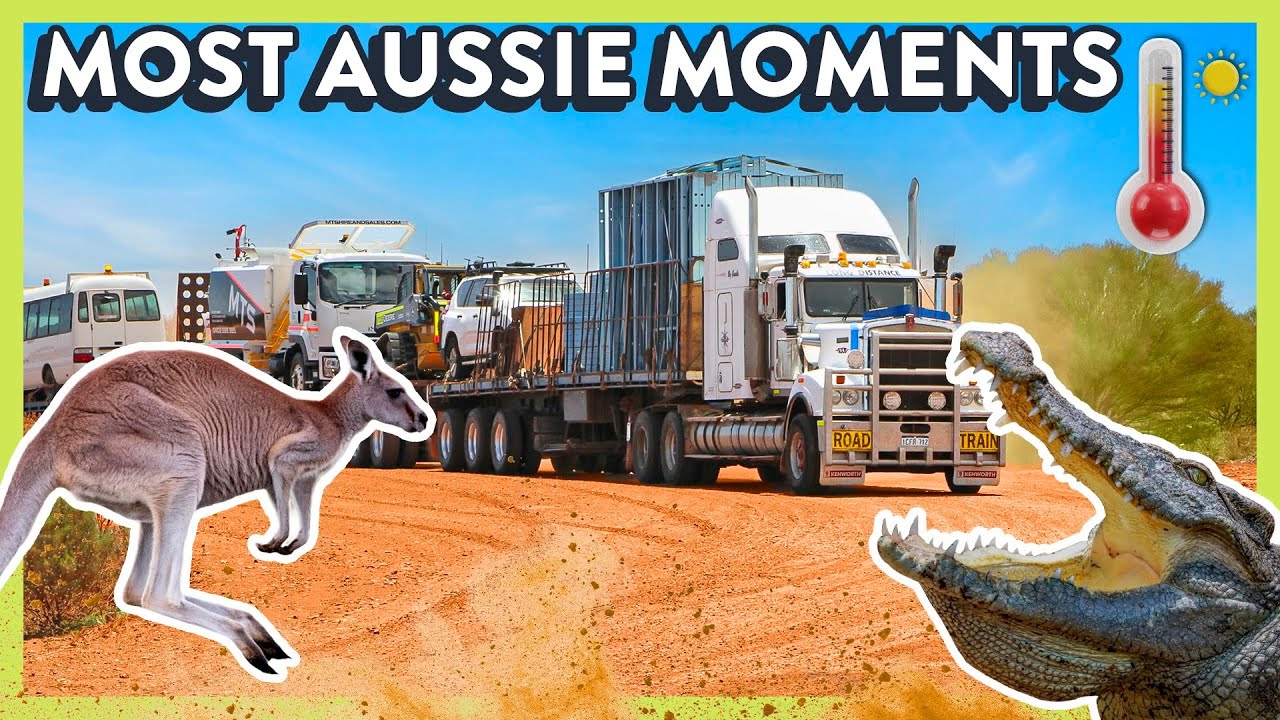
The Outback is where massive rigs, brutal weather and remote communities meet. This roundup — inspired by the Outback Truckers footage — follows three drivers as they battle crocodile‑filled crossings, blistering heat, catastrophic tyre failures and wildlife collisions. Along the way we’ll highlight practical lessons for heavy vehicle operators and how the chain of responsibility; CoR applies in the unforgiving Australian bush.
Table of Contents
- Why these runs matter (and where the chain of responsibility; CoR fits)
- 1. Crocodiles, submerged causeways and a 50‑metre road train
- 2. Heat, tyre dramas and a creative fix
- 3. Wildlife hazards: kangaroos and bulldust
- Lessons for operators, drivers and supply chain parties
- Conclusion
Why these runs matter (and where the chain of responsibility; CoR fits)
Delivering freight to remote communities is more than a logistics problem — it’s a safety and compliance challenge. Under the chain of responsibility; CoR, everyone in the supply chain (drivers, operators, consignors) shares the duty to manage risks. Whether it’s planning for wet season closures, securing oversized loads, or maintaining tyres in extreme heat, the chain of responsibility; CoR is a practical framework that reduces the chance of incidents on roads like these.
1. Crocodiles, submerged causeways and a 50‑metre road train
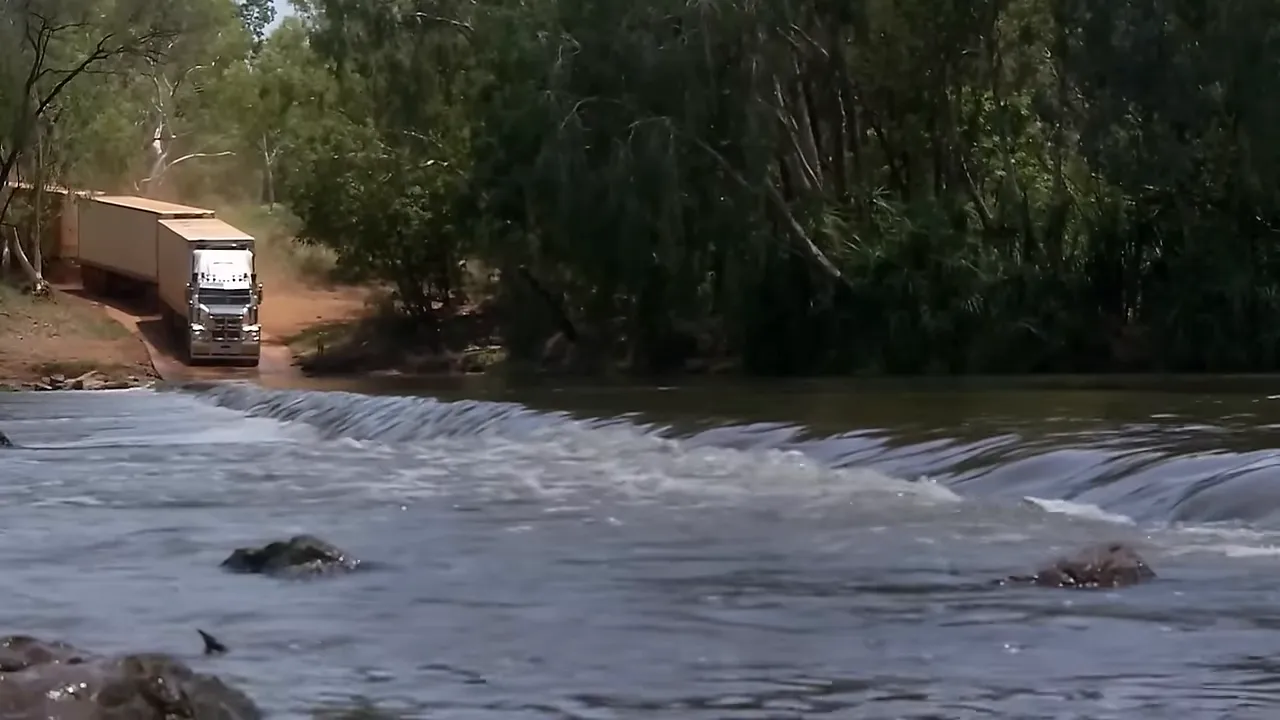
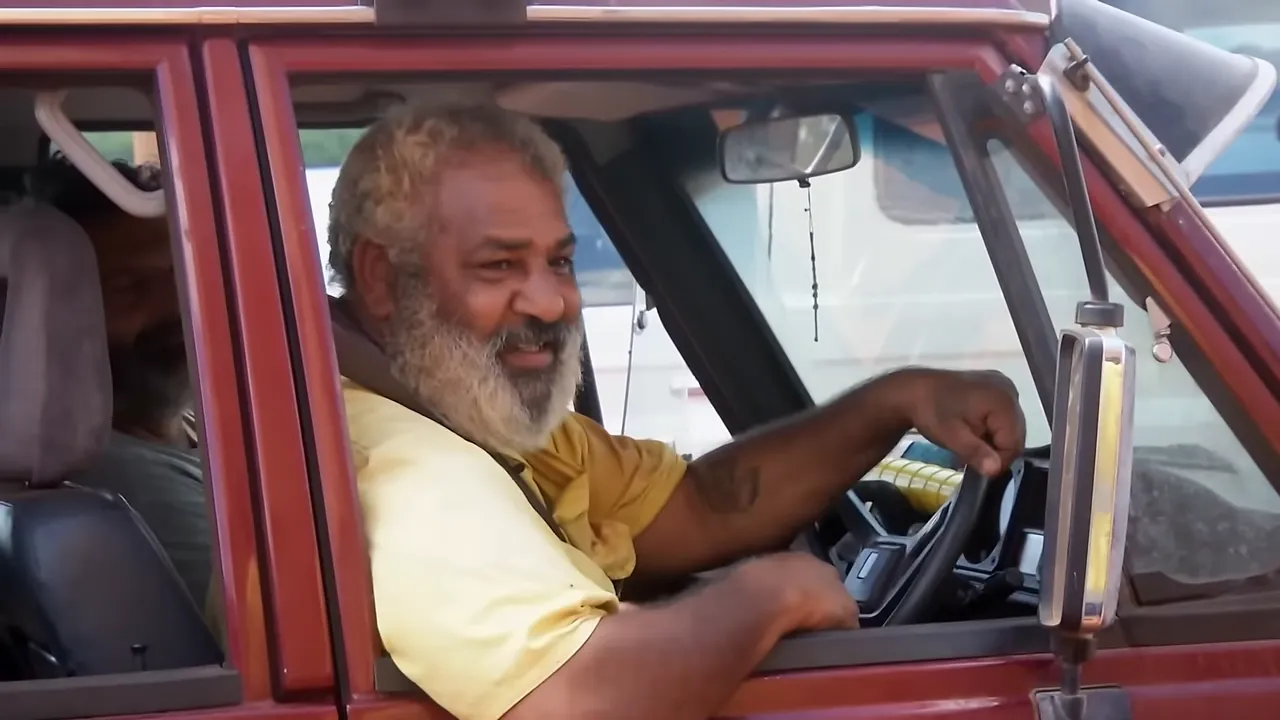
Bevan Jeffery drives a 50‑metre, 60‑tonne rig into the Top End to deliver Christmas supplies to remote communities. The wet season arrives fast; roads turn to black soil and causeways become treacherously submerged. Crossing narrow, slippery causeways is one of the most dangerous moments: a trailer can tip and the river below is home to large saltwater crocodiles — locals even talk about an 8‑metre croc called Old Charlie.
Key takeaways:
- Plan trips around seasonal forecasts to avoid getting trapped or needing costly barge recovery — a chain of responsibility; CoR obligation rests with planners and schedulers as much as drivers.
- Approach crossings slowly, reduce gear and assess slipperiness. For heavy rigs, the margin for error is tiny.
2. Heat, tyre dramas and a creative fix
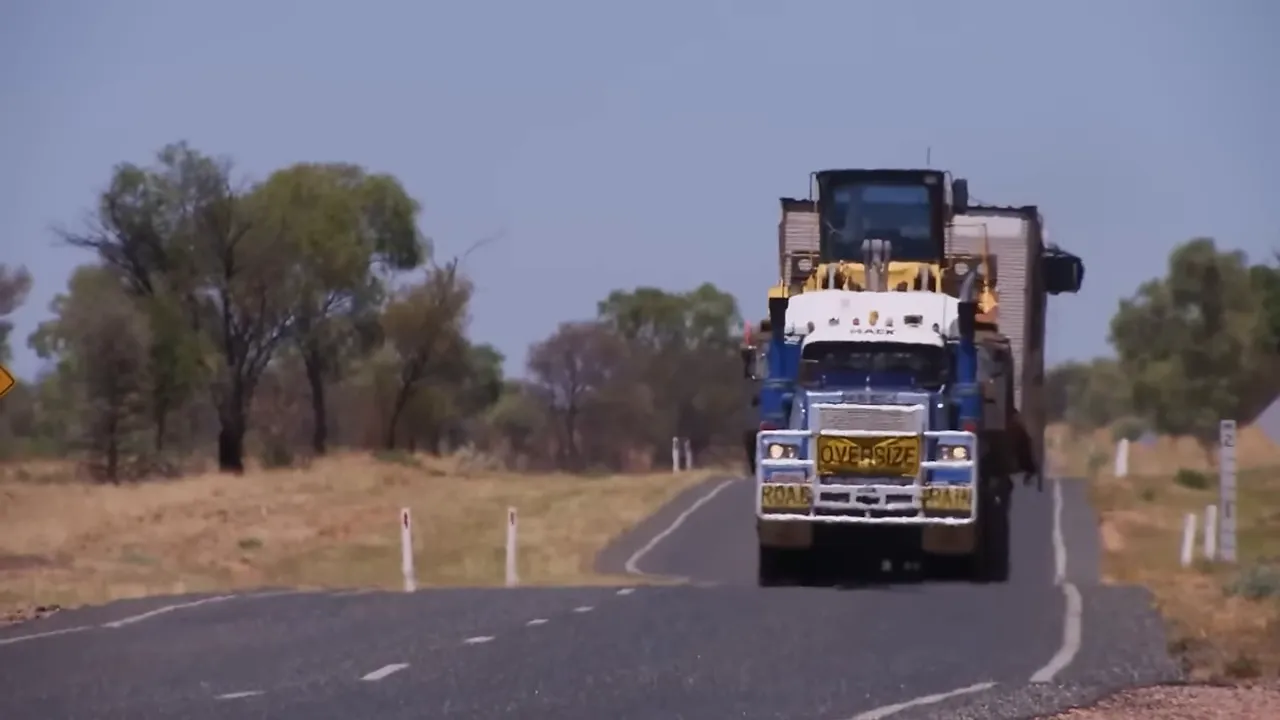
In central Australia, Russell Madonna hauls a second‑hand mobile building over 250 kilometres of rough country in 40°C+ heat. His 30‑year‑old road train develops flats and a tyre rolls off the rim. Instead of wrestling 50 kilos of hot rubber, Russell uses a controlled burn to seat the tyre — a bush fix that demonstrates both ingenuity and risk.
After sealing the tyre and plugging an old repair, Russell drops tyre pressures to cushion the hut on rocky tracks — but later still suffers a catastrophic wheel‑bearing failure. He unloads the hut with a loader, balances it on forks, then rigs a makeshift sling so the rig can limp back to town.

Key takeaways:
- Regular tyre inspection and conservative pressure settings for heavy loads reduce risk — an operator’s chain of responsibility; CoR duties include maintaining vehicle roadworthiness.
- Carry contingency gear and spares where possible; know safe jacking and load‑unload techniques to avoid catastrophic loss when help is many hours away.
3. Wildlife hazards: kangaroos and bulldust
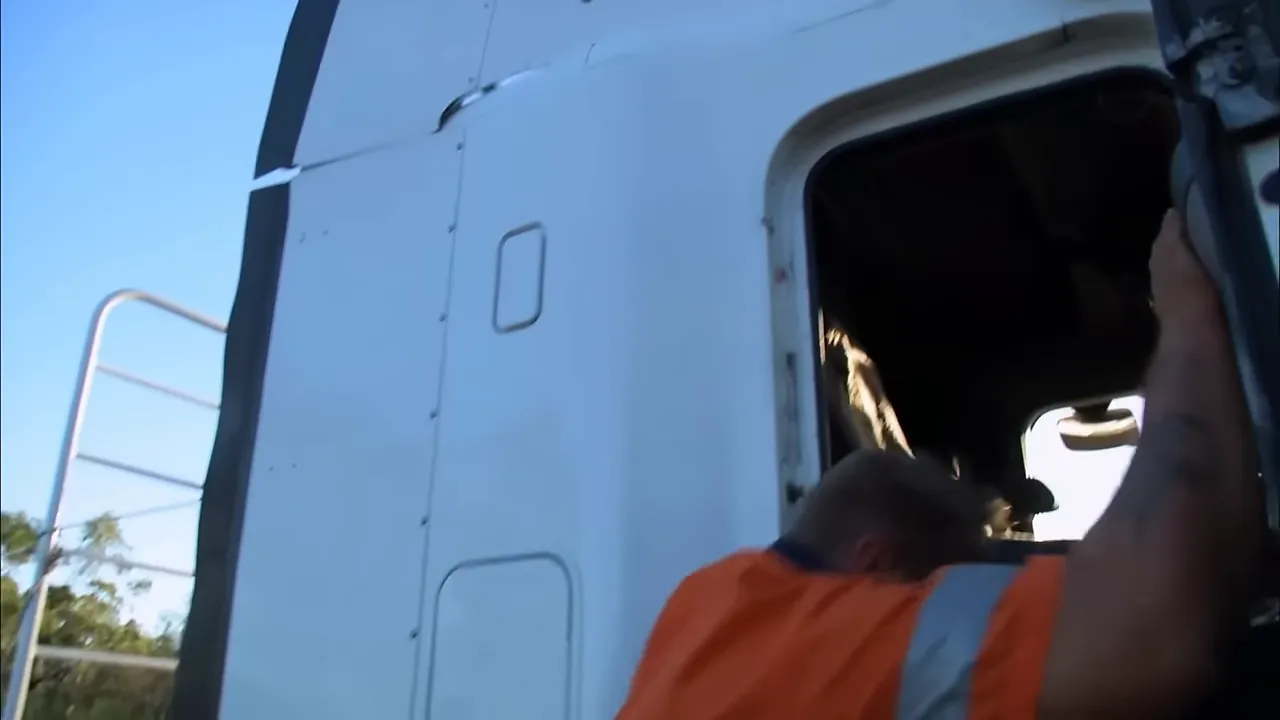
On dusk runs, wildlife becomes the primary hazard. A single adult kangaroo (around 50kg) hit at 100 km/h can wreck a brand‑new truck. Turbo, another driver, takes a direct hit — cosmetic and structural damage follows, and the repair bill threatens his finances.
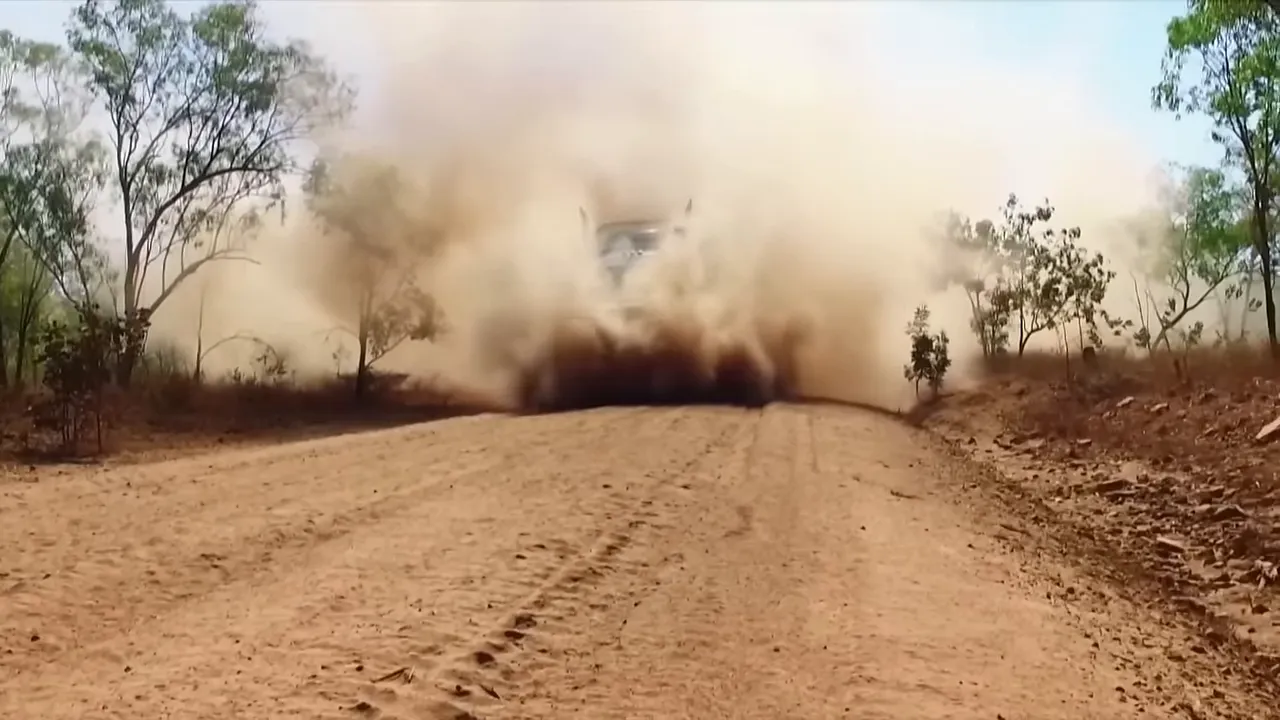
Another danger is bulldust — super‑fine dust that fills potholes and blinds drivers. Danielle, a novice trucker, battles through a deep bulldust patch and then a steep crest with a sharp downhill that makes braking risky. She survives by staying cool under pressure and learning to manage engine braking on long descents.
Key takeaways:
- Nighttime wildlife strikes are common; route planning, reduced speeds at dusk/dawn, and good illumination are operator responsibilities under the chain of responsibility; CoR.
- Drive techniques for bulldust include maintaining momentum without over‑speeding and avoiding sudden braking that can lock wheels and make the vehicle uncontrollable.
Lessons for operators, drivers and supply chain parties
From these stories we can draw practical steps that align with the chain of responsibility; CoR:
- Plan for seasons: incorporate weather and road condition forecasts into scheduling and routing.
- Maintain roadworthiness: tyres, brakes, hubs and load restraints must be inspected and documented.
- Provide training: drivers need techniques for submerged causeways, bulldust, wildlife avoidance and extreme heat operations.
- Carry contingency kits: spares, jacks, recovery gear, communication devices and basic mechanical tools.
- Share responsibility: consignors, schedulers and operators must consider the unique risks of remote deliveries — the chain of responsibility; CoR requires no single party to accept avoidable risks alone.
Conclusion
Outback trucking is high‑stakes work that tests machines and people. The footage reminds us that safety in remote freight is not just about driver skill — it’s about systems, planning and shared accountability. Applying the chain of responsibility; CoR in everyday planning and operations helps reduce incidents and keeps communities connected when they need it most.
Video credit: Outback Truckers — watch the original for full clips and first‑hand moments from these runs.
FAQ
Q: What is the chain of responsibility; CoR?
A: The chain of responsibility; CoR is a legal and practical framework that shares duty for heavy vehicle safety across all parties (drivers, operators, consignors, schedulers). It requires each party to take reasonable steps to prevent breaches that lead to unsafe outcomes.
Q: How does the chain of responsibility; CoR apply to remote deliveries?
A: For remote deliveries the chain of responsibility; CoR means planning for seasonal access, ensuring vehicles are roadworthy for extreme conditions, providing adequate time and resources for safe travel, and sharing information about hazards along the route.
Q: Are bush fixes like Russell’s tyre trick acceptable?
A: Improvisation in remote settings can be necessary, but it must be balanced against safety. The chain of responsibility; CoR encourages risk assessment before any non‑standard repair and suggests that operators provide safer alternatives where possible.
Q: What immediate steps can drivers take to reduce wildlife strikes?
A: Reduce speed at dawn/dusk, use high‑beam (when safe), scan roadside edges, and report frequent wildlife locations to schedulers so routes and timings can be adapted — a shared chain of responsibility; CoR action.
This article was created from content published by https://www.nhvr.gov.au/. Visit the site for latest and current information.


