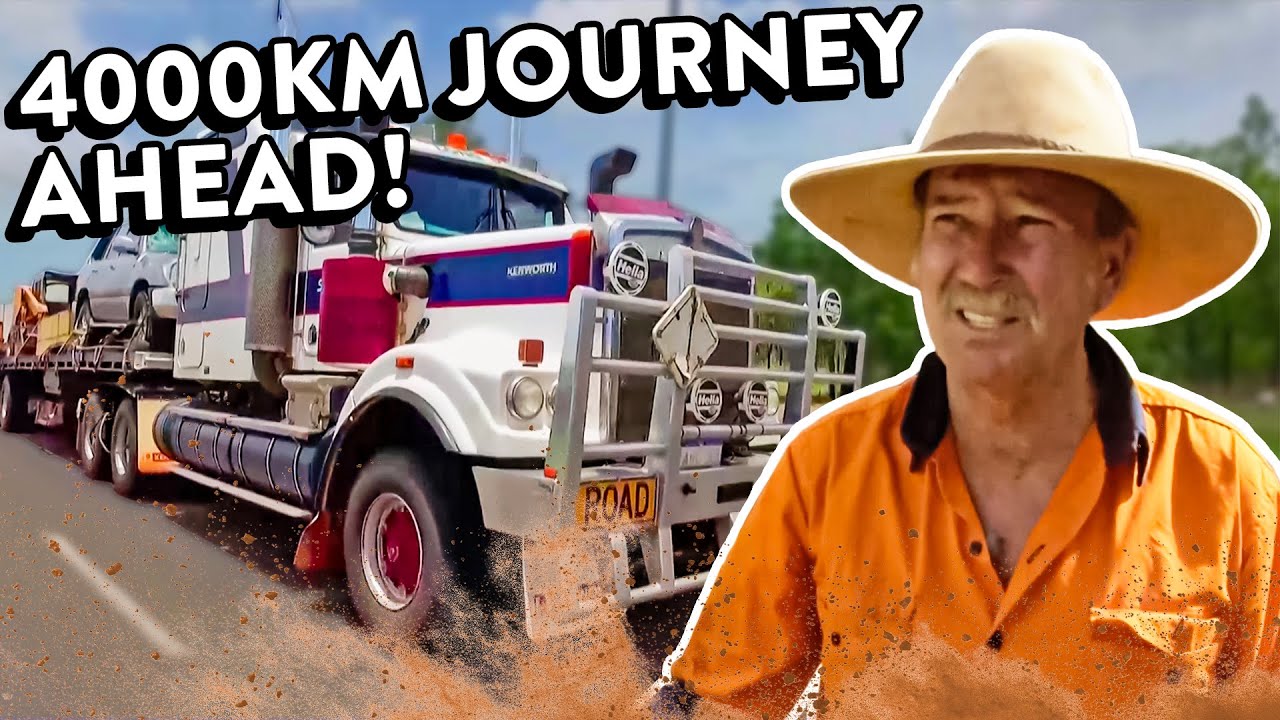
Veteran road-train driver Steve Graham races against time, weather and mechanical failure on a 2,700 km emergency haul across Western Australia. This account, drawn from the Outback Truckers episode, highlights tough decision-making on the road and underlines why the chain of responsibility; CoR matters for operators, consignors and drivers alike.
Table of Contents
- Trip brief: Perth to the interior, then north
- Mechanical setback: a wheel seal blows
- Making repairs, managing customers and the CoR angle
- Desert heat, gravel tracks and then monsoonal rain
- Delivery and reflection
- FAQ
Trip brief: Perth to the interior, then north
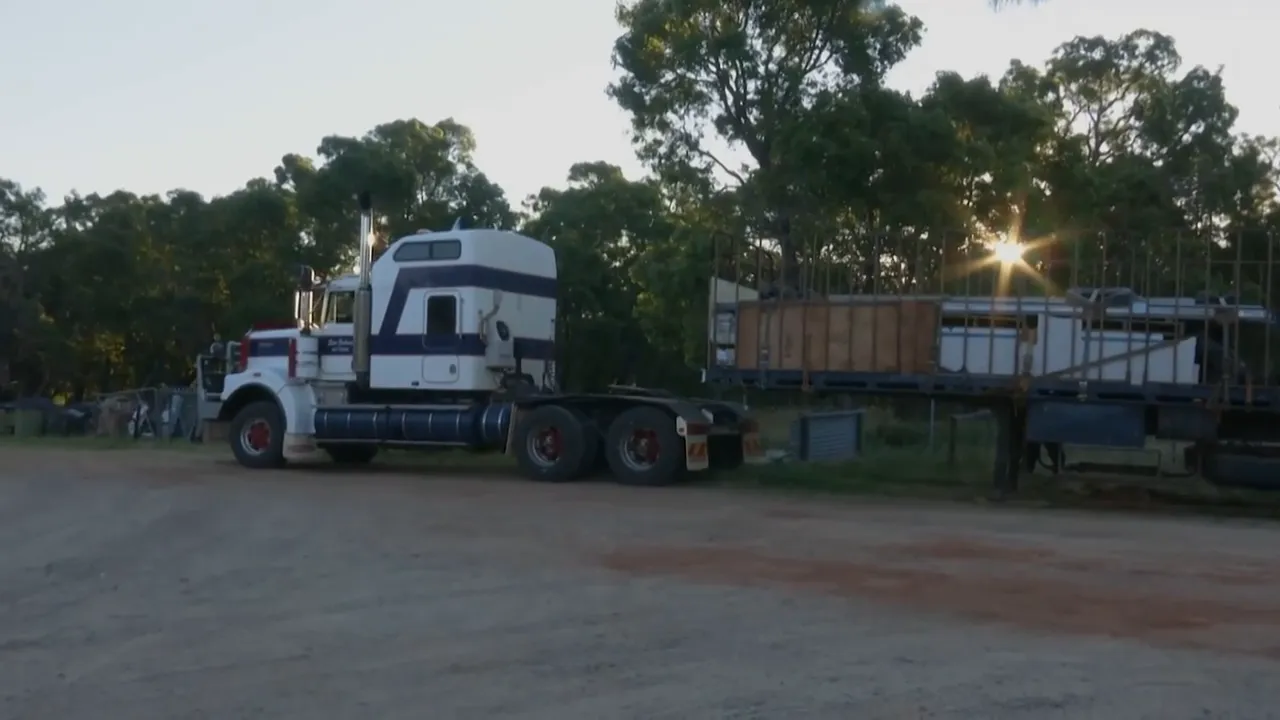
Steve assembles his road train in Perth and prepares to move structural steel to Alice Springs — roughly 2,600–2,700 km. The load is urgent, customers are waiting and weather forecasts warn of rain across western desert tracks. Storms and council closures of vulnerable gravel roads are a constant operational risk.
Mechanical setback: a wheel seal blows
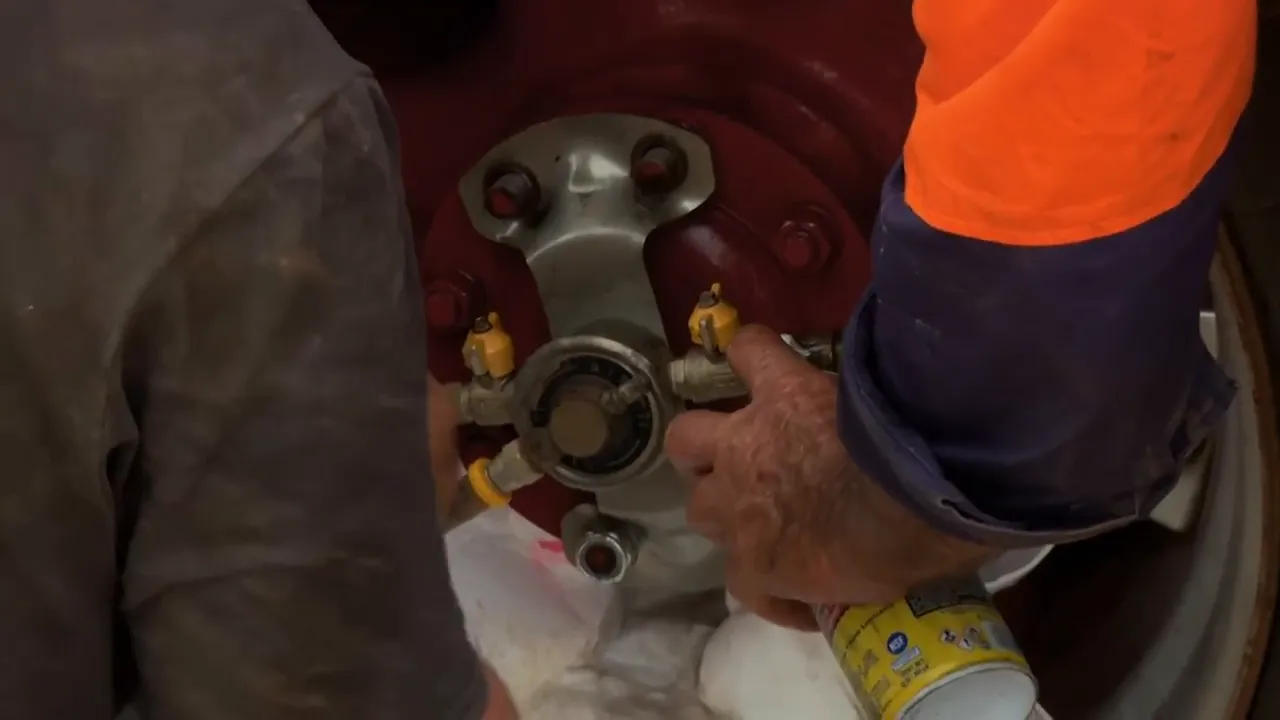
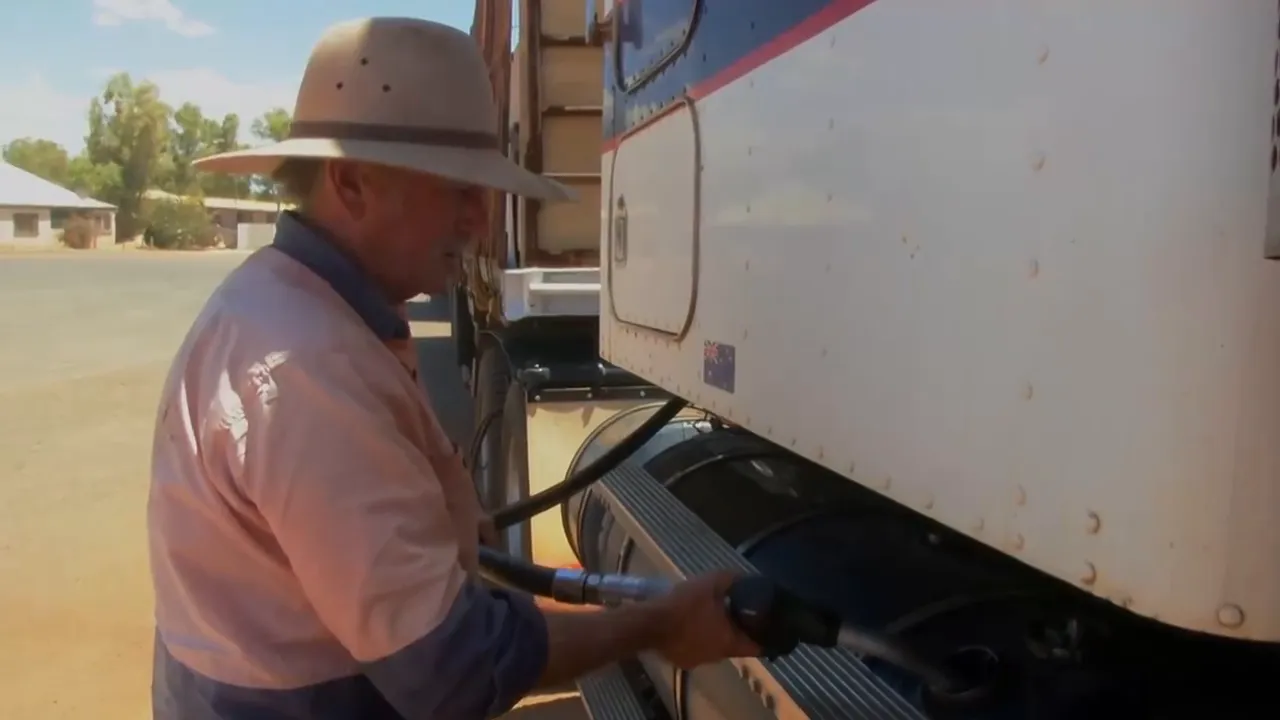
About 500 km into the run Steve stops for an inspection and detects differential oil. "I can smell diff oil...I've got a wheel seal gone," he says. A blown wheel seal on a drive wheel risks bearing damage and taking a truck out of service for days. Steve races 200 km to Mount Magnet seeking a mechanic and parts; local supplies don’t immediately match his hub, so time becomes the enemy.
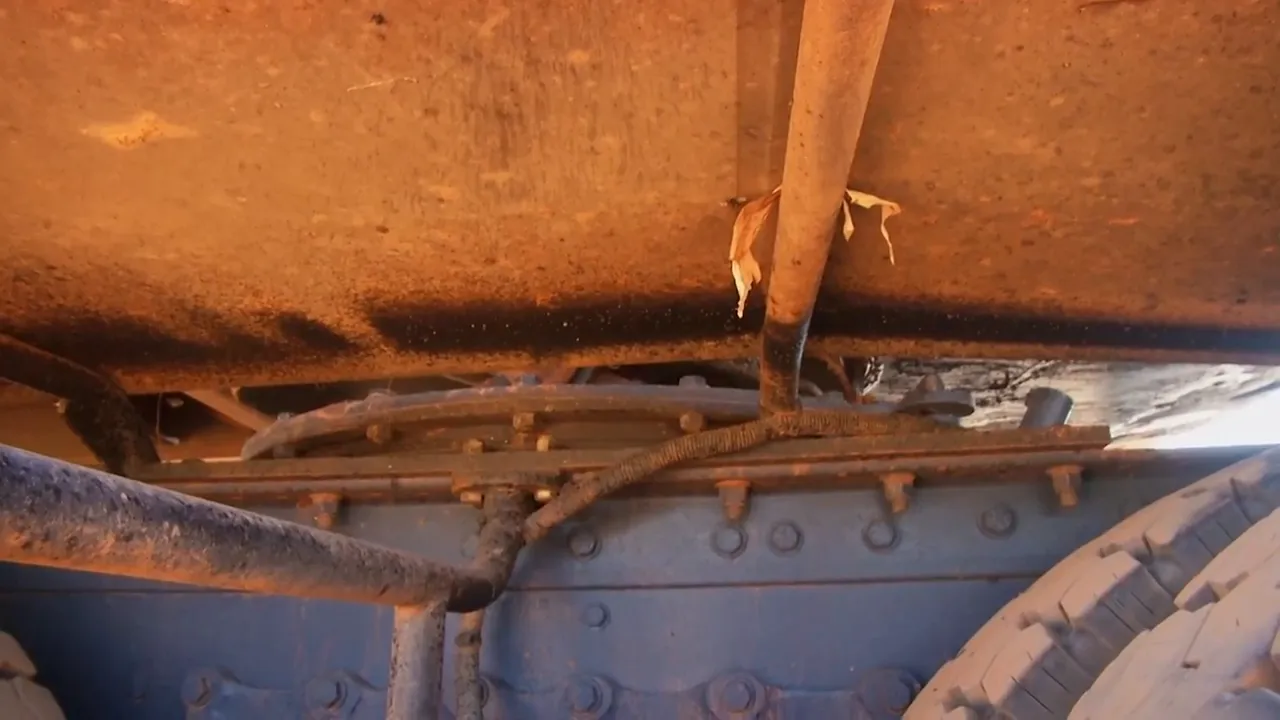
"I've had a huge amount of trouble with bearings, mate. A huge amount."
Making repairs, managing customers and the CoR angle
When breakdowns threaten delivery windows, the pressure lands on the driver. Steve fields calls from his largest customer while coordinating repairs — a classic example of where the chain of responsibility; CoR comes into play. Everyone in the supply chain has obligations to ensure safety and timely, lawful transport. Delays caused by parts shortages, maintenance choices or road closures all have CoR implications for consignors, operators and drivers.
Practical choices under pressure
- Sourcing parts locally or cannibalising spares to stay moving.
- Communicating delays to customers and hirers to manage expectations.
- Monitoring vehicle health (gearbox temps, bearings) to avoid catastrophic failures.
Desert heat, gravel tracks and then monsoonal rain
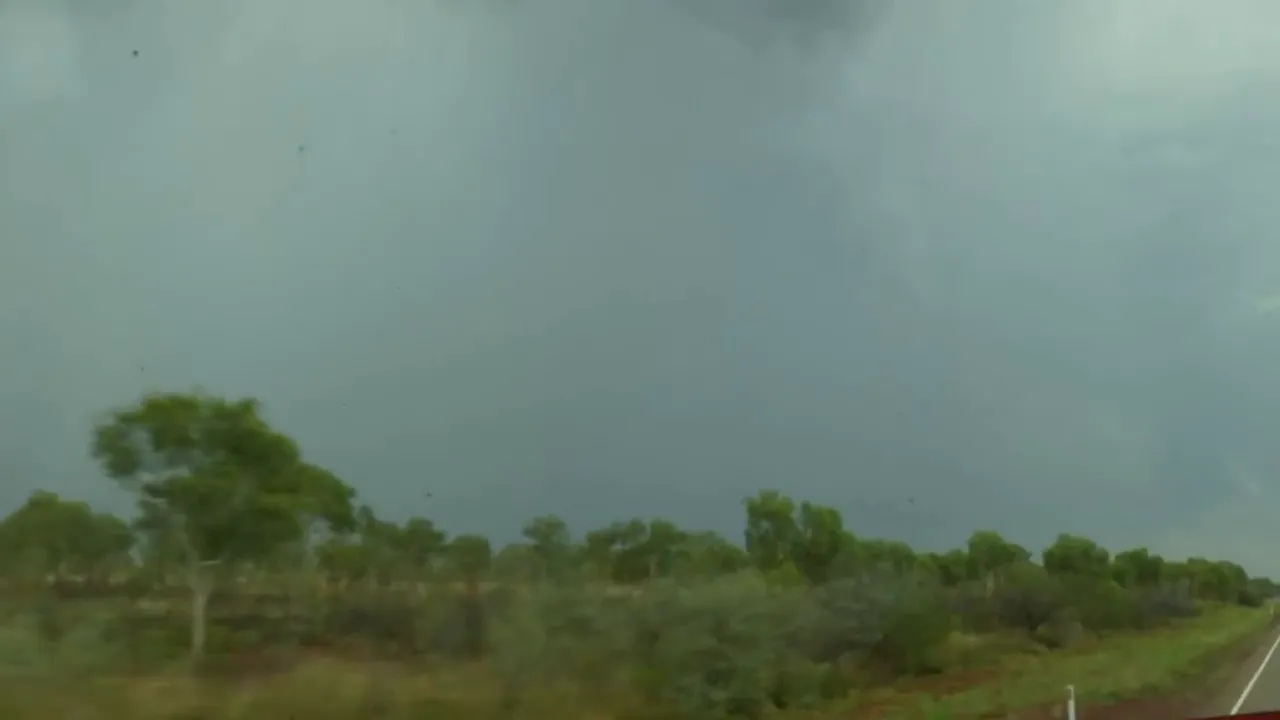
With repairs made, Steve tackles the Great Central Road: 1,200 km of hard dirt among 1,800 km to Alice Springs. Heat pushes his gearbox over 100°C at one point, forcing him to manage engine loads. After the drop-off he then faces another long leg north and confronts monsoonal storms and damaging winds that once nearly wrote off his truck. Waves of downpours test both vehicle and crew; Steve calls other drivers on the radio, times his runs and inches through the worst of it.
Delivery and reflection
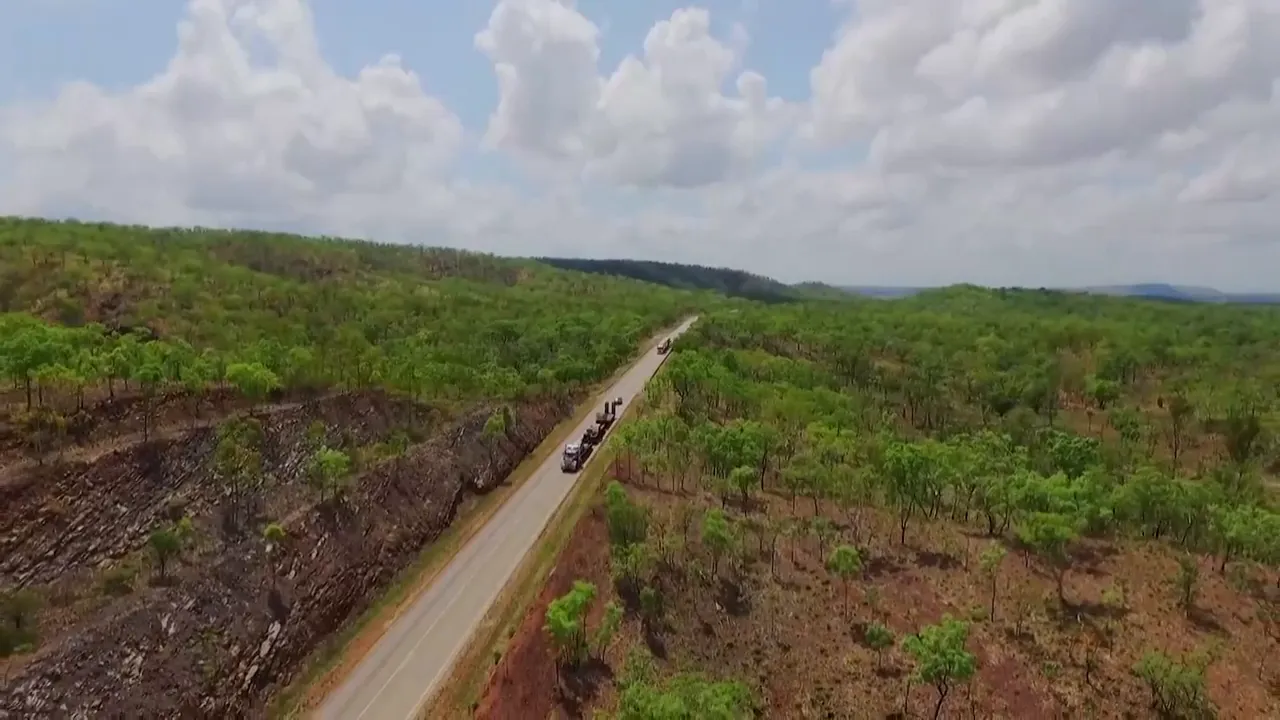
After eight days and roughly 4,000 km of hard miles, Steve closes in on Darwin. He reflects that once he settled into the desert the trip went better than expected: the corrugations and jumps didn’t inflict the damage they might have, and he delivered the goods. But the run reinforces how quickly circumstances can cascade into a safety and compliance issue — and how the chain of responsibility; CoR must be actively managed.
Key takeaways for operators and drivers
- Maintain clear communication across the supply chain to satisfy chain of responsibility; CoR obligations.
- Pre-trip inspections and spares planning reduce the risk of being stranded in remote locations.
- Weather monitoring and conservative routing decisions can prevent closures or damage to local roads.
FAQ
Q: What immediate actions did Steve take when he found the wheel seal leaking?
A: He stopped for inspection, drove the nearest town (Mount Magnet) to find a mechanic and tried to source a matching seal locally to minimise downtime.
Q: How does the chain of responsibility; CoR apply to this story?
A: The chain of responsibility; CoR places obligations on all parties (consignor, operator, driver) to ensure safe, compliant transport — from vehicle maintenance and load planning to communications about delays and road conditions.
Q: Could the job have been avoided?
A: Better spare-part matching, proactive bearing checks and conservative planning for weather and road closures can reduce risk, but outback hauls always carry residual uncertainty.
Q: Who produced the original footage?
A: The source video is from Outback Truckers.
This article was created from content published by https://www.nhvr.gov.au/. Visit the site for latest and current information.


