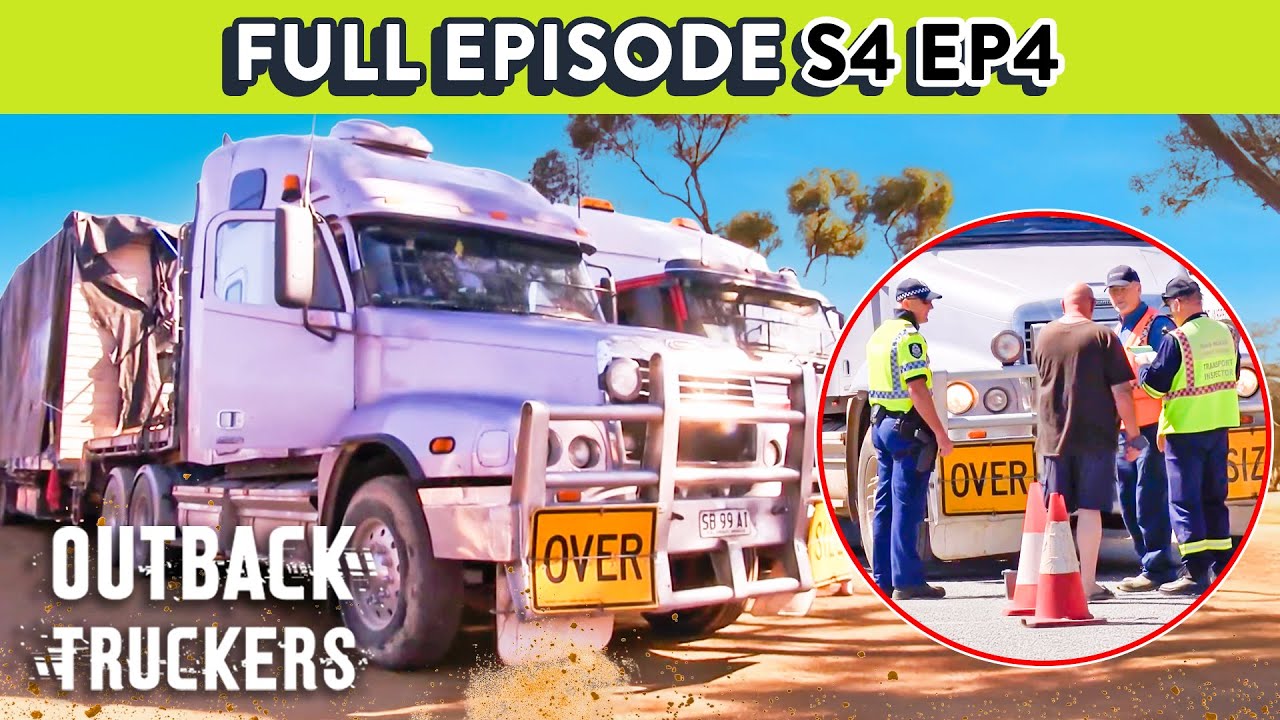
This article reviews Season 4, Episode 4 of Outback Truckers — a tense, uncut look at three long‑haul runs where permits, weather and load restraint collide. The episode is a great case study in how the chain of responsibility; CoR operates in practice: permits, paperwork and people above the cab can stop a run as easily as a dust storm or a ripped tarp.
Table of Contents
- Episode snapshot
- Kurt Shepard — oversized loads, improvised fixes and a permit halt
- Bumper Farrell’s mercy run — logistics, dust and human goodwill
- Johnny Dowell — balancing speed, straps and sand
- What this episode teaches about permits, safety and the chain of responsibility; CoR
- Conclusion
- FAQ
Episode snapshot
Three stories run in parallel:
- Kurt Shepard — a new owner‑driver hauling an oversized 3 × 12 m site hut from Sydney to Perth, battling torn tarps, Nullarbor gales and a permit check that grounds him.
- Bumper Farrell — leads a 20‑truck convoy carrying 400 tonnes (710 bales) of donated hay into drought‑stricken Wernheri, NSW, coping with corrugations, dust storms and convoy coordination.
- Johnny Dowell — hauling housing frames along the Tanami Track to the Balgo community, fighting shifting loads, soft sand and time pressure to meet a booked forklift.
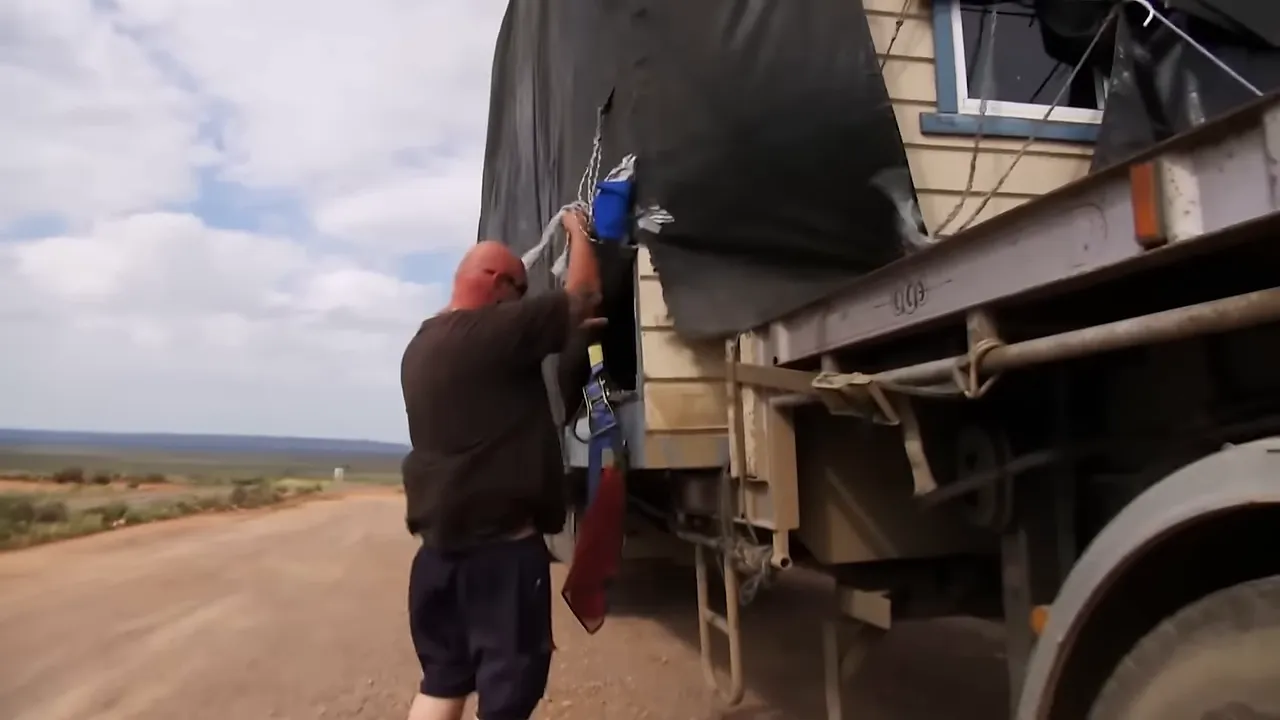
Kurt Shepard — oversized loads, improvised fixes and a permit halt
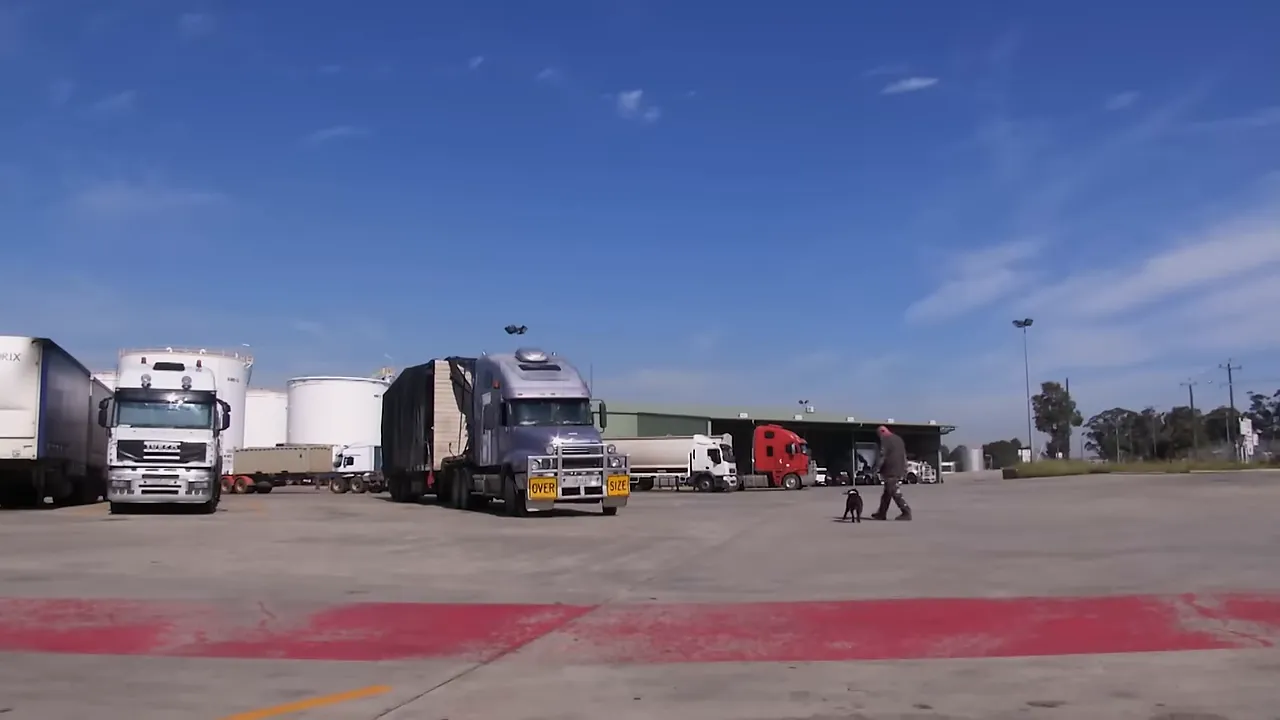
Kurt left Sydney on a 4,000 km haul to Perth with minimal protection for a large site hut — just tarpaulins and straps. He performs desperate on‑road repairs (rope through grommets, jury‑rigged straps) to keep the cover on while crossing the Nullarbor Plain where gusts exceed 100 km/h.
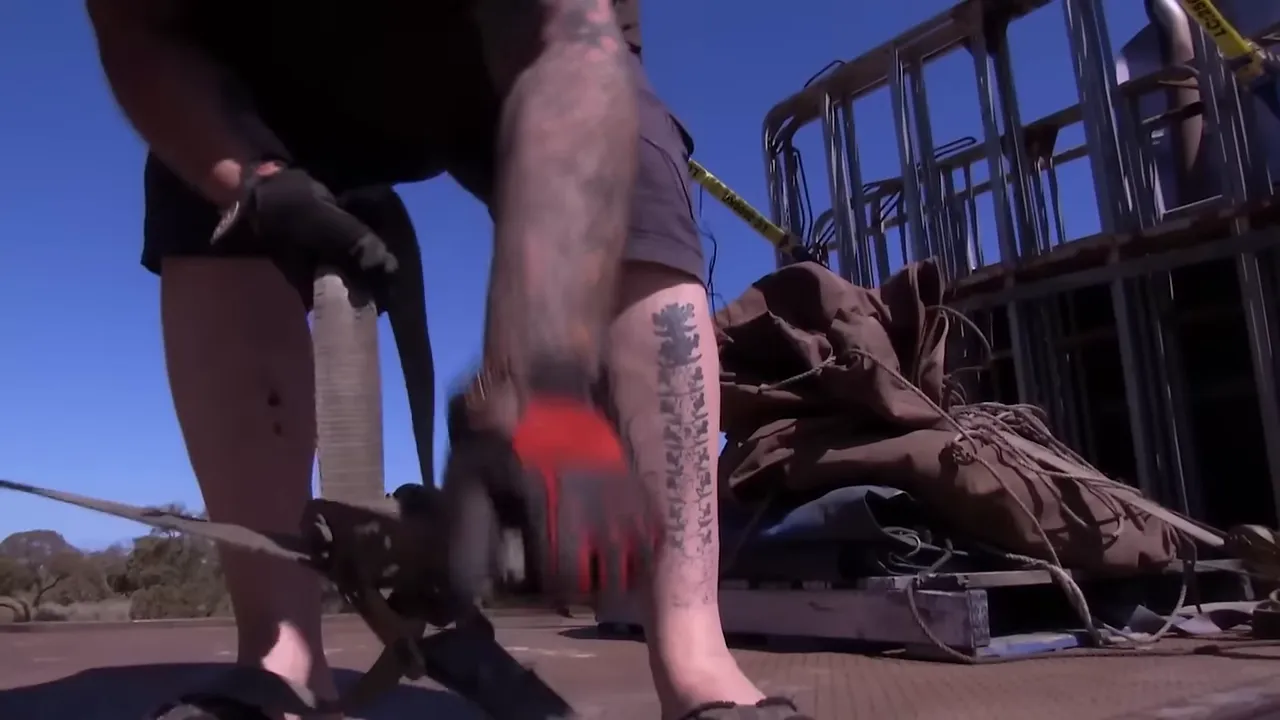
After surviving the wind, Kurt hits a roadside inspection and is told the permit for his oversized load is invalid — an administrative problem that leaves him parked until the operator can confirm accreditation. It’s a literal example of how the chain of responsibility; CoR can ground a driver through paperwork even when the truck and driver are ready to roll.
Bumper Farrell’s mercy run — logistics, dust and human goodwill
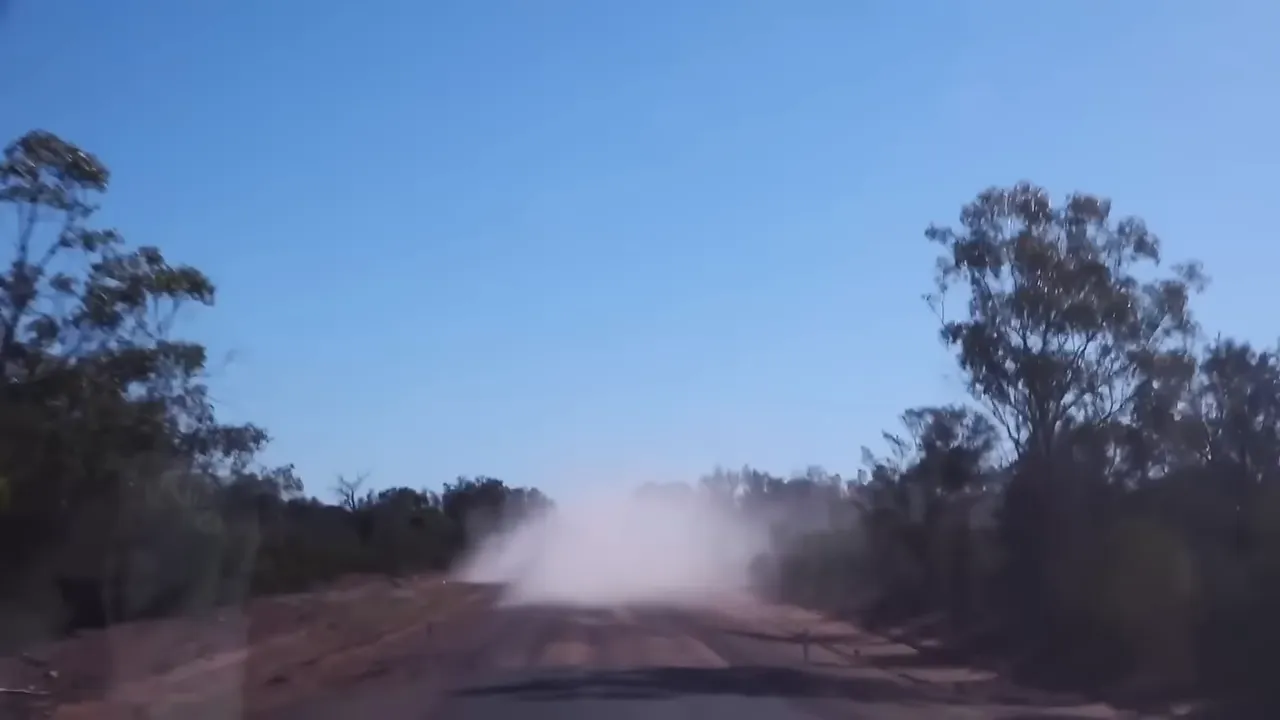
Bumper organises 20 trucks to deliver donated hay to farmers in their fourth year of drought. The convoy stretches five kilometres and covers 700+ km to Wernheri. Heavy corrugations and a long dirt section churn up dust so bad the last trucks are effectively driving blind.
Coordination is everything: two‑way comms, constant strap checks and roll calls keep the load intact. When Roscoe locks his brakes while attempting a tight U‑turn at the town entrance, the convoy nearly stalls — but the community delivery is completed and the hay distributed the next day.
Johnny Dowell — balancing speed, straps and sand
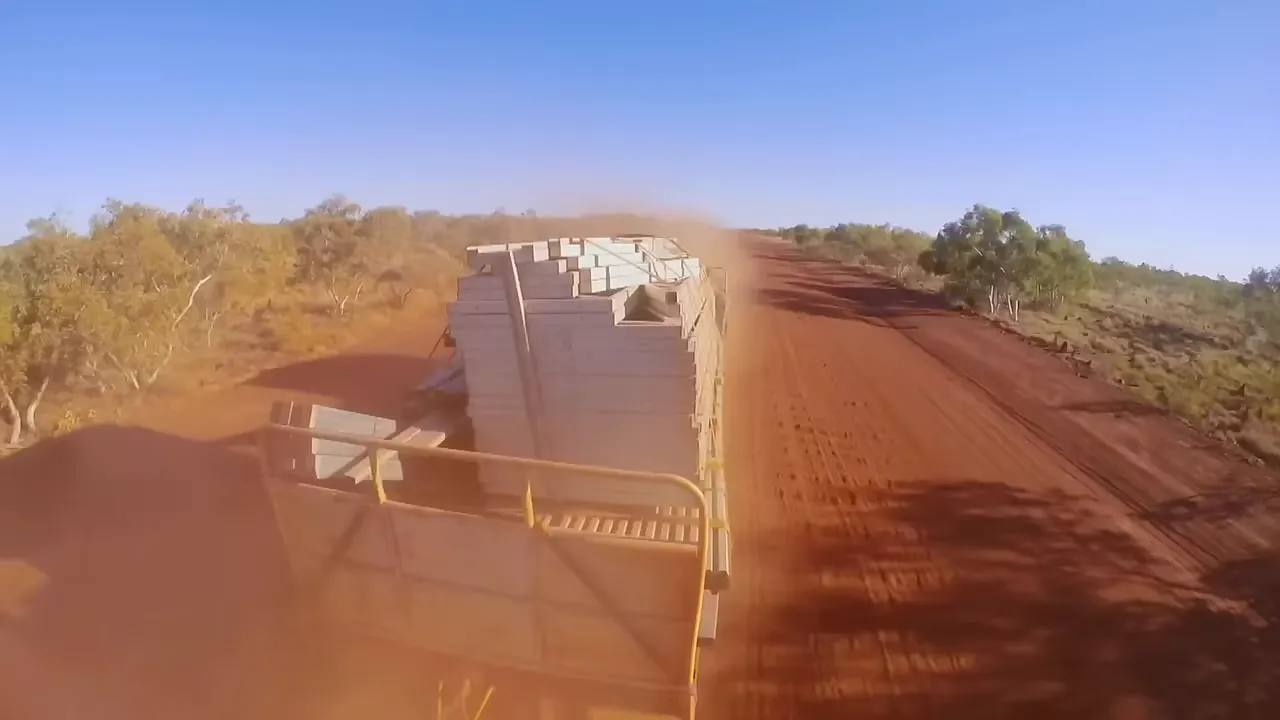
Johnny’s frames for remote housing are secured with dozens of polyester straps. Corrugations, cattle grids and soft sand on the Tanami play havoc with his freight; repeated stops, strap replacements and careful axle‑over checks are required to keep the load from sliding off. He eventually arrives an hour late but with materials intact — a win that hinges on good load restraint practice.
What this episode teaches about permits, safety and the chain of responsibility; CoR
Key takeaways relevant to operators, drivers and consignees:
- Permits matter: Even a seemingly minor administrative issue can halt a run. Operators must manage permit renewals and accreditation proactively.
- Load restraint is non‑negotiable: Straps, ties and inspections prevented multiple potential losses. The NHVR load restraint principles apply every kilometre.
- Communication and convoy discipline: For multi‑truck mercy runs, radios and nominated roles (lead, tail‑end Charlie) reduce risk, especially in dust or poor visibility.
- Chain of responsibility; CoR applies to everyone: Drivers, schedulers and company managers share legal duties to ensure the vehicle, load and documentation are compliant.
Practical checks before you leave
- Confirm permit validity and any route conditions (bridges, curfews, escort requirements).
- Inspect tarps, straps and anchor points; replace worn webbing before a long run.
- Plan for weather windows — Nullarbor winds and desert dust can make a legal run dangerous.
- Carry contingency kit: spare straps, tools, basic replacement parts and a way to secure loose loads.
Conclusion
Outback Truckers’ episode is a vivid reminder that heavy vehicle safety is technical and human at once. The chain of responsibility; CoR isn’t just bureaucratic — it’s the legal framework that ensures everyone doing remote, oversized or essential runs acts responsibly. In the outback, a shredded tarp, a missing permit or a broken jack shaft can rapidly escalate; good planning, proper load restraint and clear communication are the difference between a successful delivery and a roadside disaster.
FAQ
Q: What triggered Kurt’s grounding?
A: An inspection revealed an invalid permit. Even though the truck and driver were operational, the permit paperwork — a CoR responsibility — needed verification before moving an oversized load across state lines.
Q: How can operators manage chain of responsibility; CoR obligations better?
A: Maintain a permit calendar, keep accreditation records accessible, and assign a CoR contact who verifies permits and route conditions before departure.
Q: What are the best on‑road fixes for a failing tarp?
A: Short term: reinforce with rope through grommets, add redundant straps, and reduce speed. Long term: replace worn covers at the next service point — don’t rely on temporary fixes for the whole journey.
Q: How did the hay convoy manage distribution in a tiny town?
They parked overnight, coordinated local farmers the next day and used available forklifts and manpower to split 710 bales across properties — a reminder that good logistics meet community need.
Credits: Footage and stories from Outback Truckers — Season 4 Episode 4.
This article was created from content published by https://www.nhvr.gov.au/. Visit the site for latest and current information.


