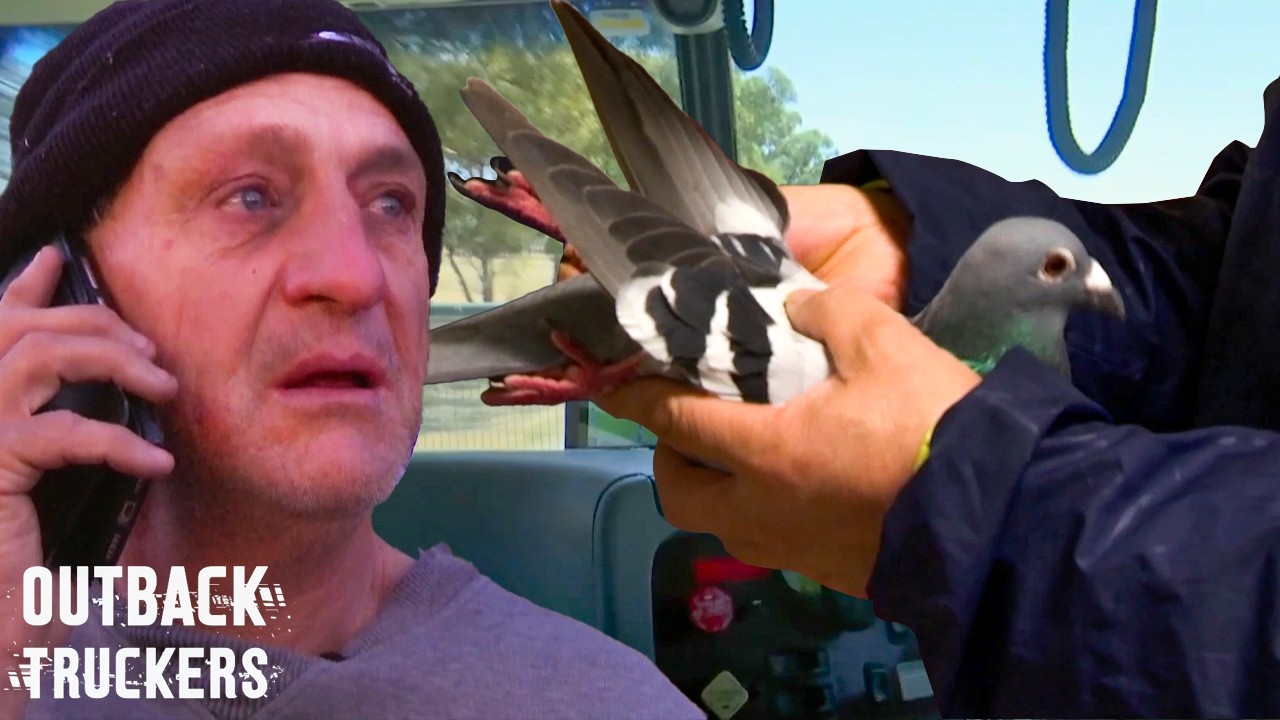
This is the story of 21-year-old trucker Sam Spiliopolis, a late-night haul with 1,200 racing pigeons on board, and how regulatory duties — including the chain of responsibility; CoR — shaped every decision on the road. Based on the Outback Truckers episode, this article walks through the logistics, the stress points, and the lessons for drivers and consignors transporting live loads.
Table of Contents
- Quick overview
- The pressure of live cargo
- On the road: hazards and human factors
- Regulatory risks: roadside inspections and fines
- Race day and outcome
- Key takeaways for live-load transport
- FAQ
- Credits
Quick overview
- Load: 1,200 racing pigeons heading to an 800+ kilometre marathon release.
- Vehicle: 19-metre semi-trailer equipped with airbags, curtains and refrigerated roof.
- Key risks: heat, delay, roadside inspections, paperwork (logbooks), animal welfare.
The pressure of live cargo
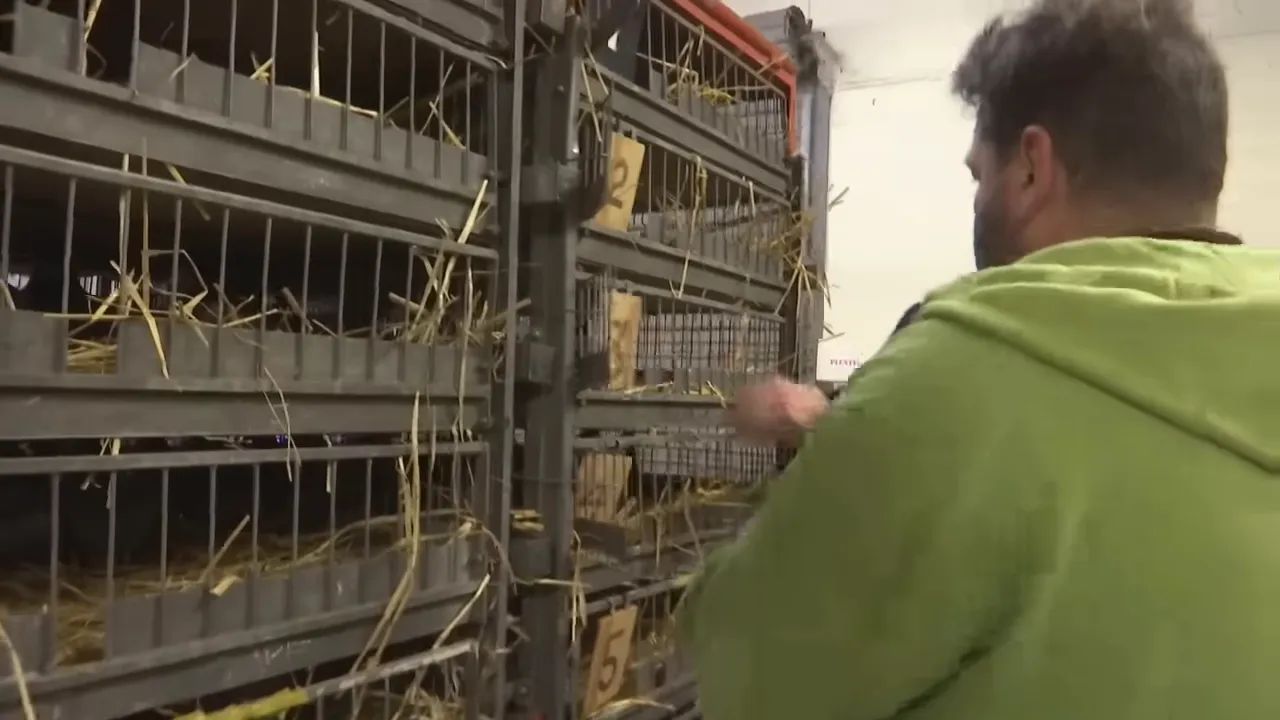
Sam has "a two-hour window" to collect cages and must run regular rest stops so the birds are watered and fed. As the video shows, "A lack of water during transport can affect their physical health and reduce their racing fitness." The cargo isn’t just expensive — it’s fragile, averaging about 360 grams per bird, and relies on strict handling and timing.
On the road: hazards and human factors
Gridlock, roadworks and impatient drivers add risk. At one point Sam is held up and narrowly avoids an incident: "They don't realise that we can't stop as quick." Sudden braking can startle the birds and force an unplanned stop, increasing time without water or feed.

Regulatory risks: roadside inspections and fines
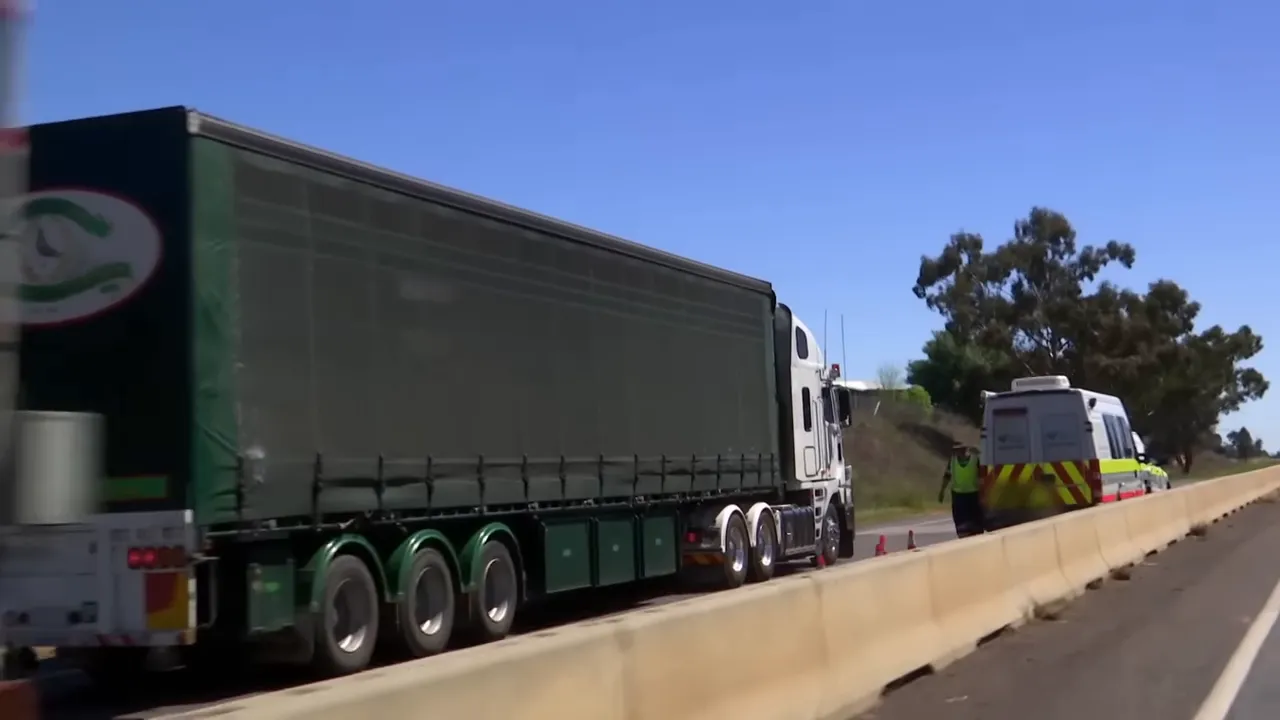
Random truck inspections escalate anxiety. If defects or logbook errors are found, the vehicle and cargo can be impounded and fines issued — exactly why chain of responsibility; CoR matters. Duty holders (drivers, operators, consignors) share legal obligations to ensure vehicles are roadworthy, loads are managed and documentation is correct.
Race day and outcome
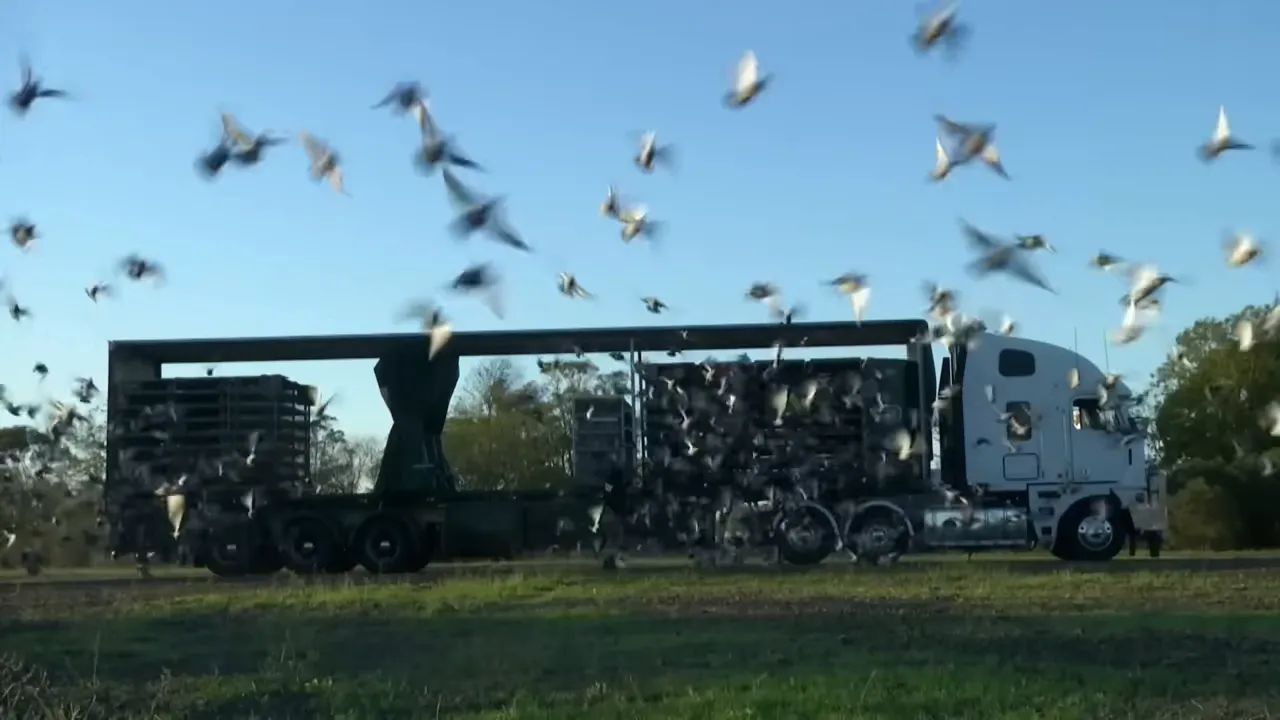
After 15 nerve‑racking hours Sam and wingman Cam arrive at the release point. Officials monitor temperatures and, once conditions drop, doors open and the pigeons launch like "a horse out of the gate." The birds fly 800+ km and Andrew Spiliopolis’s first bird returns 17th out of 1,200 — a great result for breeder and driver alike.
Key takeaways for live-load transport
- Plan strict rest and watering stops for live cargo and factor in delays.
- Ensure vehicle roadworthiness and accurate logbooks to avoid inspections turning into impoundments.
- Recognise shared legal duties — chain of responsibility; CoR — across all parties.
- Monitor environmental conditions (temperature) and be prepared to delay release if risk to animals is high.
FAQ
Who is responsible if paperwork is incorrect?
Responsibility is shared. Under the chain of responsibility; CoR, drivers, operators and consignors each have duties to ensure compliance with roadworthiness, load restraint and documentation.
What happens during a roadside inspection?
Inspectors may check the vehicle, logbooks and load restraint. Checks can take from half an hour to over an hour and, if defects are found, can lead to fines or impoundment.
How can live loads be kept safe in heat?
Use climate control, plan early pick-ups and releases, provide water and feed at scheduled stops, and avoid driving during peak heat when possible.
Credits
Original footage and story: Outback Truckers. This article summarises the episode to highlight operational and regulatory lessons for anyone involved in transporting live animals.
This article was created from content published by https://www.nhvr.gov.au/. Visit the site for latest and current information.


