The Employment Rights Bill will change how social care employers manage hires, shifts, sickness and workplace relations. It touches on probation, guaranteed hours for casual staff, statutory sick pay from day one and strengthened duties around harassment. Even though the phrase Unfair transport contracts sounds like a separate policy issue, it helps illustrate a common theme: contracts that suit one party at the expense of the other will be challenged across sectors. Expect similar attention where flexible care contracts create inequity.
Table of Contents
- What is changing and why it matters
- How these changes affect care providers
- What to do now: a practical checklist
- Why the phrase Unfair transport contracts matters here
- Further action and engagement
- FAQ
What is changing and why it matters
Several headline measures deserve immediate attention:
- Unfair dismissal qualifying period reduced — the two year rule is expected to be cut to six months, meaning early dismissals carry more legal risk.
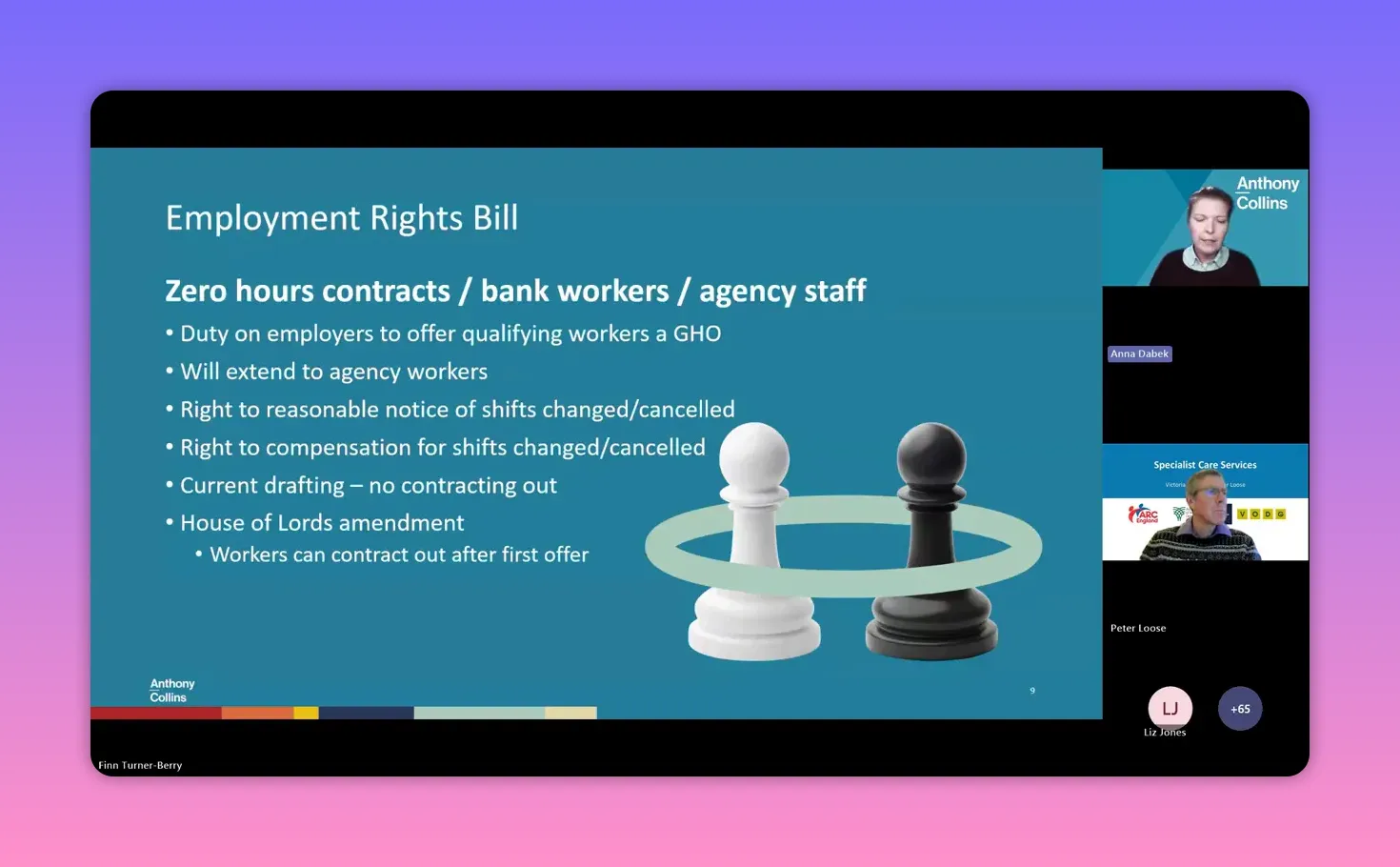
- Guaranteed hours for casual workers — workers on zero hours, bank and agency contracts may be entitled to a guaranteed-hours offer based on a prior reference period, likely 12 weeks.
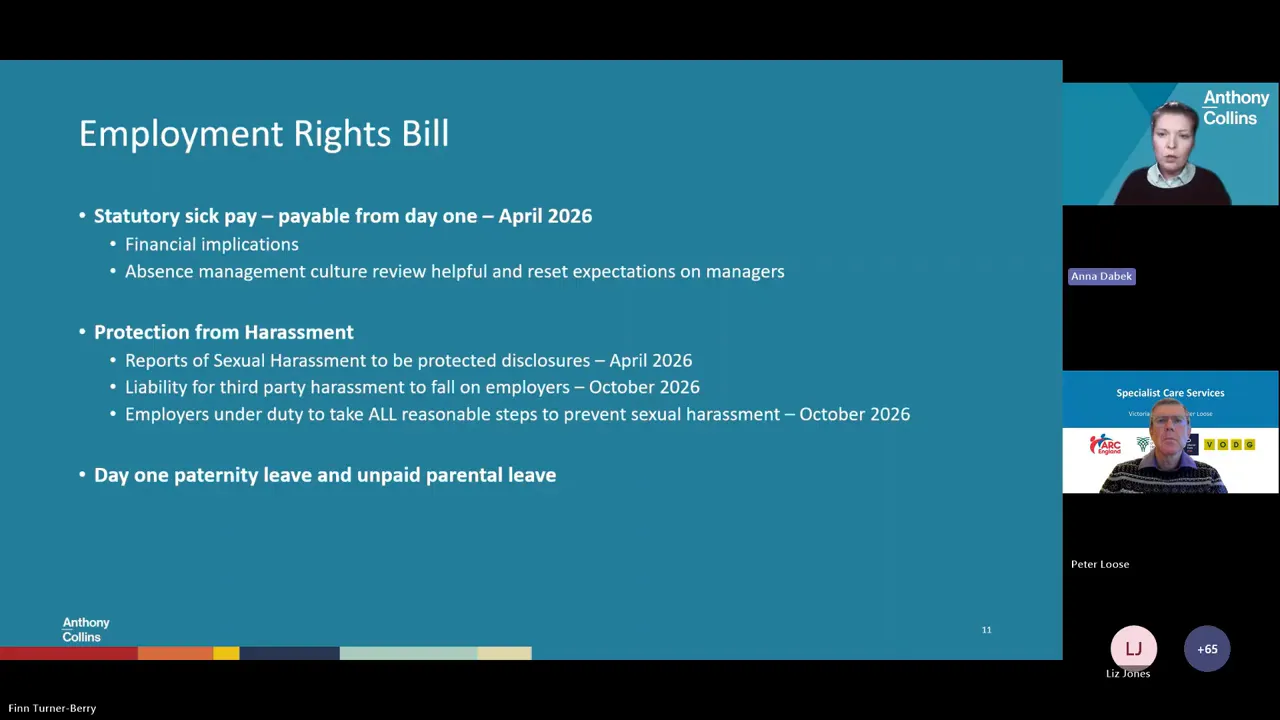
- Statutory sick pay from day one — and eligibility extended to low earners, with SSP payable at either a fixed weekly rate or 80 percent of normal weekly earnings, whichever is lower.
- Stronger harassment duties — third-party harassment liability returns and sexual harassment complaints gain whistleblowing protection.
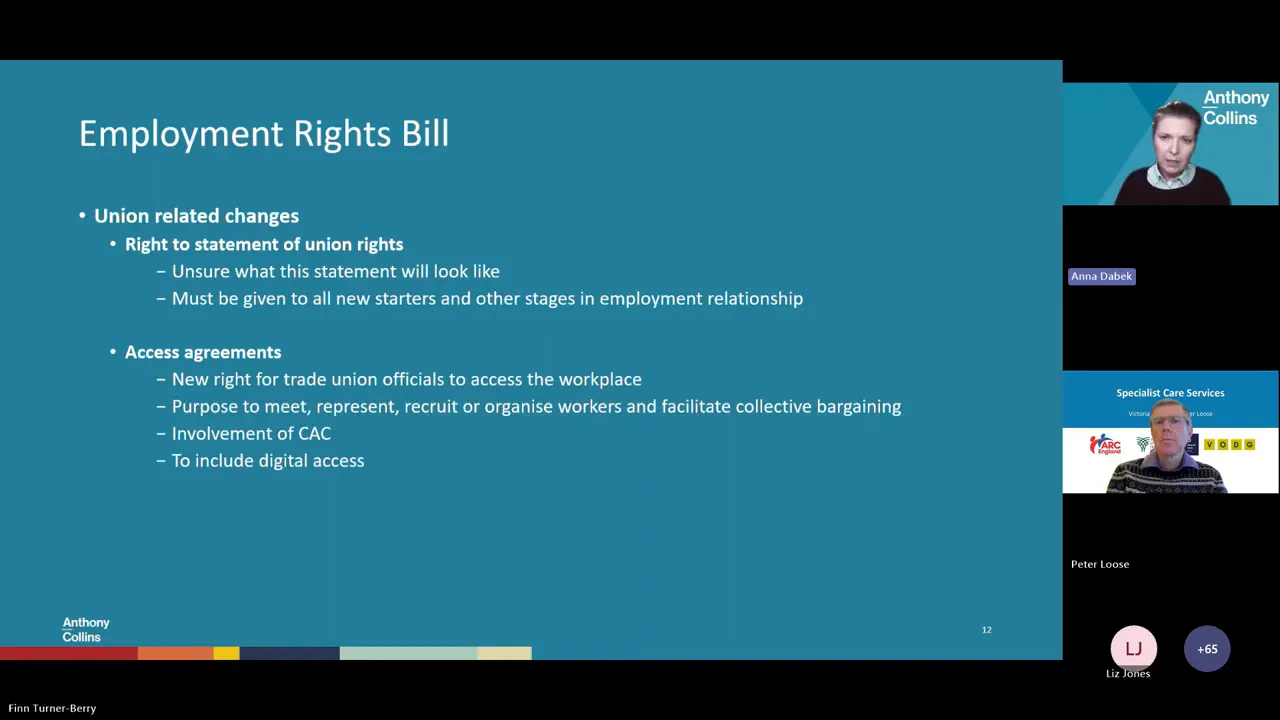
- Union access and recognition — new duties to give employees information about trade union rights and to permit meaningful access, with simplified recognition routes.
- New Fair Work Agency — enforcement of minimum wage, holiday pay, SSP and agency worker protections will shift to this body.
How these changes affect care providers
The social care sector is diverse. Specialist services, home care and residential settings each face different operational implications.
Specialist services
Services for working-age adults often require high staff ratios and longer-term relationships with people supported. Pay and benefits already absorb a large proportion of budgets. The move to day-one SSP and guaranteed hours can amplify funding pressures where commissioners do not increase rates.
Home care
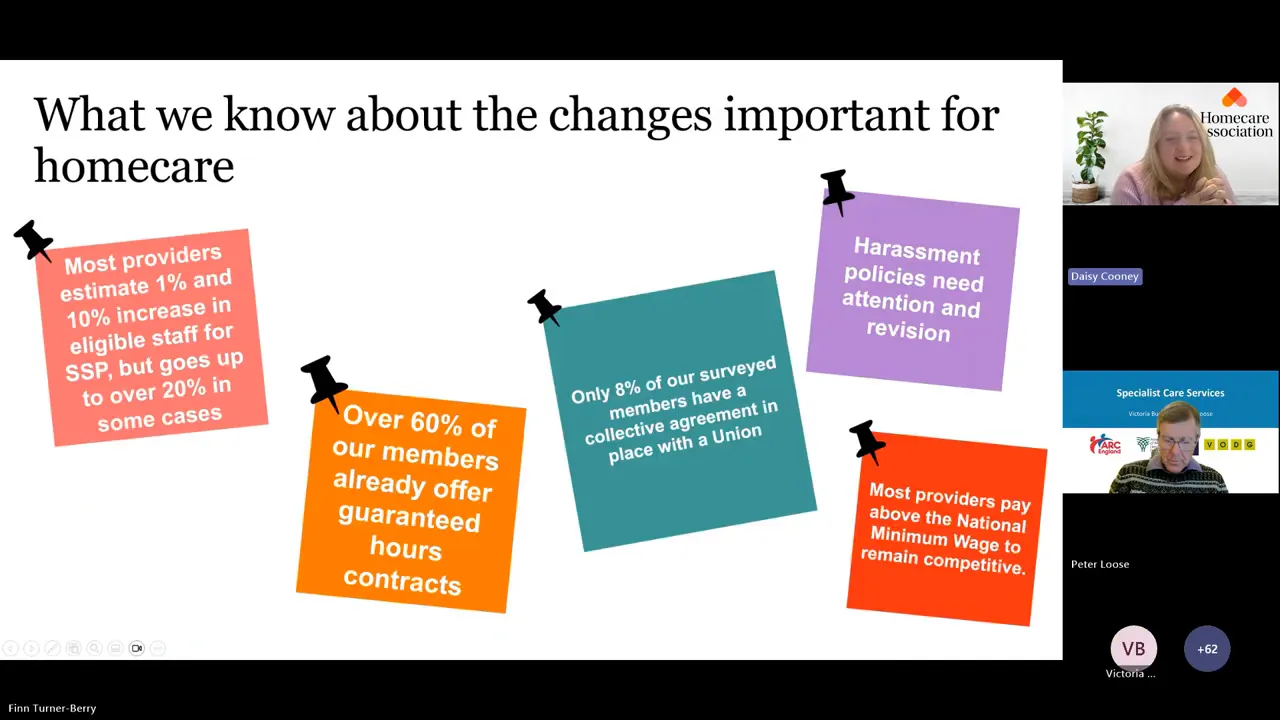
Home care faces practical challenges around travel, fragmented hours and late shift cancellations. If guaranteed-hours offers are calculated from a 12-week reference period, employers must be able to track historic patterns for each worker. Many home care employers will need better rostering and payroll systems and clearer commissioning arrangements to cover cancellation compensation and guaranteed hours.
Residential care
Care homes are also homes for residents, so any trade union access or collective activity must respect privacy and independence. Residential providers should focus on preventing harassment in communal settings and ensuring HR systems can evidence compliance for the new enforcement body.
What to do now: a practical checklist
- Model financial impact — run scenarios for SSP, guaranteed hours and potential cancellation compensation.
- Audit contracts and practices — identify who uses zero-hours, agency or bank arrangements and how many staff would qualify under a 12-week reference period.
- Upgrade systems — ensure payroll and rostering tools can calculate historic hours, travel time and SSP from day one.
- Review policies — update probation, absence management, harassment and whistleblowing policies.
- Engage commissioners — document new burdens and ask for clear funding commitments in fee uplifts.
- Talk to staff — build internal relationships before unions request access and use staff feedback to shape offers.
- Prepare records — Fair Work Agency audits will require accessible evidence on pay, holiday and sickness records.
Employers should treat probationary processes seriously and avoid tick box approaches. Robust documentation and manager training will reduce legal risk.
Why the phrase Unfair transport contracts matters here
The example of Unfair transport contracts is useful because it highlights how policy can move quickly to correct imbalances. If transport workers or other sectors see contract practices that create instability, the law targets those practices. Social care must anticipate the same scrutiny where flexibility disadvantages workers, and evaluate whether current commissioning and contract models create outcomes similar to Unfair transport contracts.
Thinking about these parallels helps frame commissioning conversations: if a contract model forces providers to offer precarious terms, then commissioners will need to accept the cost of fixing them.
Further action and engagement
Several consultations are open, including the design of a social care negotiating body for Fair Pay Agreements. Volume of responses matters. Submitting pragmatic evidence about costs and operational impact will improve the chance of workable implementation and better commissioning outcomes.
FAQ
Will SSP increase to 80 percent of pay for everyone from April 2026?
The entitlement to SSP from day one will apply more widely and for low earners. Where someone earns below the lower earnings threshold, they will be entitled to SSP calculated as the lower of a fixed weekly rate or 80 percent of their normal weekly earnings.
If a worker prefers a zero hours contract can they refuse a guaranteed-hours offer?
Yes. Employers are required to offer guaranteed hours to qualifying workers but employees can decline the offer. Uncertainty remains on whether the offer must be repeated in rolling reviews or only made once.
How will guaranteed hours be calculated for new staff?
New starters will establish a work pattern across the statutory reference period. Once their pattern is established they would qualify in the same way as others, based on that historic period rather than prospective availability.
Could April 2026 changes be delayed if the bill is held up in parliament?
Some measures are already set up to be implemented quickly and may proceed. More complex elements such as guaranteed hours and fair pay agreements could be delayed if primary legislation is not finalised on time. Providers should still model impacts and press commissioners for contingency planning.
How can I avoid ending up with contracts like Unfair transport contracts?
Review commissioning models, gather robust cost data and negotiate fee uplifts that reflect new legal duties. Build transparent contracts and offer staff choices about hours while documenting offers and decisions to show compliance and fairness.
Practical preparation now will reduce disruption later. Focus on modelling, record keeping and open conversations with staff and commissioners so the sector can manage these reforms without compromising the quality of care.
Additional resources and templates
To help teams translate this briefing into action, use the short templates and suggestions below. Add specific URLs and local contacts where relevant.
- Guaranteed-hours offer template — "We offer you an average of X hours per week based on the previous 12-week reference period. You can accept or decline this offer in writing."
- Commissioning request note — A two-paragraph summary for commissioners explaining new cost pressures (day-one SSP, guaranteed hours, cancellation compensation) and a clear request for fee uplift or contingency funding.
- Record-keeping checklist — payroll export for historic hours, travel-time logs, SSP payments, written offers and staff responses, and harassment/whistleblowing records.
- Manager brief — three talking points for staff meetings: why changes matter, how offers will be made, and where staff can raise concerns.
Paste and link to official guidance (eg GOV.UK, regulator pages, or union guidance) in the sections above once you have the relevant URLs. These blocks are ready to drop into the end of your blog post as extra practical support.
This article was created from the FWC video "Unfair contracts jurisdiction for independent contractors"


