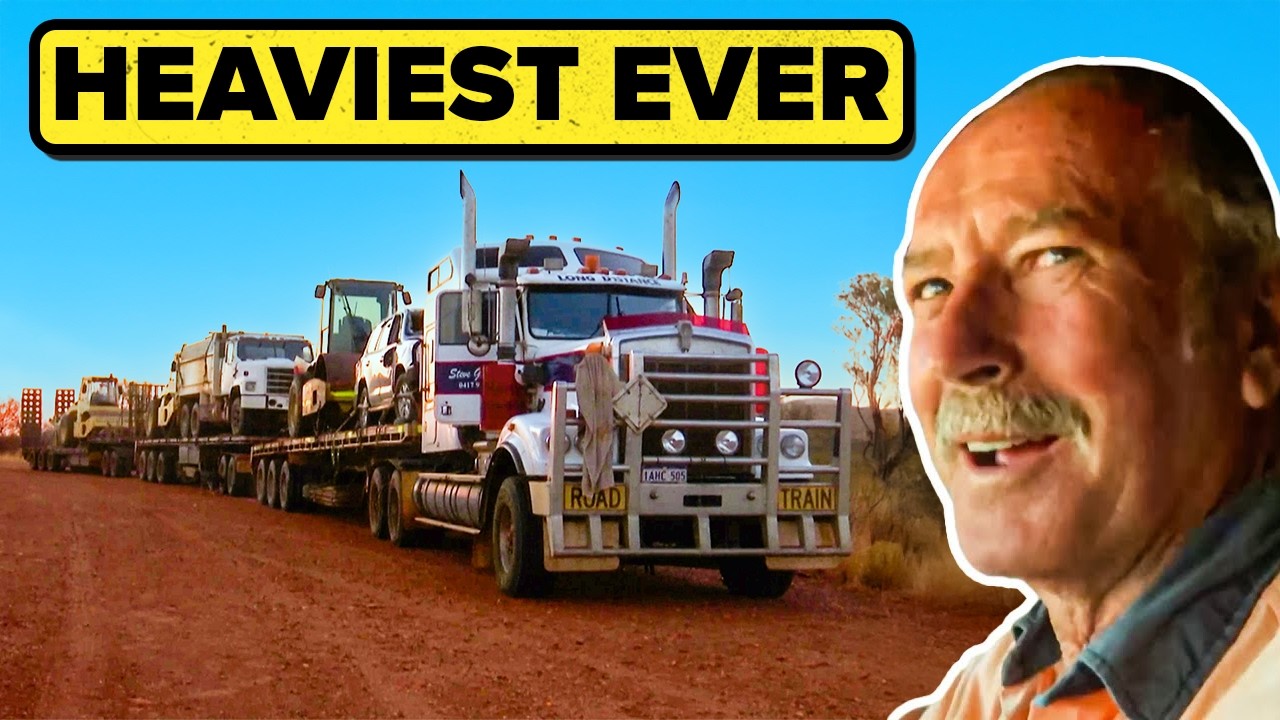
This article breaks down an epic run from the Outback Truckers episode featuring veteran driver Steve Grahame and his rookie co‑pilot Bella. It’s a story of massive freight, brutal roads and split‑second decisions — and a clear reminder of why the chain of responsibility; CoR matters for everyone involved in heavy haulage.
Table of Contents
- Quick overview: the job, the stakes and the route
- Major challenges Steve faced
- Real examples from the run — what went wrong and why
- Why the chain of responsibility; CoR is central to this story
- Practical safety and operational tips from Steve’s run
- FAQ
- Conclusion — respect the country, respect the chain
Quick overview: the job, the stakes and the route
Steve was contracted to haul over 100 tonnes of cement, construction materials and heavy machinery across Central Australia — a run that would test his truck, his load restraint and his judgement. Road closures forced him off his usual Great Central Road route and onto a much longer coastal detour. That change meant new rules (lower maximum road‑train length), extra contractors, extra stops and far greater exposure to weather and corrugated dirt.

Major challenges Steve faced
- Route changes and regulations: Moving onto Highway 1 required dropping a trailer to comply with local limits. That introduced dependence on a contractor to tow the extra trailer and created scheduling risk.
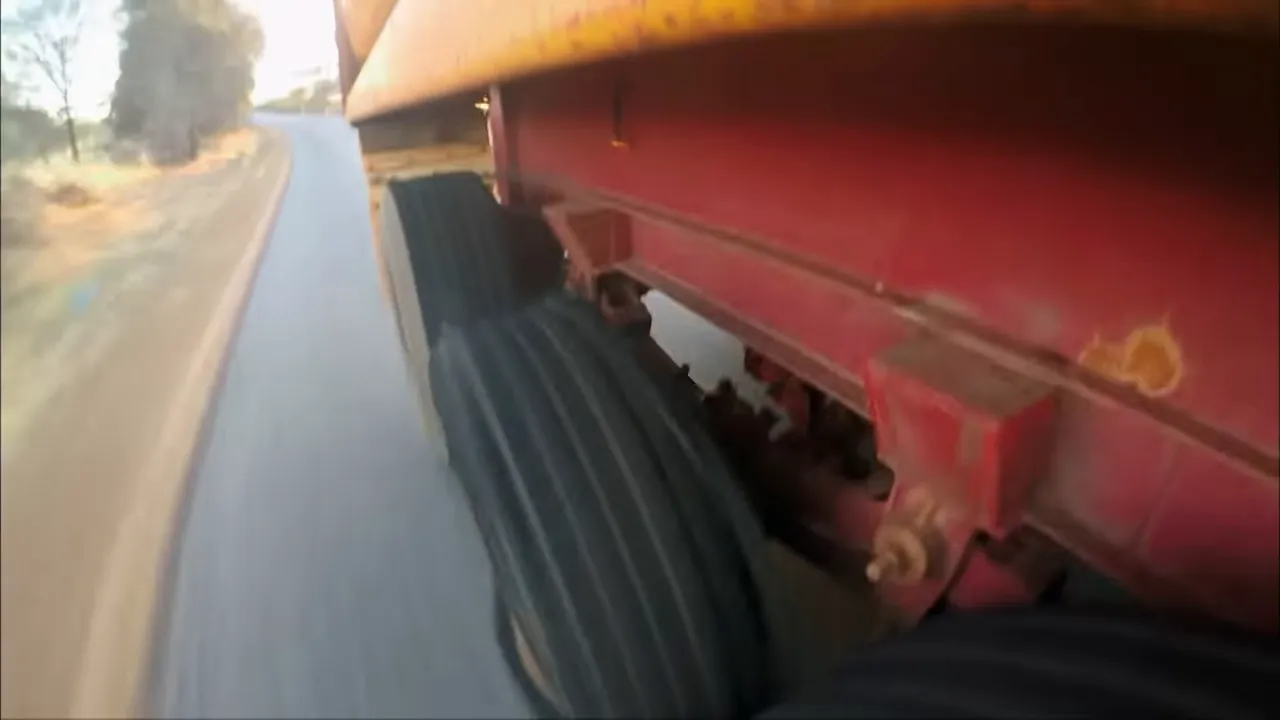
- Mechanical failures: A tyre plug repair failed early in the run, leading to a blowout. Later, corrugations ripped another tyre and shook plugs and lights loose.
- Weather: Outback thunderstorms turned dry dust into sudden mud, and violent sandstorms reduced visibility and traction.
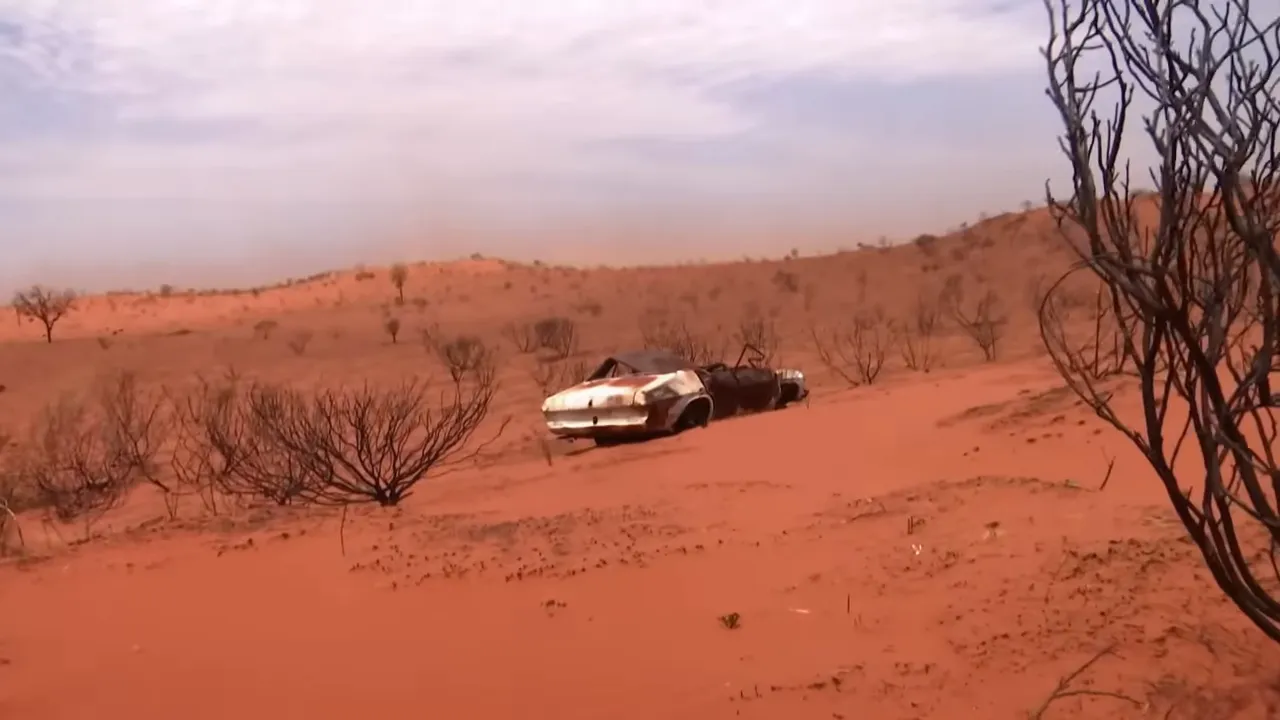
- Load complexity: Steve later picked up damaged machinery and wrecked vehicles — a difficult load to secure because straps, chains and dollies must be inspected constantly on corrugated roads.
- Remote hazards: Long stretches without services meant fuel, water and spares had to be planned and conserved.
Real examples from the run — what went wrong and why
Steve’s experience shows how multiple small issues cascade into big problems. A temporary rubber plug kept air in a tyre for a time, but the later blowout cost him money and time. Tape left off trailer plugs meant rear lights failed on an isolated section — a simple oversight that could have forced a 400 km return to Alice Springs if he couldn’t improvise a fix.
"If you're not prepared, well, your dramas just get bigger."
That quote sums up the trip: preparation reduced the worst outcomes, but Steve still needed contingency skills — field repairs, jury‑rigged fuel fixes and quick re‑securing of loads.
Why the chain of responsibility; CoR is central to this story
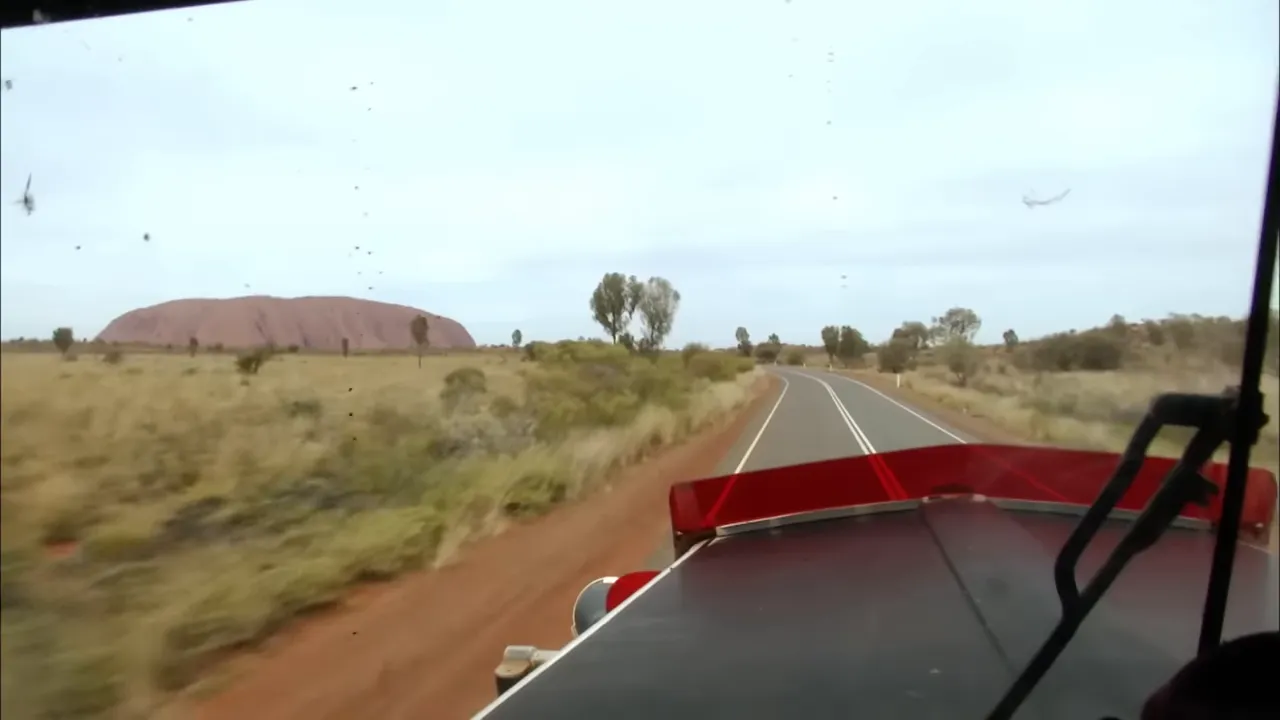
The chain of responsibility; CoR isn't just a legal phrase — it's a practical framework that allocates duties across everyone who influences a heavy transport task: consignors, loaders, drivers, operators and contractors. This run highlights several CoR touchpoints:
- The customer who redirected containers mid‑job affected Steve’s costs and scheduling — consignors and receivers must communicate changes early so the chain of responsibility; CoR is satisfied.
- Using a contractor to tow the third trailer introduced a third party into the chain of responsibility; CoR; vetting and confirming their availability is part of the operator’s duty.
- Load restraint failures risk public safety; the chain of responsibility; CoR requires secure loading and regular checks during transit.
Keeping the chain of responsibility; CoR front of mind reduces legal risk and keeps everyone safer on remote roads where recovery options are limited.
Practical safety and operational tips from Steve’s run
- Plan routes in advance and verify road status — remote roads can close without notice.
- Carry spares: tyres, plugs, clamps, extra water and a full fuel reserve; never assume a quick resupply.
- Secure load items with rated chains/straps and check them at every stop — corrugations will loosen everything.
- Confirm contractors and additional drivers well before departure to avoid last‑minute gaps in the chain of responsibility; CoR.
- Practice quick field repairs: tyre plugs, hose clamps and temporary lighting fixes can save a job.
- Respect weather forecasts; heavy rain can close tracks and cause bogging — one decision can halt a whole chain of responsibility; CoR compliance plan.
FAQ
Q: What is the chain of responsibility; CoR in heavy transport?
A: The chain of responsibility; CoR assigns legal duties to everyone who influences road safety — consignors, loaders, operators, drivers and others — to ensure safe practices and lawful transport outcomes.
Q: Who is responsible if a load shifts or a trailer causes an accident?
A: Responsibility depends on the circumstances. The chain of responsibility; CoR means multiple parties can share liability: the loader for restraint, the operator for vehicle maintenance, and the driver for safe operation.
Q: How can drivers manage risks on long outback runs?
A: Thorough pre‑trip inspections, conservative driving speeds on corrugations, regular load checks, carrying redundancy in spares/fuel/water and maintaining good communication with consignors and contractors to uphold the chain of responsibility; CoR.
Conclusion — respect the country, respect the chain
Steve Grahame’s journey is a masterclass in experienced decision making under pressure. The trip delivered freight, preserved other jobs and kept people safe — but not without cost and improvisation. For operators and drivers, the lesson is clear: the chain of responsibility; CoR is practical as well as legal. Observing it, planning for contingencies and keeping a disciplined maintenance and checking routine are what get loads delivered and people home.
Source: Outback Truckers — episode featuring Steve Grahame. If you enjoyed this breakdown, watch the full run for first‑hand footage of the repairs, weather and roadcraft that make outback trucking a unique and exacting profession.
This article was created from content published by https://www.nhvr.gov.au/. Visit the site for latest and current information.


