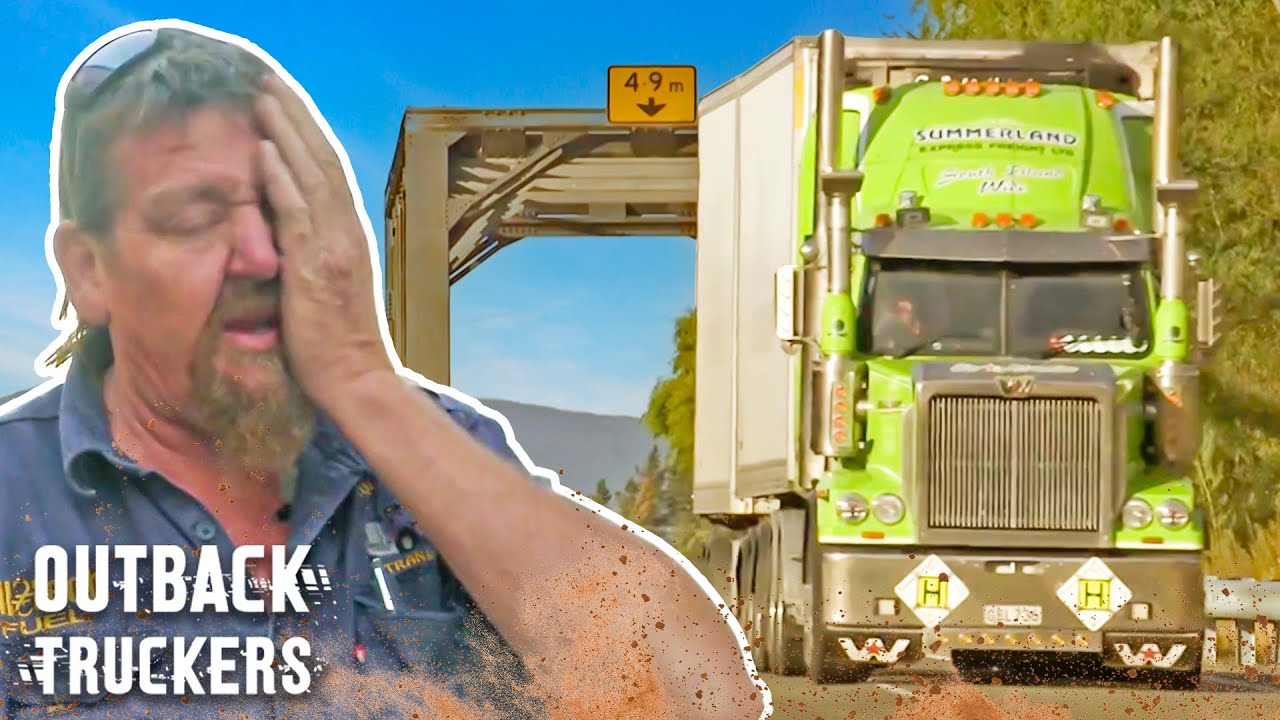
The Outback Truckers episode follows veteran driver Sludge on a high‑stakes working holiday through New Zealand, delivering $90,000 of nectarines under time and temperature pressure. This run highlights everything from one‑lane bridges and earthquake‑scarred coastal roads to on‑the‑spot mechanical fixes — and the practical implications of the chain of responsibility; CoR in freight operations.
Table of Contents
- The mission: fresh fruit, tight deadlines
- Road hazards that make this run brutal
- Mechanical emergencies: fridge fault and stuck brakes
- Logistics and timing: the Cook Strait ferry crunch
- Safety, accountability and the chain of responsibility
- Conclusion
- FAQ
The mission: fresh fruit, tight deadlines
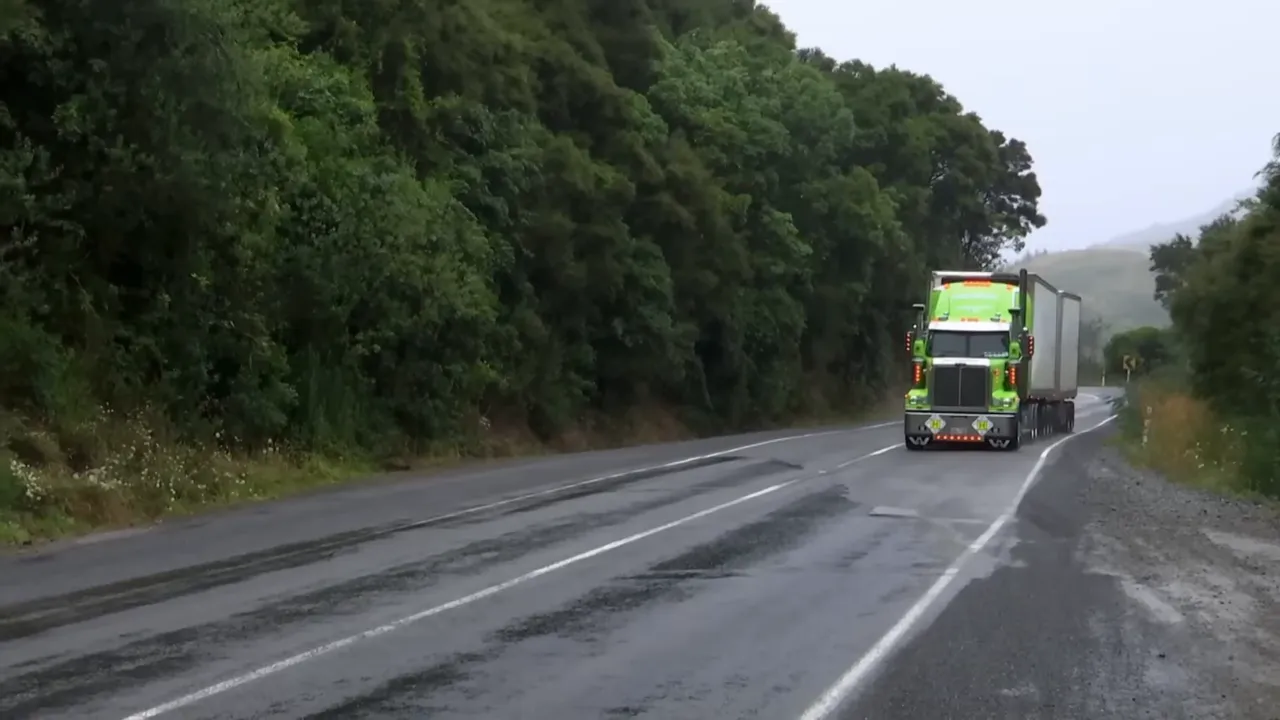
Sludge has two days and strict refrigeration limits (1–3°C) to move the fruit across two islands and 1,500 kilometres. “If the fridges get too hot or sludge misses his deadline, his expensive cargo will be wasted,” the footage explains — a good reminder that temperature‑sensitive freight needs constant monitoring and contingency plans.
Road hazards that make this run brutal
- Narrow mountain roads: tight corners and steep drops demand slow, skilled driving. “Make a mistake on these treacherous mountain roads, and it's goodbye to truck, load and driver.”
- One‑lane bridges and town bottlenecks: bridges in Blenheim barely fit a truck and a car side‑by‑side.
- Earthquake damage: the 2016 quake left coastal roads washed away and banks shored up with containers.
- Weather and roadworks: heavy rain, wind and frequent maintenance slow progress and risk wheelspin on wet climbs.

Mechanical emergencies: fridge fault and stuck brakes
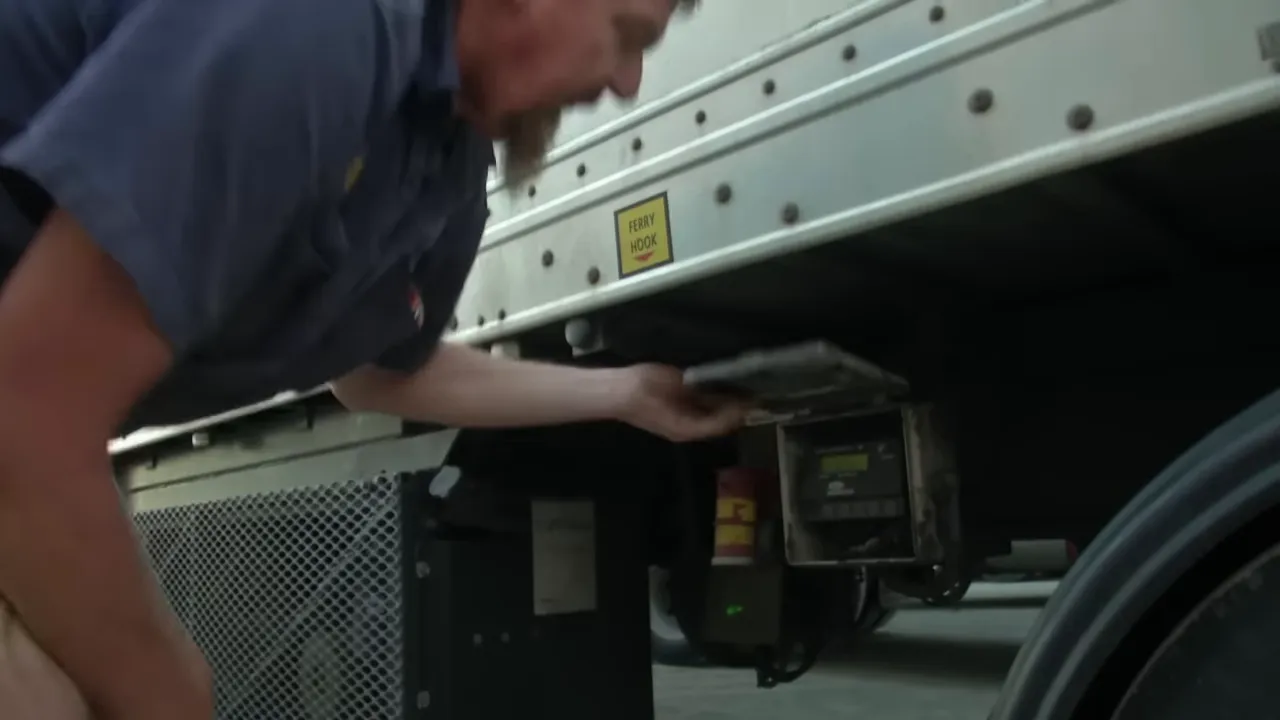
Mid‑journey Sludge finds the reefers creeping to 8°C and a "no oil" warning. A quick reset gets the unit back to temperature, showing how roadside checks and good comms with base can save a load. Later, a locked trailer wheel threatens to ruin an unloading slot; local truckie Ricky Rogers helps free the booster so the run can continue.
Logistics and timing: the Cook Strait ferry crunch
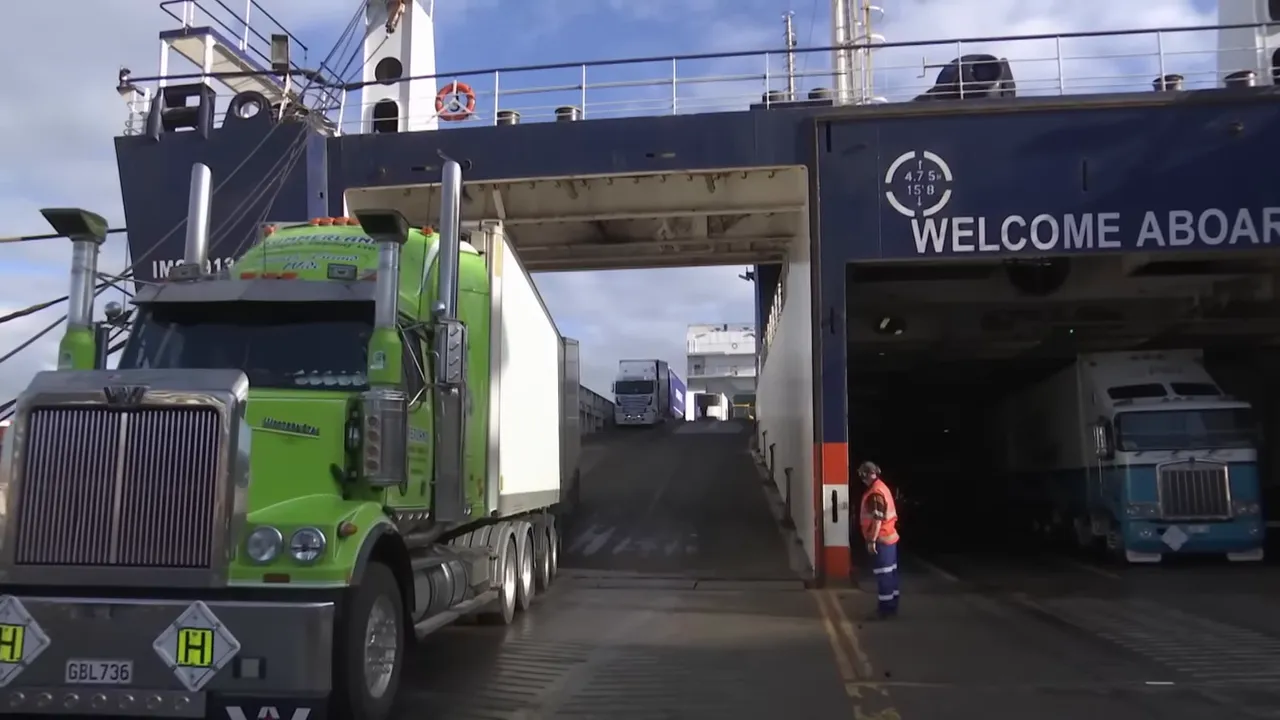
Missing a ferry can mean hours lost or an overnight lay‑up. Sludge squeezes onto the last available slot, proving the value of flexible planning and staying on the phone with operators when plans go sideways.
Safety, accountability and the chain of responsibility
This trip is a clear case study in why a robust chain of responsibility; CoR matters. From the consignor (who specifies refrigeration), the loader (who secures soft pallets), to the driver (who monitors temperature and vehicle condition) — everyone has duties to prevent loss or harm. The video shows practical CoR actions:
- Secure load properly to prevent movement on winding roads.
- Monitor and log temperatures during transit.
- Communicate promptly with dispatch and maintenance for faults.
Conclusion
After wheelspin, fridge alarms, a ferry sprint and brake repairs, Sludge delivers the nectarines intact. It’s a reminder that experience, teamwork and clear responsibilities — the principles behind chain of responsibility; CoR — keep complex supply chains moving even when the roads are no joke.
Original video: Outback Truckers.
FAQ
Q: What temperature did the nectarines need to be kept at?
A: Between 1°C and 3°C. Sludge caught a fridge issue when it rose to 8°C and reset the unit to avoid spoilage.
Q: How did Sludge handle the ferry timing risk?
A: He kept pressure on dispatch and ferry operators, took the last available spot and accepted that planning for backups (next sailings, lay‑up costs) is essential.
Q: How does the trip illustrate the chain of responsibility?
A: It shows multiple parties (driver, loader, consignor, dispatch) acting to secure load, maintain temperature and respond to faults — all key elements of the chain of responsibility; CoR.
Q: What should operators learn from this run?
A: Prioritise load restraint, maintain clear communications, plan for transport contingencies and ensure everyone understands their role in the chain of responsibility; CoR.
This article was created from content published by https://www.nhvr.gov.au/. Visit the site for latest and current information.


