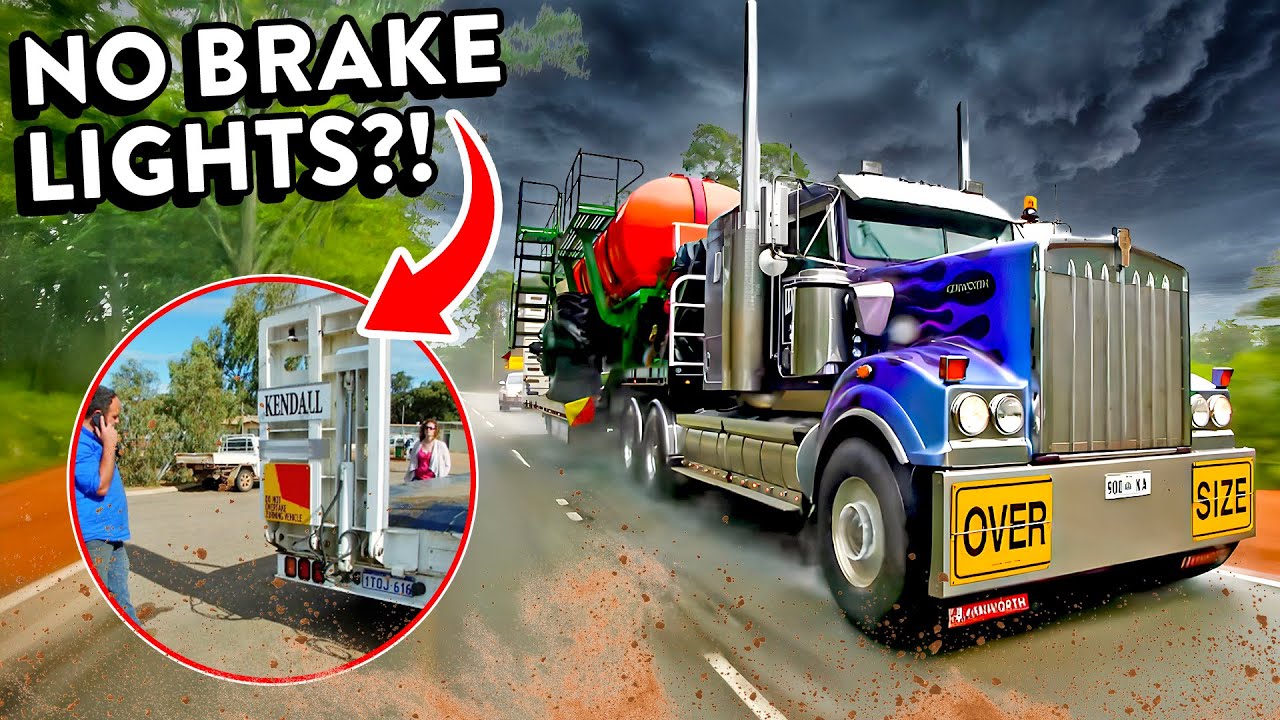
The Outback Truckers episode that follows Glenn “Yogi” Kendall’s 330-kilometre round trip to the Daurin Farming Exhibition is more than a tense transport story — it’s a practical case study in responsibility, risk management and tight margins. In this article we break down the job, the faults, the human factors and what the chain of responsibility; CoR means for small operators who can’t afford mistakes.
Table of Contents
- The job: from Katanning to Daurin
- Mechanical failure and on-the-spot fixes
- Pilot, partnership and navigating hazards
- Timing, business risk and why every minute matters
- Safety and chain of responsibility; CoR — what operators must know
- Delivery and lessons learned
- FAQ
- Conclusion
The job: from Katanning to Daurin
Yogi, a third-generation trucker just starting a family-run business with his wife Amanda, is contracted to deliver several high-value agricultural machines to a major field day. One of the loads is a brand-new cedar worth more than $330,000 and every centimetre of damage would be unacceptable.
Mechanical failure and on-the-spot fixes
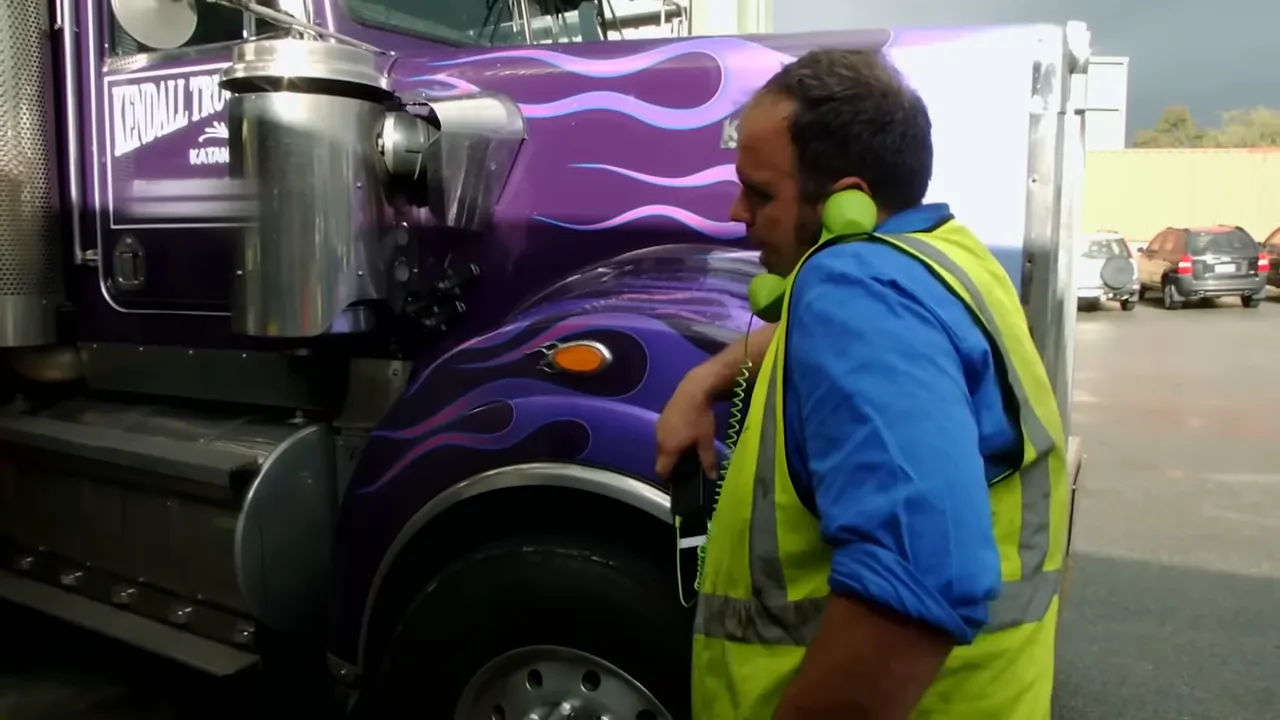
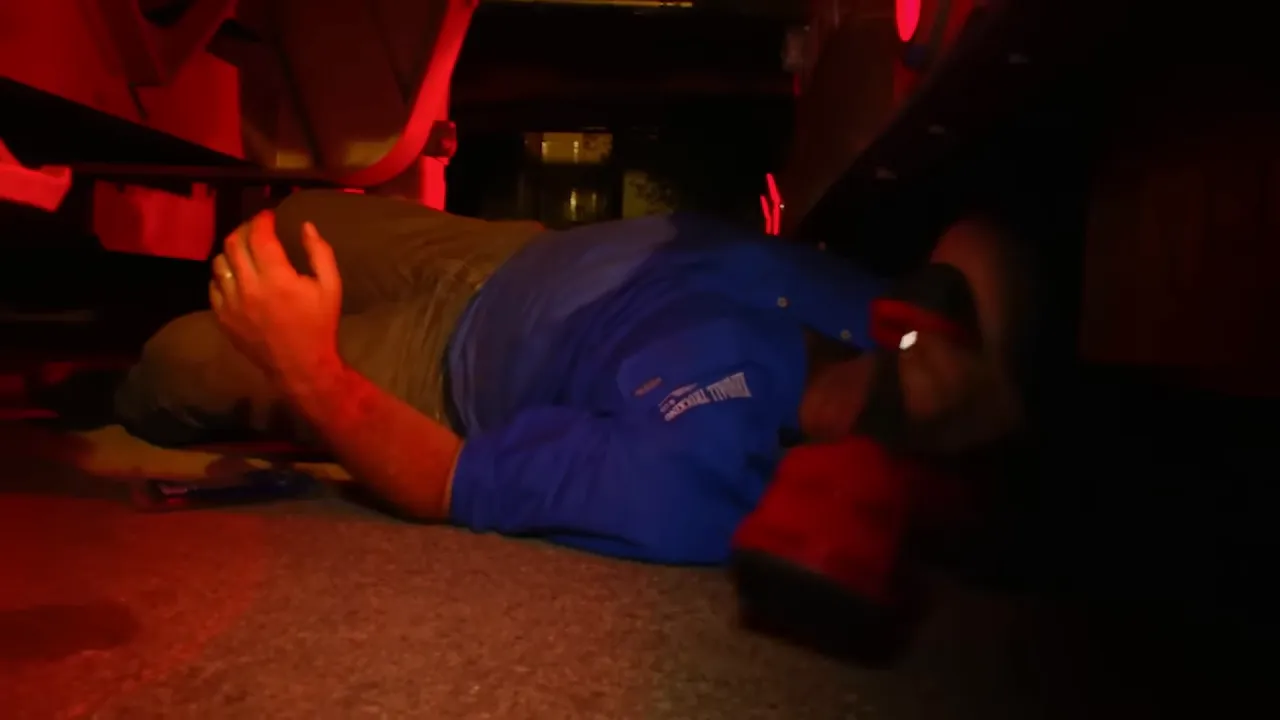
Shortly after loading, Yogi discovers his trailer has no brake lights — a fault that risks fines, safety and the entire delivery schedule. With the mechanic unavailable until the next day, he improvises a temporary wiring fix, then keeps searching for the root cause through the night.
The ultimate goal for me with everything I do is no damage.
Pilot, partnership and navigating hazards
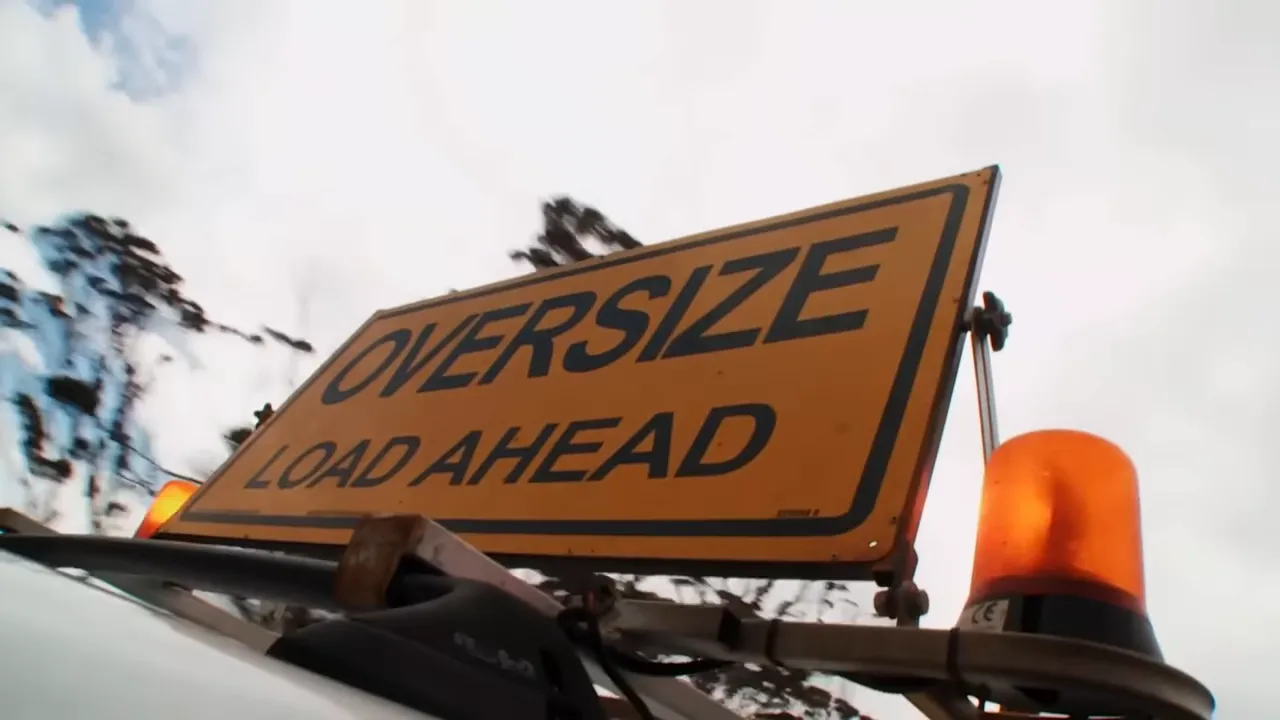
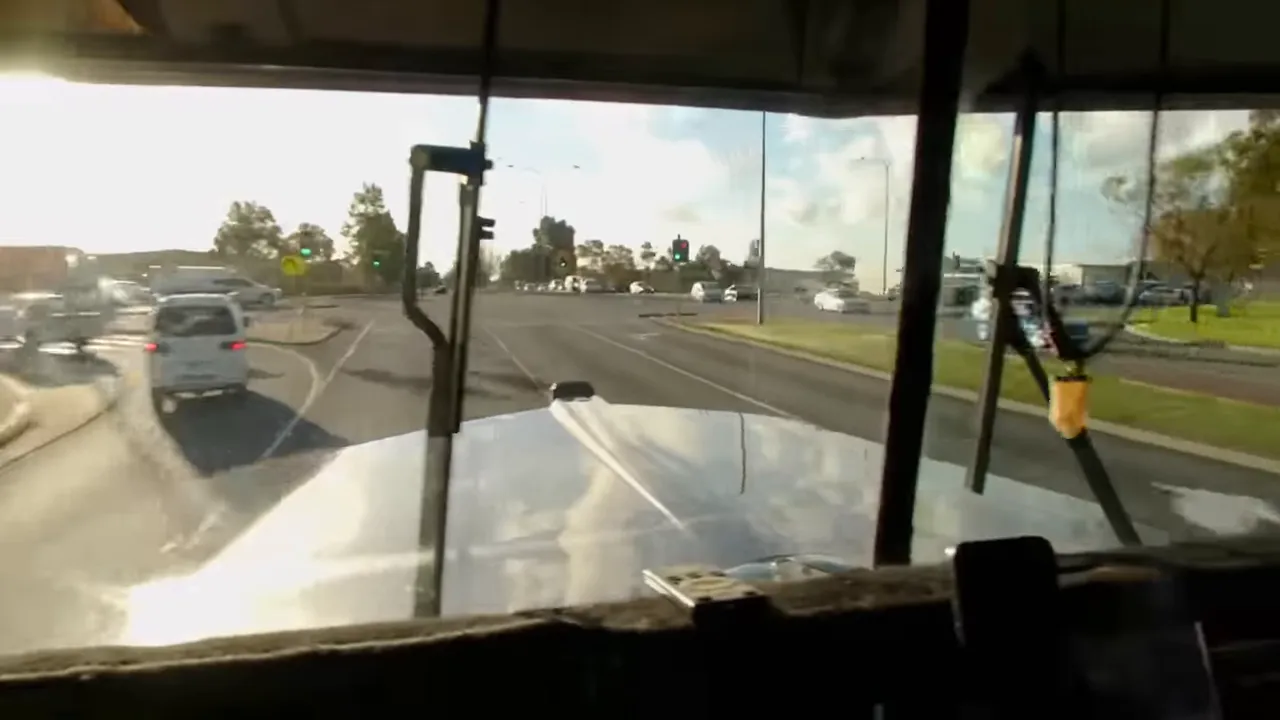
Amanda acts as pilot vehicle and co-operator on tight country roads, watching for trees, narrow bridges and oncoming traffic. Their teamwork is central: Amanda clears the way, communicates hazards and helps manoeuvre wide loads through roadworks and one-lane blocks.
Timing, business risk and why every minute matters
For a new small operator, delays translate to lost contracts and cash flow problems. Yogi’s temporary repair, late loads and a race against yard closing times show how mechanical issues quickly become commercial issues. A single missed booking could hand revenue to a competitor.
Safety and chain of responsibility; CoR — what operators must know
In heavy haulage the legal and ethical obligations are shared. Understanding the chain of responsibility; CoR means recognising that consignors, loaders, drivers and operators all have duties to ensure loads are fit for travel, vehicles are roadworthy and risks are managed.
Key takeaways for CoR compliance in jobs like Yogi’s:
- Pre-trip checks: inspect lights, wiring and restraints before departure.
- Document fixes: temporary repairs should be recorded and followed up by qualified tradespeople.
- Communication: keep customers and receiving sites informed of delays and remediation plans.
- Use competent pilots: pilot vehicles (and their operators) are part of the safety chain.
Every step in the job contributes to the chain of responsibility; CoR. For small fleets, demonstrating a systematic approach — even when improvising — reduces legal exposure and protects reputation.
Delivery and lessons learned
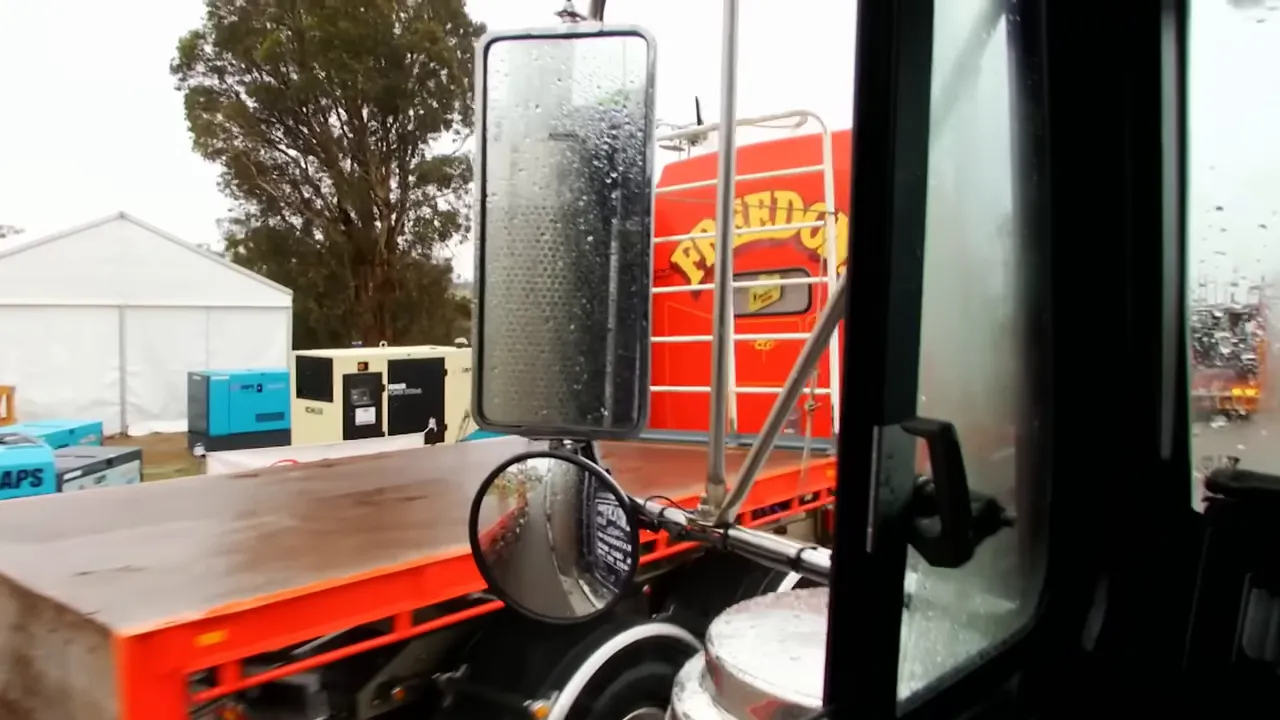
Despite heavy rain, tight roads and a late-night electrical fault hunt, Yogi delivered three machines — including the $330,000 cedar — without scratch and on time for the field day. The episode highlights resilience, the value of experience and the reality that compliance and safety are continuous, practical tasks, not one-off checks.
FAQ
Q: What should a driver do if brake lights fail on a long haul?
A: Stop where safe, assess the fault, contact your operator and arrange a repair or approved temporary measure. Record actions taken and next steps to maintain compliance with the chain of responsibility; CoR.
Q: Are temporary fixes acceptable under CoR?
A: Temporary fixes can be permitted if they are safe, documented and followed up promptly by qualified repairs. The requirements of the chain of responsibility; CoR mean you must be able to show due diligence.
Q: How important is the pilot vehicle?
A: Critical. Pilots manage traffic, warn oncoming vehicles and reduce incident risk on narrow roads — an essential element in the chain of responsibility; CoR for oversized loads.
Conclusion
Yogi’s story is a practical reminder that heavy haulage is as much about management and judgment as it is about driving skill. For operators, following a clear approach to safety, documentation and communication is how you keep loads moving and meet your obligations under the chain of responsibility; CoR.
Original footage and full episode courtesy of Outback Truckers — watch the full clip above to ride along with Yogi and Amanda on this nail-biting delivery.
This article was created from content published by https://www.nhvr.gov.au/. Visit the site for latest and current information.


