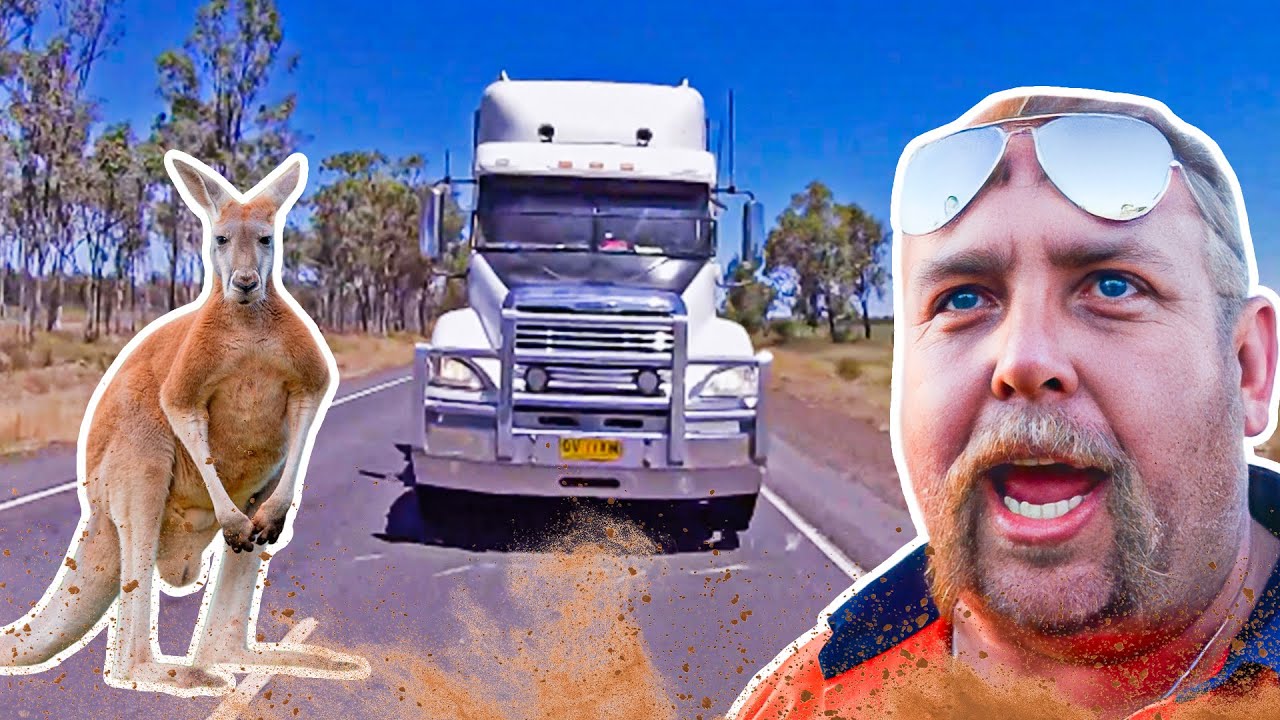
Outback Truckers’ latest episode follows Brisbane driver “Turbo” as he tests a brand-new $90,000 prime mover on a punishing 3,000-kilometre run from Sydney to Normanton. What begins as a fresh start quickly becomes a make-or-break saga of stolen trailers, improvised loading, a kangaroo strike and roadside compliance checks. This article breaks down the action, highlights the practical lessons for owner‑drivers and fleets, and explains how the chain of responsibility; CoR plays into the decisions Turbo had to make under pressure.
Table of Contents
- Episode snapshot
- The stakes: business survival on the line
- Loading without ramps — improvisation under pressure
- Hazards on the highway: traffic, caravans and wildlife
- Compliance and fatigue — police checks and rest requirements
- Delicate container loading — another test
- Delivery, relief and takeaways
- Key lessons for owner‑drivers and operators
- FAQ
- Credits
Episode snapshot
The episode packs four intense days into a single haul: pick up a 22‑ton loader, collect an 8‑ton container, and deliver both to remote Queensland. Turbo’s business has been dormant for 12 weeks after a major breakdown. With finances stretched and two trailers stolen, every minute on the road counts — and one costly mistake could end his company.
The stakes: business survival on the line
Turbo had to borrow heavily to buy the prime mover and was already nursing the fallout from the previous rig. When his trailers were stolen (valued around $40,000), he had to hire replacements at short notice. The hire company’s policy — four weeks’ payment in advance for new customers — almost cost him the job. Faced with bankruptcy, Turbo accepted a drop‑deck trailer that came without ramps and chose to proceed.
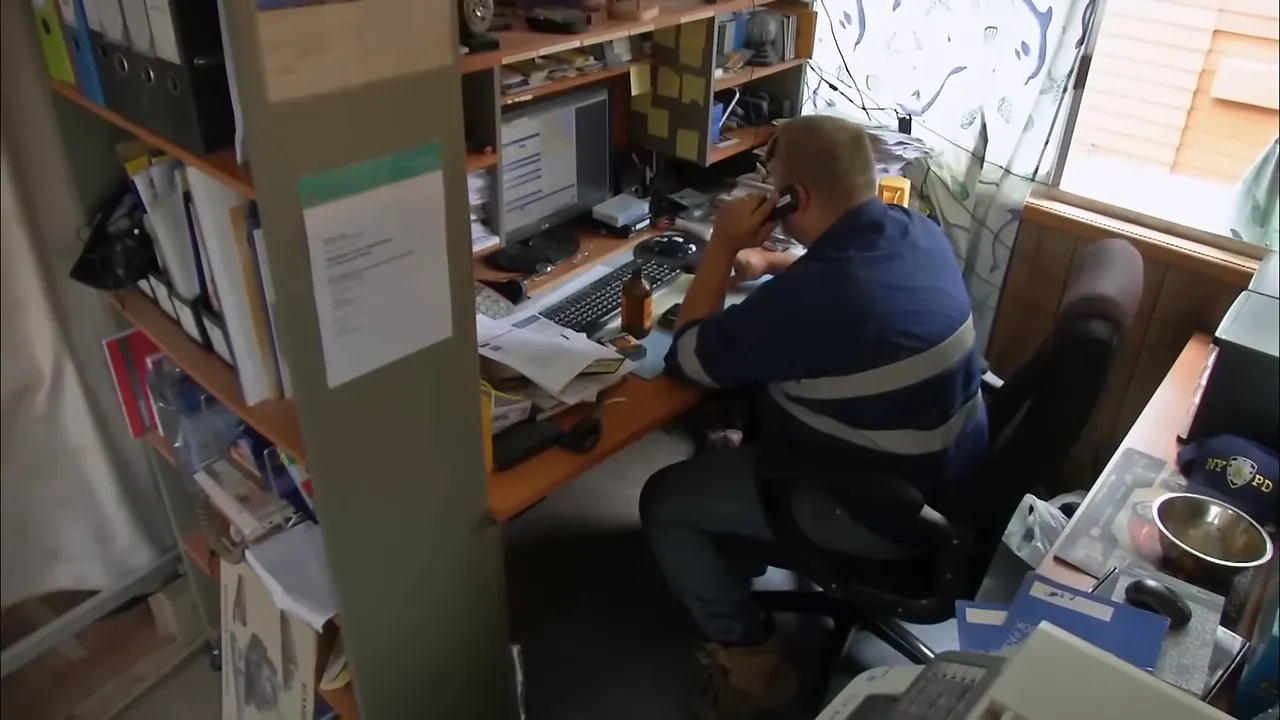
What drove the decision?
- Immediate cashflow pressure and the need to secure a critical contract.
- Limited local stock of specialised trailers (drop deck with rams/ramps).
- Risk calculus: proceed with improvised loading or lose multiple contracts.
Loading without ramps — improvisation under pressure
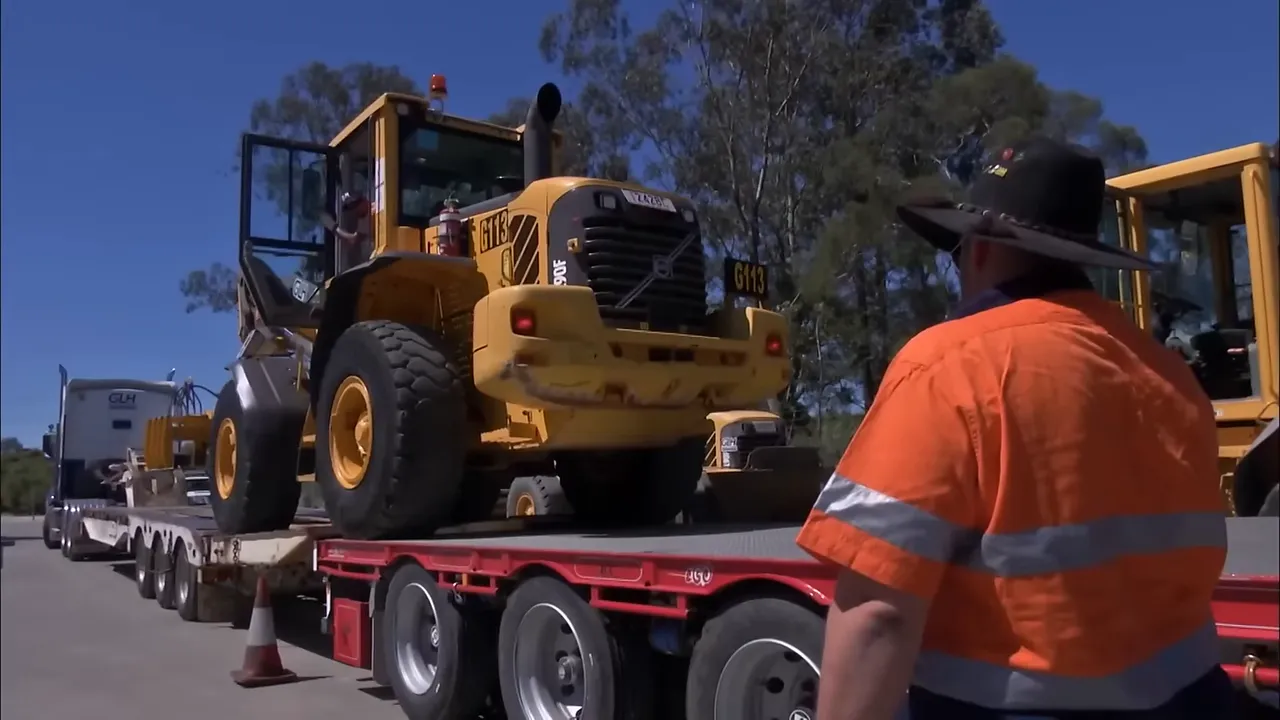
To load the 22‑tonne loader onto a rampless drop‑deck, Turbo coordinated with another truck to drive the machine off its platform. It was a high‑risk manoeuvre: one misjudgement would have left him delivering scrap and facing massive loss. The loader was successfully transferred, but the workaround highlights a recurring theme — operating on the margins of accepted practice when commercial survival is at stake.
Hazards on the highway: traffic, caravans and wildlife
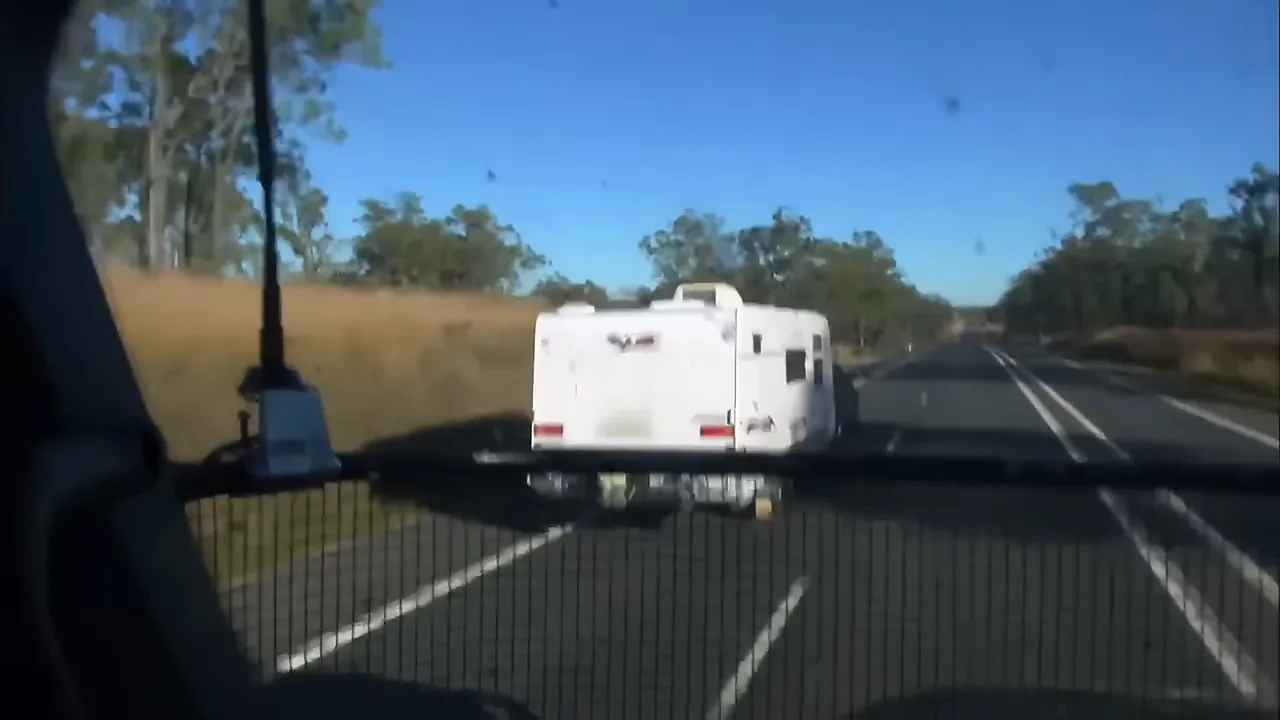
Turbo’s route took him through peak city traffic, slow caravans and hundreds of kilometres of empty Outback roads. He battled driver impatience and erratic overtakers, then collided with a 50kg adult kangaroo at speed — damaging the front grill and step of the new truck. Wildlife strikes are a constant risk in remote Australia and can be financially devastating for a driver already stretched thin.
Compliance and fatigue — police checks and rest requirements
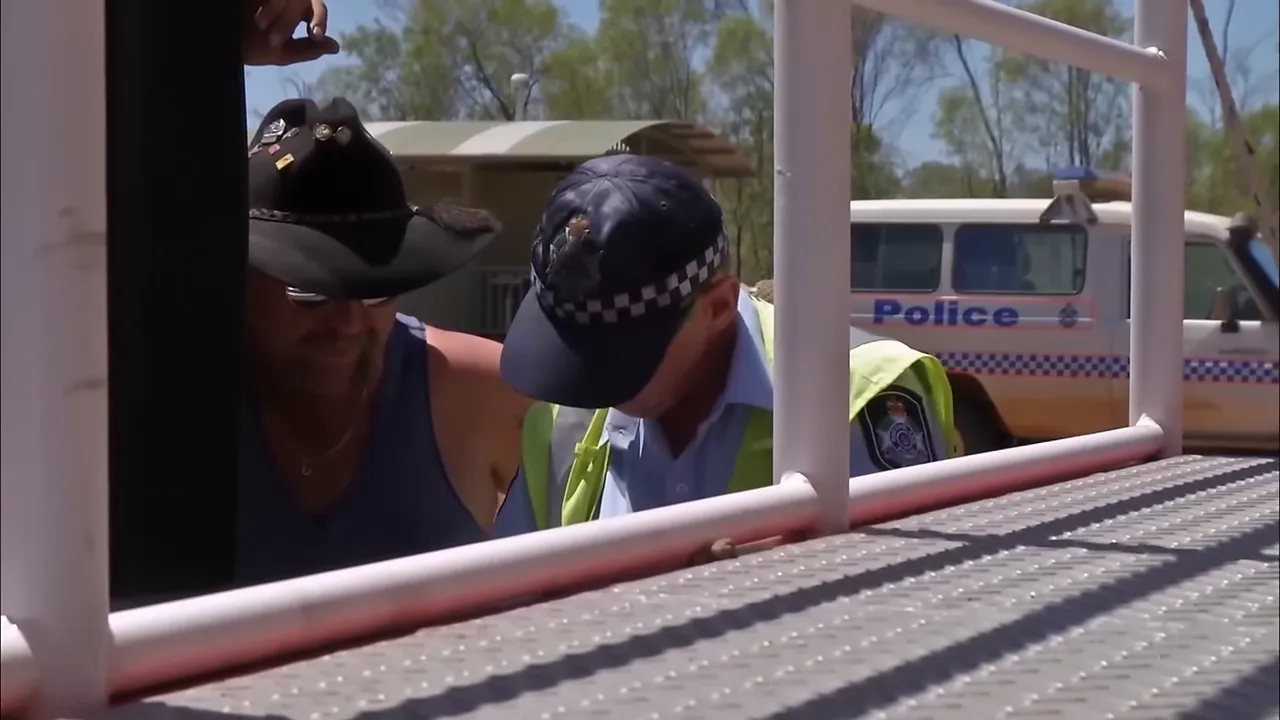
Late in the run Turbo was stopped by local compliance officers checking drive time and rest breaks. Fatigue risk is an operational reality: Turbo admitted he’d become accustomed to sleeping at home during his weeks off and that the first day back was especially tiring. These checks underscore the overlap between safety, law and commercial pressure — and why the chain of responsibility; CoR matters for every party in a transport task.
Why chain of responsibility; CoR matters here
The chain of responsibility; CoR allocates legal duties across the chain — consignors, loaders, schedulers, and drivers — so that safety and compliance can’t be offloaded onto the driver alone. Turbo’s choices (accepting a rampless trailer, improvised loading, tight delivery windows) were influenced by commercial constraints, but under the chain of responsibility; CoR those choices also create obligations for customers and brokers to ensure safe conditions. In other words, CoR is central to preventing scenarios where drivers must choose between income and safety.
Delicate container loading — another test
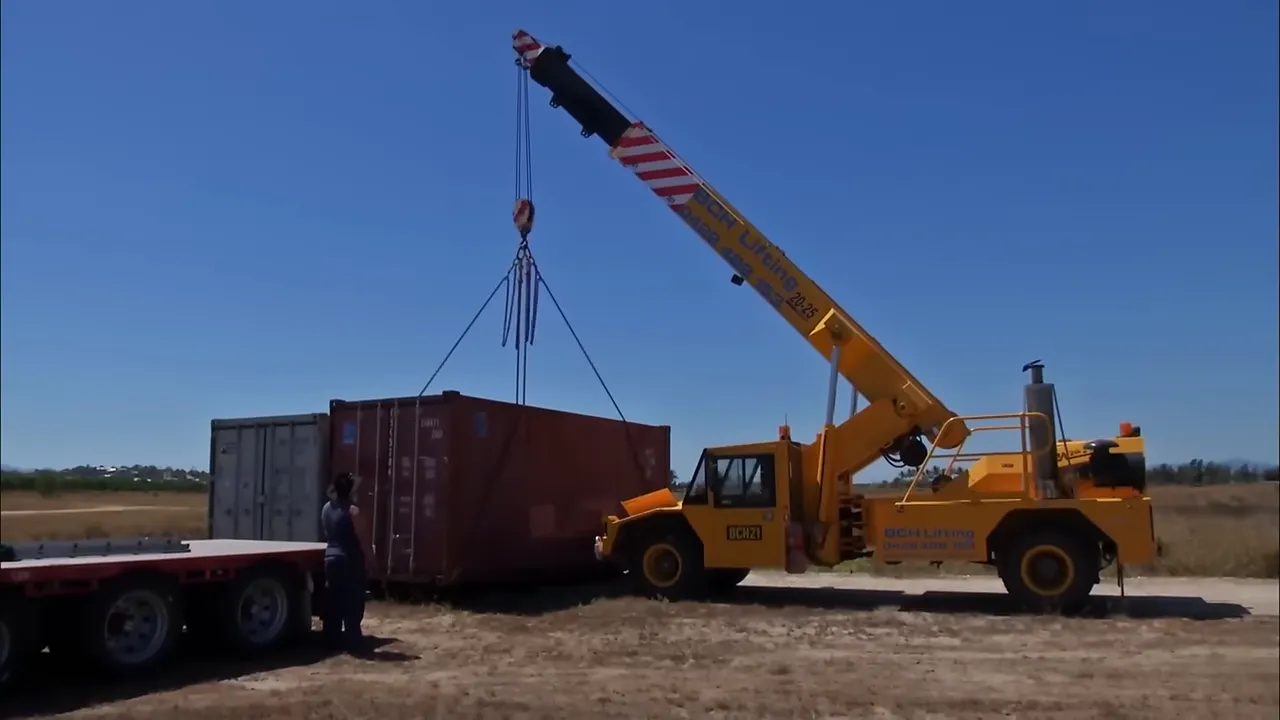
At Bowen Turbo collected an eight‑ton container that had been sitting three months. The load was badly balanced and required careful guidance during lift and placement. With an inexperienced or rushed crane operator, a slip could have damaged the $40,000 hired trailer and its cargo — a cost Turbo could not absorb.
Delivery, relief and takeaways
After 3,000km Turbo delivered the loads and, despite damage and debt, salvaged his business. The episode ends on a high note — Turbo is ready to re‑enter the market — but his story is a cautionary tale about how commercial pressure, operational improvisation and roadside hazards interact.
Key lessons for owner‑drivers and operators
- Plan for contingencies: stolen equipment, hire terms and cash requirements can derail a run faster than mechanical failure.
- Maintain safe loading practices: avoid improvisation where possible — and if you must improvise, document the conditions and get customer sign‑off (the chain of responsibility; CoR requires clear responsibilities).
- Respect fatigue management: enforcement is real and fatigue kills; rest breaks protect you and other road users.
- Wildlife mitigation: reduce speed at dusk/dawn, use high‑beam where legal, and plan for emergency repairs.
- Know your rights and obligations under the chain of responsibility; CoR so you aren’t left carrying legal or commercial risk alone.
FAQ
Q: What is the chain of responsibility; CoR and why should drivers care?
The chain of responsibility; CoR is a legal framework that shares duty for safe transport practices across the supply chain — not just the driver. Drivers should care because CoR affects loading practices, scheduling, and who is liable if something goes wrong.
Q: Can a driver legally accept a hire trailer that lacks ramps?
It depends. Accepting non‑standard equipment exposes the driver and hirer to risk. Under chain of responsibility; CoR, consignors and hire companies may bear responsibility if the trailer is unsuitable for the task. Always document the condition and obtain written instructions or approvals before proceeding.
Q: What immediate steps should a driver take after a wildlife strike?
Pull over safely, assess damage, take photos, notify the operator/insurer, and record the incident details. If the vehicle’s safe operation is compromised, do not continue until repairs are completed.
Q: How can small operators protect themselves financially from events like trailer theft?
Maintain adequate insurance, set aside contingency funds, use reputable hire companies with clear payment terms, and build contractual protections that reflect the chain of responsibility; CoR obligations of other parties.
Q: Where can I learn more about CoR and safety obligations?
Refer to national heavy vehicle regulators, industry guidance and local enforcement agencies for official resources on the chain of responsibility; CoR and fatigue management.
Credits
This article summarises and expands on the Outback Truckers episode “Trucker's Nightmare! Kangaroo Ruins Brand New $90,000 Rig in Seconds.” Watch the full video for the raw footage and first‑hand audio of Turbo’s run — and subscribe to Outback Truckers for more real‑world trucking stories.
This article was created from content published by https://www.nhvr.gov.au/. Visit the site for latest and current information.


