When dealing with unfair transport contracts and related employment issues, it’s important to understand how unfair dismissal claims operate within the legal framework. The Fair Work Commission serves as a vital tribunal in resolving disputes around unfair dismissal, ensuring fairness and impartiality for both employees and employers. This article will guide you through the process of lodging a claim, conciliation, and what happens if the matter proceeds to a formal hearing or conference.
Table of Contents
- What is the Fair Work Commission?
- Starting an Unfair Dismissal Claim
- The Role of Conciliation
- Hearings and Conferences: Preparing Your Case
- Conclusion
- Frequently Asked Questions (FAQ)
What is the Fair Work Commission?
The Fair Work Commission is a tribunal that handles unfair dismissal claims. Think of it as a court where evidence is presented and judged to determine whether a dismissal was harsh, unjust, or unreasonable. It’s important to note that the Commission does not investigate dismissals on its own or prosecute employers; instead, it considers only the cases and evidence formally brought before it.
The Commission operates with complete impartiality and does not take sides. Staff members are unable to provide legal advice to either party regarding the preparation or conduct of their case. However, in some states, a duty lawyer scheme may be available to provide advice on certain matters. It’s worth checking with the unfair dismissal team to see if this service is offered in your location.
Starting an Unfair Dismissal Claim
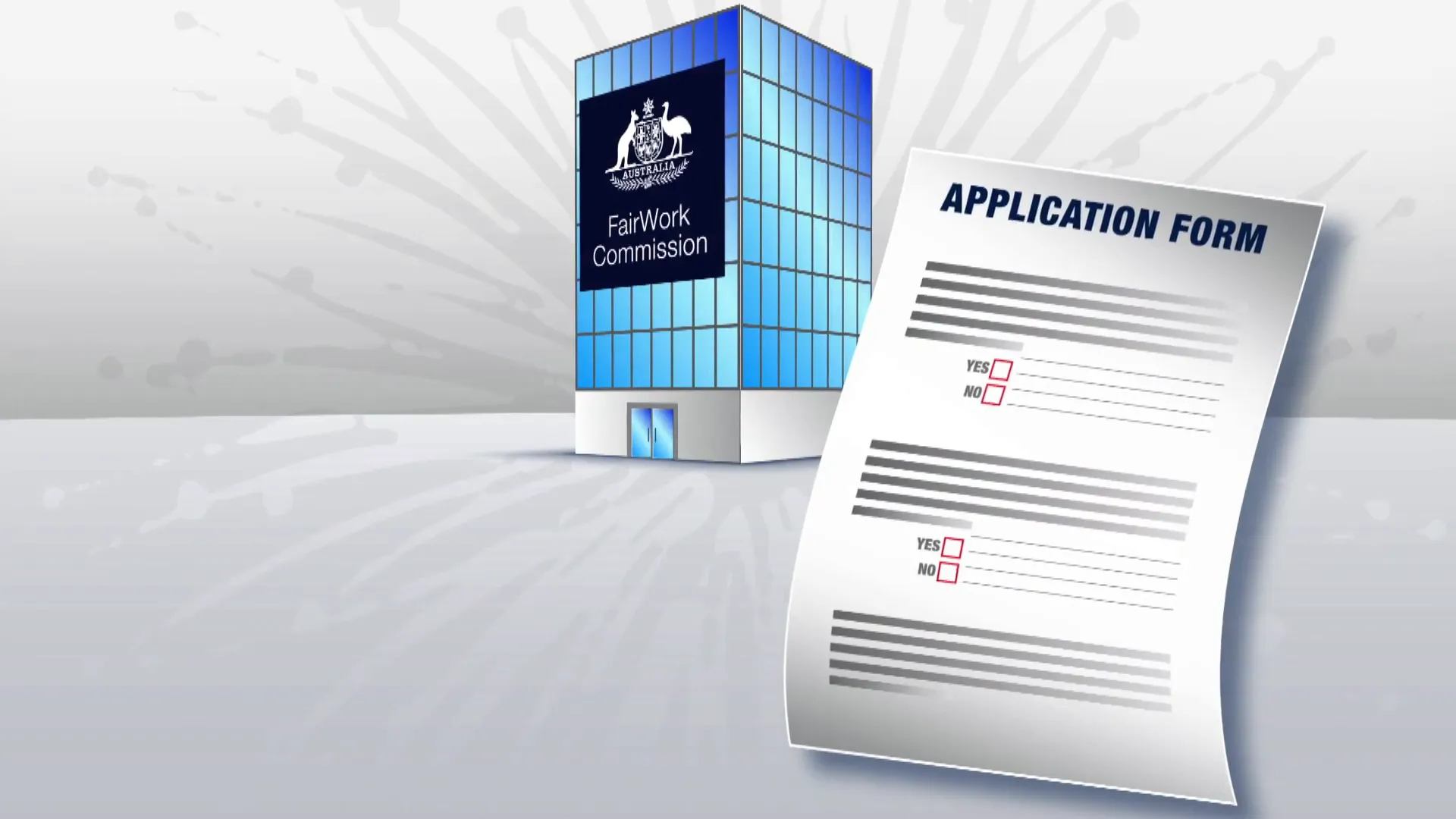
If you believe you have been unfairly dismissed, the first step is to lodge an application form with the Commission. This form must be fully completed and signed, with all questions answered to ensure the application is valid. Detailed guidance on how to complete this application is available through resources designed specifically for employees making unfair dismissal claims.
Once the application is lodged, it is forwarded to the employer, who can respond using a designated response form available on the Commission’s website. Employers also have access to resources explaining how to properly complete their response.
The Role of Conciliation
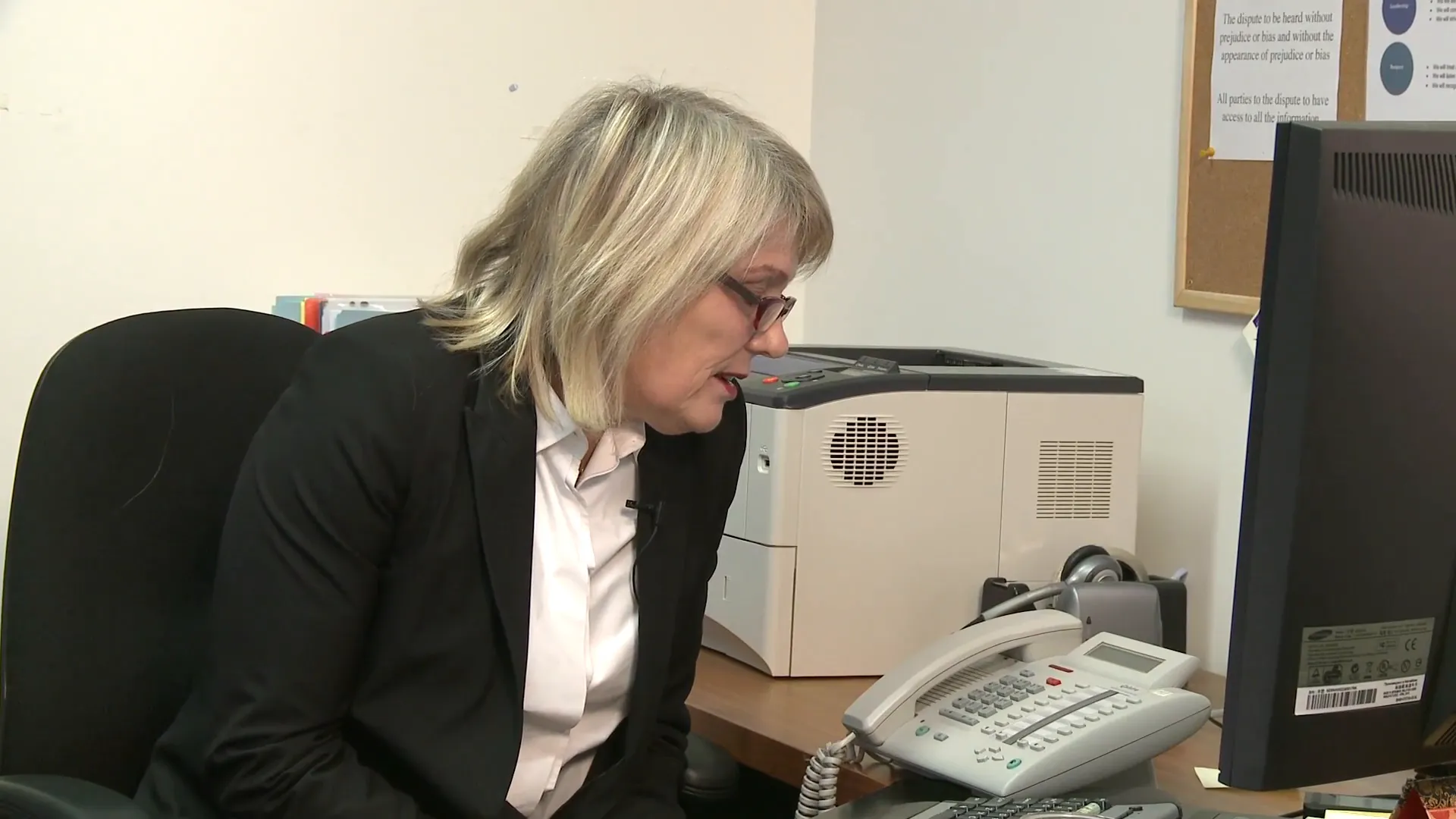
Before a claim proceeds to a hearing, the Fair Work Commission offers both the employee and employer an opportunity to participate in conciliation. This informal process aims to help both parties reach an agreed settlement without the need for a formal conference or hearing.
Conciliation allows parties to negotiate freely and flexibly, which often makes them feel more comfortable and open to resolving the dispute. For unrepresented parties, there is a three-day cooling-off period after conciliation to decide whether to opt out of any agreement reached.
If the dispute cannot be resolved during conciliation, it moves forward to a conference or hearing.
Hearings and Conferences: Preparing Your Case
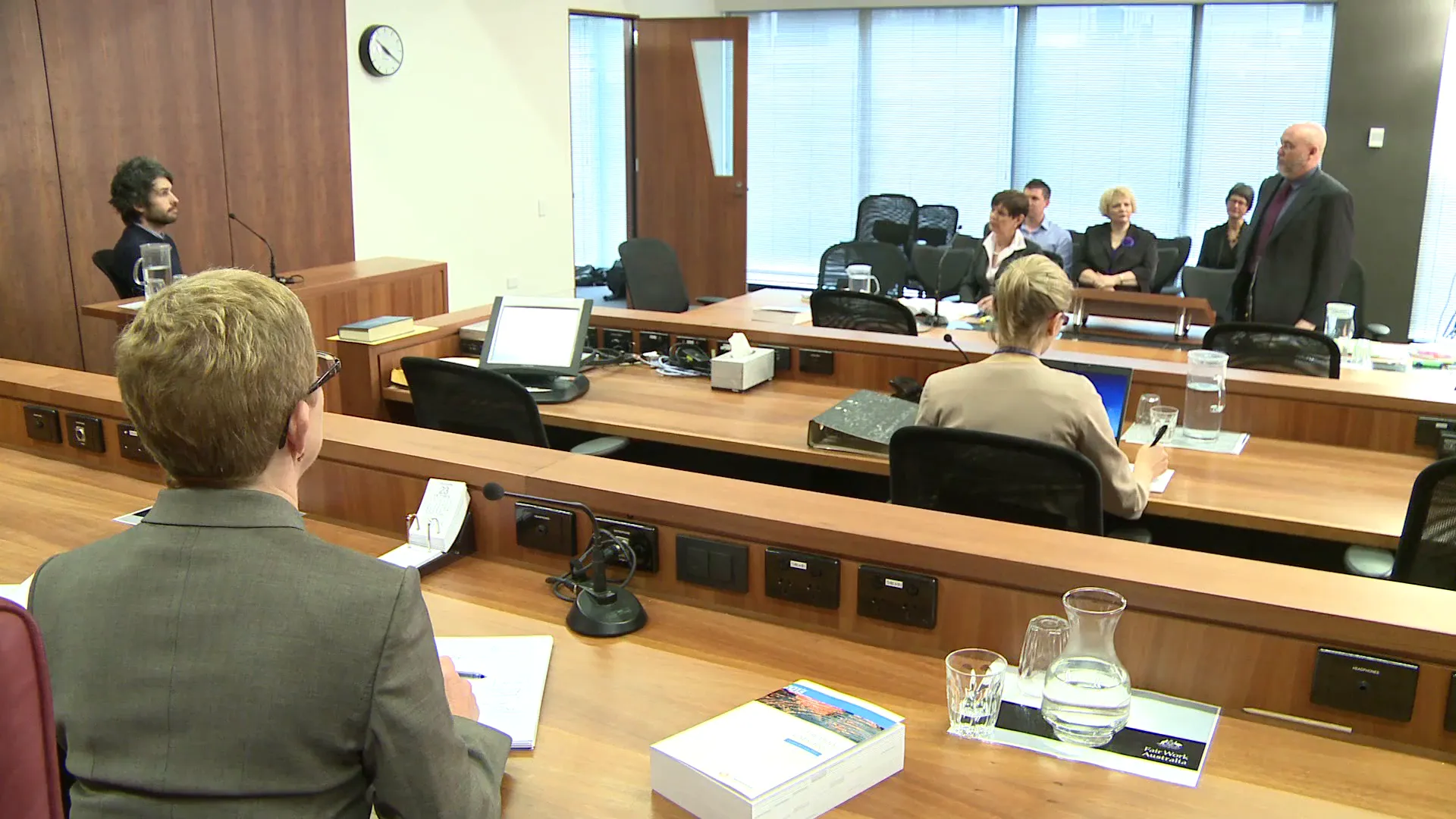
When conciliation does not lead to a settlement, the case is transferred to a case management team that oversees the matter for up to two months before the hearing. Preparation is crucial at this stage and involves lodging witness statements and an outline of the arguments that each party intends to present.
During the hearing or conference, a Commission member listens to the evidence and arguments before issuing a decision on whether the dismissal was unfair. If the dismissal is found to be unfair, the member decides whether the employee should be reinstated or compensated. Conversely, if the dismissal is deemed fair, the application is dismissed.
Conclusion
Understanding the process by which unfair dismissal claims are handled is essential for anyone involved in disputes related to unfair transport contracts or other employment matters. The Fair Work Commission provides a clear, impartial pathway—from lodging an application to conciliation and, if necessary, formal hearings—to ensure fair outcomes for both employees and employers.
Being informed about each step of the process helps parties engage confidently and effectively, whether negotiating a settlement or preparing for a hearing.
Frequently Asked Questions (FAQ)
What is the Fair Work Commission’s role in unfair dismissal claims?
The Commission acts as a tribunal that judges whether a dismissal was harsh, unjust, or unreasonable based on evidence presented by both parties. It does not investigate cases independently or prosecute employers.
Can the Fair Work Commission provide legal advice?
No, the Commission staff cannot offer legal advice to either employees or employers. However, some states offer a duty lawyer scheme that provides advice in certain cases.
What happens if the case cannot be settled at conciliation?
If conciliation fails, the matter proceeds to a formal conference or hearing, where evidence is presented and a decision is made by a Commission member.
How do I start an unfair dismissal claim?
You begin by lodging a fully completed and signed application form with the Fair Work Commission. The employer will then have the opportunity to respond.
What outcomes can result from a hearing or conference?
The Commission member may decide the dismissal was unfair and order reinstatement or compensation, or find the dismissal fair and dismiss the application.
This article was created from the FWC video "Unfair contracts jurisdiction for independent contractors"


