fair-work-commission-employment-law
Table of Contents
- Overview of the hearing process 🧭
- Before the hearing starts 🕰️
- Formalities and courtroom etiquette 🙇
- Opening statements and the order of events 📋
- Witnesses, oath and examining evidence 🗣️
- Exhibits and documents 📑
- Support people and public access 👥
- Closing submissions and decision-making 🏁
- Practical tips before you attend ✍️
- Frequently asked questions ❓
Overview of the hearing process 🧭
If you are preparing for a Fair Work Commission hearing, understanding the steps and the room layout takes the anxiety out of the unknown. This guide explains what to expect, who does what, and how evidence and witnesses are handled under fair-work-commission--employment-law procedures.
Before the hearing starts 🕰️
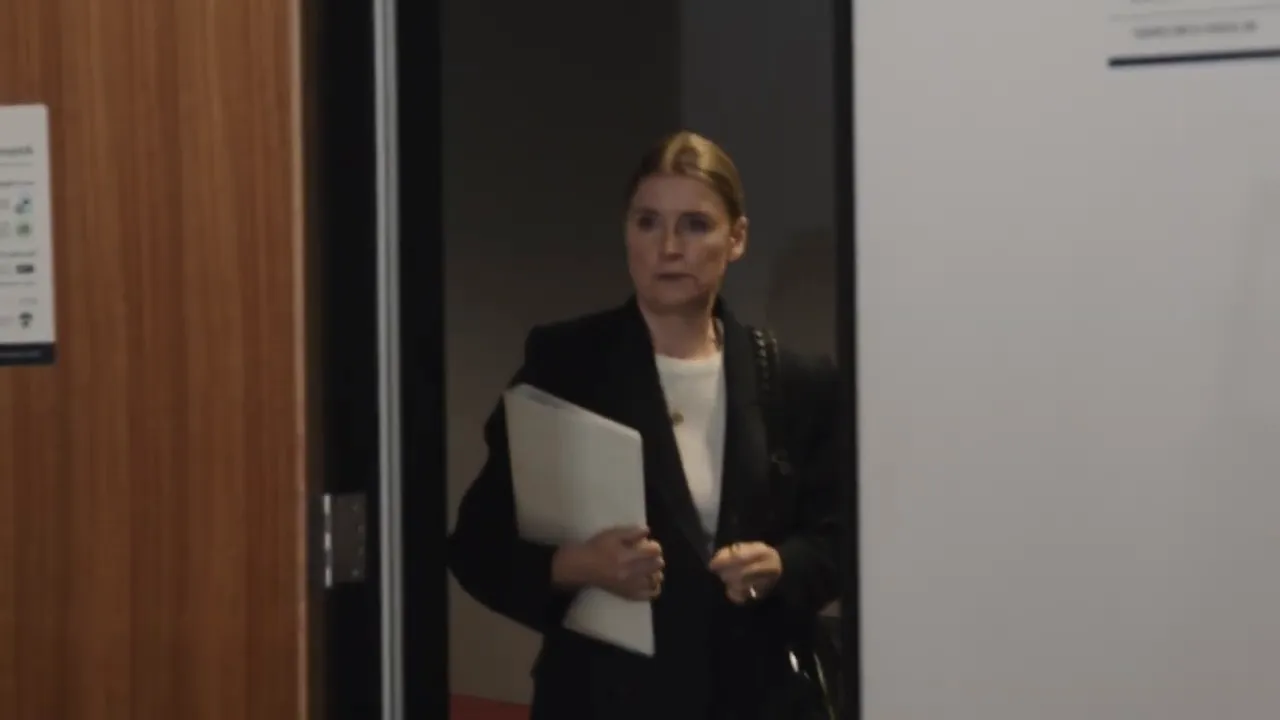
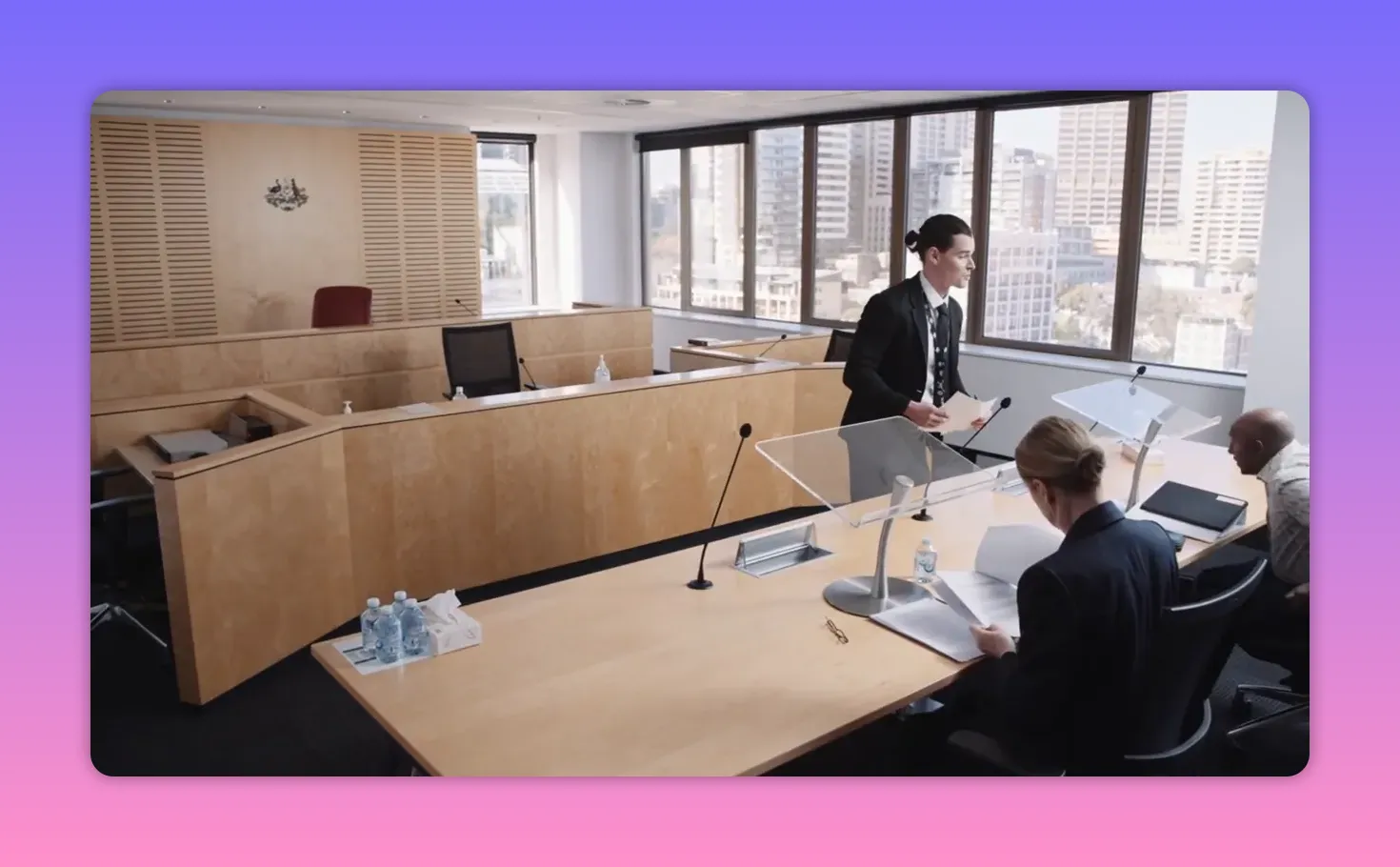
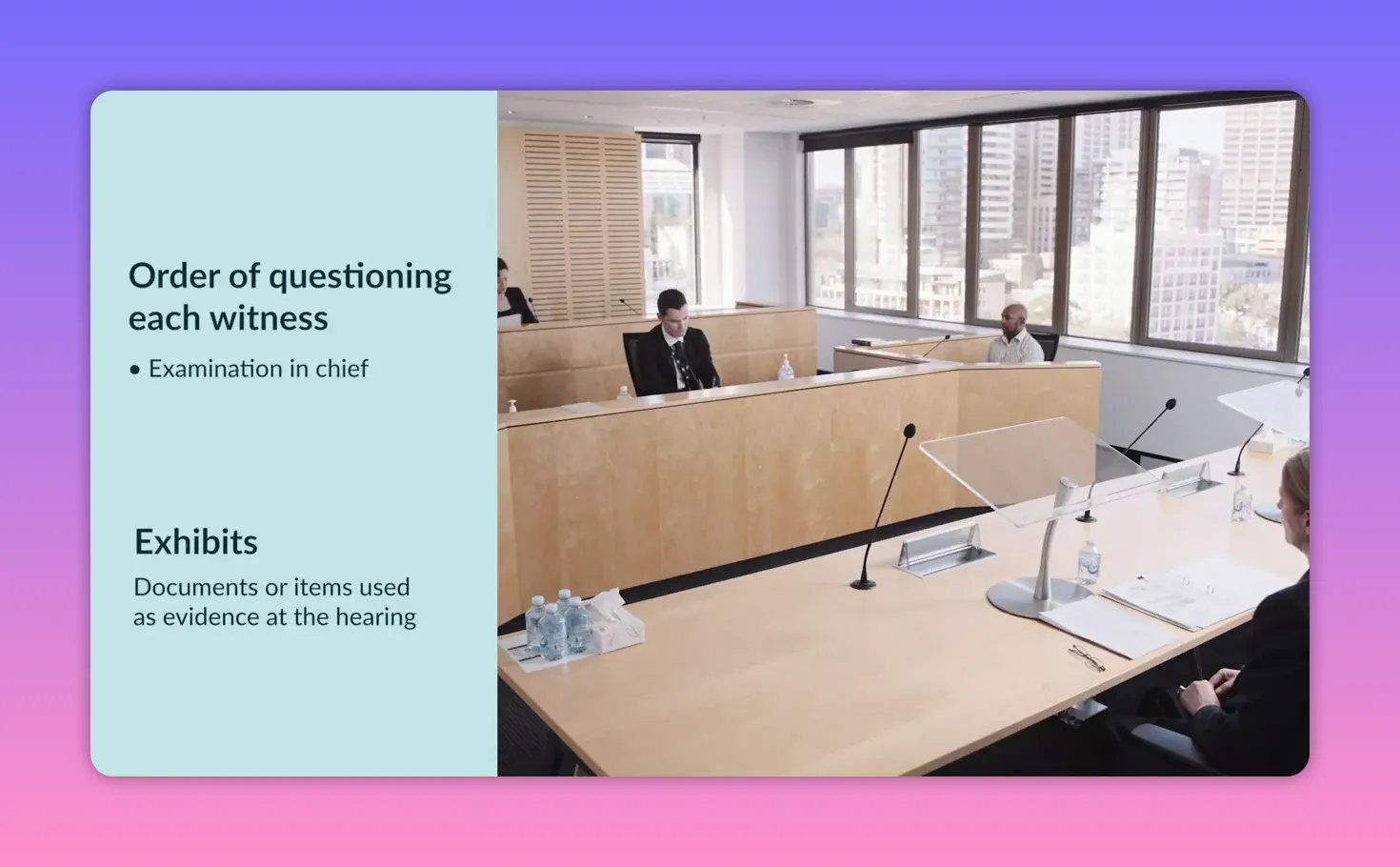
Arrive early and check in with the associate. The associate records names and answers practical questions. That short conversation can clarify where you sit and what to bring. The large table in front of the member is called the bar table — it is where self-represented parties sit.
Formalities and courtroom etiquette 🙇
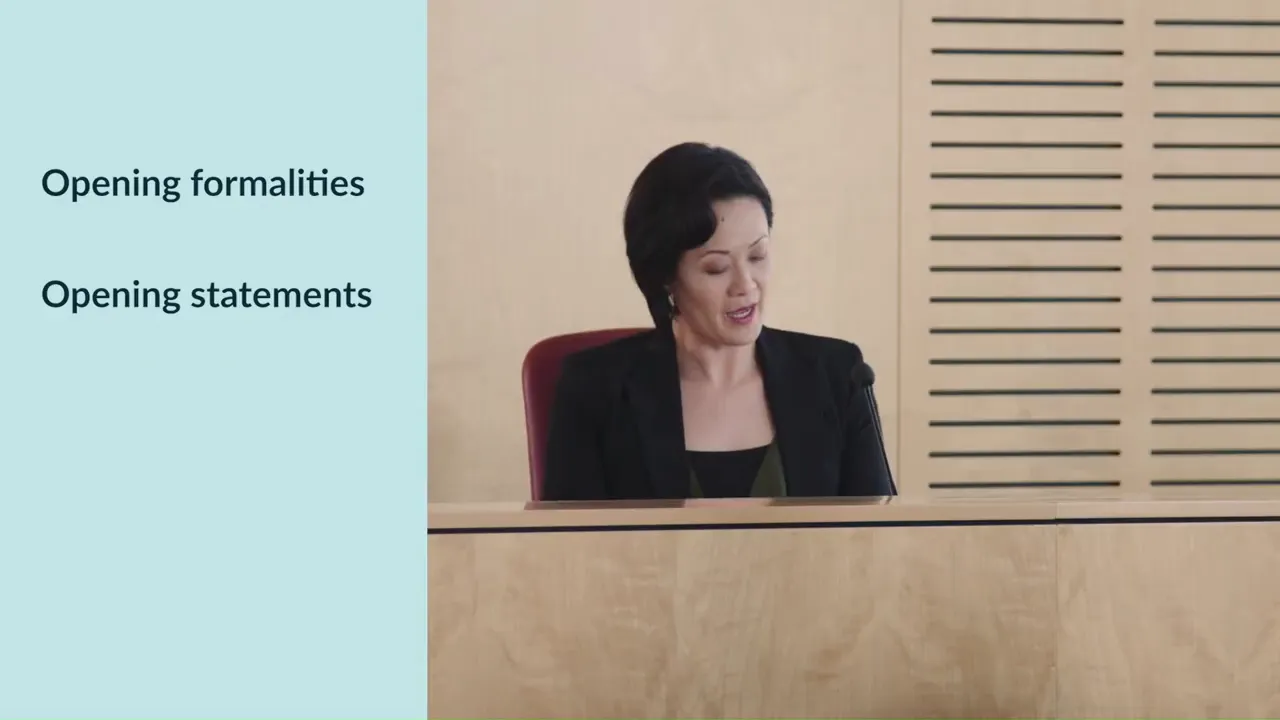
Hearings begin with everyone standing and bowing as the Commission member enters. The member sits at the front and manages the hearing much like a judge. Respectful behaviour matters: be punctual, listen carefully, and speak only when it is your turn.
Opening statements and the order of events 📋
The Commission member outlines the process. Typically:
- The applicant gives a brief opening statement first.
- The respondent follows with their opening statement.
- The evidence stage begins with witnesses and documents.
Witnesses, oath and examining evidence 🗣️
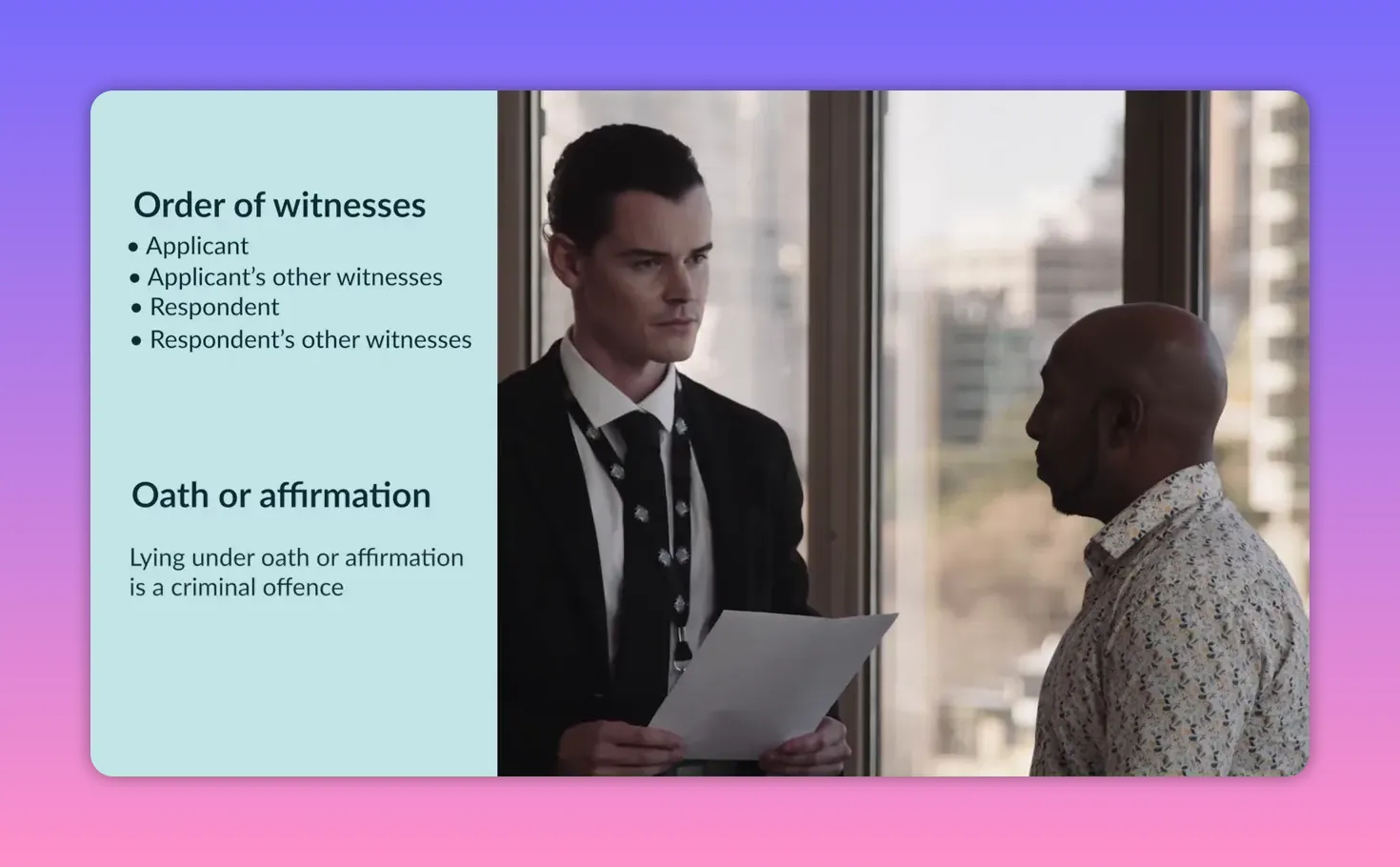
Witnesses promise to tell the truth by reciting an oath or affirmation. Once sworn, a witness sits in the box and the questioning follows a strict order: examination in chief by the party who called them, cross-examination by the other side, and then re-examination if needed.
Exhibits and documents 📑
Written statements and documents are formally marked as exhibits and become part of the evidence the member will consider. Once marked, an exhibit can be relied upon by both parties during submissions.
Support people and public access 👥
A support person may sit behind or beside you to take notes or find documents but cannot speak for you. Hearings are generally open to the public, and observers must remain quiet.
Closing submissions and decision-making 🏁
After all witnesses have given evidence, each party makes closing submissions. The Commission member will then consider the evidence and decide whether the dismissal or dispute was fair under fair-work-commission--employment-law principles.
Practical tips before you attend ✍️
- Bring copies of all documents you rely on and an organised witness statement.
- Prepare an opening statement that summarises your position concisely.
- Know the order of witnesses so you can follow who speaks next.
- Stay calm — answer clearly and only what is asked when giving evidence.
Frequently asked questions ❓
Who sits where in the hearing room?
If you represent yourself you sit at the bar table. The applicant usually sits on the right and the respondent on the left. Support people sit behind or next to the parties.
Can a support person speak on my behalf?
No. A support person can help with notes and documents but cannot address the member or give evidence for you.
What happens if I cannot attend my hearing?
Contact the Commission as soon as possible. The member may adjourn or reschedule in exceptional circumstances, but you should provide evidence to support the request.
How are documents marked as evidence?
The member formally marks statements and documents as exhibits during the hearing. Once marked, they are part of the record and considered in the decision.
A clear understanding of these steps will help you present your case with confidence. If you need structured learning, consider available online modules that walk through hearings in more detail of fair-work-commission--employment-law.


