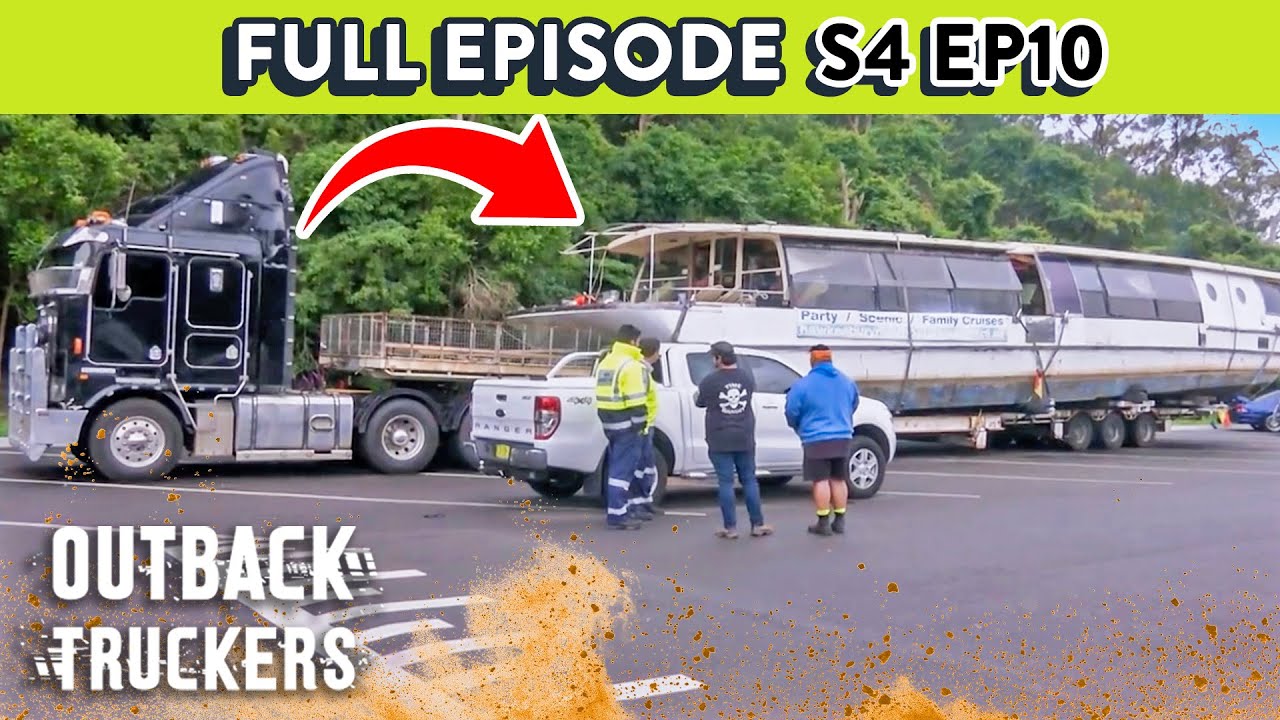
This episode of Outback Truckers follows three very different runs — a fragile 20‑metre river cat destined for Melbourne, a brand‑new outback truck taking its maiden 4,000 km run, and a fuel tanker racing to keep harvesters running. Throughout the episode the practical realities of permits, load restraint and vehicle maintenance are front and centre, and they underline an industry truth: chain of responsibility; CoR matters at every step.
Table of Contents
- Episode overview
- Warwick and the river cat: permit, weight and the cost of an error
- Scruffy to the rescue: pilot cars, curfews and tight turns
- Turbo’s outback trial: overloaded pallets, soft ground and a failed bearing
- Sludge and the Phantom: harvest runs, mud and a thirsty engine
- Safety, permits and the chain of responsibility; CoR
- Practical checklist before you roll
- FAQ
- Conclusion and where to watch
Episode overview
From the Hawkesbury River north of Sydney to the remote cattle tracks of the Northern Territory and the fire‑scarred wheatbelt around Esperance, the episode balances high‑stakes manoeuvres with everyday problem‑solving. Key moments include:
- Warwick Smith discovering the river cat is longer and heavier than declared and the resulting permit and weight compliance failure.
- Bob “Scruffy” Belcher answering the SOS, transferring the cat to a longer trailer and shepherding it through Sydney at night under pilot car escort.
- Turbo’s new truck facing overloaded pallets, muddy yards, a mystery oil leak and a cracked wheel hub deep in the outback.
- Sludge’s Phantom delivering fuel during harvest while battling wet tracks, near rollovers and an overheating engine that’s consuming coolant.
Warwick and the river cat: permit, weight and the cost of an error
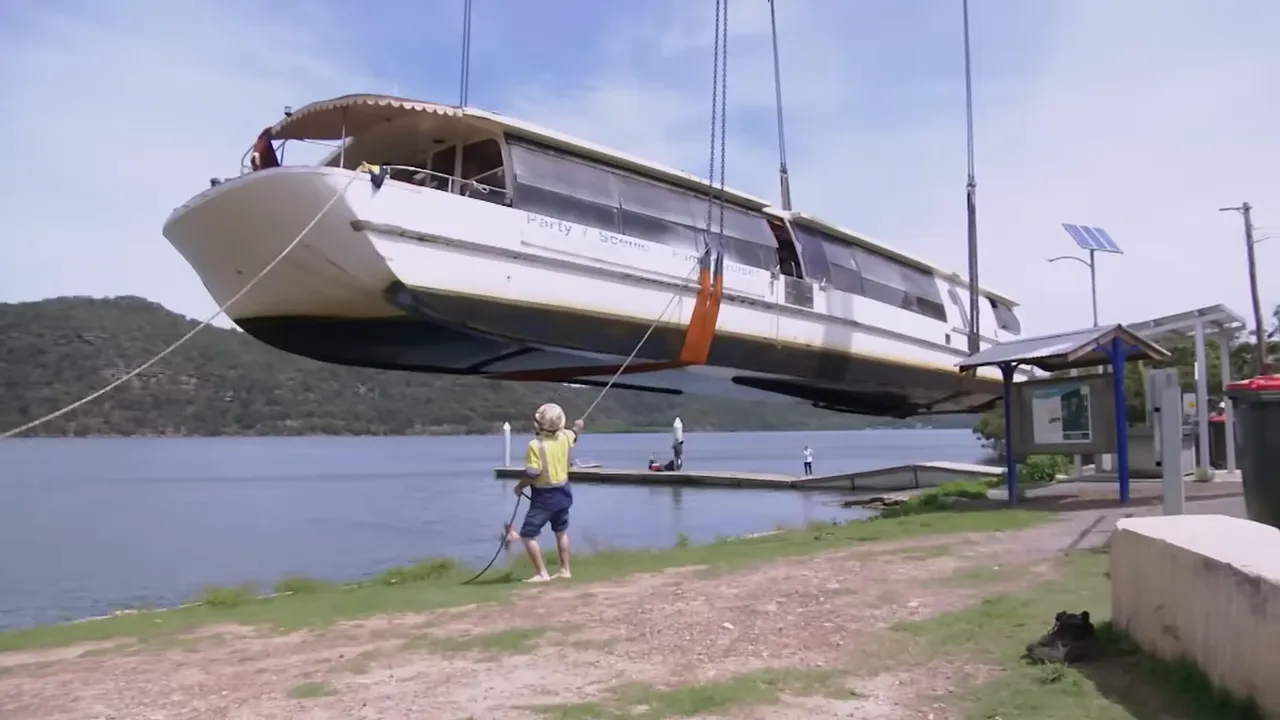
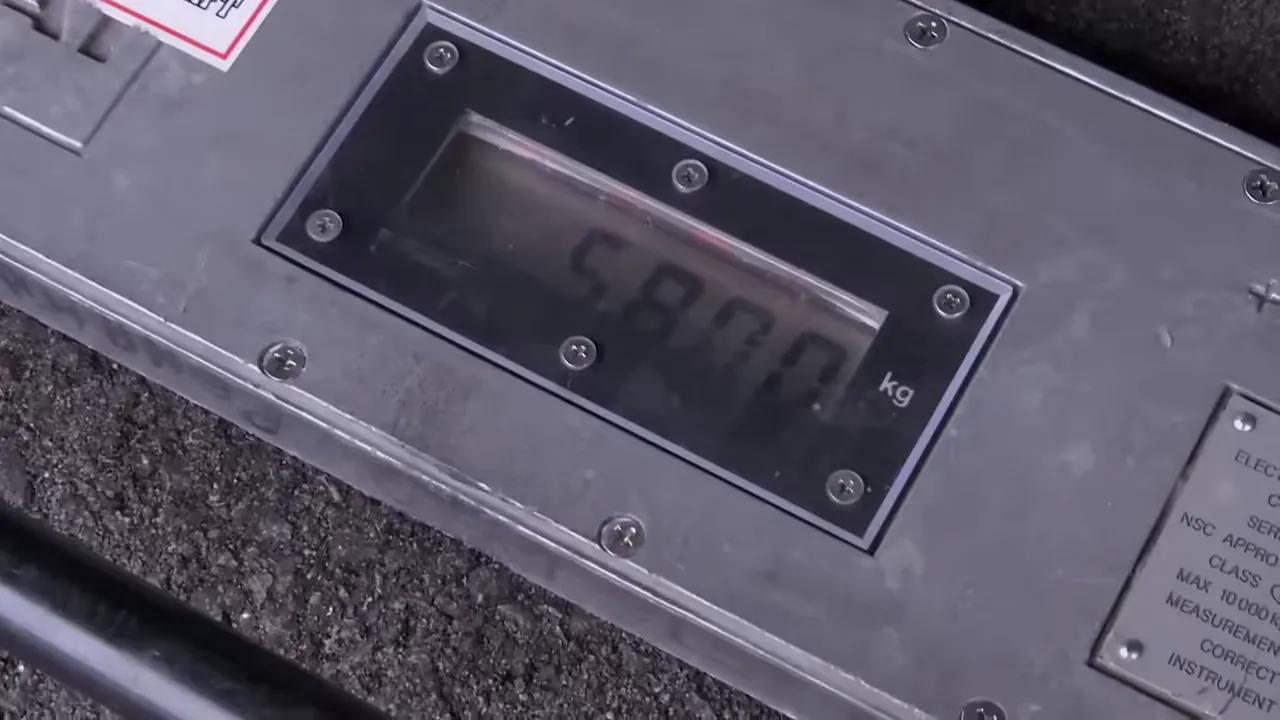
Warwick’s team carefully slings the 20‑metre catamaran to avoid hull stress, but once out of the water the boat’s real dimensions and weights become a problem. Official scales show the prime mover and trailer exceed the permit limit: the rig adds up to about 30 tonnes while the permit is for 25 tonnes. The result — forced abandonment, daily costs and the need to call in Scruffy — demonstrates how a single measurement error can derail an entire move.
Takeaway: verify dimensions and weights yourself. Relying solely on supplied figures can trigger chain of responsibility; CoR consequences for operators, drivers and consignors.
Scruffy to the rescue: pilot cars, curfews and tight turns
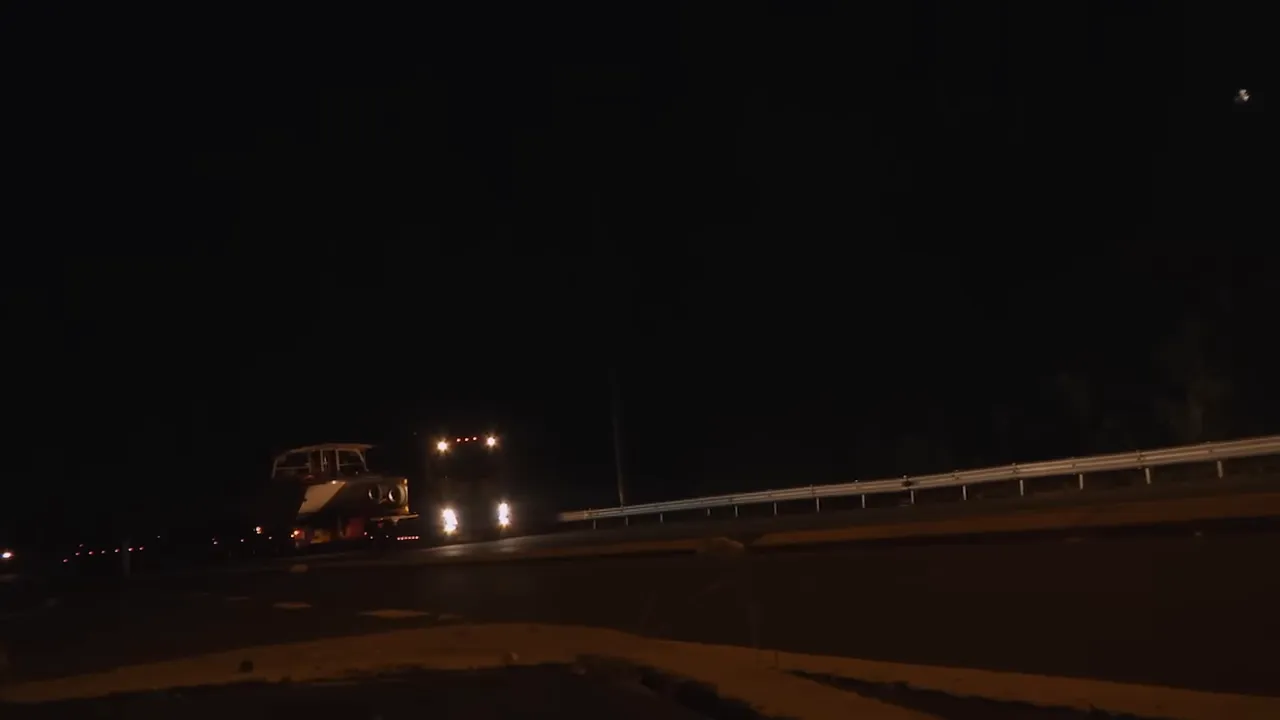
Scruffy’s longer trailer and experience make the difference. The convoy runs at night through Sydney to meet curfew windows and depends on two pilot cars to warn of tight corners and roadworks. Even then, the job requires mounting curbs, rearranging dollies and a last‑minute timed dash into a narrow delivery yard.
Turbo’s outback trial: overloaded pallets, soft ground and a failed bearing
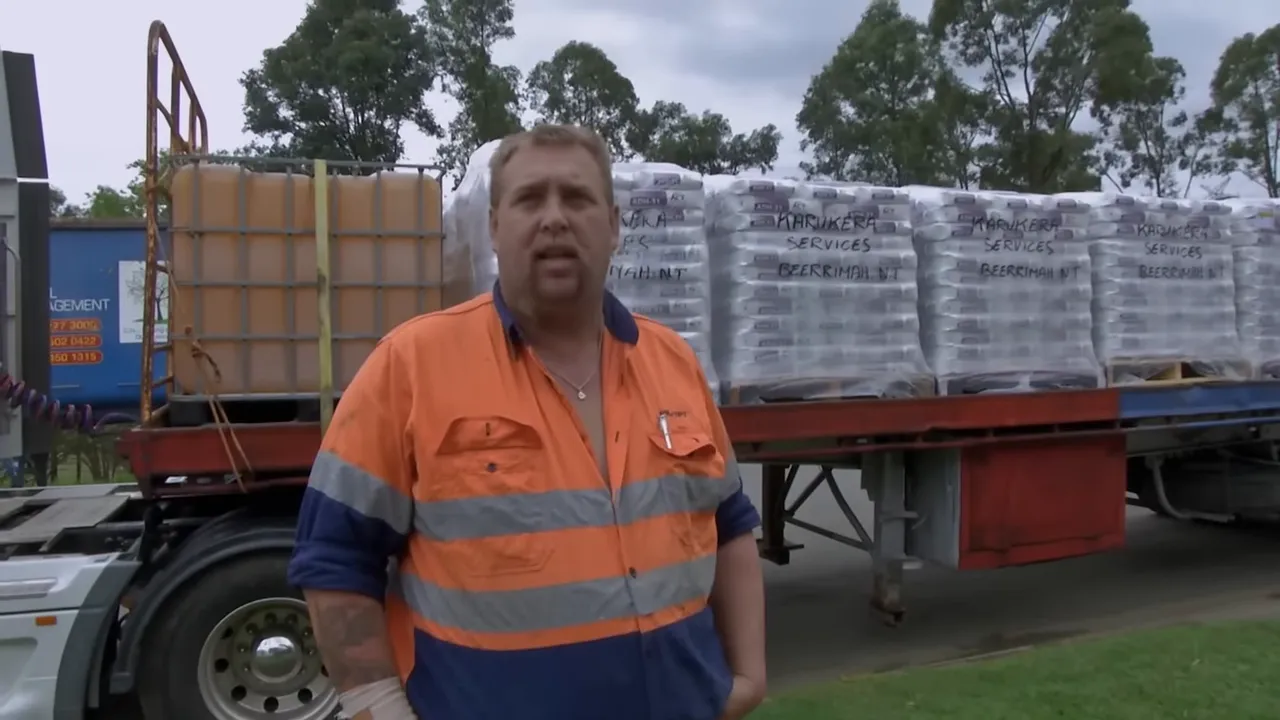
Turbo’s new truck starts well but loading surprises and wet yards cause delays. Initially he discovers 18 pallets of cement actually weigh 27 tonnes — over the trailer’s 23‑tonne capacity. After switching trailers in muddy conditions and rescuing a sinking trailer, Turbo finds an oil leak at the front wheel that suggests a failing bearing.
Rather than push on and risk a catastrophic wheel collapse, Turbo stops, inspects, and later faces a cracked hub deep in the outback. With parts hundreds of kilometres away he must rely on local help and bush repairs — a reminder that maintenance decisions are also part of the chain of responsibility; CoR.
Sludge and the Phantom: harvest runs, mud and a thirsty engine
Sludge supplies farmers during harvest, delivering thousands of litres under time pressure. Heavy rain turns dirt tracks into mud; at one point the tanker almost tips after the verge collapses. Later the Phantom begins consuming coolant — water is being burned in the engine — and the truck’s computer starts shutting the engine down at idle to protect it.
Despite mechanical worries, Sludge completes a donated delivery of 8,000 litres to bushfire‑hit farmers, showing how critical the network of operators is to rural communities.
Safety, permits and the chain of responsibility; CoR
Three core safety themes come through clearly:
- Permits and accurate data: incorrect dimensions or mass can void permits and expose drivers and operators to fines and legal exposure under chain of responsibility; CoR obligations.
- Vehicle maintenance: wheel bearings, hub integrity and cooling systems are critical — failures can cause loss of control or rollovers and are CoR issues for operators and maintenance contractors.
- Load restraint and handling: fragile cargo like a wooden‑hulled catamaran needs slinging near structural ribs and even load distribution; poor restraint risks structural failure and road incidents.
Every party in the supply chain — consignor, loader, operator and driver — shares responsibility. The practical implication is simple: checks, clear communication and documented inspections matter.
Practical checklist before you roll
- Confirm and independently measure cargo dimensions and mass.
- Verify permit limits and route curfews well in advance.
- Inspect slinging points and load restraint for fragile hulls.
- Carry spares and basic hub/bearing tools on long outback runs where parts are distant.
- Monitor coolant and oil levels; don’t ignore unusual consumption — it can be fatal at speed.
- Plan pilot cars and night runs for oversized loads; expect roadworks and tight urban turns.
FAQ
What is the chain of responsibility; CoR and why does it matter here?
The chain of responsibility; CoR allocates legal duties across everyone in the transport chain — consignors, loaders, operators and drivers. In this episode, incorrect measurements and maintenance lapses created CoR exposure for multiple parties.
Who is responsible for getting the correct permit?
Ultimately the operator must hold a valid permit before moving an oversized load, but the consignor and loader must supply accurate dimensions and mass. Failure by any party can trigger chain of responsibility; CoR liability.
What to do if you discover you’re overweight on the scales?
Stop, don’t proceed. Re‑distribute load, find an alternative trailer or obtain the correct permit. Pushing on risks fines and incidents — a clear chain of responsibility; CoR consideration.
How do pilot cars help during night runs?
Pilot cars are the convoy’s eyes and ears, warning of tight corners, roadworks and traffic. They are an essential control measure when transporting oversized loads through urban areas at night.
Conclusion and where to watch
This full episode of Outback Truckers demonstrates that success on the road combines skill, preparation and respect for the rules. From Warwick’s aborted move to Scruffy’s precision driving, Turbo’s bush repairs and Sludge’s life‑saving deliveries, every decision touches the chain of responsibility; CoR. For a front‑row seat to these moves and the lessons they teach, watch the full episode from Outback Truckers.
Video source: Outback Truckers (Full Episode S4 Ep 10)
This article was created from content published by https://www.nhvr.gov.au/. Visit the site for latest and current information.


